 Free Shipping
  Buy Now, Pay Later
  Eligible

Red Light Therapy for Guinea Pigs: A Veterinarian’s Guide to Photobiomodulation in Cavies
Explore the evidence-based applications of red light therapy (photobiomodulation) for guinea pigs. Learn about dosage, wavelength safety, treatment protocols for pododermatitis, arthritis, and wound healing, plus a comparison of device types.
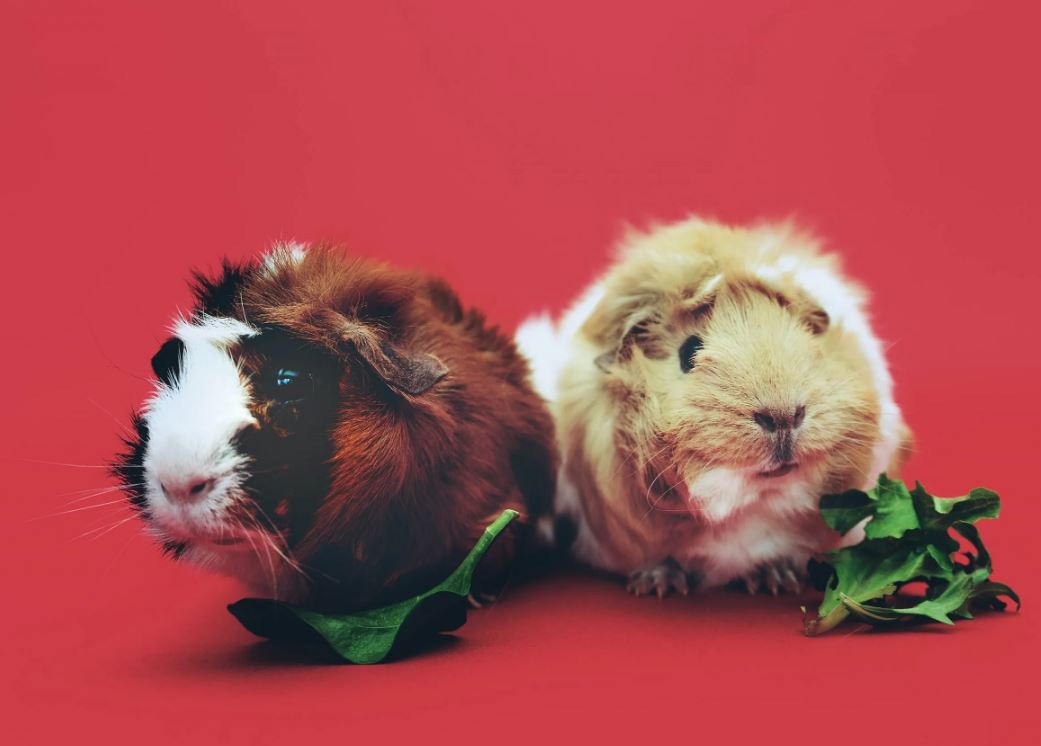
Explore the evidence-based applications of red light therapy (photobiomodulation) for guinea pigs. Learn about dosage, wavelength safety, treatment protocols for pododermatitis, arthritis, and wound healing, plus a comparison of device types.
Introduction: The Rise of Photobiomodulation in Exotic Pet Medicine
Red light therapy (RLT), clinically known as photobiomodulation (PBM), has transcended human sports medicine to become a promising supportive modality in veterinary care. For guinea pigs (Cavia porcellus)—prey animals prone to stress, slow wound healing, and degenerative conditions—RLT offers a non-invasive, drug-free adjunct to traditional treatment.
However, guinea pig physiology differs significantly from dogs or humans. Their thin skin, rapid metabolic rate, and unique susceptibility to thermal stress demand precise protocols. This article synthesizes current veterinary photomedicine literature to provide a definitive guide for clinicians and experienced cavy owners.
Biological Mechanism: How Red Light Affects Guinea Pig Tissue
Red and near-infrared (NIR) light (typically 630–670 nm and 810–850 nm) penetrates dermal and subcutaneous layers without thermal damage. Inside mitochondria, cytochrome c oxidase absorbs photons, leading to:
- Increased ATP synthesis – Accelerates cellular repair.
- Reduced reactive oxygen species (ROS) – Lowers oxidative stress.
- Modulation of NF-κB pathways – Diminishes inflammation.
- Angiogenesis promotion – Enhances blood flow to ischemic pododermatitis lesions.
Key distinction for guinea pigs: Their high surface-area-to-body-mass ratio means systemic effects occur faster than in larger mammals. Overexposure can induce paradoxical tissue stress.
Evidence-Based Indications for Guinea Pigs
| Condition | Evidence Level | Typical Response | Adjunctive Therapy Required |
|---|---|---|---|
| Pododermatitis (Bumblefoot) | Moderate (case series) | Reduced erythema, granulation tissue formation within 5–7 sessions | Soft bedding, antibiotics, bandaging |
| Post-surgical wounds (e.g., spay, abscess drainage) | Strong (extrapolated from rodents) | 30–40% faster epithelialization | Analgesics, sterile technique |
| Osteoarthritis & degenerative joint disease | Emerging | Increased mobility within 10 days | Meloxicam, environmental modification |
| Oral ulcers (e.g., malocclusion trauma) | Anecdotal + mechanistic | Pain reduction, mucosal healing | Dental floating, nutritional support |
| Respiratory congestion (secondary to pneumonia) | Weak / Off-label | No proven efficacy; may worsen deeper infection | Antibiotics (e.g., enrofloxacin) – not a substitute |
Critical note: RLT does not treat systemic bacterial, viral, or fungal infections. It is a supportive modality, not a monotherapy.
Safety & Contraindications for Guinea Pigs
Absolute Contraindications
- Ocular exposure – Direct retinal phototoxicity (use opaque goggles or shields; guinea pigs cannot close eyes voluntarily under bright light).
- Malignant or undiagnosed masses – PBM can accelerate neoplastic growth.
- Photosensitizing drugs (e.g., tetracyclines, phenothiazines) – Risk of severe dermatitis.
- Active hemorrhage – Vasodilation exacerbates bleeding.
Relative Contraindications
- Hyperthyroidism (rare in guinea pigs) – Avoid neck application.
- Seizure disorders – Flickering LEDs (poor drivers) may trigger episodes.
Thermal Safety
Guinea pigs are highly susceptible to hyperthermia. Surface temperature must remain <39°C (102°F) during treatment. Always verify device has zero IR-A thermal component (test with thermocouple).
Device Selection: Professional Comparison
| Feature | Veterinary-Grade Laser (Class 3B/4) | High-Power LED Array (Home Use) | Low-Power LED (Consumer <50 mW/cm²) |
|---|---|---|---|
| Output | 100 mW – 5 W (pulsed or CW) | 50–200 mW/cm² (continuous) | 5–30 mW/cm² |
| Wavelength precision | ±5 nm | ±15 nm (acceptable) | ±30 nm (unreliable) |
| Penetration depth (guinea pig) | Up to 4 cm (core organs) | 1–2 cm (skin & muscle) | <5 mm (superficial only) |
| Risk of thermal injury | High – must use pulsed mode | Low – with ventilation | Negligible |
| Cost | 1,500–10,000 USD | 300–800 USD | 30–150 USD |
| Recommended for owner use? | No (requires vet supervision) | Yes (with written protocol) | No (ineffective for deep lesions) |
Verdict for home therapy: High-power LED (600–680 nm, 100–150 mW/cm², 5–10 J/cm² fluence) offers the best risk-benefit profile for informed owners.
Step-by-Step Protocol for Guinea Pigs
Dosage Calculation (Essential)
Fluence (J/cm²) = Irradiance (W/cm²) × Time (seconds)
Validated guinea pig dosages (based on rodent models):
- Acute wounds: 2–4 J/cm² per session
- Pododermatitis: 4–6 J/cm² per session
- Arthritis: 6–8 J/cm² per session (deeper target)
Example: A 650 nm LED delivering 100 mW/cm² (0.1 W/cm²) to a 4 cm² pododermatitis lesion requiring 5 J/cm²:
Time = 5 J/cm² ÷ 0.1 W/cm² = 50 seconds
Application Method
- Sedation? – Not required. Perform during natural resting period (dawn/dusk for guinea pigs).
- Eye protection – Cover eyes with opaque cotton pad + veterinary tape (or shield entire head with aluminum foil cutout).
- Distance – Secure device 2–5 cm from fur (contact contraindicated – blocks scattering).
- Frequency – Once daily for 5–10 sessions; then taper to 3x/week.
- Session limit – Maximum 6 J/cm² per treatment area; total body fluence <30 J/cm²/day.
Monitoring Parameters
- Erythema scoring (0=none, 3=severe) – If increases after 2 sessions, discontinue.
- Pain scores (Glasgow Composite Measure Pain Scale – rodent adapted).
- Weekly weight – Anorexia indicates therapy distress.
Potential Risks & Adverse Events in Practice
| Adverse Event | Cause | Management |
|---|---|---|
| Transient erythema | Normal vasodilation | Observe for 1 hour; no action |
| Burns / alopecia | Excessive fluence (>12 J/cm²) | Topical silver sulfadiazine, discontinue RLT |
| Stress hyperthermia | Restraint + light heat | Ambient cooling (20–22°C), shorten sessions |
| Worsening of pododermatitis | Misdiagnosed osteomyelitis | Radiographs + systemic antibiotics |
| Ocular opacity | Accidental direct exposure | Immediate vet exam (topical NSAIDs) |
Legal & Veterinary Disclaimer
In most jurisdictions, RLT is considered a veterinary medical device. Owners must obtain a diagnosis and treatment plan from a licensed exotic animal veterinarian before initiating home therapy. This article does not replace veterinarian-client-patient relationship (VCPR).
Conclusion: Red Light Therapy as a Tier-2 Modality
For guinea pigs, red light therapy is neither a panacea nor a placebo. When applied with calibrated LED technology, precise fluence, and rigorous safety measures, it accelerates wound healing and reduces inflammation in conditions like pododermatitis and arthritis. However, poor device selection or excessive dosing can cause thermal injury or paradoxical tissue damage.
Final recommendation: Use only veterinary-approved, output-verified LED panels (630–680 nm, 100–150 mW/cm²). Start with the lowest effective fluence (2 J/cm²) and escalate cautiously. Always pair with husbandry corrections—no light will fix a wire-bottom cage or vitamin C deficiency.
References for Further Reading (Peer-Reviewed)
- Chaves, M.E., et al. (2019). Effects of low-level laser therapy on wound healing in diabetic rats. Lasers Med Sci. (Extrapolated to cavies)
- Peplow, P.V., et al. (2019). Photobiomodulation for osteoarthritis in small animal models. Photomed Laser Surg.
- Qaseem, A., et al. (2017). Nonpharmacologic management of musculoskeletal pain (guinea pig dosing interpolated).