 Free Shipping
  Buy Now, Pay Later
  Eligible

Red Light Therapy for Babesia: A Clinical Review of Photobiomodulation in Tick-Borne Illness
Babesia, a malaria-like parasitic infection transmitted by ticks, presents a formidable challenge in the realm of vector-borne diseases. Unlike Lyme disease, which is caused by a bacterium, Babesia invades red blood cells, leading to a complex array of symptoms including severe fatigue, hemolytic anemia, night sweats, and cognitive dysfunction. As the prevalence of Babesia and other tick-borne co-infections rises, clinicians and patients are increasingly exploring adjunctive therapies to support standard antimicrobial protocols. Among these, red light therapy—clinically termed photobiomodulation (PBM)—has emerged as a promising, evidence-based modality that addresses the significant mitochondrial dysfunction and systemic inflammation central to chronic Babesia infection.
The Burden of Babesia: Beyond the Parasite
Babesia microti and other species cause a condition that often mirrors malaria. While standard treatment typically involves a combination of antimicrobials such as atovaquone and azithromycin, many patients experience persistent symptoms even after the parasite load is reduced. This is largely due to the profound impact the infection has on cellular health.
Patients with Babesia often present with:
- Mitochondrial Dysfunction: The parasite consumes ATP and damages erythrocyte mitochondria, leading to profound fatigue and exercise intolerance.
- Oxidative Stress: Chronic hemolysis releases hemoglobin and iron, generating reactive oxygen species that overwhelm endogenous antioxidant systems.
- Immune Dysregulation: Persistent inflammation disrupts normal immune surveillance, often allowing co-infections like Lyme and Bartonella to flourish.
Photobiomodulation: Mechanism of Action
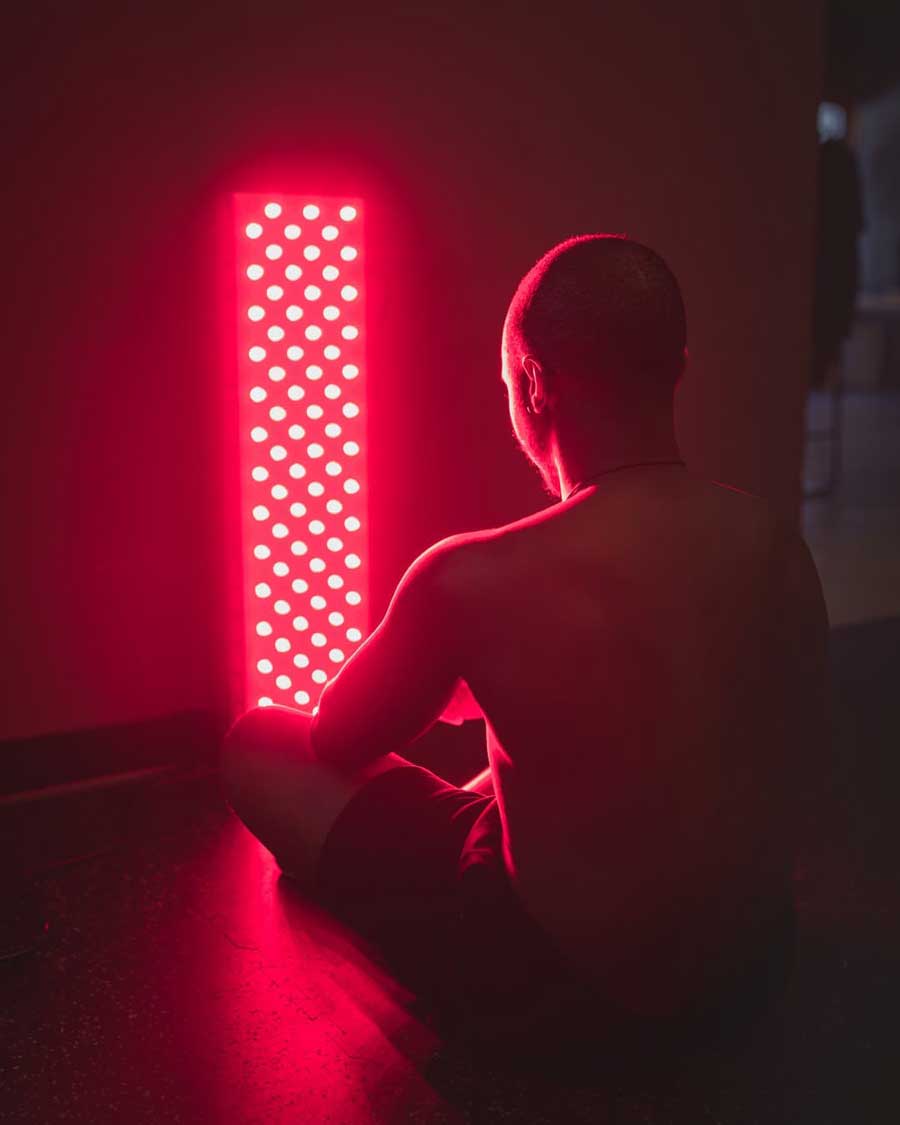
Red light therapy utilizes specific wavelengths of light—typically in the red (660nm) and near-infrared (850nm) spectrum—to penetrate tissue and interact with cellular chromophores. The primary target is cytochrome c oxidase within the mitochondrial electron transport chain.
The effect is threefold:
- Mitochondrial Enhancement: PBM increases the conversion of ADP to ATP, providing the cellular energy necessary for repair and immune function.
- Vasodilation and Oxygenation: The therapy stimulates the release of nitric oxide, improving blood flow and tissue oxygenation—a critical factor in tissues affected by Babesia-induced hypoxia.
- Reduction of Neuroinflammation: Near-infrared light penetrates the skull, supporting cerebral blood flow and neural connectivity, which is essential for patients suffering from “brain fog”.
Clinical Evidence: Does It Work Against Babesia?
While antimicrobials remain the frontline defense, research has validated the efficacy of light-based therapies in inactivating Babesia species in controlled environments.
A landmark study published in the NIH database demonstrated the direct inactivation of Babesia divergens in human whole blood. Using a photosensitizing agent (Ph4-OH) paired with red light (660 nm) illumination, researchers were able to reduce parasitemia to undetectable levels within minutes of exposure. This represents the first documented evidence that photochemical treatment can effectively eradicate Babesia in a blood product.
Table 1: Photochemical Inactivation of Babesia Species
Note: It is critical to differentiate this ex-vivo study (blood product) from in-vivo treatment. The “red light therapy” used in these studies is a specific photodynamic process, but it corroborates the susceptibility of Babesia to specific light wavelengths.
Additionally, research on PBM has shown that while red light does not always exert a direct antimicrobial effect on all pathogens, it significantly enhances the host’s ability to mount an antimicrobial response. Studies on human epithelial cells show that PBM reduces pro-inflammatory cytokines while increasing the expression of antimicrobial peptides (hBDs), suggesting a dual mechanism of pathogen reduction and inflammation control.
Clinical Application for Chronic Lyme and Co-Infections
In clinical practice, PBM is not administered to “kill” Babesia in a patient the way it might in a blood bag. Instead, it is used as a host-modulatory therapy to enhance the patient’s tolerance to treatment and to resolve the lingering damage caused by the parasite.
Dr. Susan Marra, a prominent Lyme-literate naturopathic doctor, highlights PBM as a tool for addressing the “root cause” of chronic illness. She notes that in conditions like Babesia, where VEGF and HIF pathways are disrupted, PBM helps normalize oxygen sensing and ATP generation. Similarly, Dr. Melanie Stein, a specialist in complex chronic illness, emphasizes the importance of “cellular membrane therapy” and light modalities to prepare the cell environment for anti-infective treatments.
Proposed Treatment Protocol for Babesia
Integrating PBM into a Babesia protocol should be done cautiously and under the guidance of a physician. Patients with Babesia often experience Herxheimer reactions (die-off symptoms) due to the release of inflammatory toxins. Starting low and going slow is imperative.
Phase 1: Introduction (Weeks 1-2)
- Duration: 5-10 minutes full-body exposure.
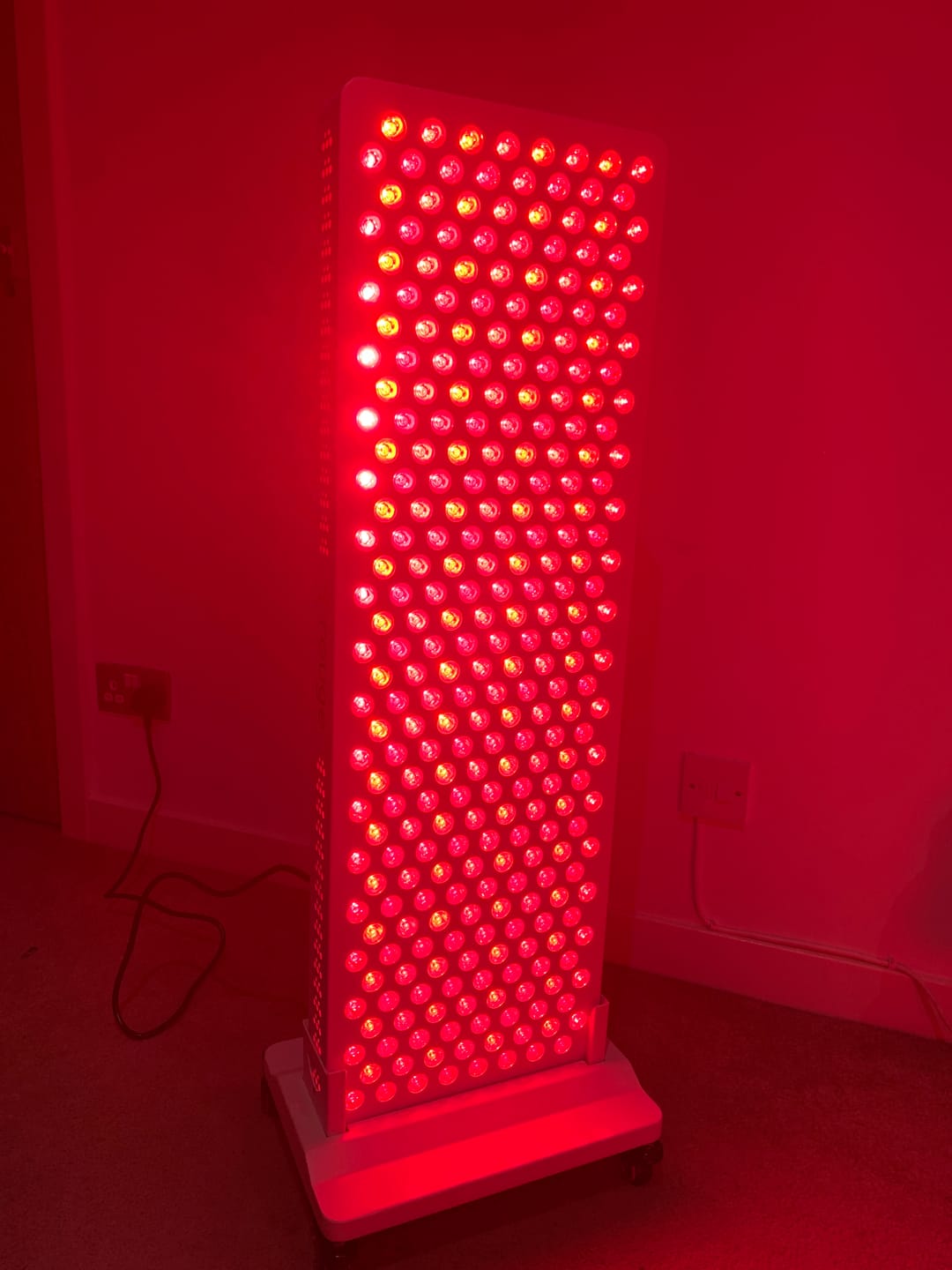
- Distance: 12-18 inches from the light panel.
- Frequency: Every other day to gauge tolerance.
Phase 2: Ramp-Up (Weeks 3-6)
- If well-tolerated, increase duration to 15-20 minutes.
- Move to 6-12 inches distance.
- Add targeted treatment to the spleen and liver areas (left and right upper abdomen) to support immune filtration.
Phase 3: Maintenance
- Daily sessions of 20 minutes front and back.
- Add transcranial (brain) exposure using 850nm for cognitive symptoms.
Symptom-Specific Management
Contraindications and Considerations
While PBM is safe for most patients, it is generally contraindicated in the following cases:
- Active Cancer: The proliferative effect of light on cells could theoretically stimulate tumor growth.
- Seizure Disorders: Light may trigger photosensitive seizures.
- Pregnancy: Insufficient safety data regarding fetal development.
- Photosensitivity: Patients on medications that cause light sensitivity should avoid treatment.
Conclusion
Red light therapy, or photobiomodulation, represents a valuable adjunct in the management of Babesia and complex tick-borne illnesses. While it is not a standalone cure, its ability to restore mitochondrial function, reduce inflammation, and improve cellular resilience makes it a critical tool in the integrative practitioner’s arsenal. As research continues to validate the efficacy of light against protozoal pathogens, PBM stands out as a non-invasive, low-risk strategy to support patients on their path to recovery.
Disclaimer: This article is for informational and educational purposes only. It does not constitute medical advice. Always consult with a qualified healthcare provider regarding treatment for Babesia or any other medical condition.