 Free Shipping
  Buy Now, Pay Later
  Eligible

Red Light Therapy for Cutaneous Larva Migrans: A Clinical Analysis of an Emerging Adjunctive Treatment
Cutaneous Larva Migrans (CLM) represents one of the most frequently diagnosed dermatologic conditions in returning travelers from tropical and subtropical regions . While standard pharmacological protocols—primarily involving oral ivermectin and albendazole—remain the cornerstone of evidence-based management, emerging research into photobiomodulation (PBM), particularly red light therapy, suggests potential adjunctive applications. This article examines the current evidence base for red light therapy in dermatologic infectious conditions, evaluates its proposed mechanisms of action, and considers its relevance to CLM management through a professional, evidence-based lens.
Understanding Cutaneous Larva Migrans
Pathophysiology and Clinical Presentation
Cutaneous Larva Migrans is caused by the penetration and migration of larvae of animal hookworms—most commonly Ancylostoma braziliense and Ancylostoma caninum—into the human epidermis. The condition is characterized by a serpiginous, intensely pruritic rash that migrates at a rate of approximately 1 to 2 cm per day . Lesions most frequently appear on the feet, buttocks, and abdomen, with beach exposure representing a common epidemiological association .
Current Standard of Care
The Centers for Disease Control and Prevention (CDC) and World Health Organization (WHO) recommend the following pharmacological interventions :
| Treatment Modality | Dosage Regimen | Efficacy | Indication |
|---|---|---|---|
| Ivermectin | 200 μg/kg single oral dose | Well-tolerated, high efficacy | Preferred for multiple or diffuse lesions |
| Albendazole | 400 mg orally daily for 3 days | Cure rates: 46–100% | Standard alternative; 3-day course recommended to reduce relapse risk |
Special considerations: Ivermectin should be avoided in pregnancy, while albendazole requires cautious use. Pediatric dosing must be weight-adjusted, and immunocompromised patients may require extended treatment courses .
Photobiomodulation and Red Light Therapy: Mechanisms of Action
Defining the Therapeutic Modality
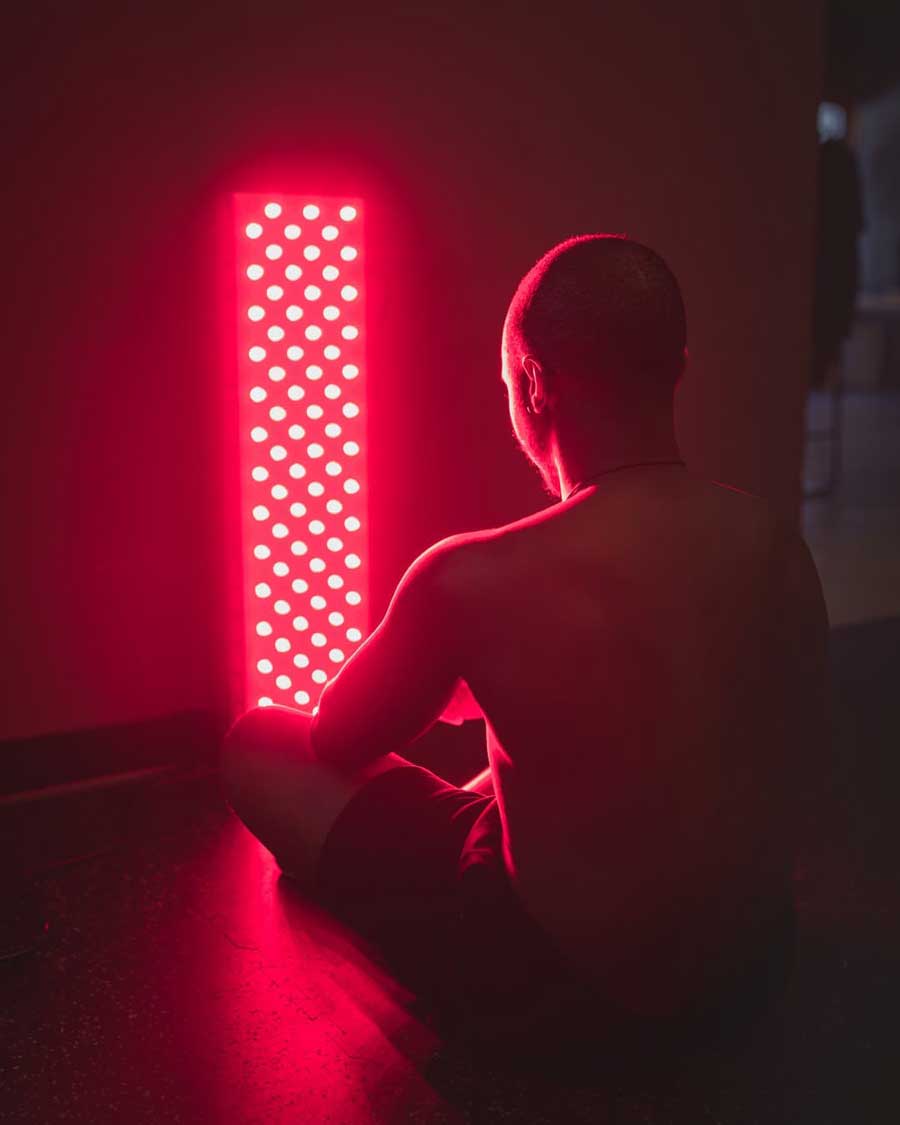
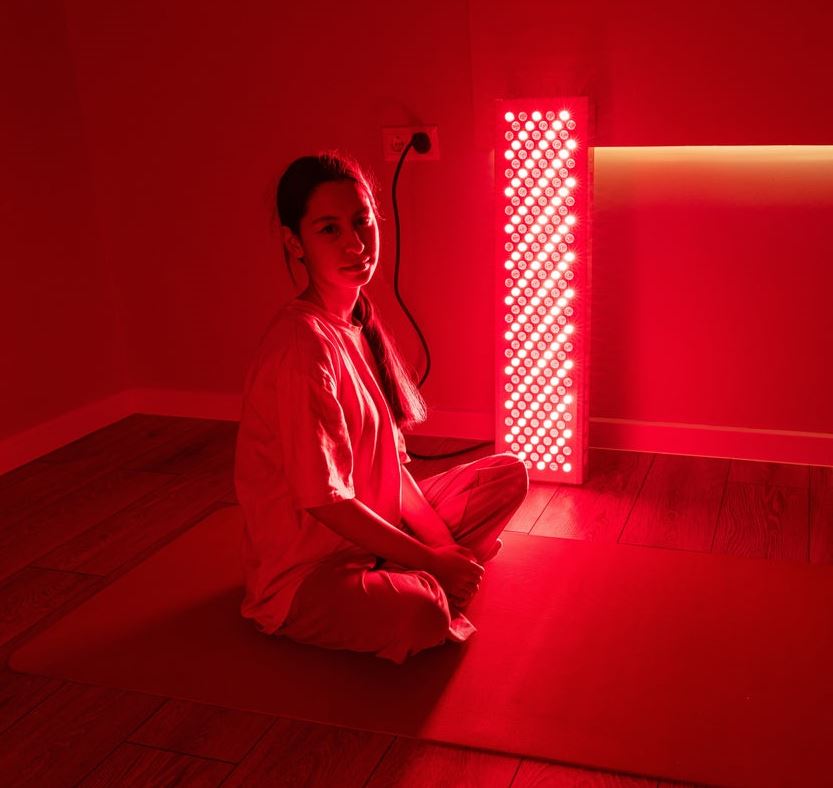
Photobiomodulation (PBM), formerly known as low-level laser therapy, utilizes specific wavelengths of light—typically in the red (630–644 nm) to near-infrared spectrum—to elicit cellular responses without generating significant thermal effects. The therapeutic rationale is grounded in the principle that specific wavelengths can modulate cellular respiration, reduce oxidative stress, and regulate inflammatory cascades.
Evidence for Skin Healing and Inflammation Modulation
Recent experimental studies have established that red-light LED therapy significantly enhances keratinocyte viability compared to sham irradiation, with demonstrable clinical benefits observed in wound healing models . A pivotal animal study demonstrated that LED therapy expedites cutaneous healing primarily through modulation of inflammation and enhancement of antioxidant activity. Notably, red-light therapy significantly decreased pro-inflammatory cytokines IL-1β, IL-10, and TNF-α on day 10 post-treatment, while simultaneously reducing malondialdehyde (MDA) levels and increasing glutathione (GSH) activity .
Furthermore, red laser-based wound therapy devices have demonstrated positive effects on keratinocyte and fibroblast function during wound healing, particularly under non-optimal, inflammatory conditions. Treatment was shown to enhance desmoglein and collagen gene expression (COL1A1, COL3A1) and induce early growth factor gene expression, suggesting a direct influence on cellular processes essential for tissue repair .
Direct Evidence: Red Light Against Parasitic Pathogens
Studies on Cutaneous Leishmaniasis
While no direct clinical trials have specifically evaluated red light therapy for Cutaneous Larva Migrans, relevant evidence exists from investigations into related parasitic dermatoses. A landmark investigation into the wavelength-dependency of chromotherapy effects on Leishmania Tropica found that red light at 644 nm wavelength inhibited parasite growth, with the authors suggesting that patients suffering from cutaneous leishmaniasis could potentially benefit from red light application .
Additionally, a murine study exploring infrared light combined with nanogold-targeted macrophage therapy demonstrated that near-infrared (NIR) light alone produced statistically significant improvements in lesion area reduction and parasite load among Leishmania major-infected mice, with the NIR-only group showing the best results in pathological evaluation for parasite load reduction (p = 0.002) .
Clinical Experience with Photobiomodulation in Cutaneous Infections
A retrospective study evaluating clarithromycin-based therapy with adjunctive red-light PBM (640 ± 10 nm, 70 ± 5 mW/cm², 42 ± 3 J/cm²) and microwave treatment for cutaneous Mycobacterium marinum infection reported encouraging results. Among 14 patients, clinical cure was achieved in 10 patients, with 2 showing marked improvement and 2 demonstrating partial improvement. No clinical recurrence was observed during follow-up periods extending to 36 months .
Proposed Clinical Applications for CLM
Theoretical Rationale
The potential application of red light therapy in CLM management rests on three pillars:
- Direct anti-parasitic effect – Based on evidence of red light inhibition of related parasitic organisms
- Inflammation modulation – Demonstrated reduction in inflammatory cytokines associated with tissue injury
- Enhanced wound healing – Accelerated keratinocyte viability and migration, improved collagen synthesis
Proposed Adjunctive Use
Based on the available evidence, red light therapy should not be considered a replacement for established pharmacological interventions for CLM. However, it may offer value as an adjunctive modality in cases with:
- Significant secondary inflammation requiring additional modulation
- Delayed wound healing post-parasite clearance
- Contraindications or intolerance to standard antihelmintic therapy
- Pruritus management through cytokine modulation
Safety Profile and Limitations
Established Safety Parameters
Clinical studies utilizing red-light PBM parameters of 640 ± 10 nm, with power densities of 70 ± 5 mW/cm², have reported no adverse events, with patients typically experiencing only mild warmth without pain or discomfort . This favorable safety profile contrasts favorably with pharmacological interventions requiring hepatic metabolism and carrying contraindications in pregnancy and pediatric populations.
Critical Considerations
Important caveats:
- No direct clinical trials exist specifically evaluating red light therapy for CLM
- Evidence is derived from related parasitic dermatoses (leishmaniasis) and non-parasitic inflammatory skin conditions
- Optimal treatment parameters (wavelength, energy density, treatment duration) require further standardization
- PBM should not delay initiation of proven pharmacological therapy
Comparison of Therapeutic Approaches
| Parameter | Standard Pharmacotherapy | Red Light Therapy (Adjunctive) |
|---|---|---|
| Primary indication | Parasite eradication | Inflammation modulation, tissue repair |
| Evidence level | High (RCTs, WHO/CDC guidelines) | Moderate (animal studies, in vitro, related conditions) |
| Direct anti-parasitic effect | Confirmed (ivermectin, albendazole) | Suggestive (based on related parasites) |
| Inflammation modulation | Limited | Confirmed (↓ IL-1β, IL-10, TNF-α) |
| Contraindications | Pregnancy, pediatric weight limitations | None reported |
| Side effects | GI upset, headache, rare CNS effects | None with standard parameters |
Clinical Recommendations
Based on current evidence synthesis, the following recommendations are offered:
- First-line therapy must remain oral ivermectin (200 μg/kg single dose) or albendazole (400 mg daily × 3 days) per WHO and CDC guidelines .
- Red light therapy may be considered as an adjunctive modality to accelerate symptom resolution, particularly for patients with pronounced inflammatory responses or secondary healing concerns.
- Further research is warranted, including:
- Randomized controlled trials specifically investigating red light therapy for CLM
- Standardized treatment protocols for dermatologic infectious applications
- Comparative effectiveness studies with standard pharmacotherapy
Conclusion
Red light therapy demonstrates considerable promise as an adjunctive treatment modality in dermatologic infectious conditions through its demonstrated abilities to modulate inflammation, enhance cellular viability, and promote tissue repair. While direct evidence for its application in Cutaneous Larva Migrans remains limited to extrapolation from related parasitic and inflammatory studies, the therapy’s favorable safety profile and emerging mechanistic understanding justify consideration as a complementary intervention. However, practitioners must remain firmly grounded in established pharmacological protocols while awaiting more robust clinical evidence.
Disclaimer: This article is for informational purposes only and does not constitute medical advice. Clinical decisions should be made in consultation with qualified healthcare providers based on individual patient assessment.
References
Azeemi STY, Raza SM, Yasinzai M, et al. Effects of different colours in the visible region on Leishmania Tropica. Advances in Bioscience and Biotechnology. 2011.
Cutaneous Larva Migrans Treatment Guidelines. PraxisMed.org. 2025.
Red light-emitting diode on skin healing: an in vitro and in vivo experimental study. ScienceDirect. 2024.
Clarithromycin-based therapy with adjunctive photobiomodulation and microwave treatment for cutaneous Mycobacterium marinum infection. DOAJ. 2026.
Azeemi STY, Raza SM, Khattak M. Effects of different colours in the visible region on Leishmania Tropica. Semantic Scholar. 2011.
Centers for Disease Control and Prevention. Parasitic Skin Infection Indication Update. 2020.
Red light-emitting diode on skin healing: an in vitro and in vivo experimental study. Anais Brasileiros de Dermatologia. 2025.
Clarithromycin-based therapy with adjunctive photobiomodulation and microwave treatment. ScienceDirect. 2026.
CDC Yellow Book. Skin & Soft Tissue Infections. Relief Central.
Red-light LED therapy promotes wound regeneration. Lasers in Medical Science. 2025.
Yasak Guner R, et al. Combination of infra-red light with nanogold targeting macrophages in the treatment of Leishmania major infected BALB/C mice. 2021.
Wiegand C, et al. Treatment with a red-laser-based wound therapy device exerts positive effects in models of delayed keratinocyte and fibroblast wound healing. Photodermatol Photoimmunol Photomed. 2024.