 Free Shipping
 Buy Now, Pay Later
 Eligible

Red Light Therapy for Blepharitis: Clinical Evidence, Mechanisms, and Patient Selection
Bottom line: Red light therapy—most often delivered as part of low-level light therapy (LLLT) alongside blue light—is not a standalone cure for blepharitis. However, peer-reviewed clinical data published in 2025 demonstrate that combined red and blue LLLT, particularly when paired with intense pulsed light (IPL), produces statistically significant reductions in eyelid inflammation, Demodex collarette scores, and patient-reported symptoms in cases resistant to first-line hygiene and tea tree oil regimens. For practices offering advanced dry eye and lid margin disease management, incorporating red-light LLLT represents a defensible, evidence-backed addition to the treatment ladder—provided patient expectations are set around inflammation control and glandular support rather than outright mite eradication.
Why Blepharitis Demands a Multimodal Approach
Blepharitis is rarely a single-pathology condition. Posterior blepharitis is overwhelmingly driven by meibomian gland dysfunction (MGD), while anterior blepharitis frequently involves Demodex mite infestation—present in over 60% of all blepharitis cases and intricately linked with ocular surface disease. The clinical challenge is that first-line therapies (warm compresses, hypochlorous acid sprays, dilute tea tree oil scrubs) often fail to resolve chronic inflammation, and patient compliance with daily lid hygiene is notoriously poor.
This is where light-based therapies enter the conversation. Unlike warm compresses, which rely on thermal melting of obstructed meibum, low-level light therapy operates at the cellular level. Red light at approximately 625 nm targets mitochondrial cytochrome c oxidase, displacing nitric oxide and restoring ATP production—an anti-inflammatory and tissue-repair mechanism distinct from thermal treatment. Blue light at approximately 465 nm excites porphyrins within bacterial and Demodex-associated environments, generating singlet oxygen that damages microbial cell walls.
The clinical implication is clear: red light addresses the inflammatory component of blepharitis, while blue light addresses the microbial and mite component. Neither alone is sufficient for comprehensive management.
What the Clinical Evidence Shows
The Farrant et al. (2025) Study: Combined IPL + LLLT
The most directly relevant peer-reviewed data comes from a retrospective study published in Clinical Ophthalmology (August 2025) by Farrant, Giannaccare, Lim, and Coco. The study examined 34 eyes of 17 patients (mean age 64.6 years) with Demodex-associated blepharitis refractory to first-line over-the-counter therapies. Patients received combined IPL and LLLT using the Eye-light® device: 12 minutes of blue light (465 nm) followed by 12 minutes of red light (625 nm), alongside IPL pulses.
Key outcomes after a mean of 7.6 treatment sessions:
| Parameter | Baseline (T0) | Post-Treatment (T1) | P-value | Clinical Significance |
|---|---|---|---|---|
| Collarette score (0–4) | 1.44 ± 0.83 | 1.00 ± 0.97 | 0.007 | Significant reduction in Demodex debris |
| Saponification rate | 41.18% | 11.76% | 0.002 | Marked improvement in tear film quality |
| Conjunctival hyperemia (0–4) | 2.00 ± 0.78 | 1.47 ± 0.61 | 0.005 | Reduced lid margin inflammation |
| Corneal fluorescein staining (0–5) | 0.56 ± 1.16 | 0.24 ± 0.96 | 0.031 | Improved ocular surface integrity |
| DEQ-5 symptom score | 12.00 ± 5.34 | 7.76 ± 4.92 | 0.003 | Clinically meaningful symptom relief |
| Treatment-related adverse events | — | 0 reported | — | Favorable safety profile |
Data source: Farrant et al., Clinical Ophthalmology 2025
The authors concluded that combined light therapy “seems an effective treatment strategy for patients with recalcitrant Demodex-associated blepharitis” while noting that mite eradication rates remained low—meaning the clinical benefit derives primarily from inflammation reduction and collarette disruption rather than complete parasite elimination. This distinction is critical for patient counseling.
What About Red Light Alone?
No large-scale randomized controlled trial has yet isolated red-light LLLT as monotherapy for blepharitis. The published evidence consistently evaluates red light within combined protocols (red + blue, or IPL + red + blue). A registered clinical trial (NCT06371300) at Aston University is currently comparing red-only versus red-plus-blue LLLT in blepharitis and dry eye patients, with results expected after 2026. Until that data matures, clinicians should frame red light as a component of a multimodal protocol rather than a standalone intervention.
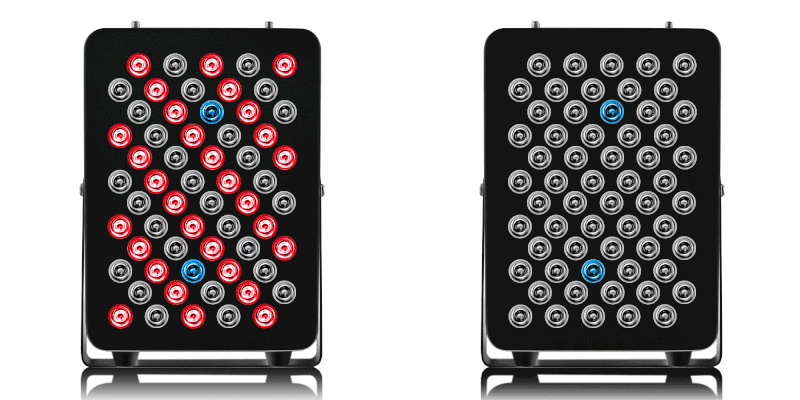
VELLGUS Elite V2
THE #1 RATED RED LIGHT DEVICE
Vellgus Red Light Elite V2 is an incredible way to experience the benefits of multiwave technology spectrum: 480nm 630nm, 660nm, 810nm, 830nm, 850nm. No other red/NIR light device available provides the multi-wave R+| NIR+ spectral output.
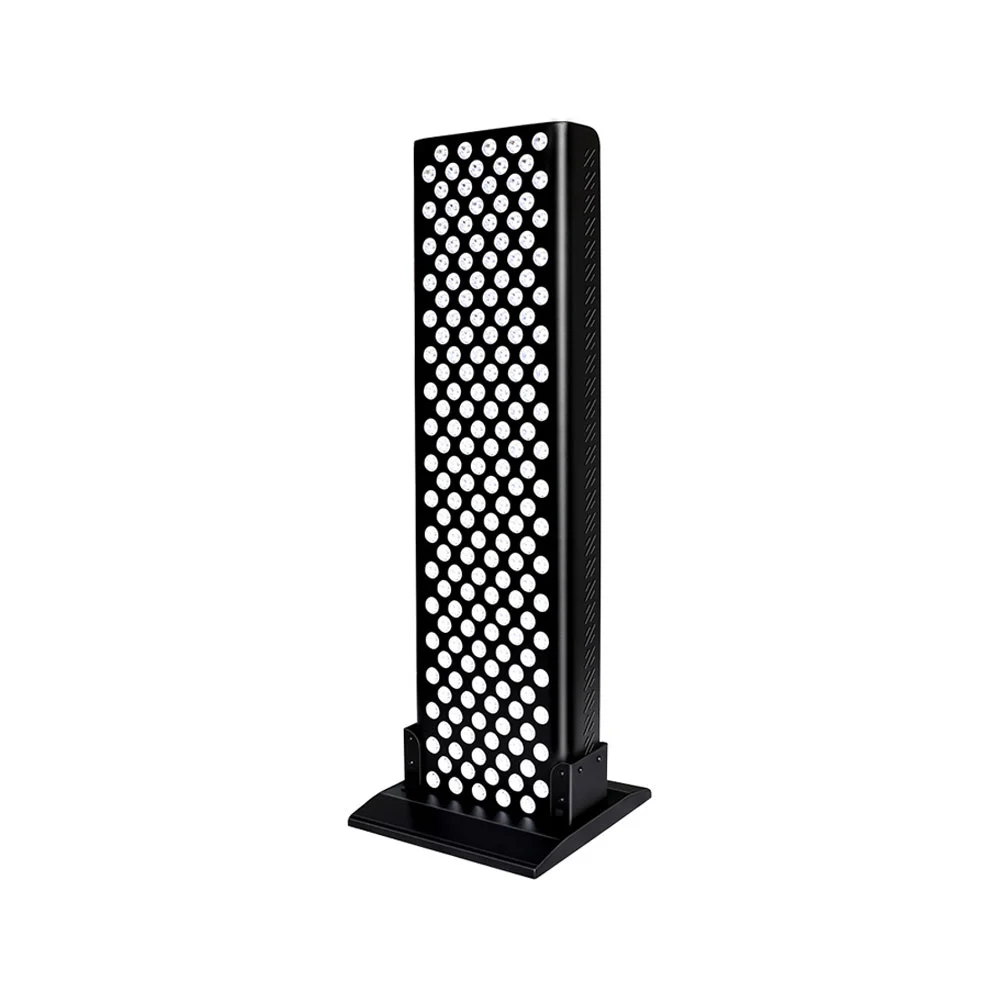
VELLGUS max 300
THE #1 RATED FULL BODY RED LIGHT DEVICE
Upgrade your red light therapy experience and take it to the next level with VELLGUS Red Light Max 300. This device is specifically designed for those wanting a brighter and more intense red light treatment
How Red Light Therapy Compares to Established Blepharitis Treatments
| Treatment Modality | Primary Mechanism | Best Suited For | Evidence Quality | Key Limitation |
|---|---|---|---|---|
| Red LLLT (625 nm) | Mitochondrial ATP stimulation; anti-inflammatory | Inflammatory component of blepharitis; MGD support | Moderate (as part of combined protocols) | Does not melt obstructed meibum; not stand-alone |
| Blue LLLT (465 nm) | Porphyrin excitation; antimicrobial/antiparasitic | Demodex collarettes; bacterial lid margin flora | Moderate (combined protocols) | Limited depth penetration |
| IPL (600–1200 nm) | Selective photothermolysis; mite destruction; gland warming | Demodex, MGD, ocular rosacea | Strong (multiple studies) | Requires eye shields; skin pigmentation considerations |
| Warm compresses | Thermal melting of meibum | Obstructive MGD | Strong for immediate gland expression | Poor long-term compliance; no anti-inflammatory effect |
| Tea tree oil (5–50%) | Antiparasitic against Demodex | Demodex blepharitis | Moderate | Irritation risk; adherence challenges |
| Lotilaner 0.25% (Xdemvy) | GABA-gated chloride channel blocker; Demodex-specific | Demodex blepharitis | FDA-approved; strong for mite reduction | Limited data on ocular surface signs/symptoms |
Clinical positioning: Red LLLT sits alongside IPL as a device-based, in-office intervention for patients who have failed or cannot adhere to daily home care. It is not a replacement for meibomian gland expression or thermal therapy when physical obstruction is the dominant problem. As one clinical resource candidly notes, “light will not move” hardened meibum—red light supports the health of the secretory cells, but it does not liquefy blocked oil.
Practical Protocol Considerations for Clinicians
Based on the published Farrant protocol and device specifications:
- Wavelength: Red light at 625 ± 40 nm; blue at 465 ± 40 nm
- Session structure: 12 minutes blue, then 12 minutes red (when using combined LLLT masks)
- Frequency: Repeated at intervals determined by clinical response; the study averaged 7.6 sessions per patient over the treatment course
- Patient preparation: Clean, product-free facial skin; eyes closed (no eye shields required for LLLT, unlike IPL)
- Contraindications: Photosensitizing medications, pregnancy (precautionary), history of photosensitive seizures, Fitzpatrick skin types V–VI (for IPL component due to depigmentation risk)
What to tell patients: Expect a warm, relaxing sensation during treatment. Do not expect immediate elimination of all symptoms. The evidence supports gradual improvement in lid margin appearance, reduced irritation, and better contact lens tolerance over a series of sessions. Most importantly, red light therapy is adjunctive—it works best when the patient maintains appropriate home hygiene and when physical gland obstruction is addressed through expression or IPL.
Frequently Asked Questions
Is red light therapy FDA-approved for blepharitis?
No. There is no FDA-approved red light therapy device specifically indicated for blepharitis. The devices used in published research (such as Eye-light®) carry CE marking for MGD treatment in Europe, but in the United States, red LLLT for eyelid conditions is typically used off-label. Lotilaner ophthalmic solution (Xdemvy) is the only FDA-approved drug specifically for Demodex blepharitis. Patients should understand that LLLT is an evidence-supported but off-label application.
Can I use a home red light panel for blepharitis?
Not recommended without clinical guidance. Consumer red light panels are cleared for skin applications, not ocular use, and their irradiance, wavelength precision, and treatment protocols are not calibrated for eyelid treatment. The published clinical protocols use specific devices with defined output parameters and practitioner supervision. Using a home panel over closed eyes carries unknown dosing risks and provides no guarantee of therapeutic benefit.
How many red light sessions will I need before seeing improvement?
The published protocol averaged 7.6 sessions, with treatments spaced according to clinical response. Some patients notice reduced irritation and improved comfort after 3–4 sessions, but meaningful changes in collarette scores and corneal staining typically require a fuller course. Maintenance sessions may be needed, though long-term durability data beyond three months is currently lacking.
Does red light therapy kill Demodex mites?
Not directly—that is primarily the role of blue light and IPL. Red light’s contribution is anti-inflammatory and metabolic: it supports cellular energy production and reduces the inflammatory cascade that mites and bacteria provoke. The Farrant study found that while mite eradication rates were low, collarette scores and symptoms improved significantly, suggesting that clinical benefit comes from disrupting the inflammatory cycle rather than achieving complete parasitological cure.
Is red light therapy safe for everyone with blepharitis?
No. Patients using photosensitizing medications (certain antibiotics, retinoids, and diuretics) should not undergo LLLT. Those with a history of photosensitive seizures, active cancer in the treatment area, or pregnancy should defer treatment. When IPL is combined with LLLT, Fitzpatrick skin types V and VI are excluded due to depigmentation risk from the IPL component. A thorough medication and medical history review is mandatory before any light-based eyelid treatment.