 Free Shipping
  Buy Now, Pay Later
  Eligible

Evaluating the Theoretical Potential of Red Light Therapy for Naegleria fowleri Infection: A Clinical and Scientific Analysis
Primary Amoebic Meningoencephalitis (PAM), caused by the free-living amoeba Naegleria fowleri, represents one of the most devastating and rapidly fatal infections known to medicine. Often referred to as the “brain-eating amoeba,” it is found in warm freshwater environments and enters the human body through the nasal passages, migrating to the brain via the olfactory nerve.
The statistics are stark: the mortality rate for PAM exceeds 97% , with only a handful of documented survivors out of hundreds of cases worldwide . Current treatment protocols remain largely ineffective and are associated with severe toxicity, highlighting an urgent and unmet need for novel therapeutic strategies .
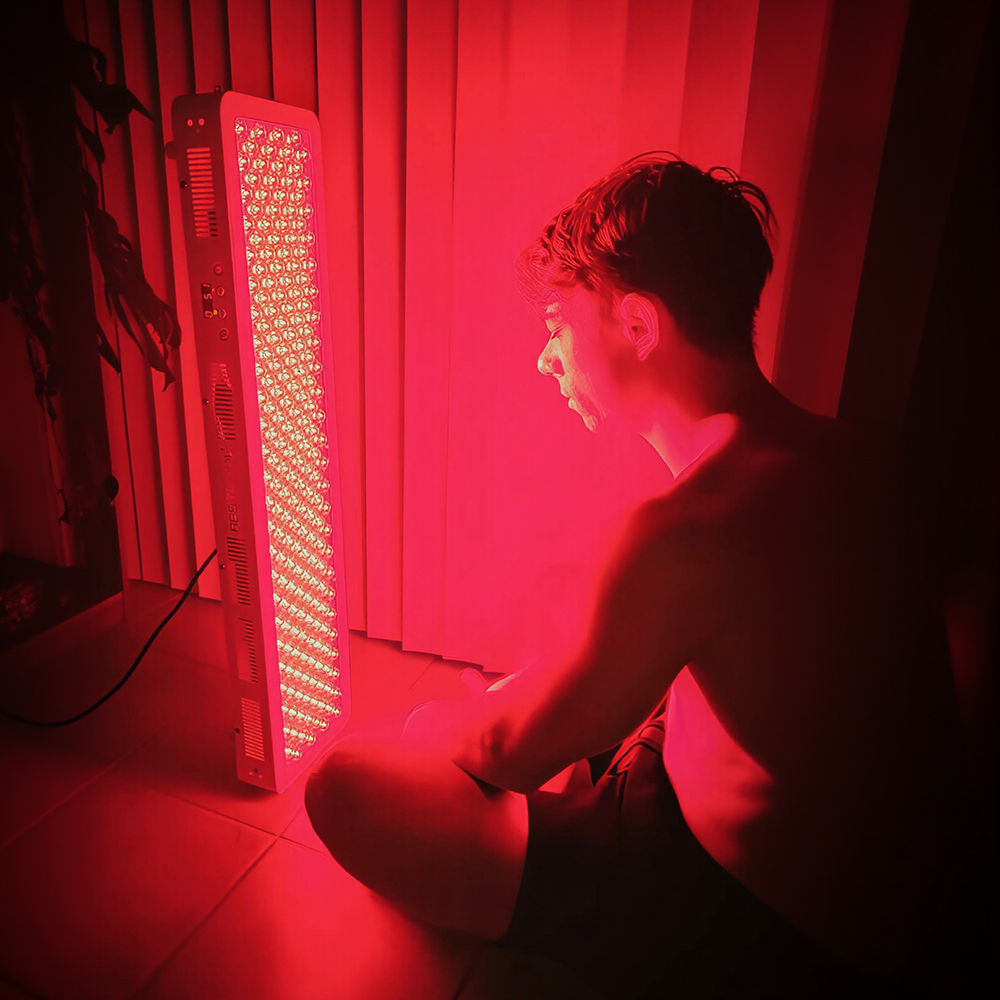
In the search for innovative solutions, a surprising candidate has emerged from the field of biophotonics: Photobiomodulation (PBM), commonly known as red light therapy. This article explores the theoretical basis, current evidence, and significant clinical hurdles associated with using red light therapy to combat this fatal infection.
The Standard of Care: A Critical Imperative for New Therapies
The current treatment landscape for PAM is grim. The mainstay of therapy remains Amphotericin B, often combined with other drugs like Miltefosine, Azithromycin, and Rifampin . However, these regimens are hindered by several critical limitations:
- Poor Efficacy: The rapid progression of the infection often outpaces the drug’s ability to control it.
- Limited Penetration: Achieving therapeutic concentrations of drugs in the central nervous system (CNS) is a major challenge due to the blood-brain barrier (BBB) .
- Severe Toxicity: Amphotericin B is notorious for its nephrotoxicity, adding a layer of risk to an already critical situation .
As Dr. Siddiqui et al. note in a recent review, despite advances in understanding the pathogen, “therapeutic options remain limited” and mortality rates remain high . This desperate clinical reality is the driving force behind exploring unconventional therapies such as photobiomodulation.
The Science of Photobiomodulation (PBM) and Antimicrobial Action
Photobiomodulation is the process by which cells are exposed to low-level red or near-infrared (NIR) light to stimulate cellular function. The primary mechanism is the absorption of photons by cytochrome c oxidase in the mitochondria, leading to increased ATP production and the modulation of reactive oxygen species (ROS) .
While PBM is more widely known for its wound-healing and anti-inflammatory properties, recent research demonstrates its potential as an immunomodulatory agent and an indirect antimicrobial tool.
Evidence of PBM’s Antimicrobial Potential
- Enhancing Host Defense: A 2024 study published in the Journal of Dental Research demonstrated that PBM (using red light at 615 nm and NIR at 880 nm) could shift the response of human cells from a pro-inflammatory to an antimicrobial one. The researchers found that light treatment significantly enhanced the production of antimicrobial peptides (such as human β-defensins) and improved the cells’ ability to resist cytotoxic effects when challenged with viable pathogens . While this study focused on oral pathogens, the core principle of enhancing a host cell’s innate antimicrobial response could be a theoretical mechanism for combating N. fowleri infection.
- Managing Inflammation and Oxidative Stress: PAM is characterized by a massive and destructive inflammatory response that contributes significantly to brain damage and death. PBM has consistently been shown to reduce pro-inflammatory cytokines (like TNF-α and IL-1β) and enhance antioxidant defenses . This ability to quell the neuroinflammatory “storm” that follows N. fowleri infection could be a potential therapeutic benefit, even if the light does not directly kill the amoeba .
Theoretical Application to Naegleria fowleri
The theoretical model for applying red light therapy to PAM rests on two potential mechanisms:
- Indirect Amoebicidal Effect via ROS: Exposure to specific wavelengths of light can trigger the production of ROS within cells. In some contexts, this oxidative burst can be toxic to pathogens . If PBM could stimulate host cells (such as microglia or macrophages) to produce a sufficiently high, localized level of ROS at the infection site, it might theoretically help damage the amoebae. Research on ginsenosides shows that inducing apoptosis-like death in N. fowleri is linked to increased ROS production and mitochondrial dysfunction .
- Neuroprotection: By modulating the host’s inflammatory response and reducing oxidative stress, PBM could serve as a neuroprotective adjunct. It might help preserve neural tissue during the critical window while pharmaceutical agents attempt to act, potentially improving survival outcomes.
The Critical Clinical Hurdles
Despite the theoretical appeal, the path from laboratory concept to clinical treatment for PAM is fraught with practically insurmountable obstacles.
Conclusion
The specter of Naegleria fowleri infection demands innovative and aggressive therapeutic research. The biological mechanisms of photobiomodulation—specifically its ability to modulate inflammation and enhance host cellular immunity—make it a tantalizing area of study. The concept of using PBM as an adjunctive therapy to manage the devastating neuroinflammation caused by PAM, or as a tool to stimulate local immune defenses, is scientifically plausible.
However, in the context of an almost universally fatal infection, plausibility is not enough. The devastating reality of PAM requires treatments that are fast-acting, highly specific, and capable of reaching the deep recesses of the brain.
The consensus among the scientific community, based on current evidence, is that while PBM holds immense promise for a variety of inflammatory and infectious diseases , its application to Naegleria fowleri remains a theoretical construct.
The battle against this pathogen will likely be won through novel pharmaceutical agents capable of crossing the blood-brain barrier, such as new anti-amoebic compounds , combination therapies , or advancements in targeted drug delivery .
Primary References:
- Tanum, J., et al. (2024). Photobiomodulation of Gingival Cells Challenged with Viable Oral Microbes. Journal of Dental Research.
- Siddiqui, R., et al. (2026). Emerging therapies against infections due to free-living amoebae. Expert Review of Anti-infective Therapy.
- Fong, H., & Debnath, A. (2026). The Activity of FDA-Approved Prodrug Isavuconazonium Sulfate… Pharmaceutics.
- Amaral, A. L., Aoki, A., & Andrade, S. A. (2024). Could light be a broad-spectrum antimicrobial? Evidence-Based Dentistry.