 Free Shipping
  Buy Now, Pay Later
  Eligible

The Emerging Frontier: Evaluating Red Light Therapy for Entamoeba histolytica Infection
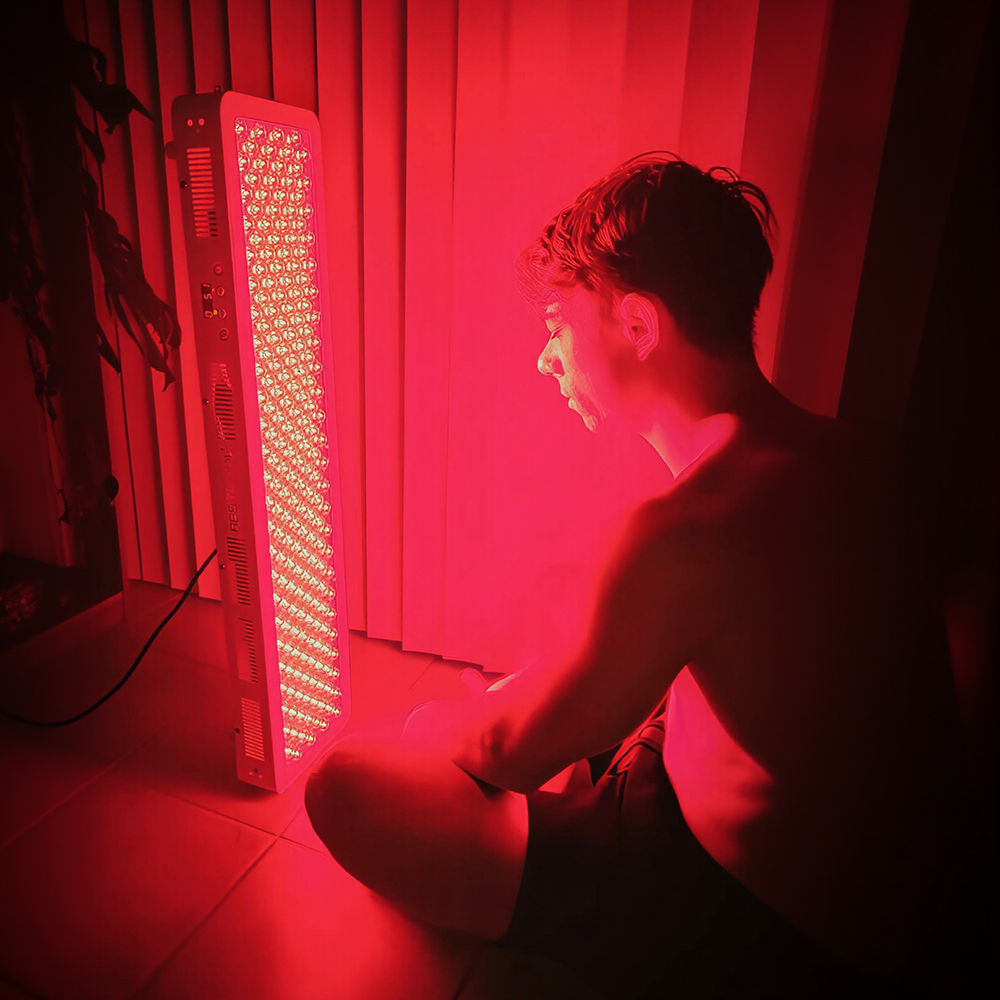
Entamoeba histolytica, the protozoan parasite responsible for amebiasis, remains a significant cause of morbidity and mortality worldwide, particularly in developing regions with inadequate sanitation. While conventional pharmacotherapy with nitroimidazoles and luminal agents remains the standard of care, rising concerns regarding drug resistance and treatment side effects have prompted investigation into alternative therapeutic modalities. This article examines the current scientific evidence for red light therapy—encompassing both photobiomodulation (PBMT) and antimicrobial photodynamic therapy (aPDT)—as a potential intervention for E. histolytica infection. Drawing upon peer-reviewed research and established photobiological principles, we evaluate the mechanistic rationale, existing evidence, and clinical considerations for this novel approach.
Introduction
Entamoeba histolytica infection affects an estimated 50 million individuals annually, resulting in up to 100,000 deaths from amebic colitis and extraintestinal abscess formation . Current treatment protocols employ tissue-acting agents such as metronidazole for invasive disease, followed by luminal cysticides like paromomycin or iodoquinol to eradicate intestinal colonization. However, treatment failure, adverse effects, and concerns regarding emerging resistance have spurred interest in alternative therapeutic strategies .
Photobiomodulation therapy—the application of low-intensity red and near-infrared light to stimulate cellular processes—has demonstrated antimicrobial and immunomodulatory properties across multiple pathogens . This has led to a compelling question: can red light therapy offer a viable adjunctive or alternative approach to managing E. histolytica infection?
Mechanistic Principles: How Red Light Therapy May Affect E. histolytica
Photobiomodulation vs. Photodynamic Therapy
It is essential to distinguish between two distinct phototherapeutic mechanisms:
Direct Antimicrobial Effects
Research has established that red light (620–750 nm) can exert direct antimicrobial effects, particularly when combined with photosensitizing agents such as methylene blue or erythrosin B . The mechanism involves photoexcitation of the sensitizer, leading to energy transfer to molecular oxygen and subsequent production of singlet oxygen and other reactive oxygen species capable of damaging parasite membranes, proteins, and nucleic acids.
A landmark patent disclosure describes the use of photosensitizing dyes combined with electromagnetic radiation to combat gastrointestinal protozoa, specifically naming Entamoeba histolytica among susceptible organisms . The method involves causing the parasites to incorporate photosensitizing dyes, followed by exposure to visible light to initiate lethal oxidative reactions. This approach exploits the parasite’s life cycle stages that are accessible to light exposure outside the host .
Host-Directed Effects
Recent research on gingival keratinocytes challenged with viable microbes demonstrated that red light pretreatment (615 nm) significantly enhanced cell viability and proliferation, maintained cellular confluence, and induced production of antimicrobial peptides including human β-defensins and lysozyme . Critically, the red light pretreatment did not directly affect microbial viability—rather, it enhanced the host cells’ intrinsic antimicrobial capacity .
Dr. Sérgio Araújo Andrade and colleagues, in a commentary published in Evidence-Based Dentistry, noted that “red light (620–750 nm) is the wavelength most commonly used in aPDT, presenting superior tissue penetration capability compared to blue and green light,” while both red and infrared light “act directly as photobiomodulation agents, promoting tissue repair with greater penetration depth for the infrared spectrum” .
This dual mechanism—direct pathogen killing when combined with appropriate photosensitizers, and host immunomodulation through PBMT—presents a multifaceted rationale for investigating red light therapy in amebiasis.
Evidence from Related Protozoan Infections
Leishmania
A study investigating the effects of visible light wavelengths on Leishmania tropica demonstrated that red light at 644 nm significantly inhibited parasite growth . The researchers concluded that “red colour inhibits the growth of parasite so patients suffering from L. tropica can be treated with the application of red colour” . This provides a direct precedent for susceptibility of related protozoan parasites to red light exposure.
Photodynamic Approaches to Malaria
Research on antimicrobial photodynamic therapy for malaria has shown promising results. Studies utilizing riboflavin (vitamin B2) as a photosensitizer, activated by UV and blue light, demonstrated efficacy against Plasmodium falciparum without the toxicity concerns associated with other photosensitizers . This approach has been validated through clinical research conducted in Nigeria, where the most severe form of malaria is prevalent .
In Vitro Protozoan Studies
Evaluation of photodynamic therapy with curcumin against Leishmania braziliensis and L. major amastigotes has shown that the combination of light therapy with photosensitizers reduces parasite survival and slows parasitic growth . These findings support the broader applicability of phototherapeutic principles to protozoan pathogens.
Evidence for E. histolytica-Specific Application
Direct experimental evidence for red light therapy against E. histolytica remains limited. However, several lines of evidence support its potential efficacy:
- Classification as a photosensitization target: The foundational patent literature explicitly includes Entamoeba histolytica among pathogenic Amoebidae susceptible to photodynamic inactivation when the parasite incorporates a photosensitizing dye .
- Life cycle accessibility: E. histolytica exists in both trophozoite and cyst forms. The cyst stage is environmentally resistant and can survive outside the host, potentially making it amenable to photodynamic approaches .
- Oxidative vulnerability: The parasite’s susceptibility to oxidative stress is well-documented, providing a mechanistic basis for ROS-mediated photodynamic killing.
- Gastrointestinal delivery potential: Red light’s tissue penetration capability—superior to blue and green light—may enable delivery to intestinal tissues where E. histolytica resides .
Safety and Practical Considerations
Advantages of Red Light Approaches
Limitations and Risks
The primary limitation of phototherapy for gastrointestinal infections is the challenge of delivering adequate light to the intestinal lumen. While red light penetrates tissue more effectively than shorter wavelengths, significant attenuation occurs over distance. Endoscopic or ingestible light-delivery devices may be required for practical application.
Dr. Amaral and colleagues emphasize that “there is a limitation regarding the depth of penetration of certain wavelengths into infected areas,” and “there is a need for additional studies to determine the safety and efficacy of various approaches using light at its different wavelengths” .
Proposed Research Agenda
To establish red light therapy as a viable option for E. histolytica infection, a systematic research program is required:
- In vitro susceptibility testing: Assess E. histolytica trophozoites and cysts for susceptibility to red light exposure, both alone and with photosensitizers.
- Photosensitizer screening: Evaluate candidate agents including methylene blue, erythrosin B, curcumin, and riboflavin for selective uptake by E. histolytica.
- Animal model studies: Utilize established models of amebic colitis to assess in vivo efficacy and optimal delivery parameters.
- Clinical feasibility assessment: Develop and test light delivery systems for intestinal application.
- Safety evaluation: Assess potential effects on the gut microbiome and intestinal epithelium.
Conclusion
The application of red light therapy for Entamoeba histolytica infection represents an intriguing frontier at the intersection of photobiology and parasitology. While direct evidence remains preliminary, the established principles of antimicrobial photodynamic therapy, the documented susceptibility of related protozoa, and the explicit inclusion of E. histolytica in phototherapeutic patents provide a compelling rationale for systematic investigation.
Red light therapy offers several potential advantages: direct pathogen killing when combined with photosensitizers, host immunomodulation via PBMT, avoidance of drug resistance mechanisms, and a favorable safety profile. However, practical challenges related to light delivery to the gastrointestinal tract must be addressed before clinical translation.
As antimicrobial resistance continues to challenge conventional pharmacotherapy, light-based approaches warrant serious consideration as part of the therapeutic armamentarium against parasitic infections. The path forward requires rigorous scientific investigation to translate this promising concept into clinical reality.
References
- Patent US4846789. Combatting internal parasites in warm blooded animals. Google Patents.
- Tanum J, Kim HE, Lee SM, Kim A, Korostoff J, Hwang G. Photobiomodulation of Gingival Cells Challenged with Viable Oral Microbes. J Dent Res. 2024;103(7):745-754.
- Azeemi STY, Raza SM, Yasinzai M, et al. Effects of different colours in the visible region on Leishmania Tropica. Adv Biosci Biotechnol. 2011;2(5).
- Amaral AL, Aoki A, Andrade SA. Could light be a broad-spectrum antimicrobial? Evid Based Dent. 2024;25:192-193.