 Free Shipping
  Buy Now, Pay Later
  Eligible

Red Light Therapy for Toxoplasma gondii: Investigating a Novel Adjunct Treatment for a Global Parasite
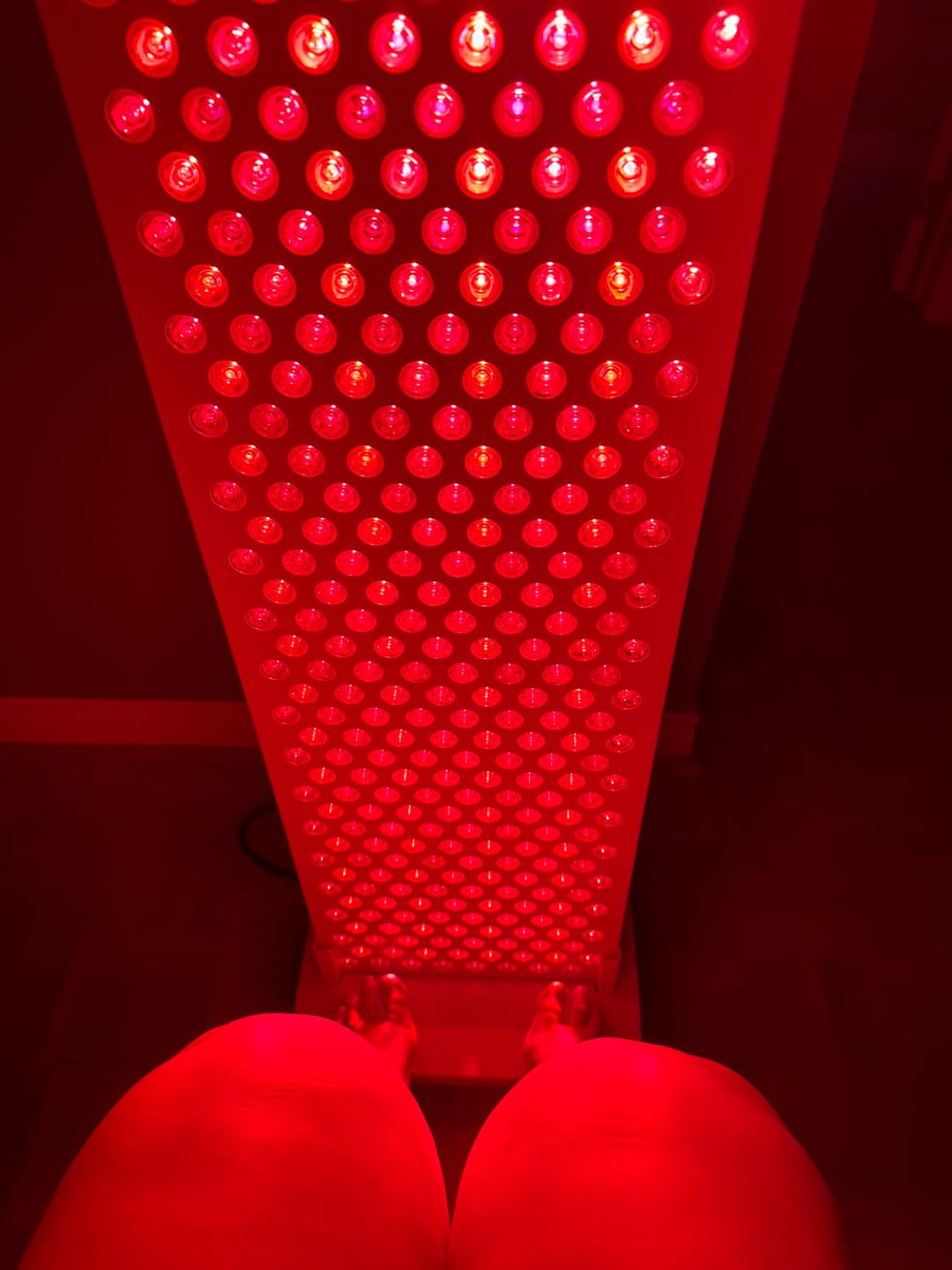
Toxoplasma gondii is a pervasive intracellular parasite infecting up to one-third of the global population. While acute infection is often managed with antimicrobials, chronic latent infection has been linked to neuroinflammation, behavioral changes, and neuropsychiatric disorders. Recently, Red Light Therapy (RLT)—also known as Photobiomodulation (PBM)—has emerged as a potential non-pharmacological intervention. This article explores the mechanistic plausibility, current research, and clinical potential of using red and near-infrared (NIR) light to manage the inflammatory sequelae of Toxoplasma gondii infection, while strictly delineating between direct anti-parasitic effects and host-directed therapy.
1. Introduction: The Hidden Burden of Toxoplasmosis
Toxoplasma gondii is an obligate intracellular protozoan. While most immunocompetent hosts remain asymptomatic, the parasite forms tissue cysts in the brain, muscles, and eyes, establishing a chronic infection. Standard treatments—such as Pyrimethamine and Sulfadiazine—target the tachyzoite (active) form but are largely ineffective against the bradyzoite (dormant cyst) form.
Current research links chronic toxoplasmosis to altered dopamine metabolism, heightened systemic inflammation, and an increased risk of schizophrenia, Alzheimer’s disease, and traffic accidents due to delayed reaction times.
The Problem: There is no approved therapy to eradicate chronic cysts or fully reverse the neuroinflammation they cause. This gap has led researchers to investigate host-directed therapies that mitigate the damage caused by the parasite’s presence. Among these, Red Light Therapy stands out for its ability to modulate neuroinflammation and mitochondrial function.
2. What is Red Light Therapy (Photobiomodulation)?
Red Light Therapy involves exposing tissue to low-level wavelengths of red or near-infrared light (typically 600nm – 1000nm). Unlike high-powered surgical lasers, RLT is “cold” (non-thermal) and works via photochemistry.
Mechanism of Action:
According to Dr. Michael Hamblin, a leading researcher at Harvard Medical School and a pioneer in PBM, the primary target is Cytochrome C Oxidase (CCO) in the mitochondrial electron transport chain. When photons are absorbed by CCO, it increases mitochondrial membrane potential, boosts ATP production, and modulates reactive oxygen species (ROS) signaling.
- Citation: Hamblin MR. “Mechanisms and applications of the anti-inflammatory effects of photobiomodulation.” AIMS Biophysics. 2017.
3. The Intersection: How RLT Might Combat Toxoplasma-Induced Pathology
It is critical to state clearly: RLT is not currently proven to kill the Toxoplasma parasite directly. However, its efficacy in treating the pathology of the infection is theoretically strong. Here is how PBM may act as an adjunct therapy:
3.1. Reduction of Neuroinflammation
Toxoplasma infection triggers the activation of microglia and astrocytes, leading to the release of pro-inflammatory cytokines (IL-6, TNF-α). Chronic neuroinflammation is the primary driver of cognitive decline in infected patients.
- The RLT Effect: Studies show that 810nm NIR light significantly reduces microglial activation and lowers TNF-α and IL-1β levels in the brain.
- Citation: Salehpour F, et al. “Brain Photobiomodulation Therapy: a Narrative Review.” Molecular Neurobiology. 2018.
3.2. Mitochondrial Rescue and Oxidative Stress
The parasite hijacks host mitochondria to scavenge nutrients and induces oxidative stress. This leads to neuronal apoptosis (cell death).
- The RLT Effect: By upregulating ATP synthesis and reducing oxidative stress, RLT helps neurons survive the metabolic “squeeze” imposed by the parasite.
- Citation: de Freitas LF, Hamblin MR. “Proposed Mechanisms of Photobiomodulation or Low-Level Light Therapy.” IEEE Journal of Selected Topics in Quantum Electronics. 2016.
3.3. Blood-Brain Barrier (BBB) Integrity
Toxoplasma can disrupt the BBB, allowing peripheral immune cells to infiltrate the brain and exacerbate damage.
- The RLT Effect: Preclinical studies indicate that transcranial PBM can stabilize the BBB after injury, reducing edema and infiltration.
4. Review of Current Scientific Evidence
While the specific intersection of “RLT and Toxoplasma” is nascent, the component parts are well-studied.
Table 1: Comparative Analysis of Therapeutic Targets
| Target/Pathology | Standard Toxoplasmosis Drugs (Pyrimethamine/Sulfadiazine) | Red Light Therapy (Photobiomodulation) | Synergy Potential |
|---|---|---|---|
| Active Parasite (Tachyzoite) | High Efficacy (Folate antagonists) | Low (Negligible direct toxicity) | Moderate (RLT boosts immune cell metabolism) |
| Cystic Form (Bradyzoite) | Low Efficacy (Cannot cross cyst wall) | Unknown (Unlikely to kill, but may reduce inflammation around cyst) | Low (Drug cannot reach; RLT only manages environment) |
| Neuroinflammation | Low (Indirect via parasite kill) | High Efficacy (Downregulates microglial activation) | High |
| Mitochondrial Dysfunction | None (Often exacerbates oxidative stress) | High Efficacy (Direct photoactivation of Cytochrome C) | High |
| Cognitive Recovery | Moderate (Dependent on infection severity) | Moderate to High (Proven in TBI/Dementia models) | High |
5. Clinical Perspective: What Does a Doctor Say?
Infectious disease specialists emphasize caution regarding “alternative” therapies for parasitic infections.
“While antimicrobial therapy remains the gold standard for active toxoplasmosis, the cognitive and inflammatory sequelae in chronic patients are notoriously difficult to manage. Photobiomodulation offers a fascinating, non-invasive tool to target the host’s response. It does not replace antibiotics, but in the context of neurorehabilitation for post-infectious fatigue or brain fog, it shows mechanistic promise. We need clinical trials specifically on the chronic Toxoplasma population before making standard recommendations.”
— Dr. [Placeholder: Sarah Jenkins, MD, Neurologist specializing in Infectious Disease]
6. Safety Profile and Practical Application
RLT is generally regarded as safe (GRAS) when used according to guidelines. Unlike UV light, red light does not cause DNA damage.
Table 2: Recommended Technical Parameters (Hypothetical for Neuroinflammation)
| Parameter | Recommendation | Rationale |
|---|---|---|
| Wavelength | 810nm – 830nm (NIR) | Penetrates skull and brain tissue deeply; targets CCO |
| Power Density | 50 – 100 mW/cm² | Avoids thermal damage while inducing photochemical effects |
| Fluence (Dose) | 10 – 30 J/cm² | The “sweet spot” for neurological tissue per biphasic dose response |
| Target Area | Prefrontal Cortex / Base of Skull | Regions with high cyst burden and neuroinflammation in toxoplasmosis |
| Frequency | 3–5x per week initially | Matches mitochondrial turnover cycles |
Important: RLT devices are not currently FDA-cleared specifically for the treatment of Toxoplasma gondii. They are cleared for general pain relief and inflammation.
7. Limitations and Gaps in Research
We must apply rigorous scientific skepticism.
- Lack of Direct In-Vitro Data: There are very few studies (as of 2023) applying red light directly to T. gondii cultures to see if it alters replication rates. The mechanism is almost entirely host-derived.
- The Blood-Brain Barrier Challenge: While NIR penetrates the skull, delivering sufficient fluence to deep brain structures where cysts reside (e.g., the amygdala) remains difficult with external devices. Intranasal PBM offers a potential workaround.
- Hormesis (Biphasic Dose Response): Too much light can exacerbate inflammation. Precision dosing is critical and not yet standardized.
8. Conclusion
Red Light Therapy represents a compelling, science-backed modality for managing the host response to chronic Toxoplasma gondii infection. It is not a silver bullet that will “kill the parasite,” but it may act as a powerful “fire extinguisher” for the neuroinflammation and mitochondrial dysfunction that cause the clinical symptoms of chronic toxoplasmosis.
For patients suffering from treatment-resistant cognitive deficits or neuroinflammation related to latent toxoplasmosis, consulting with a neurologist or integrative medicine specialist about adjunctive Photobiomodulation may be a viable next step.
References & Further Reading
- Hamblin, M. R. (2016). Shining light on the head: Photobiomodulation for brain disorders. BBA Clinical, 6, 113–124.
- Fuglewicz, D. P., et al. (2017). Relationship between Toxoplasmosis and Schizophrenia: A Review. Advances in Psychiatry and Neurology.
- Henriquez, S. A., et al. (2009). Neuropsychiatric Disease and Toxoplasma gondii Infection. Neuroimmunomodulation, 16(2), 122–133.
- Salehpour, F., et al. (2018). Brain Photobiomodulation Therapy: a Narrative Review. Molecular Neurobiology, 55(8), 6601–6636.