 Free Shipping
  Buy Now, Pay Later
  Eligible

Does Red Light Therapy Help with Labyrinthitis? A Comprehensive Medical Review
Bottom Line: Labyrinthitis is an inflammatory condition of the inner ear that can cause debilitating vertigo, hearing loss, and tinnitus. While red light therapy (also called photobiomodulation or PBM) has shown promising anti-inflammatory and neuroprotective effects in preliminary inner ear research, no clinical trials have specifically tested red light therapy for labyrinthitis in humans. The evidence that does exist—from animal models of vestibular dysfunction and human studies on related conditions—suggests PBM may offer therapeutic benefits, but it should be considered an adjunctive therapy rather than a standalone treatment, and only under medical supervision.
Understanding Labyrinthitis: The Clinical Challenge
Labyrinthitis involves inflammation of the inner ear’s membranous labyrinth, which contains both the cochlea (hearing organ) and vestibular apparatus (balance organ). This distinguishes it from vestibular neuritis, which affects only the vestibular nerve without hearing involvement.
The condition typically presents acutely with severe vertigo, nausea, vomiting, and disequilibrium. Unlike vestibular neuritis, labyrinthitis frequently includes sensorineural hearing loss and tinnitus due to cochlear inflammation. Viral infections represent the most common cause, though bacterial infections from complicated otitis media can also spread to the inner ear.
Conventional treatment follows a symptomatic approach: systemic corticosteroids to reduce inflammation, vestibular suppressants for acute vertigo, antiemetics for nausea, and long-term vestibular rehabilitation to promote central compensation. In bacterial cases, antibiotics are essential. The prognosis varies—viral labyrinthitis often recovers hearing, while suppurative (bacterial) labyrinthitis typically causes irreversible hearing loss.
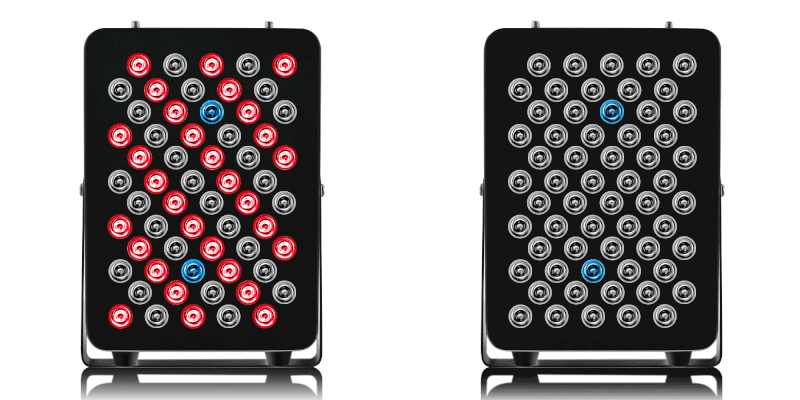
VELLGUS Elite V2
THE #1 RATED RED LIGHT DEVICE
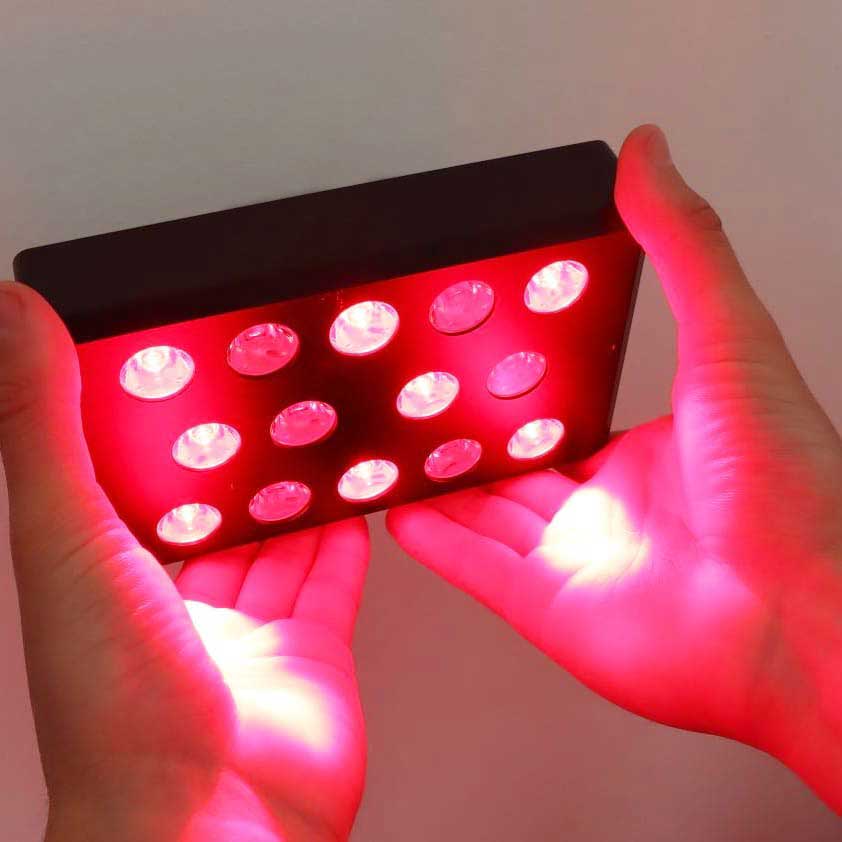
Vellgus Red Light Elite V2 is an incredible way to experience the benefits of multiwave technology spectrum: 480nm 630nm, 660nm, 810nm, 830nm, 850nm. No other red/NIR light device available provides the multi-wave R+| NIR+ spectral output.
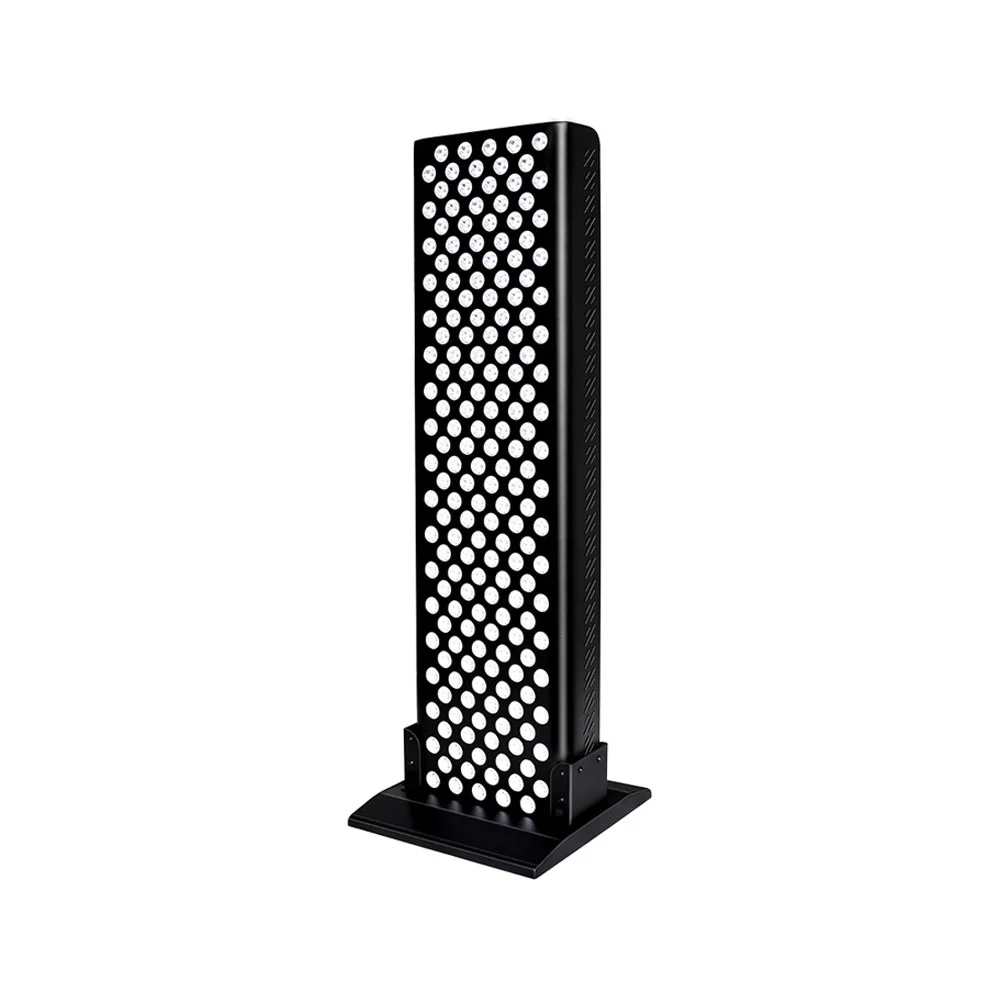
VELLGUS max 300
THE #1 RATED FULL BODY RED LIGHT DEVICE
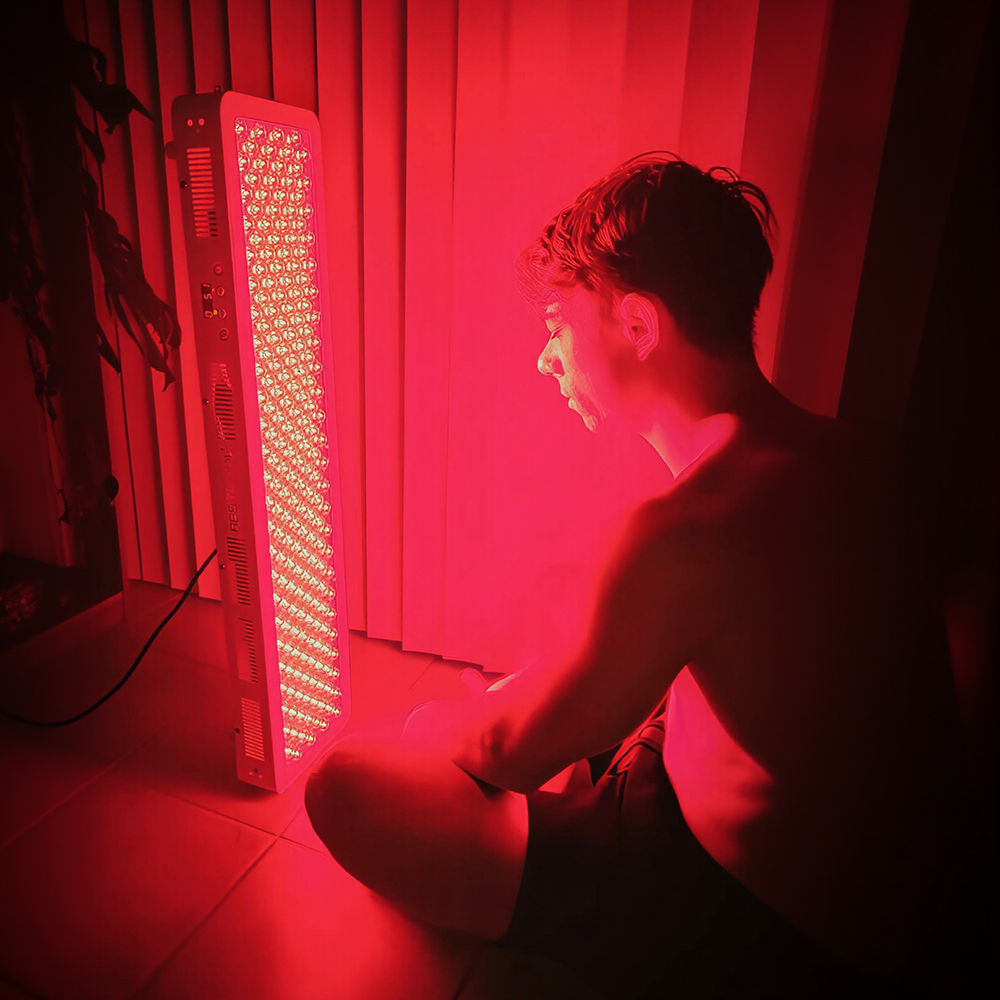
Upgrade your red light therapy experience and take it to the next level with VELLGUS Red Light Max 300. This device is specifically designed for those wanting a brighter and more intense red light treatment
What Is Red Light Therapy (Photobiomodulation)?
Photobiomodulation (PBM) uses non-ionizing light sources—lasers or light-emitting diodes (LEDs)—at red (630–670 nm) and near-infrared (800–1100 nm) wavelengths to modulate cellular function. The primary mechanism involves cytochrome c oxidase, a mitochondrial enzyme that acts as a photoreceptor. Light absorption increases mitochondrial membrane potential, ATP production, and modulates reactive oxygen species, triggering downstream anti-inflammatory and cytoprotective effects.
In the context of ear conditions, PBM has demonstrated the ability to:
- Reduce pro-inflammatory cytokines (IL-1β, IL-6, TNF-α) in middle ear epithelial cells
- Protect spiral ganglion neurons and neural synapses in auditory neuropathy models
- Improve vestibular function in gentamicin-induced vestibulopathy
| PBM Parameter | Typical Range | Mechanistic Significance |
|---|---|---|
| Wavelength | 630–670 nm (red); 800–1100 nm (NIR) | Red: superficial tissue; NIR: deeper penetration |
| Irradiance | 30–900 mW/cm² | Power density at target tissue |
| Fluence | 3–300 J/cm² | Total energy delivered per session |
| Delivery | Trans-tympanic, trans-canal, or external | Access to inner ear structures |
Evidence for PBM in Inner Ear Conditions
Animal Model Evidence: Vestibular Protection
The most directly relevant evidence comes from a rat model of gentamicin-induced vestibulopathy. Lee et al. (2017) applied 830 nm PBM (30 min/day × 7 days) and found that treated animals showed normalized vestibular function on vestibulo-ocular reflex testing, with cupula histology returning to near-normal appearance. Control animals remained compromised. This study provides proof-of-concept that PBM can reach and protect vestibular structures.
Human Clinical Trial: Vestibular Symptoms and Tinnitus
A triple-blind randomized controlled trial published in 2026 examined PBM combined with vestibular rehabilitation in 20 adults with vestibular hypofunction and chronic tinnitus. The PBM group received active irradiation while controls received placebo. Results showed:
| Outcome Measure | PBM + VR Group | Placebo + VR Group | Statistical Significance |
|---|---|---|---|
| Tinnitus Handicap Inventory (total) | Significant improvement | No significant change | p = 0.000 |
| THI Functional domain | Significant improvement | No significant change | p = 0.003 |
| THI Emotional domain | Significant improvement | No significant change | p = 0.002 |
| Vestibular Function (Sensory Analysis) | Significant improvement | No significant change | p = 0.003 |
| Dizziness Handicap Inventory | Improved | Improved | No between-group difference |
The authors concluded that PBM significantly reduced tinnitus discomfort and showed superior performance in vestibular sensory analysis compared to rehabilitation alone. While this study did not specifically enroll labyrinthitis patients, the population had vestibular hypofunction—a core feature of labyrinthitis.
Related Evidence: Middle Ear Inflammation
A 2023 study demonstrated that dual red (655 nm) and NIR (842 nm) LED irradiation effectively suppressed LPS-induced otitis media in rats, reducing mucosal thickness, inflammatory cell infiltration, and pro-inflammatory cytokine expression through MAPK signaling blockade. Since bacterial labyrinthitis often originates from middle ear infection, this anti-inflammatory mechanism is clinically relevant.
Critical Limitation: No Direct Labyrinthitis Trials
A systematic review identified 17 eligible PBM studies in hearing research across animal, human, and ex vivo models, but noted substantial heterogeneity in wavelengths, doses, delivery methods, and endpoints. The authors emphasized that standardized dosimetry and independent replication are prerequisites for stronger clinical claims.
Expert Perspectives and Clinical Cautions
Dr. So-Young Chang and colleagues at the Department of Otolaryngology, Dankook University College of Medicine, have extensively studied PBM in auditory disorders. Their 2024 review concluded that PBM’s neuroprotective effects warrant further validation as an adjuvant strategy, particularly for preserving cochlear structures. However, they also demonstrated in a 2023 study that while PBM enhanced stem cell viability in damaged cochleae, it did not restore hearing in an auditory neuropathy model. This distinction between protection and regeneration is critical: PBM may help preserve remaining function but is unlikely to reverse established damage.
The Deutsche Tinnitus-Liga (German Tinnitus League) has issued a cautionary statement regarding red light devices marketed directly to consumers for ear conditions. They note that no serious studies support red light’s ability to reach the inner ear through external ear canal application, and the claim that radiation penetrates deeply enough to affect the auditory nerve is “physically untenable”. This is an important caveat: the PBM studies showing benefit used trans-tympanic or specialized delivery systems, not consumer ear buds.
Practical Considerations for Patients
| Consideration | Clinical Implication |
|---|---|
| Medical supervision required | PBM for inner ear conditions should only be performed by qualified practitioners using calibrated devices |
| Not a replacement for standard care | Corticosteroids, antivirals/antibiotics (if indicated), and vestibular rehabilitation remain first-line |
| Timing matters | Anti-inflammatory effects are likely most beneficial during acute/subacute phases |
| Realistic expectations | Evidence supports symptom modulation and protection, not hearing restoration |
| Consumer devices lack validation | Over-the-counter red light ear products have not been tested for inner ear efficacy or safety |
Frequently Asked Questions
1. Can red light therapy cure labyrinthitis?
No. There is no evidence that red light therapy can cure labyrinthitis or reverse its underlying causes. Labyrinthitis is typically viral or bacterial in origin, and the immune system must resolve the infection. Red light therapy may help manage symptoms (particularly tinnitus and vestibular dysfunction) and potentially reduce inflammation, but it is not a curative treatment. Standard medical care—including corticosteroids and, when indicated, antibiotics or antivirals—remains essential.
2. How does red light therapy reach the inner ear?
This is a legitimate concern. The inner ear is encased in the densest bone in the body (the otic capsule). Studies demonstrating inner ear effects used trans-tympanic delivery (through the eardrum) or surgically placed fibers in animal models. External application through the ear canal likely delivers minimal energy to the labyrinth. Consumer devices marketed for ear use typically lack evidence of adequate penetration.
3. Is red light therapy safe for labyrinthitis?
PBM is generally considered non-invasive with no reported adverse effects when used at appropriate doses. However, safety data specifically for labyrinthitis patients are lacking. Theoretically, applying thermal energy to an acutely inflamed inner ear could exacerbate symptoms in rare cases. Medical evaluation before initiating any light-based therapy is strongly advised.
4. What does the research actually show for balance and dizziness?
The strongest evidence comes from a human RCT showing that PBM combined with vestibular rehabilitation produced significantly better vestibular sensory function than rehabilitation alone. Animal studies show PBM can normalize vestibular function after chemical injury. These findings are encouraging but should be interpreted cautiously—the human study was small (20 participants) and did not specifically enroll labyrinthitis patients.
5. Should I ask my doctor about red light therapy for labyrinthitis?
Yes, but with realistic expectations. You can discuss whether PBM might be appropriate as an adjunct to your standard treatment plan, particularly if you have persistent vestibular symptoms or tinnitus after the acute phase. Ask specifically about the practitioner’s training, the device used, and whether the treatment protocol is based on published research. Be skeptical of any provider or product claiming red light therapy can replace corticosteroids or cure labyrinthitis outright.