 Free Shipping
  Buy Now, Pay Later
  Eligible

Does Red Light Therapy Help with Perichondritis? A Comprehensive Analysis
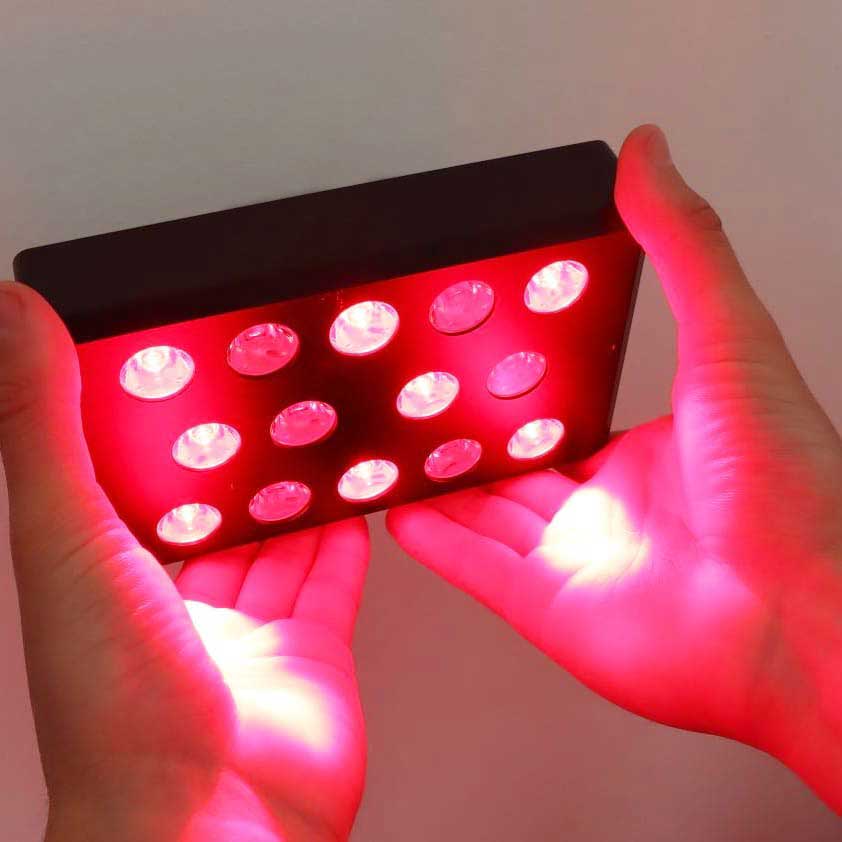
Understanding Perichondritis: A Clinical Perspective
Perichondritis is a serious inflammatory condition affecting the perichondrium—the connective tissue layer that surrounds and nourishes ear cartilage. This condition most commonly affects the auricle (external ear) and can lead to significant morbidity if not properly treated, including cartilage necrosis, permanent deformity, and the characteristic “cauliflower ear” appearance . The infection typically develops following trauma, burns, insect bites, ear surgery, or ear piercings through the cartilaginous portion of the ear .
The clinical urgency of perichondritis cannot be overstated. A prospective observational study of 50 consecutive cases conducted at Mymensingh Medical College Hospital found that ear piercing was the most common predisposing factor (56.0%), with Pseudomonas aeruginosa (41.9%) and Staphylococcus aureus (27.9%) being the predominant isolates . Delayed presentation beyond three days significantly correlated with complications (p=0.023), underscoring the importance of timely intervention .
The Science of Red Light Therapy: Photobiomodulation Explained
Red light therapy, clinically termed photobiomodulation (PBM), uses non-ionizing light in the visible to near-infrared spectrum to promote tissue repair and regeneration . The therapeutic mechanism centers on the activation of cytochrome c oxidase (CCO)—a key photoreceptor located in the mitochondrial respiratory chain at complex IV .
When red or near-infrared light photons penetrate tissue, they dissociate inhibitory nitric oxide from CCO, stimulating the mitochondrial respiratory chain to produce adenosine triphosphate (ATP) and reactive oxygen species (ROS) . This cascade activates transcription factors including NF-κB and AP-1, which regulate immune responses, inflammatory pathways, and cellular proliferation .
The critical question for perichondritis treatment: Can these mechanisms modulate the severe inflammation and tissue destruction characteristic of auricular cartilage infection?
Inflammatory Modulation: What the Evidence Shows
Cytokine Regulation
The most compelling evidence for red light therapy’s potential in perichondritis lies in its demonstrated ability to modulate inflammatory cytokines—the same mediators that drive tissue destruction in perichondritis.
A 2025 randomized controlled trial investigating dual-wavelength PBM on monocytic response demonstrated remarkable anti-inflammatory effects. The study found that PBM significantly reduced levels of pro-inflammatory mediators including interleukin-1 beta (IL-1β) (p = 0.005), tumor necrosis factor-alpha (TNF-α) (p = 0.0003), and CXCL9 (p = 0.0042), while simultaneously increasing regulatory mediators such as interleukin-10 (IL-10) (p = 0.0009) and interleukin-1 receptor antagonist (IL-1RA) (p = 0.004) . This shift from a pro-inflammatory (M1) phenotype to an anti-inflammatory, tissue-repair (M2) profile represents exactly the type of immune modulation that could theoretically benefit perichondritis patients .
Cartilage-Specific Effects
Research specifically examining cartilage tissue has shown that PBM downregulates matrix metalloproteinases (MMPs)—enzymes that degrade cartilage extracellular matrix. A systematic review and meta-analysis involving eight animal studies found that low-level laser therapy significantly reduced levels of IL-1β, TNF-α, and MMP-13 in knee joint cartilage . MMP-13 is particularly relevant to perichondritis, as it is a collagenase that specifically degrades type II collagen—the primary structural component of ear cartilage.
Furthermore, studies on degenerative joint disease models have demonstrated that LED treatment can reduce serum concentrations of IL-6, a key pro-inflammatory cytokine involved in cartilage degradation . The LED-treated group showed serum IL-6 levels of 103.3 ± 12.38 pg/mL compared to 259.5 ± 47.74 pg/mL in untreated controls (p = 0.002) .
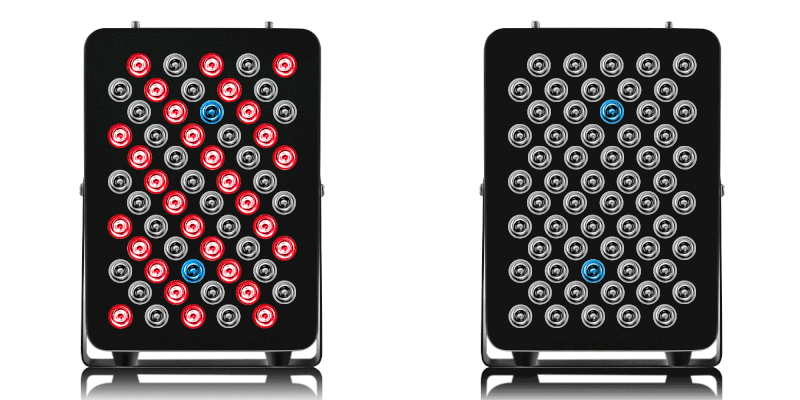
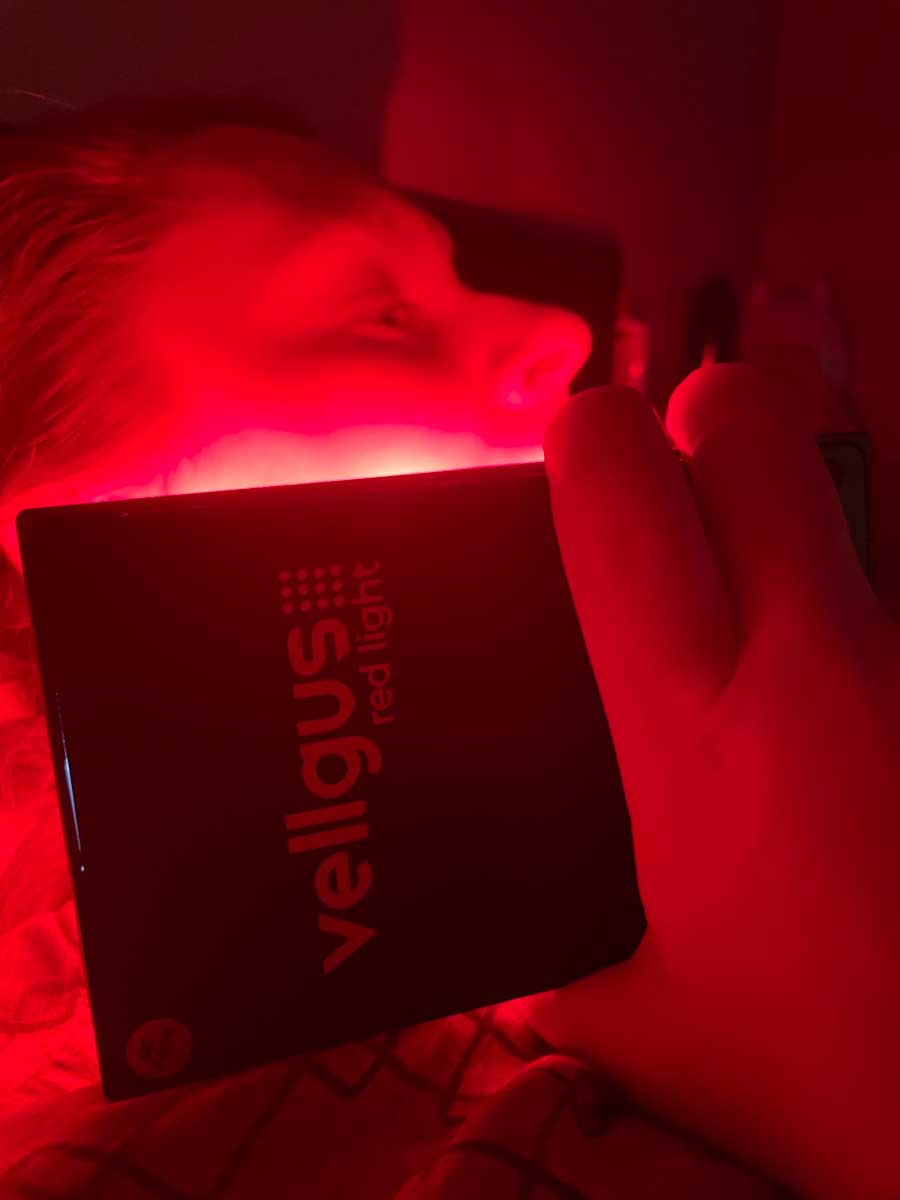
VELLGUS Elite V2
THE #1 RATED RED LIGHT DEVICE
Vellgus Red Light Elite V2 is an incredible way to experience the benefits of multiwave technology spectrum: 480nm 630nm, 660nm, 810nm, 830nm, 850nm. No other red/NIR light device available provides the multi-wave R+| NIR+ spectral output.
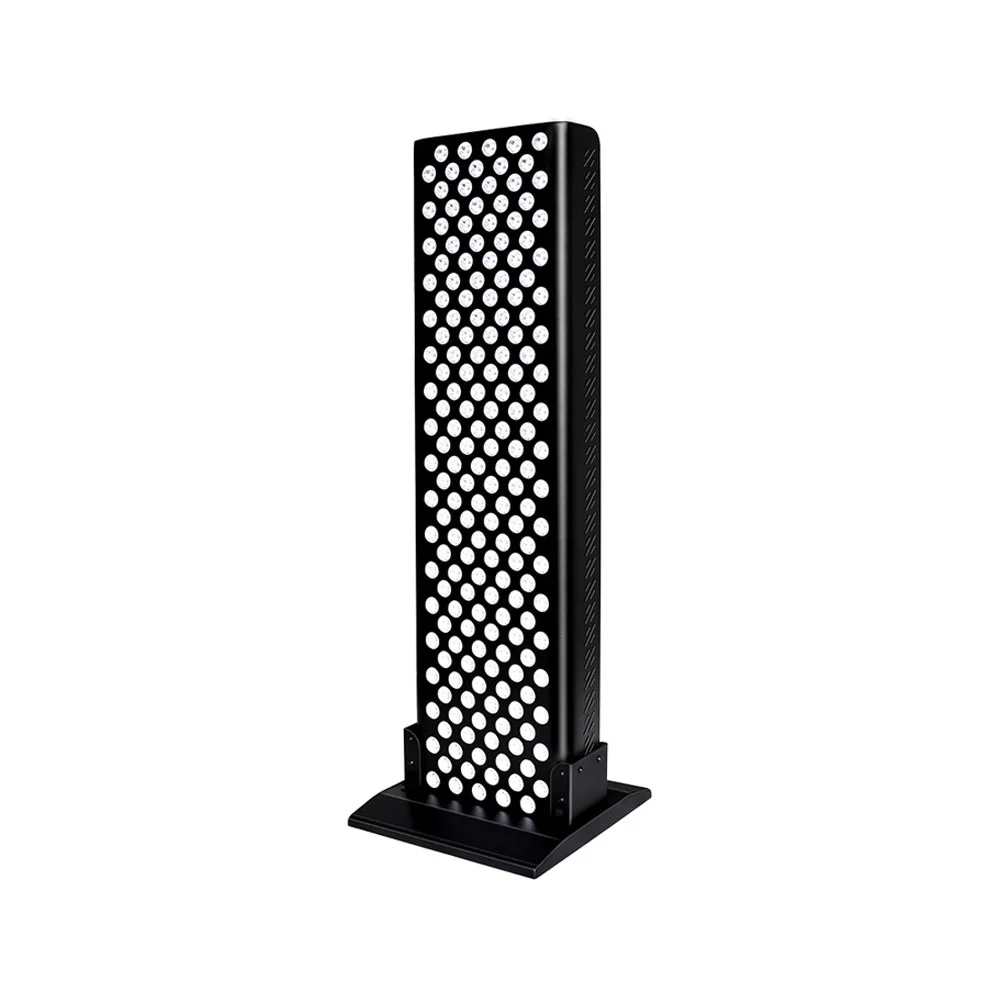
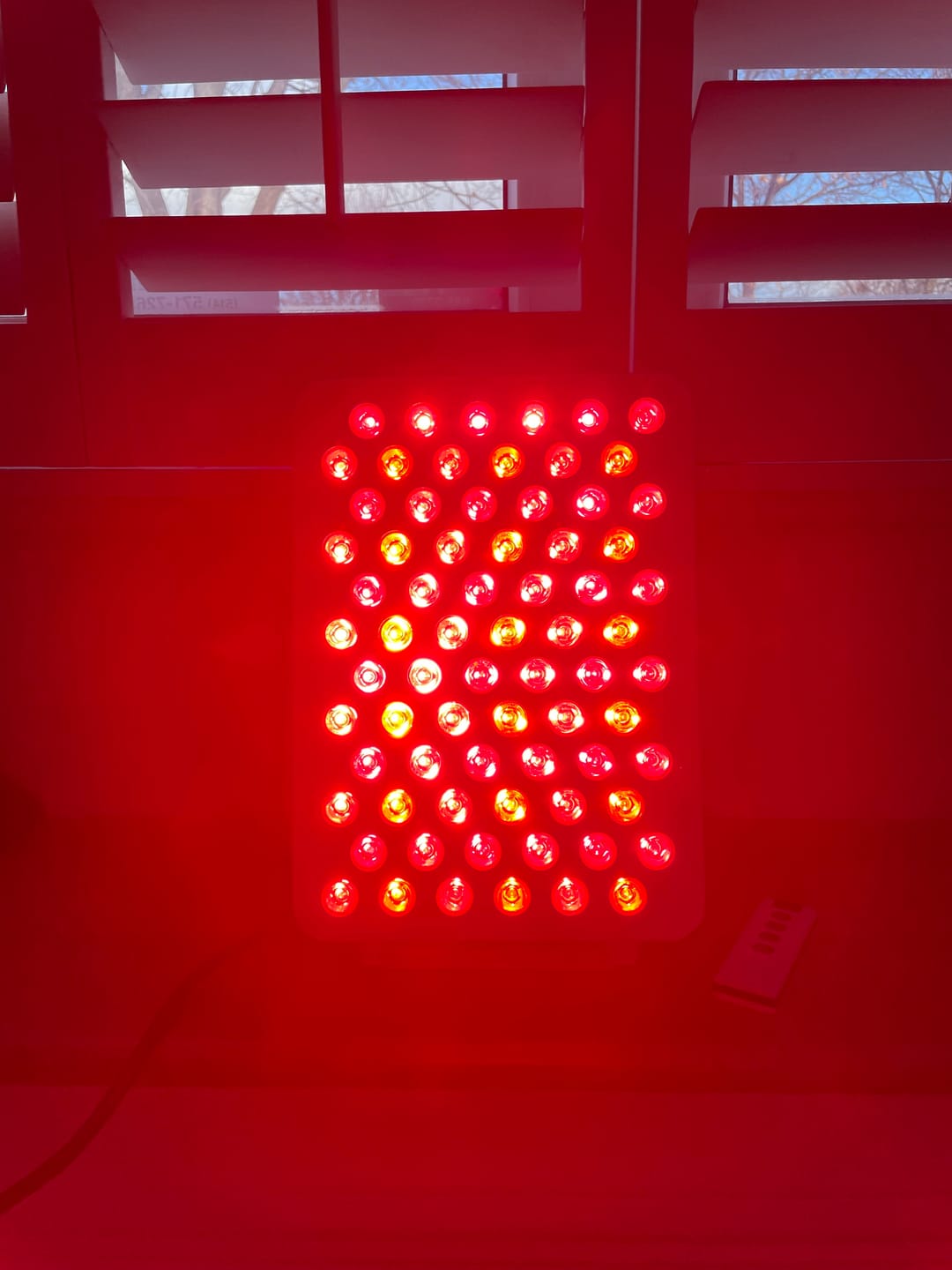
VELLGUS max 300
THE #1 RATED FULL BODY RED LIGHT DEVICE
Upgrade your red light therapy experience and take it to the next level with VELLGUS Red Light Max 300. This device is specifically designed for those wanting a brighter and more intense red light treatment
Comparison of Treatment Modalities for Perichondritis
Critical Limitations and Safety Considerations
Absence of Direct Clinical Evidence
No published clinical trials have specifically evaluated red light therapy for perichondritis. This is a critical limitation that must be transparently acknowledged. The evidence supporting PBM in this context is extrapolated from:
- Studies on inflammatory cytokine modulation in other conditions
- Cartilage repair research in osteoarthritis models
- General wound healing and tissue repair literature
Infection Risk Considerations
Perichondritis is fundamentally an infectious process. The primary treatment must be appropriate antimicrobial therapy guided by culture and sensitivity results . A study of 112 patients found that Pseudomonas aeruginosa was recovered in 58% of abscess cases, while Staphylococcus aureus predominated in non-abscess infections (49%) . Red light therapy has no direct bactericidal effect against these organisms and cannot substitute for antibiotic treatment.
Safety Precautions
Mayo Clinic dermatologist Dr. Dawn Davis emphasizes that patients should consult healthcare providers before using red light devices, noting that over-the-counter products “may not be effective or safe” . For perichondritis specifically, any light therapy should only be considered after appropriate antibiotic therapy has been initiated and under medical supervision.
Clinical Recommendations
Based on the available evidence, red light therapy should be positioned as a potential adjunctive modality for perichondritis—not a primary treatment. The theoretical benefits include:
- Inflammatory modulation during the acute phase
- Cartilage protection through MMP inhibition
- Tissue repair support during recovery
However, these benefits remain unproven in the specific context of auricular perichondritis. The standard of care remains prompt antibiotic therapy with coverage for Pseudomonas and Staphylococcus species .
Frequently Asked Questions
Can red light therapy cure perichondritis on its own?
No. Perichondritis is an infectious condition requiring appropriate antibiotic therapy. Red light therapy has no direct antibacterial effect against Pseudomonas aeruginosa or Staphylococcus aureus, the primary causative organisms . Any use of PBM must be as an adjunct to—not a replacement for—evidence-based antimicrobial treatment.
What does the scientific evidence actually show about red light therapy for ear cartilage inflammation?
There are no published clinical trials specifically evaluating red light therapy for perichondritis. The evidence is extrapolated from studies showing PBM can reduce inflammatory cytokines (IL-1β, TNF-α) and protect cartilage matrix in other conditions . While mechanistically plausible, this does not constitute clinical proof of efficacy for perichondritis.
Is red light therapy safe for ear infections?
Red light therapy is generally considered safe when used appropriately, but safety in the context of acute infection requires caution. A healthcare provider must first confirm that the condition is properly diagnosed and that appropriate antibiotic therapy has been initiated. Using light therapy without addressing the underlying infection could delay effective treatment and allow disease progression .
How does red light therapy compare to standard antibiotic treatment for perichondritis?
Red light therapy and antibiotics serve entirely different therapeutic roles. Antibiotics address the cause (bacterial infection), while PBM may modulate the body’s response (inflammation, tissue repair). Studies show that appropriate antibiotic selection achieves complete clinical resolution in 94% of perichondritis cases, with mean treatment duration of 14.2 ± 3.8 days . No comparable outcome data exists for red light therapy in this condition.
Should I use an at-home red light device for ear pain and swelling?
No—seek medical evaluation first. Ear pain and swelling require proper diagnosis to distinguish perichondritis from other conditions (otitis externa, relapsing polychondritis, trauma). Delayed presentation beyond three days significantly correlates with complications (p=0.023) . Mayo Clinic dermatologist Dr. Dawn Davis specifically advises consulting a physician before using over-the-counter light therapy devices, as they “may not be effective or safe” .