 Free Shipping
 Buy Now, Pay Later
 Eligible

Does Red Light Therapy Help with Wild Parsnip? A Clinical Analysis of Photobiomodulation for Phytophotodermatitis
Bottom line: There is no direct clinical evidence that red light therapy treats wild parsnip burns. However, the underlying mechanisms of photobiomodulation—specifically its ability to modulate inflammation and accelerate tissue repair—suggest it may serve as a supportive adjunctive modality for symptom management, provided it is used after the acute phototoxic reaction has subsided and under medical supervision.
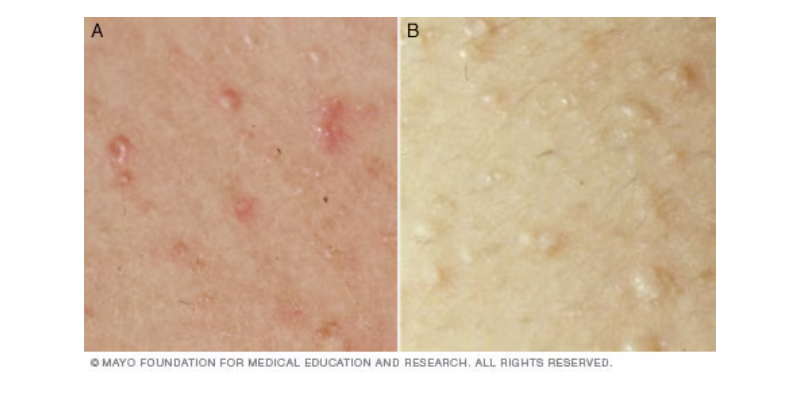
Wild parsnip (Pastinaca sativa) poses a unique dermatological threat. Unlike poison ivy, which triggers an allergic response, wild parsnip sap contains furanocoumarins that cause a phototoxic reaction called phytophotodermatitis when activated by ultraviolet (UV) light . The resulting burns can be painful, blistering, and leave hyperpigmentation lasting for months or years .
As clinicians and informed consumers seek faster, non-invasive ways to manage the aftermath of these burns, red light therapy (RLT)—also known as photobiomodulation (PBM)—has emerged as a candidate for investigation. This article evaluates the scientific plausibility, mechanisms, and practical considerations of using RLT for wild parsnip injuries.
Understanding Wild Parsnip Burns: The Mechanism of Injury
To assess whether RLT is appropriate, one must first understand the pathology of the injury.
Wild parsnip sap contains furanocoumarins (specifically psoralens and bergapten). When these compounds are deposited on the skin and subsequently exposed to UVA radiation (320–380 nm) from sunlight, a photochemical reaction occurs. This reaction binds psoralens to DNA pyrimidine bases, causing cellular death and a pronounced inflammatory cascade .
Dr. Thomas G. Van Dinter Jr., MD, of Baylor University Medical Center, notes that this reaction typically presents with erythema within 24 hours and vesicles or bullae at 48 to 72 hours. He emphasizes that the condition is often misdiagnosed and requires a high index of suspicion based on recent outdoor exposure .
The standard of care for phytophotodermatitis is conservative: immediate sun avoidance, thorough washing to remove residual sap, cool compresses, topical corticosteroids to reduce inflammation, and pain control. In severe cases, burn unit admission may be required . There is currently no established cure that accelerates the resolution of the phototoxic damage itself; treatment focuses on symptom relief while the skin heals.
The Scientific Rationale: How Red Light Therapy Interacts with Damaged Tissue
While no study has specifically tested RLT on wild parsnip sap, the biological effects of red and near-infrared light on cutaneous wound healing are well-documented. The rationale for using RLT in this context rests on its ability to intervene in the inflammatory and proliferative phases of healing.
Modulation of Inflammation and Oxidative Stress
Wild parsnip burns are characterized by intense inflammation. A 2024 experimental study on LED therapy (a form of RLT) published in Europe PMC demonstrated that light therapy significantly modulates inflammation. The study found that LED therapy decreased levels of pro-inflammatory cytokines (IL-1β and TNF-α) on day 10 of healing and enhanced antioxidant activity (reduced MDA and increased GSH levels) .
This is clinically relevant because the acute phase of phytophotodermatitis involves reactive oxygen species (ROS) generation and cellular injury . By mitigating oxidative stress, RLT may theoretically help limit the collateral tissue damage caused by the initial phototoxic burst.
Acceleration of Tissue Repair and Re-epithelialization
Red light therapy is known to stimulate mitochondrial function, leading to increased ATP production, which fuels cellular repair . Fibroblasts—the cells responsible for producing collagen and rebuilding the dermal matrix—are particularly responsive to specific wavelengths of light.
Research published in the Journal of Lasers in Medical Science indicates that PBM with 650 nm and 810 nm lasers significantly enhanced fibroblast viability and migration. The study noted upregulation of VEGF (vascular endothelial growth factor) and Collagen I, both critical for rebuilding skin integrity after a burn . For a wild parsnip burn that has destroyed the epidermal layer and caused blistering, accelerating the proliferative phase could translate to faster wound closure and reduced risk of secondary infection.
VELLGUS Elite V2
THE #1 RATED RED LIGHT DEVICE
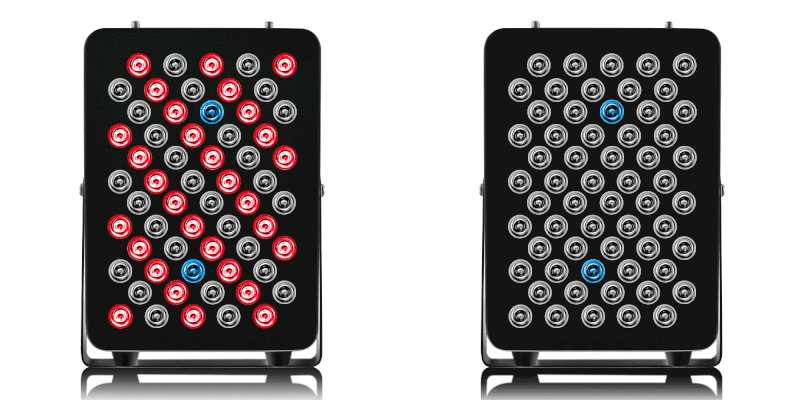
Vellgus Red Light Elite V2 is an incredible way to experience the benefits of multiwave technology spectrum: 480nm 630nm, 660nm, 810nm, 830nm, 850nm. No other red/NIR light device available provides the multi-wave R+| NIR+ spectral output.
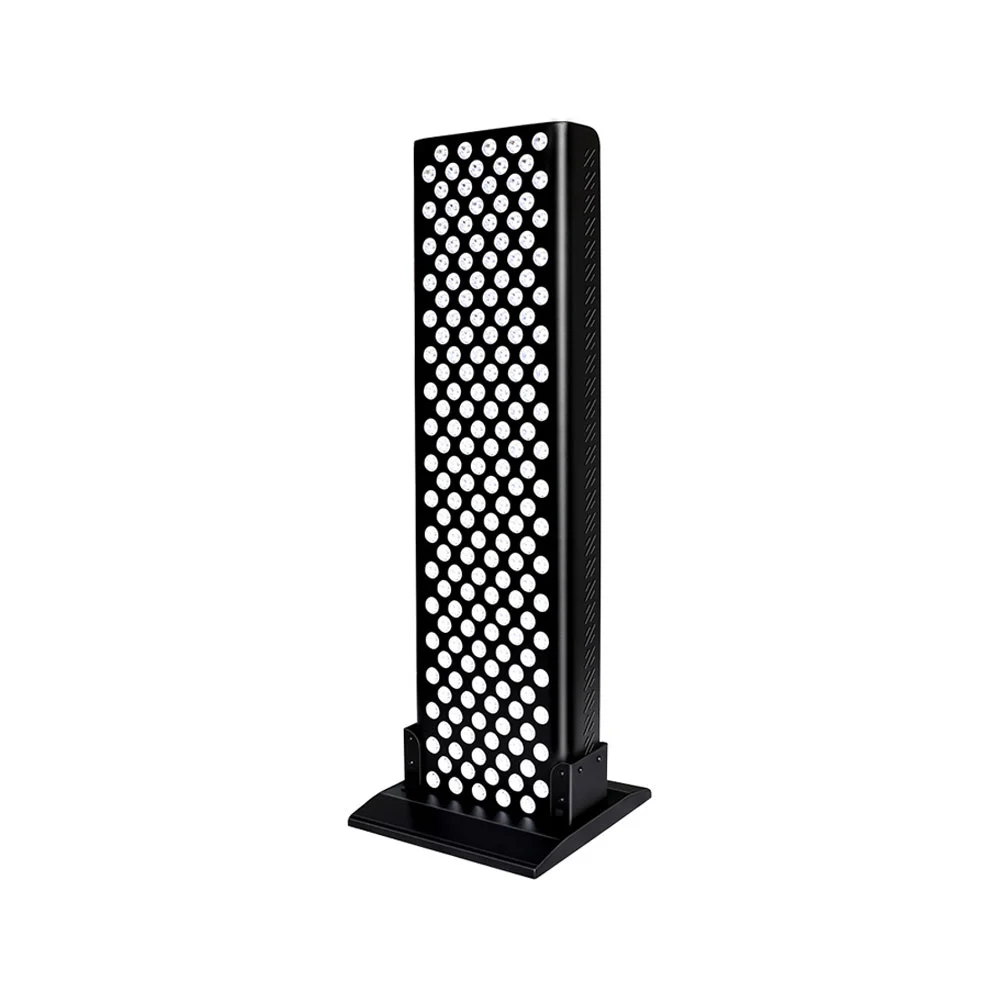
VELLGUS max 300
THE #1 RATED FULL BODY RED LIGHT DEVICE
Upgrade your red light therapy experience and take it to the next level with VELLGUS Red Light Max 300. This device is specifically designed for those wanting a brighter and more intense red light treatment
Comparative Analysis: Red Light Therapy vs. Standard Wild Parsnip Care
The following table compares the established standard of care for wild parsnip burns with the theoretical application of red light therapy, based on current mechanistic evidence and clinical guidelines.
Critical Safety Warning for Wild Parsnip Sufferers
Do not apply red light therapy to skin that has not been fully cleared of sap and protected from sunlight.
Because the furanocoumarins in wild parsnip remain in the skin for up to 8 hours (and the skin remains photosensitive for much longer), introducing any light energy—even red light—requires caution. While red light (630–700 nm) is distinct from the UVA (320–380 nm) that activates the sap, high-intensity therapeutic devices can generate heat. The primary risk during the acute phase (first 24–72 hours) is that any manipulation or heat might exacerbate the inflammatory response or potentially drive the phototoxic reaction deeper if residual sap is present .
Clinical Recommendation: RLT should only be considered after the acute blistering and weeping stages have passed, typically 72 hours post-exposure, and preferably under the guidance of a dermatologist or wound care specialist. The affected area should be thoroughly cleansed and no longer exhibiting active photosensitivity.
Expert Perspectives and Clinical Citations
The use of light therapy for burn wounds is not novel, but its application to phytophotodermatitis is a niche intersection.
On the nature of the injury: Dermatologists emphasize that wild parsnip burns are chemical burns triggered by light, not allergic rashes. Dr. Van Dinter stresses that treatment is conservative, utilizing topical steroids (0.1% triamcinolone) and, if hyperpigmentation persists, bleaching agents like hydroquinone . This highlights the need for modalities that address the aftermath of the burn—particularly the long-lasting discoloration, which RLT may help resolve by normalizing melanocyte activity and accelerating cell turnover, though direct evidence is lacking.
On the mechanism of RLT: The MD Anderson Cancer Center notes that red light therapy works by stimulating mitochondria to “promote healing, reduce inflammation, and improve blood circulation” . These are precisely the processes derailed by the furanocoumarin phototoxicity. However, the center also notes that literature reports RLT can cause skin damage and burns if parameters are not respected, reinforcing the need for FDA-cleared, low-risk devices rather than high-power experimental setups.
On the need for specific research: A 2023 review in PubMed on phytophotodermatitis concluded that management “should initially follow the general principles applied to burn patients,” including careful assessment and infection control . The review does not mention light therapy, underscoring that this is an emerging, off-label consideration rather than a standard protocol.
Practical Protocol for Adjunctive Use (If Chosen)
For individuals who have recovered from the acute phase of a wild parsnip burn and wish to use RLT to support the final stages of healing (resolving erythema and reducing hyperpigmentation risk), the following parameters are generally considered safe based on general PBM guidelines:
- Timing: Wait at least 72–96 hours after exposure, or until blistering has ceased and the skin is no longer weeping or acutely painful.
- Wavelength: Use devices emitting red light in the 630–660 nm range (for superficial epidermal/dermal effects) or near-infrared (810–850 nm) for deeper tissue penetration if there is underlying inflammation.
- Dosage: Use low-level, FDA-cleared devices intended for home use. Avoid high-power clinical lasers on inflamed skin. Typical irradiance should be in the range of 10–50 mW/cm² with treatment times of 5–15 minutes per session.
- Contraindication: Stop immediately if you experience increased warmth, pain, or redness. Do not use if the skin is broken or infected (signs: pus, fever, increasing swelling) .
Frequently Asked Questions (FAQs)
1. Can red light therapy prevent a wild parsnip burn if I use it immediately after contact?
No. Red light therapy is not a decontamination method. If you have sap on your skin, the priority is to immediately wash with soap and water and block all UV light (sunlight) for at least 8 hours . Applying light therapy before the sap is removed and the skin is desensitized could theoretically worsen the reaction by adding thermal energy to a photosensitive area.
2. Does red light therapy help with the dark spots (hyperpigmentation) left by wild parsnip burns?
There is plausible mechanistic support, but no direct proof. Phytophotodermatitis often leaves post-inflammatory hyperpigmentation that can last for months to years . Red light therapy is used in dermatology to improve skin tone and reduce redness, but for hyperpigmentation specifically, results are mixed. Some studies suggest PBM can modulate melanogenesis, but standard treatments remain topical bleaching agents (hydroquinone) and strict sun protection . RLT should not replace sunblock.
3. Is red light therapy safe if my wild parsnip burn is still blistering?
No. Do not apply RLT to blistered, weeping, or acutely inflamed skin. The skin barrier is compromised, and the introduction of heat or light energy could increase inflammation, cause discomfort, or impair the natural healing process. Wait until the blisters have dried and the skin has begun to re-epithelialize before considering light therapy .
4. What do doctors say is the primary treatment for wild parsnip burns?
Doctors emphasize conservative management: immediate removal of sap (washing), sun avoidance (the reaction is driven by UVA), cool compresses, and topical corticosteroids to reduce inflammation . For severe cases, medical evaluation is necessary to prevent infection and manage pain. Red light therapy is not mentioned in standard dermatological guidelines for this condition.
5. Could red light therapy make the burn worse?
It is possible if used incorrectly. The primary risk is using a device that emits any UV light or significant heat. However, pure red/near-infrared LEDs (630–850 nm) do not emit UV. The greater risk is using RLT too early. Because the skin remains photosensitive for hours after contact, and the inflammatory cascade is active for days, introducing light therapy before the acute phase resolves is not advised. Always consult a physician before using light therapy on a chemical burn.