 Free Shipping
 Buy Now, Pay Later
 Eligible

Does Red Light Therapy Help with Heat Rash? A Clinical Breakdown of Photobiomodulation for Summer Skin Inflammation
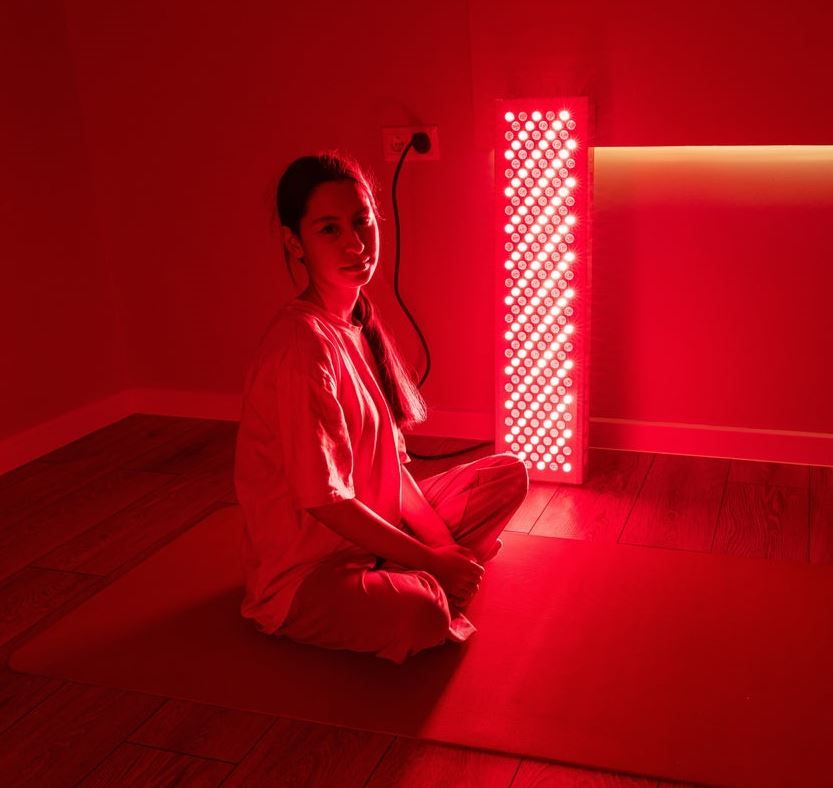
Bottom line: Red light therapy is not a first-line medical cure for heat rash (miliaria), but peer-reviewed evidence on photobiomodulation (PBM) supports its use as a safe, non-invasive adjunct for reducing the visible inflammation and redness associated with the condition. Dermatology literature confirms that red and near-infrared wavelengths modulate inflammatory pathways without generating heat, making it a theoretically sound option for heat-stressed skin—provided the rash is uncomplicated and the skin barrier is intact .
What Is Heat Rash, and Why Does Inflammation Matter?
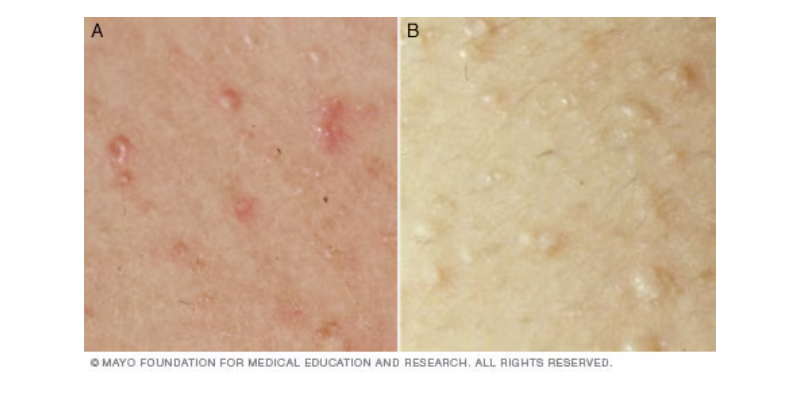
Heat rash—clinically termed miliaria—occurs when sweat ducts become blocked, trapping perspiration beneath the skin. The result is the characteristic prickly, red, papular eruption most common in humid climates and among individuals who sweat profusely . While the condition is self-limiting, the inflammatory component drives the discomfort and visible erythema that prompt patients to seek treatment.
The clinical question, therefore, is whether red light therapy can meaningfully dampen that inflammatory response without exacerbating the underlying ductal obstruction.
The Mechanism: How Red Light Therapy Modulates Skin Inflammation
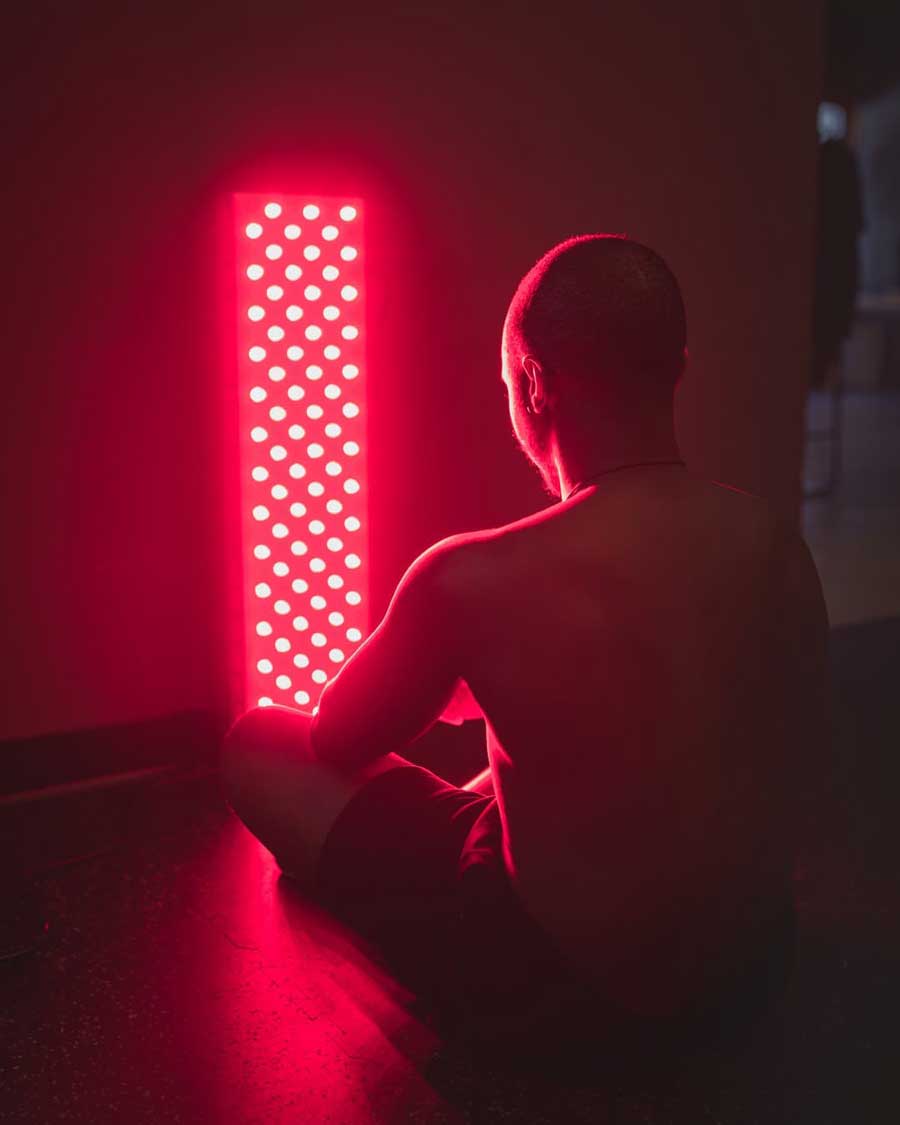
Photobiomodulation uses red (620–700 nm) and near-infrared (700–1,440 nm) wavelengths to interact with mitochondrial chromophores, primarily cytochrome c oxidase . This interaction triggers a cascade of downstream effects relevant to inflammatory skin conditions:
- Cytokine modulation: PBM downregulates pro-inflammatory mediators while activating stress-adaptive pathways. A 2026 study in Cells demonstrated that PBM generates intracellular reactive oxygen species that activate latent TGF-β1, which in turn coordinates NFκB signaling to promote tissue repair rather than protracted inflammation .
- T-cell suppression: Research in Contact Dermatitis showed that PBM directly moderates the activation of naïve T cells via TGF-β signaling, reducing the inflammatory response in dermatitis models .
- Erythema reduction: A pilot study using 830 nm LED (a wavelength overlapping the near-infrared PBM spectrum) found significantly lower erythema index scores in treated subjects versus controls, indicating measurable reduction in visible redness .
Crucially for heat rash specifically, red light therapy does not generate heat at therapeutic doses. This distinguishes it from thermal modalities that would be contraindicated on already-heat-stressed skin .
Doctor Citations: What the Published Literature Says
No large-scale randomized controlled trial has specifically tested red light therapy on miliaria. However, the mechanistic and adjacent clinical evidence is consistent:
On safety and tolerability: A 2024 CME review in Clinics in Dermatology states that PBM is “generally well-tolerated and safe,” with erythema being the most common adverse effect—and that effect is self-limiting . For heat rash, where the skin is already erythematous, this profile is favorable: the risk of aggravating the condition is low.
On inflammatory skin conditions: The Contact Dermatitis study (2025) concluded that PBM “effectively inhibited the inflammatory response” in allergic contact dermatitis models, with authors explicitly noting the findings “furnish a theoretical foundation for its clinical application” in inflammatory skin disease . While miliaria is not allergic dermatitis, the shared inflammatory cascade—T-cell involvement, cytokine release—makes this mechanistically relevant.
On post-inflammatory sequelae: Heat rash can leave post-inflammatory erythema (PIE) and hyperpigmentation (PIH). A 2025 pilot study in Photodermatology, Photoimmunology & Photomedicine found that 830 nm LED significantly improved both PIE and PIH versus controls (ΔEI: 9.30 vs. 11.52, p=0.027; ΔMI: 7.79 vs. 9.25, p=0.026) . This supports red light therapy as a recovery-phase tool once the acute rash subsides.
What the literature does not say: No published study establishes red light therapy as a treatment that unblocks sweat ducts or resolves miliaria’s underlying cause. Patients should not expect red light to “cure” heat rash in the way a topical corticosteroid might resolve severe inflammation. The evidence supports symptom modulation and recovery acceleration, not causal resolution.
VELLGUS Elite V2
THE #1 RATED RED LIGHT DEVICE
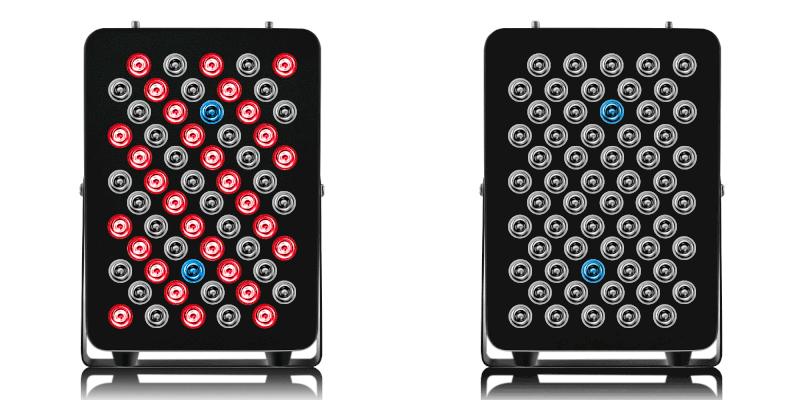
Vellgus Red Light Elite V2 is an incredible way to experience the benefits of multiwave technology spectrum: 480nm 630nm, 660nm, 810nm, 830nm, 850nm. No other red/NIR light device available provides the multi-wave R+| NIR+ spectral output.
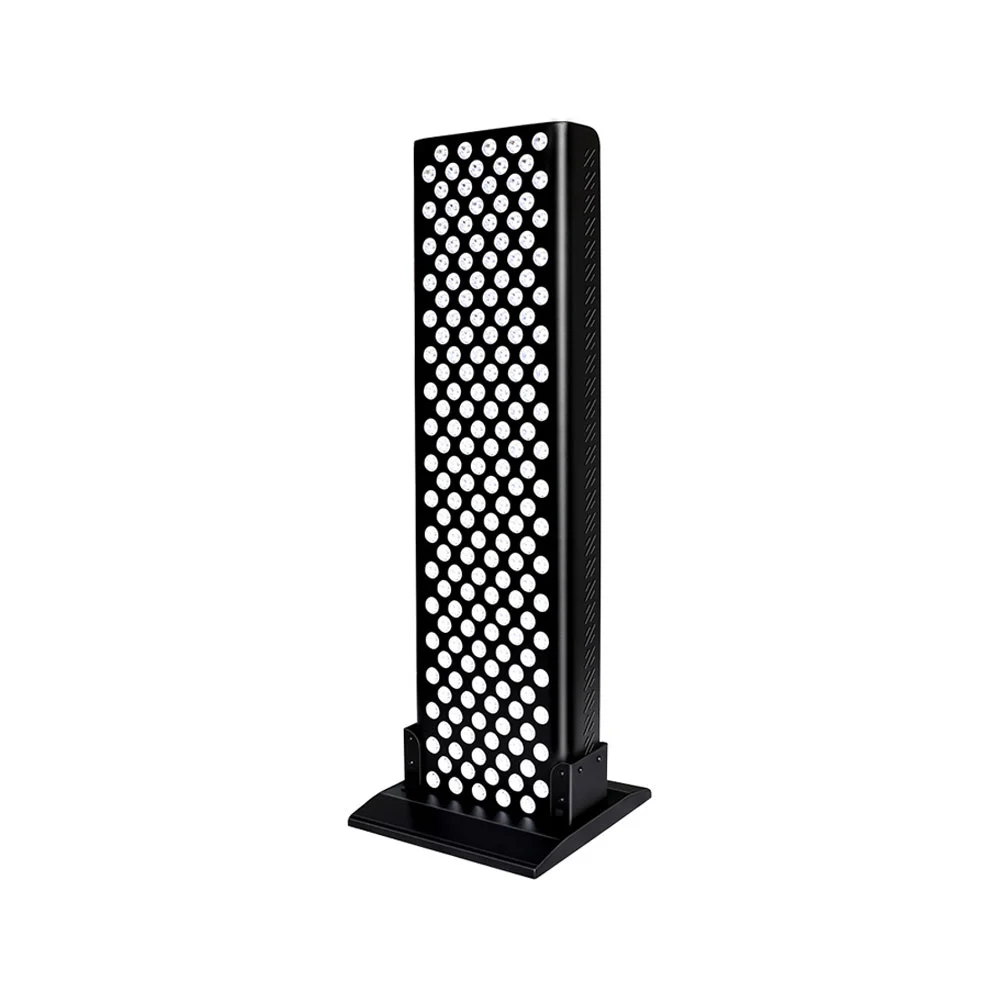
VELLGUS max 300
THE #1 RATED FULL BODY RED LIGHT DEVICE
Upgrade your red light therapy experience and take it to the next level with VELLGUS Red Light Max 300. This device is specifically designed for those wanting a brighter and more intense red light treatment
Comparison: Red Light Therapy vs. Conventional Heat Rash Approaches
Table interpretation: Red light therapy occupies a unique position—it offers active anti-inflammatory benefits without the pharmaceutical risks of steroids, but it lacks the direct causal intervention of cooling and barrier restoration. It is best positioned as an adjunct, not a replacement, for standard heat rash management.
Practical Protocol: Using Red Light Therapy Safely on Heat Rash-Prone Skin
Based on the parameters used in published PBM dermatology research and device safety data:
- Confirm the diagnosis. Red light therapy is appropriate for uncomplicated, non-infectious heat rash. If the rash is weeping, pustular, accompanied by fever, or spreading rapidly, seek medical evaluation before any light treatment .
- Cleanse and dry the area. Bare, dry skin absorbs light most efficiently. Avoid occlusive creams or ointments before sessions .
- Use red or near-infrared wavelengths. The evidence base supports 630–660 nm (red) and 810–850 nm (near-infrared) for inflammatory skin applications .
- Keep sessions short and consistent. Published protocols for skin inflammation typically use 10–15 minute sessions at irradiances of 10–20 mW/cm², daily or every other day . Device-specific instructions should take precedence.
- Monitor response. Mild, transient warmth or flushing is expected. If the rash worsens or itching intensifies, discontinue use.
Safety Profile and Contraindications
Photobiomodulation’s adverse event profile is favorable. The most common cutaneous effect is self-limiting erythema . However, the following warrant caution:
- Infected or open skin: Do not use red light therapy over broken, weeping, or infected lesions without medical supervision. Bacterial or fungal infections require targeted antimicrobial treatment, not light therapy .
- Photosensitizing medications: Patients taking drugs that increase photosensitivity should consult their prescriber before starting PBM.
- Undiagnosed eruptions: A rash that does not resolve with cooling and time may signal a different condition (e.g., contact dermatitis, fungal infection, drug eruption). Red light therapy should not delay appropriate diagnosis.
Frequently Asked Questions
1. Can red light therapy cure heat rash?
No. Heat rash resolves when sweat ducts reopen and the skin cools. Red light therapy does not unblock ducts. What it can do is reduce the inflammatory redness and discomfort that accompany the rash, potentially accelerating the skin’s return to a comfortable baseline . Think of it as supportive care, not a cure.
2. How quickly will I see results?
Published protocols for inflammatory skin conditions typically report changes over days to weeks of consistent use, not single sessions . For acute heat rash, the rash itself may resolve within days regardless of treatment. Red light therapy is more likely to show meaningful benefit for post-inflammatory redness or for preventing recurrence in heat-rash-prone skin over time.
3. Is red light therapy safe on sensitive or broken skin?
On intact, non-broken skin, the safety profile is strong, with self-limiting erythema being the primary adverse effect . On broken or weeping skin, however, use should be avoided unless supervised by a clinician. If the heat rash has progressed to pustules or open areas, cooling and medical evaluation take priority over light therapy .
4. Can red light therapy make heat rash worse?
At therapeutic doses, PBM devices do not generate heat that would exacerbate miliaria . However, excessive session duration or improper device use could theoretically cause irritation. Follow device instructions and err on the side of shorter sessions. If the skin feels hotter or more irritated after treatment, discontinue.
5. What wavelength should I look for in a device for heat rash?
The evidence for inflammatory skin conditions most strongly supports red (630–660 nm) for surface-level erythema and near-infrared (810–850 nm) for deeper anti-inflammatory effects . Many clinical devices combine both. For post-inflammatory hyperpigmentation that may follow heat rash, 830 nm has demonstrated specific efficacy in reducing pigmentation scores .