 Free Shipping
 Buy Now, Pay Later
 Eligible

Does Red Light Therapy Help with Polymorphous Light Eruption?
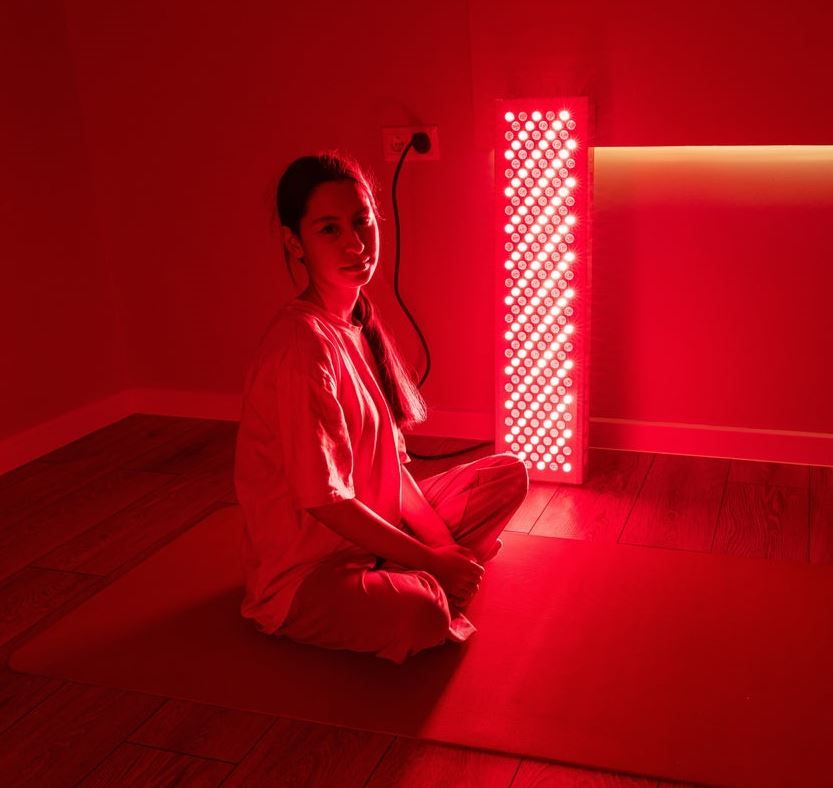
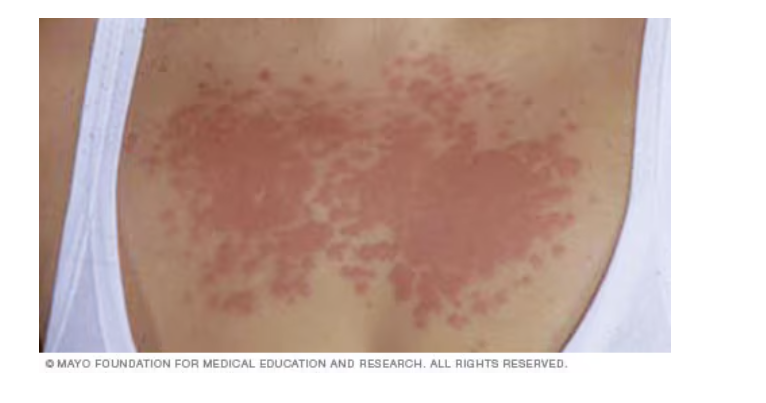
Yes—but not in the way most people assume. Red light therapy does not treat an active rash. Instead, emerging evidence suggests it may function as a prophylactic “photoprevention” tool, priming the skin to resist the ultraviolet (UV) damage that triggers Polymorphous Light Eruption (PMLE) in the first place. For the millions who dread the first sunny days of spring, this distinction is everything.
If you suffer from PMLE—that intensely itchy, blotchy rash that erupts on sun-exposed skin—you have likely been told to simply hide from the sun or endure weeks of topical steroids. While standard phototherapy (narrowband UVB) has long been used to “harden” the skin, it carries cumulative UV risks. Red light therapy, specifically at 660 nm, offers a different mechanism: it appears to induce cellular resistance to UV-induced erythema without adding to your skin’s UV burden.
Below, we break down the clinical evidence, compare modalities, and explain why dermatologists are cautiously optimistic about red light as a preventive strategy for PMLE.
The Science: How Red Light Prevents the Rash
PMLE is believed to result from a delayed hypersensitivity reaction to UV radiation, often linked to an impaired neutrophil infiltration response and a failure to induce local immune suppression after sun exposure . Traditional “hardening” phototherapy works by repeatedly exposing the skin to controlled amounts of UVB or UVA to force adaptation.
Red light therapy (also called low-level light therapy or LLLT) operates differently. It uses non-thermal, non-ionizing visible red light to stimulate mitochondrial function and modulate cellular signaling. In the context of PMLE, the key mechanism appears to be pre-conditioning: repeated red light exposures trigger a state of “natural resistance” in the skin, reducing the inflammatory response (erythema) when the skin is subsequently challenged by UVB.
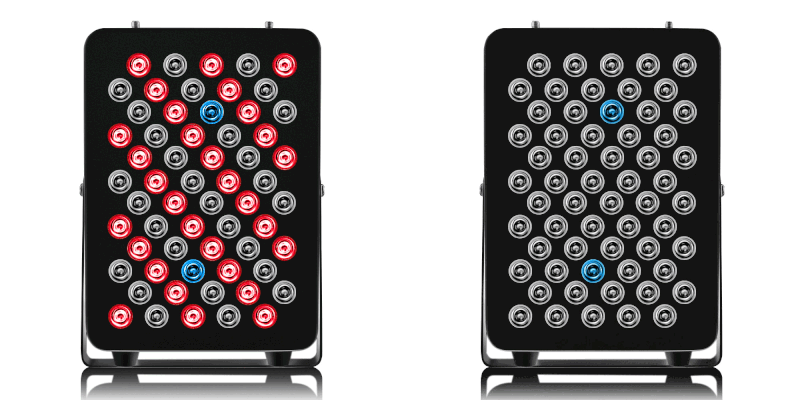
VELLGUS Elite V2
THE #1 RATED RED LIGHT DEVICE
Vellgus Red Light Elite V2 is an incredible way to experience the benefits of multiwave technology spectrum: 480nm 630nm, 660nm, 810nm, 830nm, 850nm. No other red/NIR light device available provides the multi-wave R+| NIR+ spectral output.
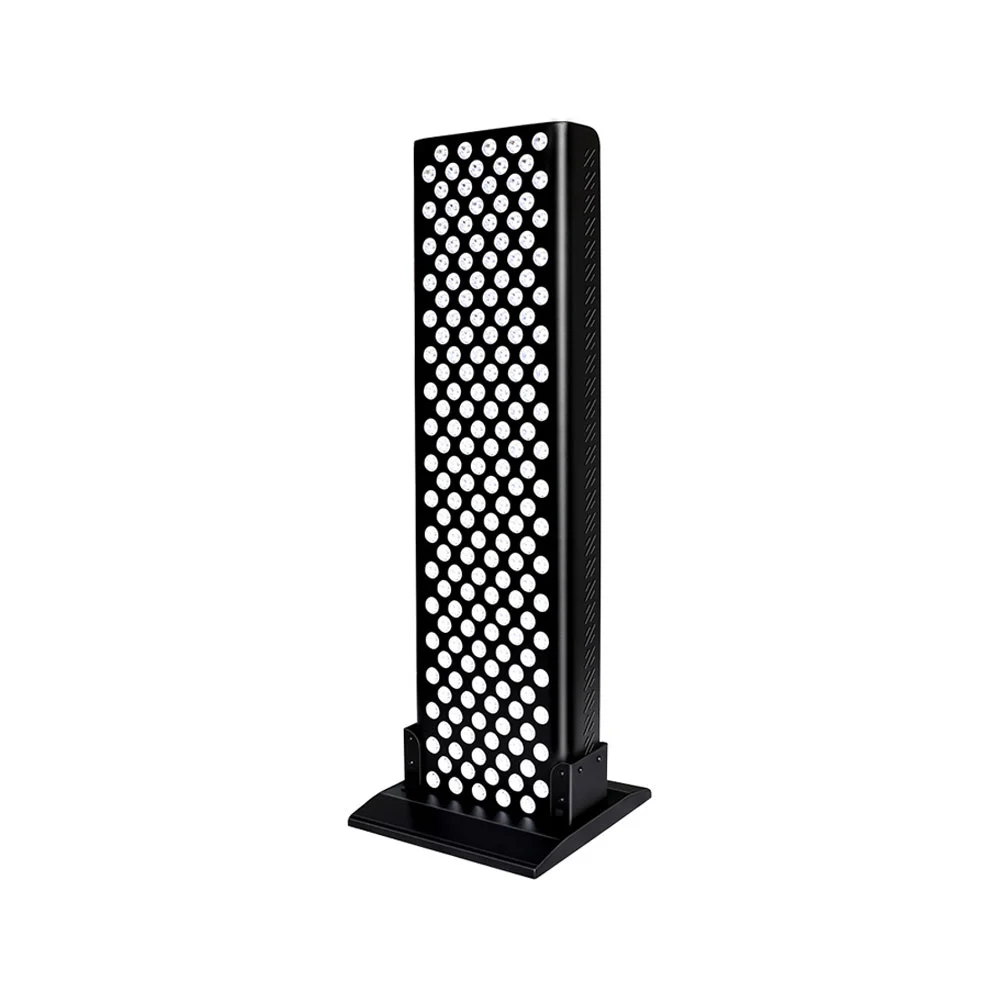
VELLGUS max 300
THE #1 RATED FULL BODY RED LIGHT DEVICE
Upgrade your red light therapy experience and take it to the next level with VELLGUS Red Light Max 300. This device is specifically designed for those wanting a brighter and more intense red light treatment
The Landmark Pilot Study
The most direct clinical evidence comes from a controlled clinical trial led by Dr. Daniel Barolet (McGill University), published in Lasers in Surgery and Medicine (2008). The study included 13 healthy subjects and 2 patients diagnosed with PMLE.
- Protocol: The experimental thigh area was treated with a 660 nm LED device (60 mW/cm², 5 J/cm²) for 5 to 10 sessions prior to UVB exposure.
- Result: A significant reduction in UVB-induced erythema was observed in 85% of subjects, including the PLE patients. The protective effect was comparable to an SPF-15 sunscreen effect on the treated side .
- Expert Commentary: Dr. Barolet noted in an interview with Dermatology Times that this strategy could be particularly appealing for PLE patients, stating: “Instead of exposing themselves to tanning parlor UV rays to establish a base tan, which is harmful to the skin long-term, PLE patients could use prophylactic LED treatments” .
Recent Supporting Data
A 2023 pilot study published in the Journal of Dermatological Treatment assessed a red/near-infrared emitting fabric garment in patients with PMLE. Among the three PMLE patients who completed the 12-week study, none experienced a disease flare during the study period . While the sample size is tiny and the study was limited by patients continuing other medications, it reinforces the hypothesis that red light exposure may stabilize the skin against PMLE triggers.
How Red Light Compares to Standard PMLE Treatments
To understand where red light fits, it helps to compare it directly with the conventional phototherapy options used for PMLE prophylaxis.
Analysis: Red light does not replace sunscreen or sun avoidance—those remain the foundation of PMLE management . However, for patients who fail or wish to avoid the cumulative UV burden of NB-UVB/PUVA hardening, red light represents a low-risk adjunctive or alternative prophylactic strategy that warrants discussion with a dermatologist.
What Dermatologists Are Saying
The medical literature acknowledges red light/LED therapy as an emerging option for PMLE, though it is not yet a mainstream recommendation.
- Medscape (Adigun & Elston, 2025): In the “Treatment & Management” section for PMLE, the authors explicitly note: “Barolet et al reported on the use of light-emitting diode nonthermal therapy as a prophylactic measure for PMLE” . This inclusion in a major clinical reference signals that the dermatology community is paying attention.
- Dr. Daniel Barolet, MD (McGill): The primary investigator on the foundational studies emphasizes that LED photoprophylaxis is “painless, non-thermal, and non-ablative” with “no known side effects to date” and suggests it could one day be used in home-based treatments .
- Practical Caveat: The British Association of Dermatologists guidelines currently focus on NB-UVB and PUVA for photohardening . Most dermatologists will still recommend these established methods first, especially for severe PMLE. Red light is best positioned as a complementary strategy for mild-to-moderate cases or for those seeking to minimize UV exposure.
Who Is This For? (And Who Should Be Cautious)
Red light therapy for PMLE prophylaxis is most appropriate for:
- Patients with mild-to-moderate PMLE who want to reduce reliance on topical steroids.
- Individuals who have failed or cannot tolerate NB-UVB hardening (e.g., those who experience PMLE flares during UVB therapy).
- Patients seeking a UV-free preventive approach, particularly those with a history of skin cancer or high cumulative sun exposure.
You should avoid self-treating with red light if:
- You have active, inflamed PMLE lesions (wait until the skin is calm).
- You are taking photosensitizing medications (though red light is non-UV, any light therapy should be cleared by your doctor).
- Your PMLE is severe or disabling—you need a proper dermatological workup to rule out other photodermatoses (like lupus) and to discuss systemic options.
Frequently Asked Questions (FAQs)
1. Can red light therapy cure Polymorphous Light Eruption permanently?
No. PMLE is a recurring condition, and red light therapy is a preventive (prophylactic) strategy, not a cure. The goal is to reduce the severity or frequency of flares by pre-conditioning the skin before sun exposure. Benefits are not permanent; you would likely need to repeat the treatment protocol before each sunny season (e.g., early spring), similar to how UVB hardening is administered seasonally .
2. How many red light sessions do I need before sun exposure?
In the Barolet study, PLE patients were treated with 5 to 10 sessions of 660 nm LED light prior to UV exposure, with evidence of a dose-dependent response . There is no universally standardized protocol for home devices. A reasonable clinical approach (under dermatologist guidance) is to begin 2–4 weeks before anticipated sun exposure, using a device with verified irradiance and wavelength (660 nm). More sessions may correlate with greater protection, but more research is needed to establish optimal dosing.
3. Is red light therapy safer than NB-UVB phototherapy for PMLE?
In terms of carcinogenic risk, yes. Red light (660 nm) is in the visible spectrum and does not contain ultraviolet radiation. Unlike NB-UVB or PUVA, it does not damage DNA directly or carry the same long-term skin cancer risk associated with cumulative UV exposure . However, “safer” does not mean “more effective.” NB-UVB has decades of clinical evidence for PMLE hardening; red light has only small pilot studies. The safest and most effective choice depends on your individual risk profile and should be made with a dermatologist.
4. Can I use a home red light device for PMLE, or do I need a clinic treatment?
The studies used a specific clinical device (LumiPhase-R, 60 mW/cm², 5 J/cm²), which is not a typical consumer panel . While home red light devices are widely available, their irradiance, wavelength precision, and dosing reliability vary enormously. For PMLE prophylaxis, consistency and correct dosing are critical. If you are considering a home device, choose one with verified 660 nm output and adjustable dosing, and ask your dermatologist to review the specifications before use. Clinic-based treatment remains the safer starting point for medical-grade photoprevention.
5. Does red light therapy help once a PMLE rash has already appeared?
No—and it may irritate it. The evidence supports red light as a pre-exposure preventive measure, not an acute treatment. Once the itchy, inflamed rash of PMLE has erupted, the priority is calming the inflammation with topical corticosteroids, antihistamines, and sun avoidance . Applying light therapy to already-inflamed skin is not recommended and could worsen discomfort. Think of red light as a shield you raise before the battle, not a salve you apply after the wound.
Summary: Red light therapy at 660 nm is a promising, low-risk photoprevention strategy for PMLE, with pilot data suggesting it can reduce UV-induced erythema by mimicking an SPF-15 effect and potentially preventing flares. It is not a cure, not an acute treatment, and not yet a replacement for established UVB hardening in severe cases. If you are interested in trying it, speak with a dermatologist who can help you source a reliable device and integrate it into a comprehensive sun-protection plan.