 Free Shipping
  Buy Now, Pay Later
  Eligible

Does Red Light Therapy Help with Cholesteatoma? A Clinical Review
Abstract
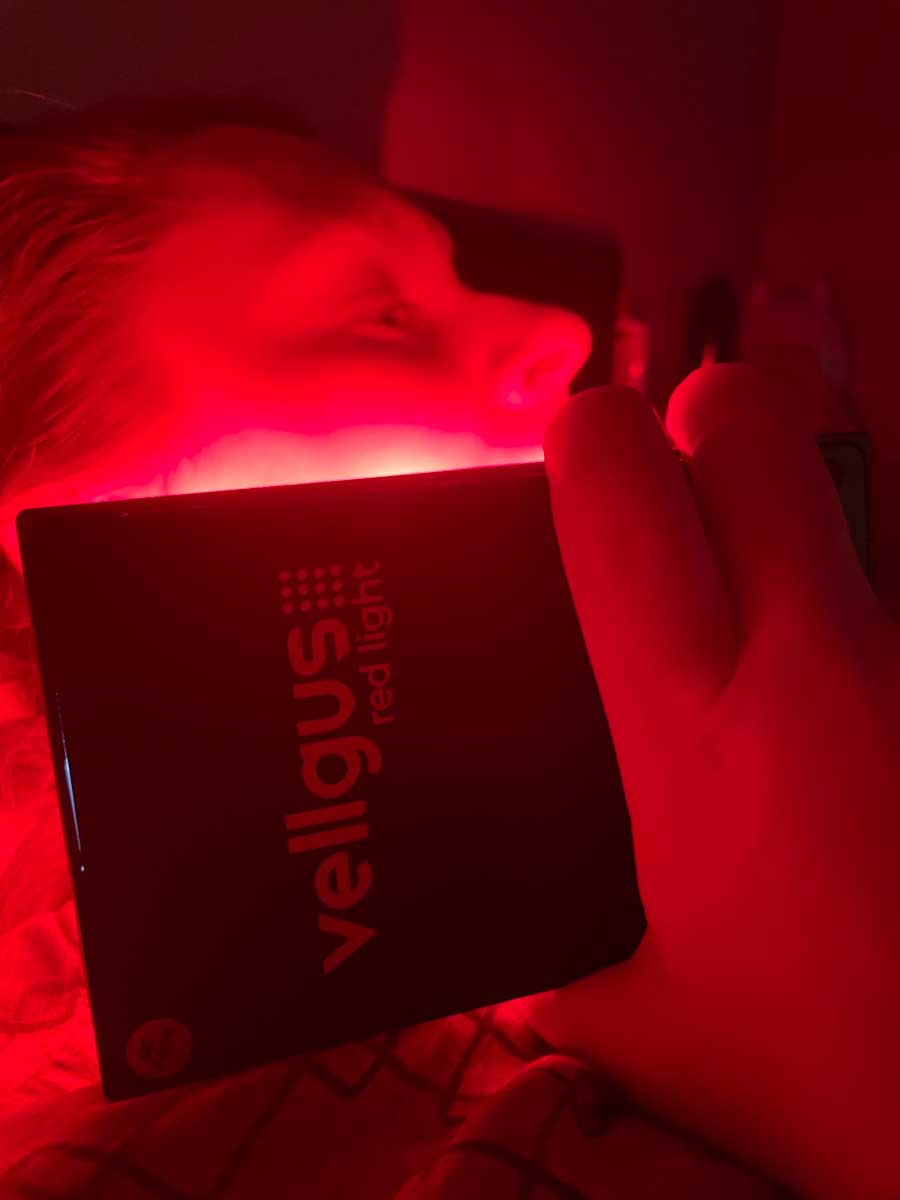
Cholesteatoma is a destructive keratinizing lesion of the middle ear that requires surgical intervention in the vast majority of cases. As patients seek adjunctive and supportive therapies to optimize surgical outcomes and manage postoperative recovery, red light therapy (photobiomodulation) has emerged as a topic of inquiry. This review examines the current evidence regarding red light therapy’s potential role in cholesteatoma management, drawing on dermatologic and wound healing research to assess its plausible applications while clearly delineating its limitations. The evidence indicates that red light therapy does not treat the cholesteatoma itself but may offer supportive benefits during postoperative wound healing.
Understanding Cholesteatoma: A Surgical Disease
Cholesteatoma is not a neoplasm and does not contain cholesterol, despite its name. It is characterized by the presence of keratinizing squamous epithelium in the middle ear or mastoid space. This abnormal tissue growth causes progressive local destruction of middle ear structures and can lead to hearing loss, chronic foul-smelling otorrhea, tinnitus, and in advanced cases, facial nerve damage or intracranial complications.
The incidence is approximately 10 cases per 100,000 individuals, with recurrence rates approaching 40% even after surgical removal. The standard of care remains surgical excision, ranging from canal wall up or canal wall down mastoidectomy to endoscopic approaches, with the specific technique selected based on disease extent, patient factors, and surgeon preference.
Key clinical point: There is no medical therapy that eliminates cholesteatoma. Surgery is the definitive treatment.
What Is Red Light Therapy?
Red light therapy, scientifically termed photobiomodulation (PBM), is a noninvasive phototherapy utilizing wavelengths in the red (620–700 nm) and near-infrared (700–1440 nm) spectra. The therapy works through absorption of photons by mitochondrial cytochrome c oxidase (COX), which triggers modulation of adenosine triphosphate (ATP) production, reactive oxygen species (ROS) generation, and intracellular calcium levels. These molecular changes activate signaling pathways affecting cellular proliferation, migration, and differentiation.
According to MD Anderson Cancer Center, red light therapy improves cell function through several mechanisms:
- Promoting healing
- Reducing inflammation
- Improving blood circulation
- Repairing muscle and tissue
- Offering pain relief
The therapy is FDA-approved for aesthetic applications and is being actively investigated for pain management, wound healing, and inflammatory conditions.
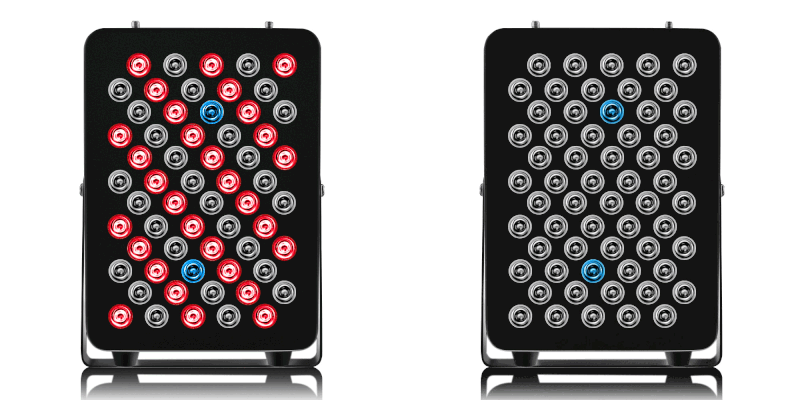
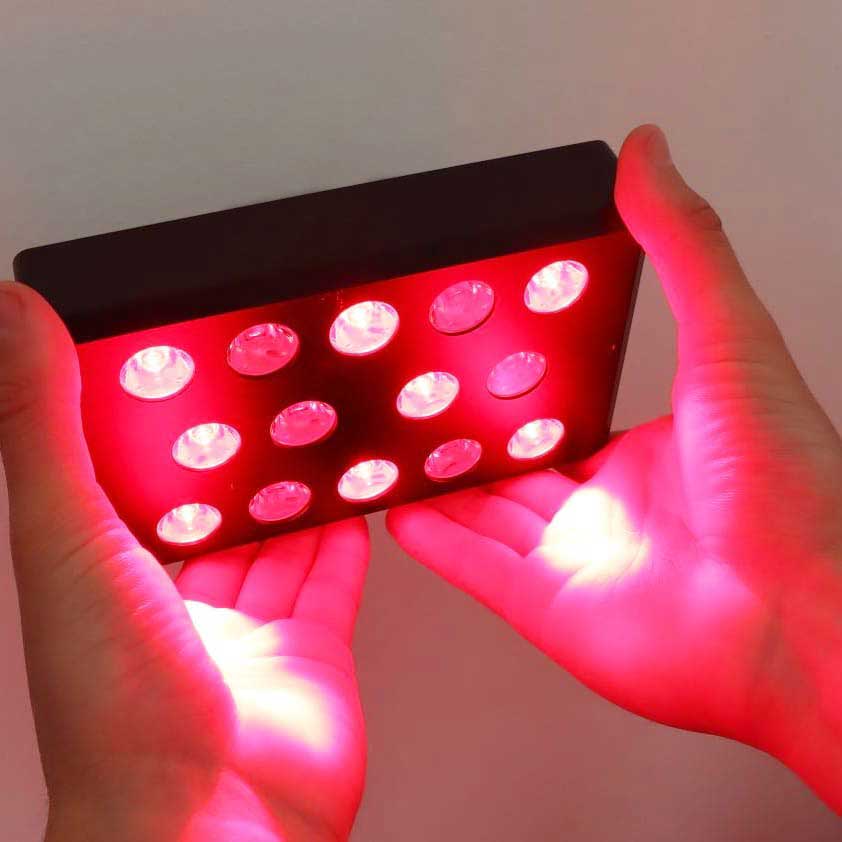
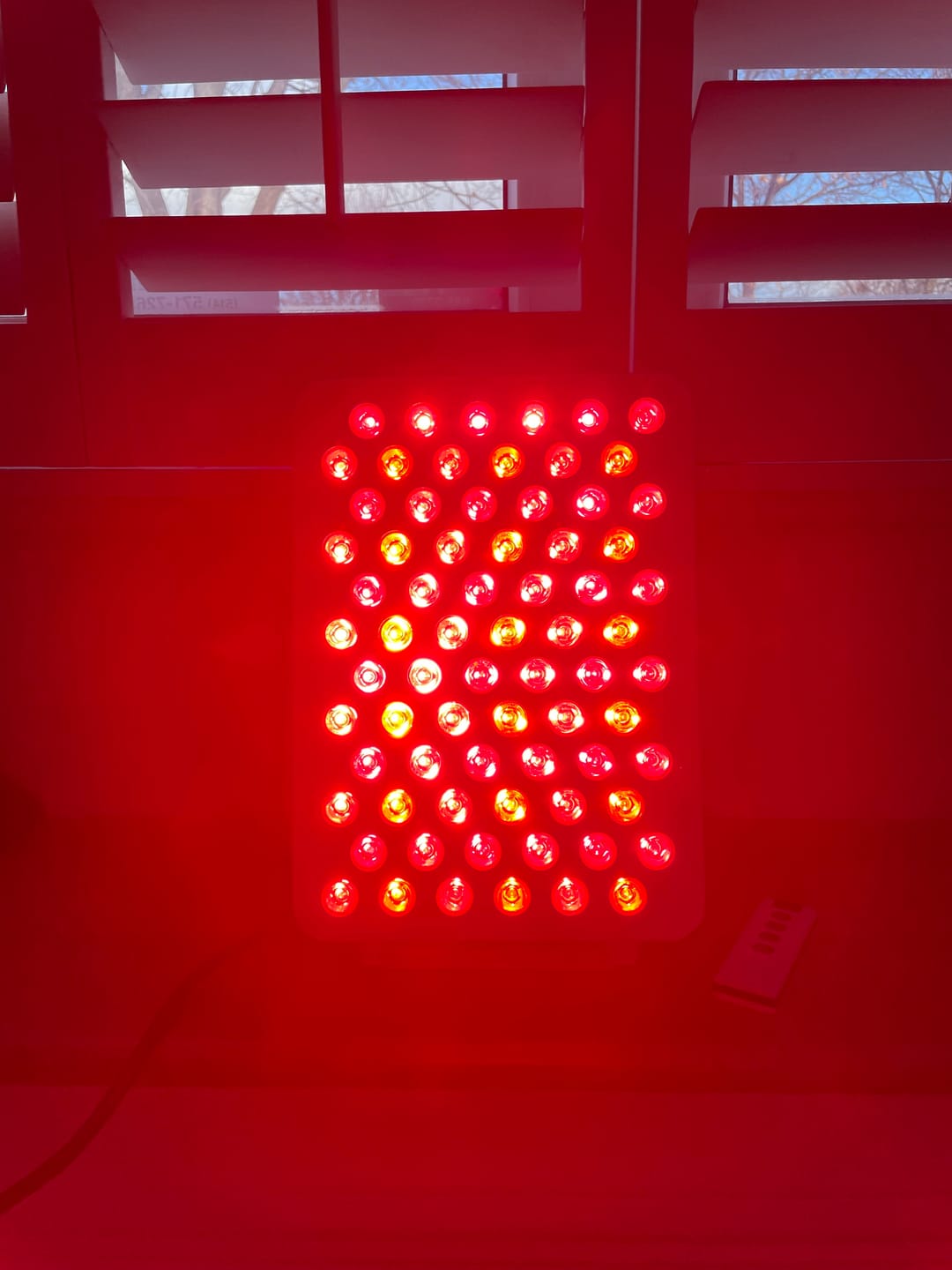
VELLGUS Elite V2
THE #1 RATED RED LIGHT DEVICE
Vellgus Red Light Elite V2 is an incredible way to experience the benefits of multiwave technology spectrum: 480nm 630nm, 660nm, 810nm, 830nm, 850nm. No other red/NIR light device available provides the multi-wave R+| NIR+ spectral output.
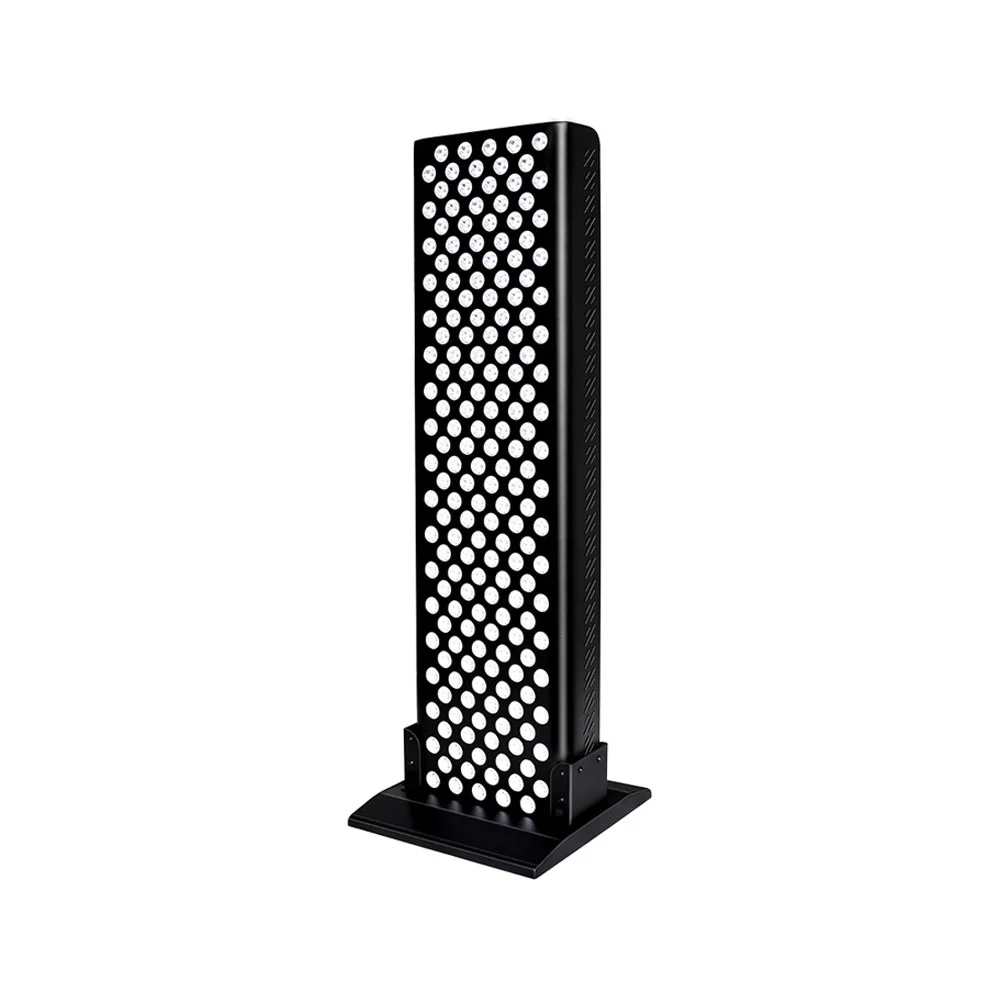
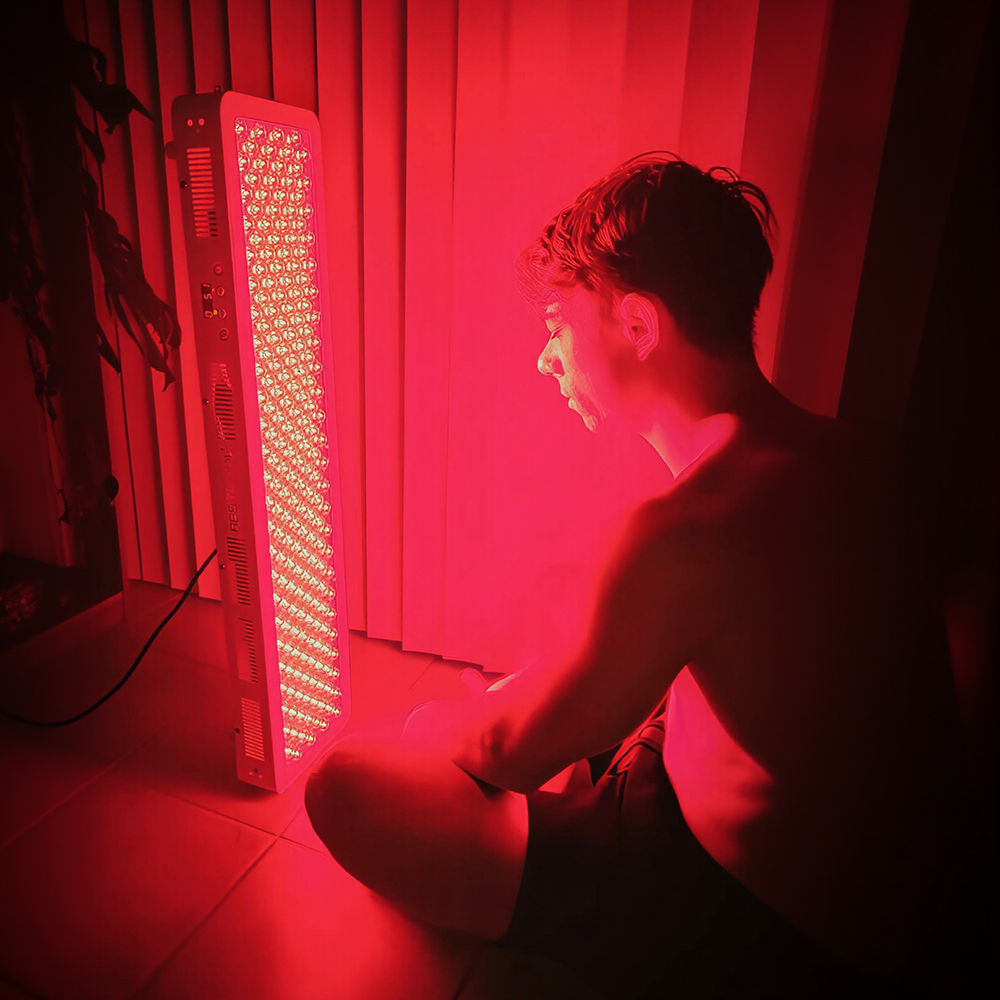
VELLGUS max 300
THE #1 RATED FULL BODY RED LIGHT DEVICE
Upgrade your red light therapy experience and take it to the next level with VELLGUS Red Light Max 300. This device is specifically designed for those wanting a brighter and more intense red light treatment
Evidence Analysis: Red Light Therapy and Cholesteatoma
Direct Evidence
A comprehensive search of peer-reviewed literature reveals no clinical trials or case studies directly investigating red light therapy as a treatment for cholesteatoma itself. This absence of evidence is clinically meaningful.
UpToDate, a leading evidence-based clinical resource, notes that photobiomodulation “may be helpful in reducing pain and promoting healing” in the context of chronic otitis media and cholesteatoma, but this reference is to supportive care rather than disease eradication. The statement does not suggest that light therapy addresses the underlying pathology.
Indirect Evidence: Postoperative Wound Healing
The absence of direct evidence does not preclude potential supportive applications. Cholesteatoma surgery creates wounds requiring healing, and red light therapy has demonstrated efficacy in cutaneous wound healing models.
A 2024 systematic review comparing LED and laser photobiomodulation found that both modalities stimulate cellular and molecular mechanisms essential for tissue repair, with LED primarily modulating inflammatory pathways and reducing pro-inflammatory cytokines including TNF-α and IL-1β. Preclinical studies demonstrated that LED therapy accelerates clinical wound closure, with treated animals showing significantly smaller wound areas at intermediate healing time points compared to controls.
More recent research published in PubMed (2025) confirmed that pulsed photobiomodulation promotes re-epithelialization and improves dermal architecture in full-thickness wound models, with enhanced epidermal stratification, reduced inflammation, and improved collagen organization. These findings suggest potential relevance to postoperative wound care following ear surgery.
The Critical Distinction
A crucial distinction must be maintained: treating cholesteatoma versus treating the surgical wound created during its removal. Red light therapy has no demonstrated capacity to dissolve, shrink, or eliminate cholesteatoma tissue. The keratinizing squamous epithelium that defines this condition requires physical removal. Any discussion of red light therapy in this context must be explicitly limited to supportive postoperative care.
Comparison: Cholesteatoma Management Options
Table 1: Cholesteatoma Treatment Modalities
Postoperative Recovery Considerations
Understanding red light therapy’s potential role requires contextualizing the postoperative recovery process. Following cholesteatoma surgery:
- Most patients require 6–8 weeks for full recovery
- Patients may be advised not to work for 1–2 weeks or longer
- Long-term follow-up every 6–12 months is necessary to monitor for recurrence
The wound healing process involves coordinated inflammation, proliferation, and remodeling phases. Red light therapy’s demonstrated effects on accelerating inflammatory resolution and promoting collagen deposition theoretically align with the needs of postoperative tissue repair. However, no study has specifically examined red light therapy application to post-mastoidectomy wounds.
Safety Considerations
MD Anderson Cancer Center notes that patients receiving red light therapy should wear eye protection to prevent retinal damage, and some literature reports skin damage and burns with improper use. For patients with a history of cholesteatoma, any light therapy near the operated ear should only be considered under explicit guidance from the treating otolaryngologist, given the altered anatomy and potential for light penetration to sensitive structures.
Clinical Recommendations
Based on the current evidence, the following recommendations are warranted:
For Cholesteatoma Treatment: Red light therapy is not a treatment for cholesteatoma. Surgical consultation is mandatory upon diagnosis or suspicion.
For Postoperative Support: Patients interested in red light therapy as an adjunct to surgical recovery should discuss this with their otolaryngologist. While the therapy has general wound healing benefits, its application to the postoperative ear requires individualized assessment.
For Pain Management: If postoperative pain is the primary concern, red light therapy may offer analgesic benefits based on its demonstrated effects on inflammation and endorphin release, though this remains investigational for this specific application.
Frequently Asked Questions
1. Can red light therapy cure cholesteatoma without surgery?
No. Cholesteatoma is a structural lesion consisting of keratinizing squamous epithelium that must be physically removed. No evidence exists demonstrating that red light therapy can eliminate this tissue. Surgery remains the definitive treatment.
2. Does red light therapy help with cholesteatoma surgery recovery?
There is no direct evidence specifically examining red light therapy after cholesteatoma surgery. However, red light therapy has demonstrated benefits in general wound healing, including accelerated wound closure, reduced inflammation, and improved collagen organization in preclinical studies. These effects are theoretically applicable to postoperative recovery, but clinical validation is lacking.
3. Is red light therapy safe for ear conditions?
Red light therapy is generally well-tolerated, with erythema being the most common self-limiting side effect. However, safety around the ear and especially near the eye requires precautions. Eye protection is mandatory during treatment. For any ear condition, particularly post-surgical, a physician should be consulted before initiating therapy.
4. What does the research say about photobiomodulation for chronic ear disease?
Current research on photobiomodulation in ear disease is extremely limited. UpToDate mentions photobiomodulation as potentially helpful for reducing pain and promoting healing in chronic otitis media and cholesteatoma contexts, but this is a general supportive statement without specific cholesteatoma evidence. No clinical trials have investigated PBM as a primary or adjunctive treatment for cholesteatoma.
5. Where can I find a qualified provider for red light therapy?
Red light therapy is available at various wellness centers and some clinical settings. MD Anderson Cancer Center offers laser therapy for pain management through its Pain Management Center. For postoperative applications, your otolaryngologist or surgeon should be the first point of consultation. At-home devices are available but are generally less intense than clinical devices.
Conclusion
Red light therapy offers intriguing possibilities for supportive care in surgical recovery, but it is not a treatment for cholesteatoma. Patients should prioritize surgical consultation and maintain realistic expectations regarding adjunctive therapies. The absence of direct evidence for red light therapy in cholesteatoma management should not be interpreted as evidence of absence, but rather as a gap requiring further research before clinical recommendations can be made. For now, red light therapy’s role—if any—remains investigational and adjunctive at best.