 Free Shipping
  Buy Now, Pay Later
  Eligible

Does Red Light Therapy Help with Presbycusis and Auditory Processing Disorder?

A Professional Review of Photobiomodulation for Age-Related Hearing Loss and Central Auditory Processing
Introduction: The Clinical Challenge of Hearing Decline
Presbycusis—age-related hearing loss—affects approximately one-third of adults over 65 and nearly half of those over 75. While hearing aids remain the standard of care, they amplify sound without addressing the underlying cellular damage that drives auditory decline. This limitation has fueled interest in regenerative and protective therapies, including red light therapy, also known as photobiomodulation (PBM).
Photobiomodulation uses red (600–700 nm) and near-infrared (700–1100 nm) light to stimulate mitochondrial function, increase adenosine triphosphate (ATP) production, and reduce oxidative stress in target tissues. Since inner ear hair cells and auditory neurons are metabolically demanding and highly vulnerable to oxidative damage, PBM has emerged as a biologically plausible adjunctive strategy for auditory rehabilitation.
This article examines the current evidence for PBM in two distinct conditions: presbycusis (peripheral age-related hearing loss) and auditory processing disorder (APD, a central nervous system condition affecting how the brain interprets sound).
What Is Presbycusis and Why Does It Matter?
Presbycusis results from cumulative damage to cochlear hair cells, spiral ganglion neurons, and the stria vascularis—the vascular structure that maintains the cochlea’s electrochemical environment. Contributing factors include:
- Mitochondrial decline: Reduced ATP production weakens cellular repair mechanisms
- Oxidative stress: Reactive oxygen species accumulate, damaging hair cells and synapses
- Microvascular insufficiency: Reduced cochlear blood flow limits oxygen and nutrient delivery
- Synaptopathy: Loss of synapses between hair cells and auditory nerve fibers, often preceding detectable threshold shifts
A critical distinction: human cochlear hair cells do not regenerate once destroyed. Therefore, any effective intervention must focus on protection, preservation, and functional support rather than regrowth.
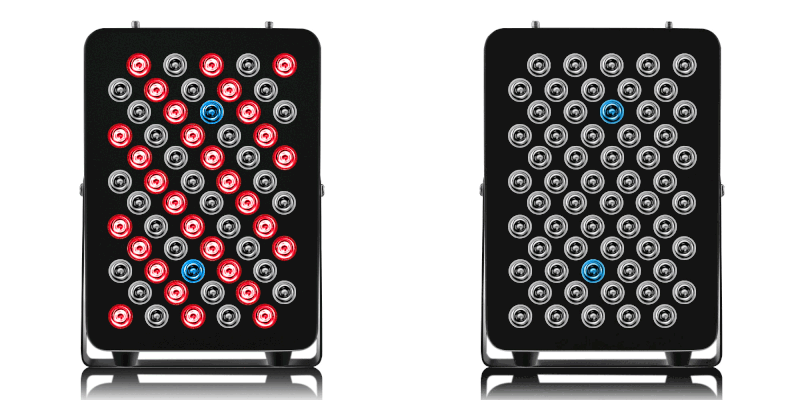
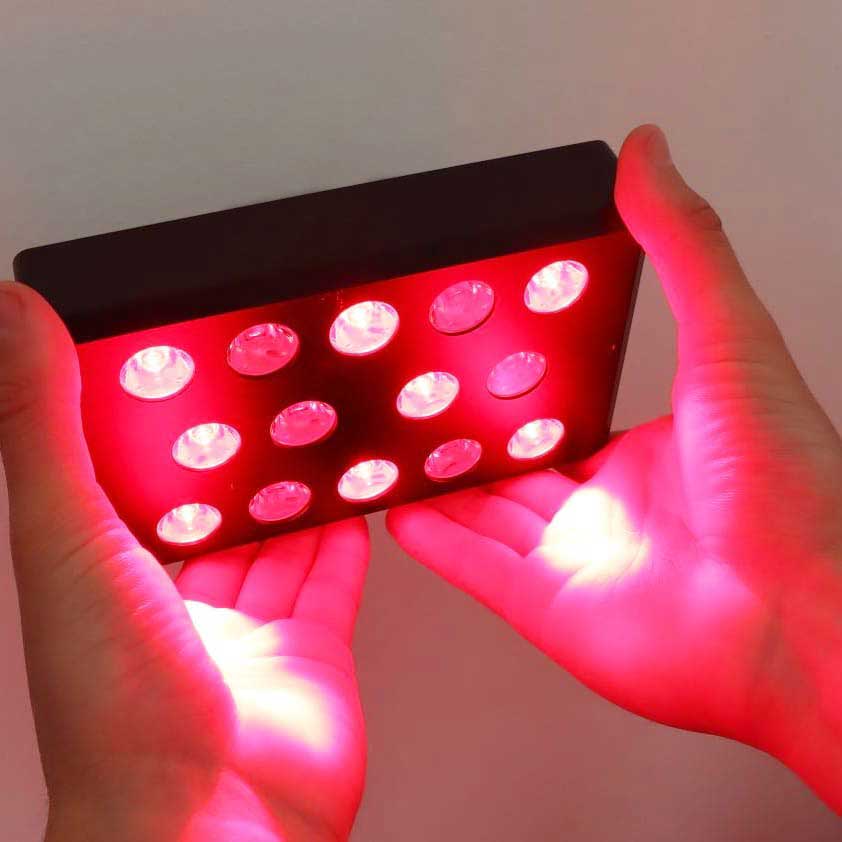
VELLGUS Elite V2
THE #1 RATED RED LIGHT DEVICE
Vellgus Red Light Elite V2 is an incredible way to experience the benefits of multiwave technology spectrum: 480nm 630nm, 660nm, 810nm, 830nm, 850nm. No other red/NIR light device available provides the multi-wave R+| NIR+ spectral output.
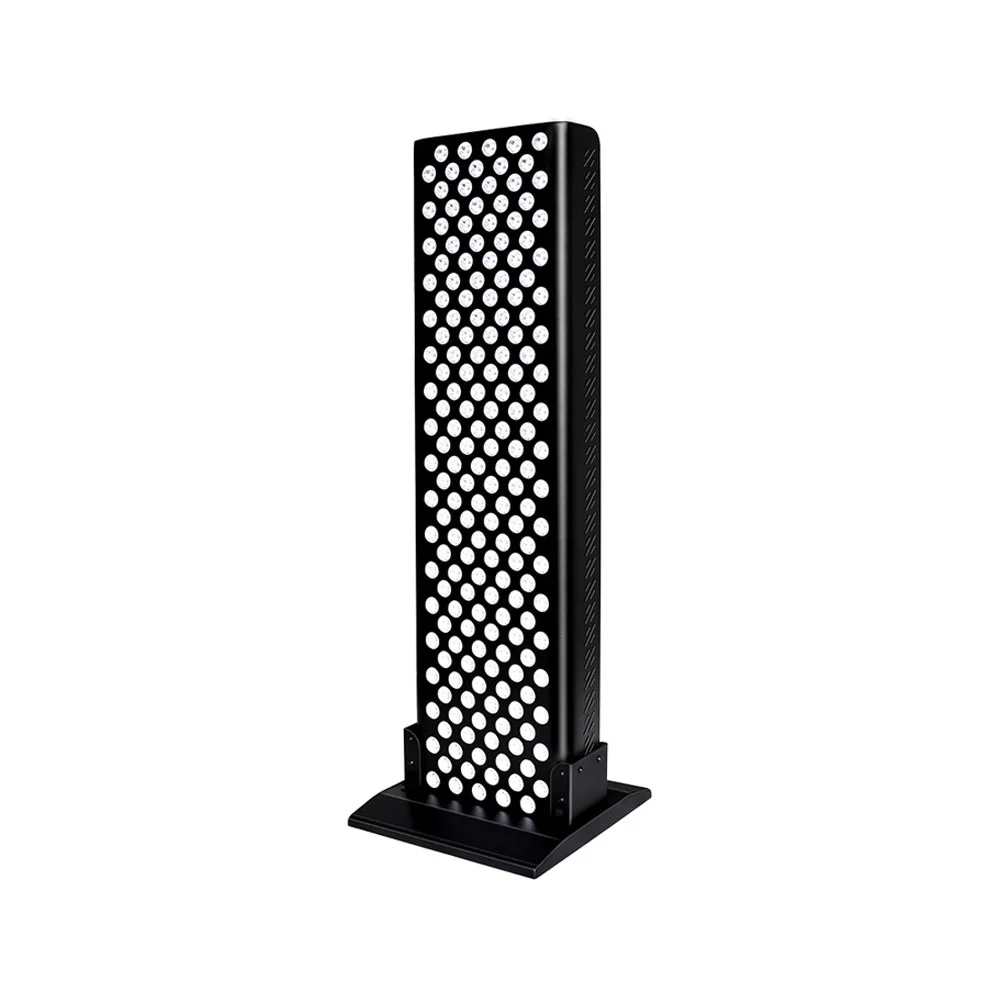
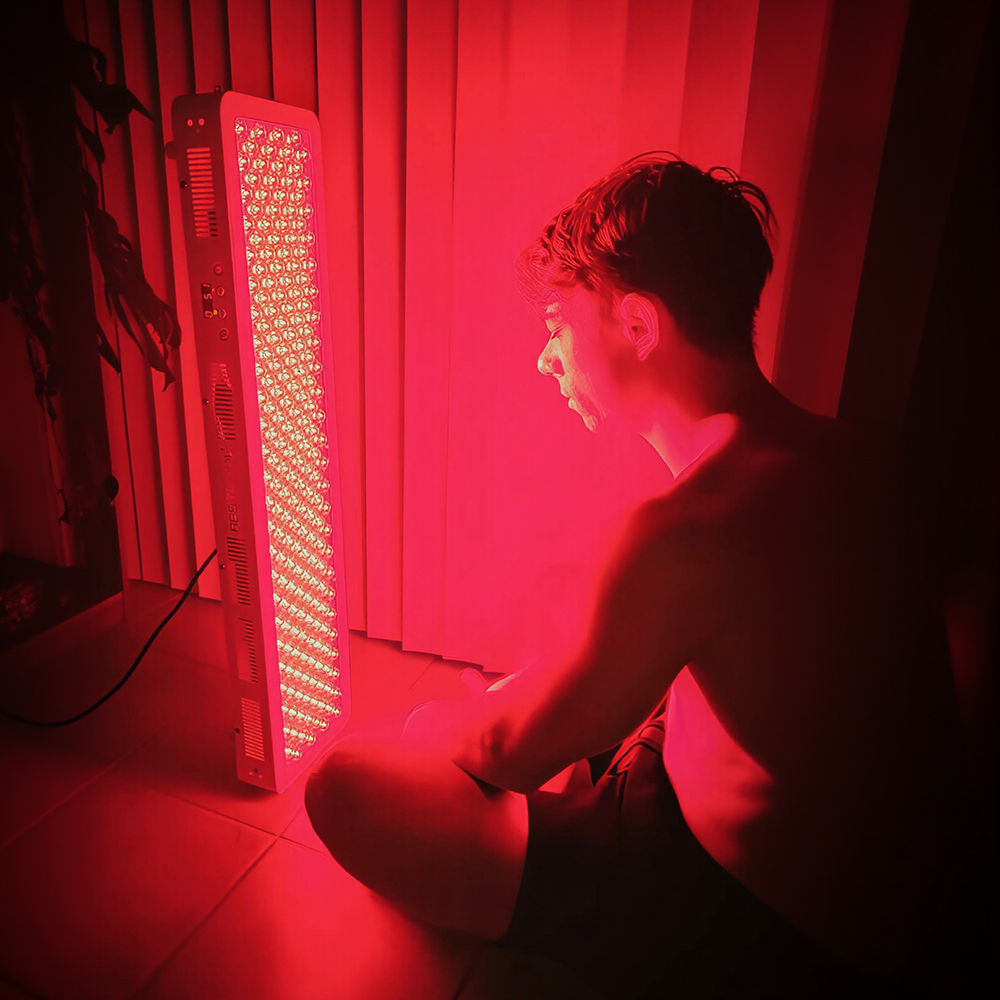
VELLGUS max 300
THE #1 RATED FULL BODY RED LIGHT DEVICE
Upgrade your red light therapy experience and take it to the next level with VELLGUS Red Light Max 300. This device is specifically designed for those wanting a brighter and more intense red light treatment
How Photobiomodulation Works in Auditory Tissue
PBM’s primary mechanism involves absorption of red and near-infrared light by cytochrome c oxidase, a key enzyme in the mitochondrial electron transport chain. This absorption triggers:
- Increased ATP production — providing energy for cellular repair and maintenance
- Modulation of reactive oxygen species — reducing oxidative damage without eliminating beneficial signaling
- Nitric oxide release — improving local microcirculation
- Anti-inflammatory effects — downregulating pro-inflammatory cytokines such as TNF-α and IL-6
These mechanisms are particularly relevant to the cochlea, where energy demand is high and blood supply is limited.
Evidence for PBM in Presbycusis and Hearing Loss
Human Clinical Evidence
The human evidence base remains limited but is growing. A systematic review identified 17 PBM studies across animal, human, and ex vivo models, with only one randomized controlled trial (RCT) in humans. That study, by Goodman et al. (2019), used a 532/635 nm combination laser in 30 adults with hearing loss. The trial was double-blind and placebo-controlled, but found no significant differences between treatment, placebo, and control groups in audiometry, speech comprehension, or cochlear function.
A 2020 study referenced in clinical Q&A literature suggested that transcranial photobiomodulation improved hearing thresholds in some patients with age-related hearing loss, though full peer-reviewed details remain limited.
More promising signals come from tinnitus research, which often coexists with presbycusis. A triple-blind RCT found that PBM associated with vestibular rehabilitation produced statistically significant improvements in tinnitus intensity and handicap scores compared to placebo. A separate study using 830 nm infrared laser reported significant reductions in tinnitus duration.
Animal and Preclinical Evidence
Animal studies provide more consistent support for PBM’s cytoprotective effects:
- Lee et al. (2016): 808 nm PBM in gerbils with ouabain-induced auditory neuropathy improved auditory brainstem response (ABR) thresholds and preserved spiral ganglion neurons, neurofilaments, and postsynaptic puncta
- Tamura et al. (2016): PBM accelerated ABR recovery in noise-exposed rats with reduced oxidative stress and apoptotic markers
- Lee et al. (2019): 808 nm laser rescued cochlear synaptopathy after acoustic overexposure, maintaining auditory temporal processing ability
These findings suggest PBM may protect neural structures and synapses before irreversible hair cell loss occurs.
Summary Table: PBM Evidence for Presbycusis
Auditory Processing Disorder: A Different Clinical Target
Auditory processing disorder (APD) is not a hearing loss in the traditional sense. Individuals with APD typically have normal pure-tone thresholds but struggle to process complex auditory information—particularly speech in noise, rapid temporal sequences, and binaural integration. APD is associated with neural timing deficits, reduced cortical activation, and impaired auditory pathway maturation, particularly in developmental populations.
PBM Research in APD
One of the most intriguing investigations comes from Silva et al., who studied 59 subjects (ages 7–53) with normal hearing sensitivity but diagnosed auditory processing difficulties, learning disabilities, and attention deficits. Participants received 10 sessions of MultiWave Locked System (MLS) laser stimulation targeting auditory neurons.
The researchers used event-related auditory cortical potentials (AERP) —specifically the contingent negative variation (CNV), P200, and P300—to objectively measure changes in cortical auditory processing. Their hypothesis: if PBM can enhance mitochondrial function and neural plasticity in auditory pathways, it might accelerate maturation and improve functional performance.
While full results are not fully accessible in the search results, the study’s design and rationale are significant. It represents one of the few attempts to apply PBM to central auditory dysfunction rather than peripheral hearing loss. The theoretical basis—that PBM may maximize neural plasticity and accelerate maturation of auditory processing networks—aligns with broader neuroscience research on photobiomodulation’s effects on cortical function.
Comparison: Presbycusis vs. APD as PBM Targets
| Feature | Presbycusis | Auditory Processing Disorder |
|---|---|---|
| Primary pathology | Hair cell loss, synaptopathy, vascular decline | Neural timing deficits, cortical processing dysfunction |
| Hearing thresholds | Elevated (hearing loss present) | Normal |
| PBM target | Cochlear cells, spiral ganglion neurons | Auditory cortex, neural pathways |
| Delivery approach | Transmeatal or mastoid placement | Transcranial or auricular |
| Evidence level | Animal studies moderate; human RCT equivocal | Early clinical case series only |
| Therapeutic goal | Protection, preservation | Plasticity enhancement, maturation |
Critical Limitations and Professional Considerations
1. Light Penetration Challenges
The cochlea sits within the dense temporal bone, one of the hardest bones in the body. Red light (630–660 nm) penetrates only a few millimeters, while near-infrared (808–830 nm) reaches deeper but may still be attenuated before reaching cochlear structures. The German Tinnitus League has stated that claims about red light reaching the auditory nerve are “physically untenable”.
2. Heterogeneous Protocols
Studies vary widely in:
- Wavelength (630 nm to 1072 nm)
- Power density (5 mW to 1000 mW)
- Delivery method (transmeatal, mastoid, transcranial)
- Treatment duration (single session to 10 weeks)
- Energy dose (4 J to 164 J/cm²)
This heterogeneity precludes meta-analysis and makes clinical recommendations difficult.
3. Lack of Standardization
A systematic review of PBM in speech-language-hearing sciences concluded that there is no robust evidence for therapeutic effects due to inconsistent dosimetry and application protocols. The field lacks consensus on optimal treatment parameters.
4. Placebo Effect and Commercial Claims
Many commercial devices make claims that exceed the evidence. Tinnitus UK has evaluated multiple red light products and found no published research on the specific devices and evidence that low-level laser therapy is “no better than placebo” for tinnitus.
Clinical Recommendations
Based on current evidence, PBM should be positioned as an experimental adjunct, not a primary treatment:
- For presbycusis: Continue hearing aids and audiological care as the foundation. PBM may be discussed as a complementary option with realistic expectations—potential benefits are likely modest and primarily related to tinnitus reduction and cellular protection, not hearing restoration.
- For APD: PBM remains highly experimental. Any use should be within a research context or under specialist supervision. Behavioral therapies and auditory training remain the evidence-based standard.
- Safety: PBM at therapeutic doses appears well-tolerated, but high-power devices should be avoided over active infections, tumors, or recent surgical sites.
- Realistic outcomes: Track subjective changes in tinnitus intensity, speech clarity, and listening comfort over 8–12 weeks. If no changes occur, reassessment is reasonable.
Frequently Asked Questions
1. Can red light therapy cure age-related hearing loss (presbycusis)?
No. There is no evidence that PBM restores lost hair cells or reverses established hearing loss. Current research suggests it may protect remaining cells and synapses and potentially reduce associated tinnitus, but it is not a cure.
2. How does red light therapy reach the inner ear?
Red light (630–660 nm) penetrates only superficial tissue. Near-infrared light (808–830 nm) penetrates deeper but still faces attenuation by the temporal bone. Most clinical protocols use transmeatal (through the ear canal) or mastoid (behind the ear) placement to minimize distance to the cochlea. Direct reach to cochlear hair cells remains debated.
3. Is there scientific evidence for PBM in auditory processing disorder?
Evidence is very limited. One clinical case series (Silva et al.) investigated MLS laser in 59 subjects with APD, using event-related potentials to measure cortical changes. While the rationale is biologically plausible—enhancing neural plasticity and mitochondrial function—no large RCTs exist, and PBM is not an established APD treatment.
4. What do doctors say about red light therapy for hearing?
Professional opinion is cautious. A physician responding to patient queries noted that PBM “might enhance mitochondrial function” but “should serve as a complement to, rather than a replacement for, conventional treatments”. Audiologists generally recommend hearing aids, assistive listening devices, and auditory training as first-line interventions.
5. Are at-home red light devices for hearing worth trying?
Proceed with caution. Many commercial devices lack published clinical evidence, and regulatory oversight varies. If considering at-home use, look for devices with transparent dosimetry specifications and consult an audiologist. Avoid devices that promise “hearing restoration” or claim to reach deep cochlear structures without evidence. The risk is not primarily physical harm—it is financial cost and delayed access to proven care.
Conclusion
Photobiomodulation represents a biologically plausible but clinically unproven approach to presbycusis and auditory processing disorder. Animal studies demonstrate consistent cytoprotective and neuroprotective effects, but human RCTs are scarce and largely equivocal. The most defensible current applications are tinnitus management and cellular protection in early-stage auditory decline, not restoration of lost hearing.
For presbycusis, PBM may eventually find a role as an adjunct to hearing aids and audiological rehabilitation. For APD, the evidence is even more preliminary, though the rationale for enhancing cortical plasticity is intriguing.
Patients and clinicians should approach PBM with informed optimism tempered by evidence-based skepticism. The therapy is not a substitute for comprehensive audiological care—but it may, in time, become a valuable complement to it.