 Free Shipping
  Buy Now, Pay Later
  Eligible

Does Red Light Therapy Help with Mastoiditis? A Professional Guide to the Evidence
Important Medical Disclaimer: Mastoiditis is a serious bacterial infection of the mastoid bone that requires prompt medical evaluation and treatment. Red light therapy should never be used as a substitute for prescribed antibiotics or surgical intervention. Always consult a qualified otolaryngologist before initiating any complementary therapy.
Understanding Mastoiditis: A Medical Emergency Requiring Immediate Care
Mastoiditis is an acute bacterial infection of the mastoid air cells, typically occurring as a complication of acute otitis media . The condition most commonly affects children and requires prompt medical intervention to prevent serious complications including hearing loss, meningitis, brain abscess, and sepsis .
Symptoms include:
- Erythema and tenderness over the mastoid process
- Postauricular edema and fluctuation
- Displacement of the pinna
- Fever and ear pain
Standard treatment protocol involves hospitalization, intravenous antibiotics (typically ceftriaxone), and surgical intervention in severe or refractory cases . Given the potentially life-threatening nature of this condition, any complementary therapy must be discussed with the treating physician.
The Science Behind Red Light Therapy (Photobiomodulation)
Red light therapy, clinically termed photobiomodulation (PBM), uses low-level laser or LED light in the red (600-700 nm) and near-infrared (800-1000 nm) spectrum to influence cellular function . Unlike surgical lasers, PBM is non-thermal and non-invasive.
Proposed mechanisms relevant to mastoiditis:
- Mitochondrial stimulation: Light absorption by cytochrome c oxidase increases ATP production, enhancing cellular repair and anti-inflammatory responses .
- Macrophage polarization: PBM appears to promote a shift from pro-inflammatory (M1) to anti-inflammatory (M2) macrophage phenotypes, potentially aiding in resolving inflammation in ENT tissues .
- Vasodilation and edema reduction: PBM has been shown to reduce local edema, which may contribute to pain relief in inflammatory conditions .
Historical and Contemporary Evidence for Red Light in Mastoiditis
Early Observations (1930s)
Historical medical literature documents the use of red light lamps for mastoiditis. According to archived records, “CEMACH konnte bei zahlreichen Fällen von Mastoiditis baldige Schmerzfreiheit und einen günstigen Heilungsablauf erreichen” — Cemach achieved rapid pain relief and favorable healing progression in numerous cases of mastoiditis using Sollux lamps . The physiological rationale included hyperemia, pain relief, and anti-inflammatory effects attributed to increased antibody flow to affected tissue .
Ballenger’s classic otolaryngology text similarly noted that “infection of the mastoid wound rapidly improves” under leukodescent light treatment, though the author acknowledged that no cures were achieved by light therapy alone .
Modern Evidence: PBM in Middle Ear and Mastoid Surgery
Contemporary research has examined PBM specifically in post-surgical mastoidectomy contexts. A study on photobiomodulation for chronic post-surgical pain after tympanomastoidectomy found that PBM “could treat chronic infection of the middle ear and mastoid at the same time and improve hearing loss after tympanomastoidectomy” . The authors noted that PBM is “a safe method for reducing pain and inflammation and can accelerate the recovery of soft tissues” .
Pediatric ENT Applications
A 2018 clinical study involving 62 children with acute ENT inflammatory diseases (including acute otitis media) evaluated red and blue LED light with infrared components. The study concluded that red monochromatic light combined with infrared “contributes to faster reduction of symptoms, pain syndrome, improvement of the function of ENT organs, and the patients’ rehabilitation” . While this study did not focus exclusively on mastoiditis, the findings support the anti-inflammatory and symptom-reducing potential of red light in adjacent ENT conditions.
Red Light Therapy vs. Standard Mastoiditis Treatment: A Comparison
Critical caveat: The historical and modern evidence for red light therapy in mastoiditis is not sufficient to replace antibiotics or surgery. Mastoiditis is a bacterial infection within bone tissue; light therapy cannot sterilize infected bone. PBM may theoretically support recovery alongside appropriate medical care, but this has not been established in controlled clinical trials for acute mastoiditis.
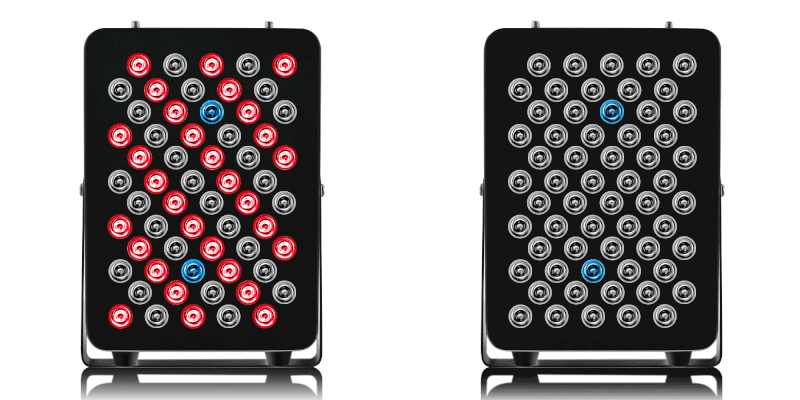
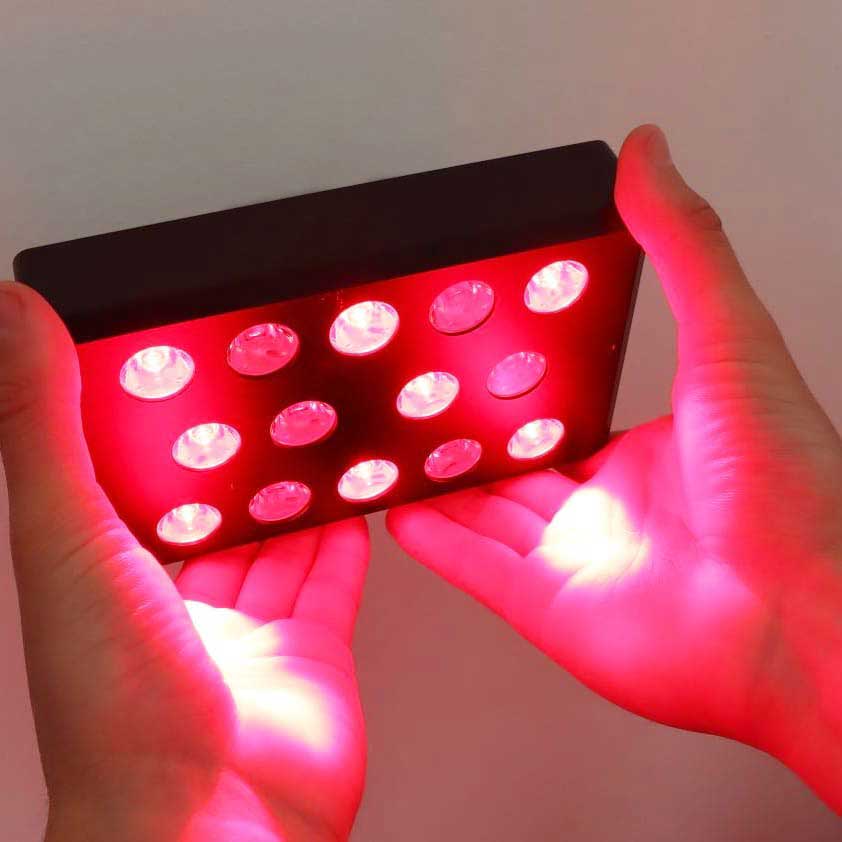
VELLGUS Elite V2
THE #1 RATED RED LIGHT DEVICE
Vellgus Red Light Elite V2 is an incredible way to experience the benefits of multiwave technology spectrum: 480nm 630nm, 660nm, 810nm, 830nm, 850nm. No other red/NIR light device available provides the multi-wave R+| NIR+ spectral output.
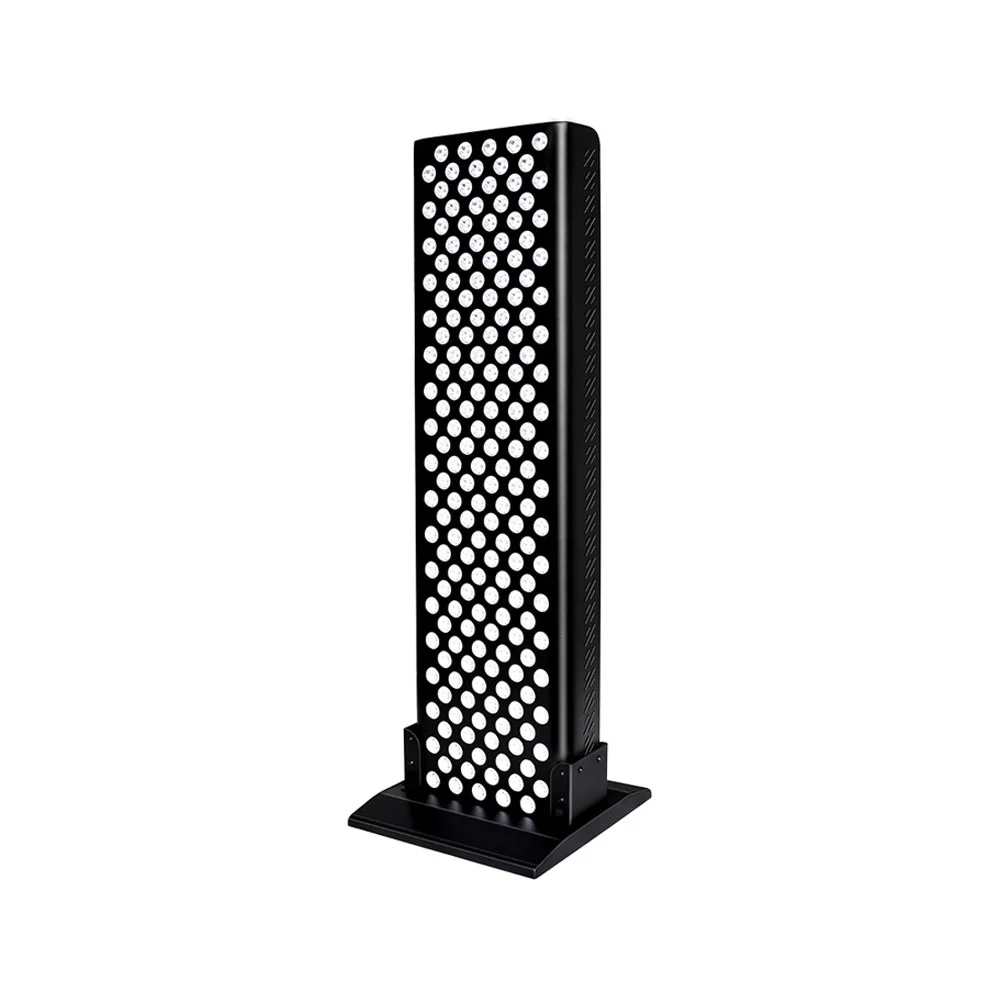
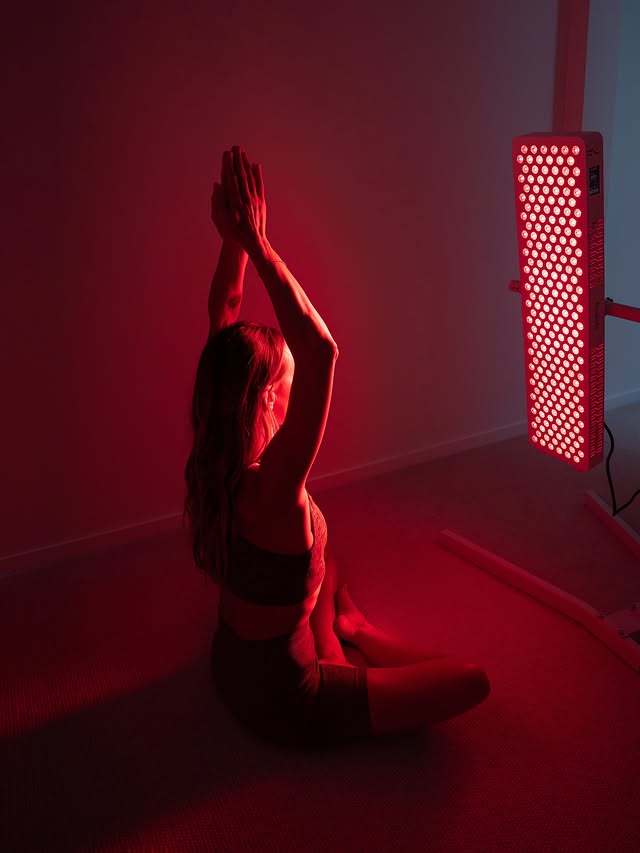
VELLGUS max 300
THE #1 RATED FULL BODY RED LIGHT DEVICE
Upgrade your red light therapy experience and take it to the next level with VELLGUS Red Light Max 300. This device is specifically designed for those wanting a brighter and more intense red light treatment
Practical Considerations for Patients and Clinicians
If considering red light therapy as complementary support:
- Never delay standard treatment: Antibiotics and surgical evaluation are non-negotiable for mastoiditis .
- Discuss with your otolaryngologist: Some clinicians may be open to adjunctive PBM for post-surgical pain or inflammation, given the evidence from tympanomastoidectomy studies .
- Understand the limitations: Red light therapy does not penetrate bone deeply enough to eliminate infection within mastoid air cells.
- Post-surgical context: PBM may have a role in accelerating wound healing and reducing pain after mastoidectomy, as supported by PBM literature .
Frequently Asked Questions
1. Can red light therapy cure mastoiditis on its own?
No. Mastoiditis is a bacterial infection of bone that requires antibiotics, and often surgery. Red light therapy cannot penetrate deeply enough into the mastoid bone to eliminate infection. It should never be used as a substitute for prescribed medical treatment .
2. Is there scientific evidence that red light therapy helps with mastoiditis?
The evidence is limited and largely historical or indirect. Early 20th-century reports described pain relief and favorable healing with red light lamps . Modern research shows PBM may help with post-tympanomastoidectomy pain and inflammation , but controlled trials specifically for acute mastoiditis are lacking.
3. What is the safest way to use red light therapy if I have ear or mastoid issues?
Only use red light therapy under medical supervision and alongside prescribed antibiotics or post-surgical care. Do not apply light therapy if you have an undrained abscess, active infection, or if your doctor has not approved it. PBM is generally well-tolerated, but safety in acute mastoiditis has not been established.
4. Can red light therapy help after mastoidectomy surgery?
Possibly, as a supportive measure. PBM has shown promise in reducing post-surgical pain and accelerating soft tissue recovery after tympanomastoidectomy . However, this should be discussed with your surgeon and integrated into a comprehensive post-operative plan.
5. What should I do if I suspect mastoiditis?
Seek emergency medical care immediately. Mastoiditis can progress to meningitis, brain abscess, or sepsis if untreated . Symptoms such as swelling, redness, and tenderness behind the ear, fever, and ear pain require urgent evaluation by a physician. Do not attempt self-treatment with light therapy or delay seeking professional care.