 Free Shipping
 Buy Now, Pay Later
 Eligible

Red Light Therapy for Cirrhosis: What the Evidence Actually Shows (and Where It Fits)

Bottom line up front: Red light therapy is not a cure for cirrhosis and should never replace antiviral therapy, alcohol cessation, or specialist hepatology care. However, a specific form of infrared/red light technology—delivered via medical-grade bio-information liver treatment devices—has been studied as an adjunctive therapy in China for improving liver microcirculation and reducing fibrosis markers in chronic hepatitis and compensated cirrhosis. The critical distinction is between clinical devices used under medical supervision and consumer red light panels marketed with unsupported claims. If you are considering red light therapy for cirrhosis, the evidence supports cautious, physician-supervised use as a supportive measure—not a primary treatment.
Why Cirrhosis Is So Hard to Treat (and Why Light Alone Won’t Reverse It)
Cirrhosis represents the end-stage of chronic liver injury: hepatocytes are replaced by fibrous scar tissue, architectural distortion occurs, and portal hypertension develops. Once cirrhosis is established, the fibrotic architecture is largely irreversible with current pharmacotherapy. The goals of care are to treat the underlying cause (viral suppression, alcohol abstinence, metabolic management), prevent decompensation, and screen for hepatocellular carcinoma.
Red light therapy—more precisely called photobiomodulation (PBM)—works by stimulating mitochondrial cytochrome c oxidase, increasing ATP production, and modulating inflammatory signaling. In animal models of liver fibrosis, PBM has been shown to reduce collagen deposition, downregulate pro-fibrotic mediators like TGF-β1, and decrease oxidative stress. But there is a fundamental anatomical problem: the human liver sits 2–5 cm below the skin surface, protected by the ribcage. Red light at 660 nm penetrates only 1–3 cm; near-infrared at 810–850 nm reaches 3–5 cm. Direct photobiomodulation of the entire cirrhotic liver is therefore physically implausible with surface-mounted LEDs.
This is why the most relevant clinical evidence comes not from consumer devices, but from bio-information infrared liver treatment instruments used in Chinese hepatology departments. These devices combine pulsed red and infrared light with biofeedback technology synchronized to the patient’s heart rate, applied directly over the liver region, and are used alongside antiviral or standard therapy—not in isolation.
What the Clinical Evidence Shows
Human Data: Adjunctive Use in Hepatitis B Cirrhosis
A 2025 randomized controlled trial published in the Journal of Practical Hepatology evaluated 84 patients with hepatitis B cirrhosis. All patients received entecavir (an antiviral). The observation group additionally received a bio-information infrared liver treatment device for three months. Results showed that serum fibrosis markers—hyaluronic acid, type III procollagen, and type IV collagen—were significantly lower in the combination group compared to antiviral therapy alone. Inflammatory cytokines (TGF-β1, IL-6, TNF-α) also decreased significantly. However, liver function indices, HBV markers, viral load, and portal vein parameters showed no significant difference between groups.
Interpretation: The device appeared to produce a short-term improvement in serum fibrosis markers, possibly through modulation of cytokine metabolism. It did not suppress the virus or reverse portal hypertension. This is consistent with an adjunctive role—not a replacement for antiviral therapy.
Real-World Hospital Adoption in China
Jingdezhen First People’s Hospital’s infectious disease department introduced a bio-information infrared liver treatment device in early 2026 for patients with chronic viral hepatitis, cirrhosis, and fatty liver. A case report described a 56-year-old woman with chronic hepatitis B and fatty liver who received two weeks of adjunctive treatment and showed marked improvement in liver function indices and symptom relief. The hospital explicitly positions the device as 协同增效 (“synergistic enhancement”) with medication, not as monotherapy.
Animal Data: Fibrosis and Inflammation Reduction
Multiple rodent studies support biological plausibility. A 2022 study in Life Sciences found that low-level laser therapy in carbon tetrachloride-induced fibrotic rats reduced collagen deposition, downregulated α-SMA and collagen 1A1/3A1, and suppressed oxidative and inflammatory markers via PPARγ and Nrf2/HO-1 signaling. A separate study in cirrhotic rats found that PBM applied to skeletal muscle (not the liver itself) improved muscle morphology and reduced systemic oxidative stress—relevant because sarcopenia is a major complication of cirrhosis.
Critical caveat: These are animal models. No published human randomized trial has demonstrated that red light therapy reverses established cirrhosis or prevents decompensation.
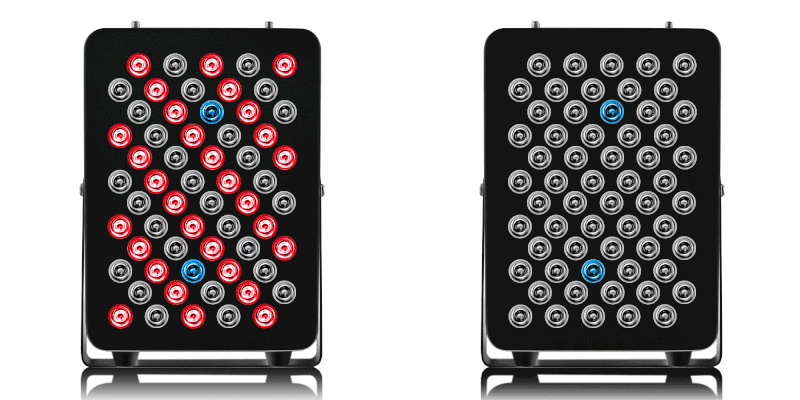
VELLGUS Elite V2
THE #1 RATED RED LIGHT DEVICE
Vellgus Red Light Elite V2 is an incredible way to experience the benefits of multiwave technology spectrum: 480nm 630nm, 660nm, 810nm, 830nm, 850nm. No other red/NIR light device available provides the multi-wave R+| NIR+ spectral output.
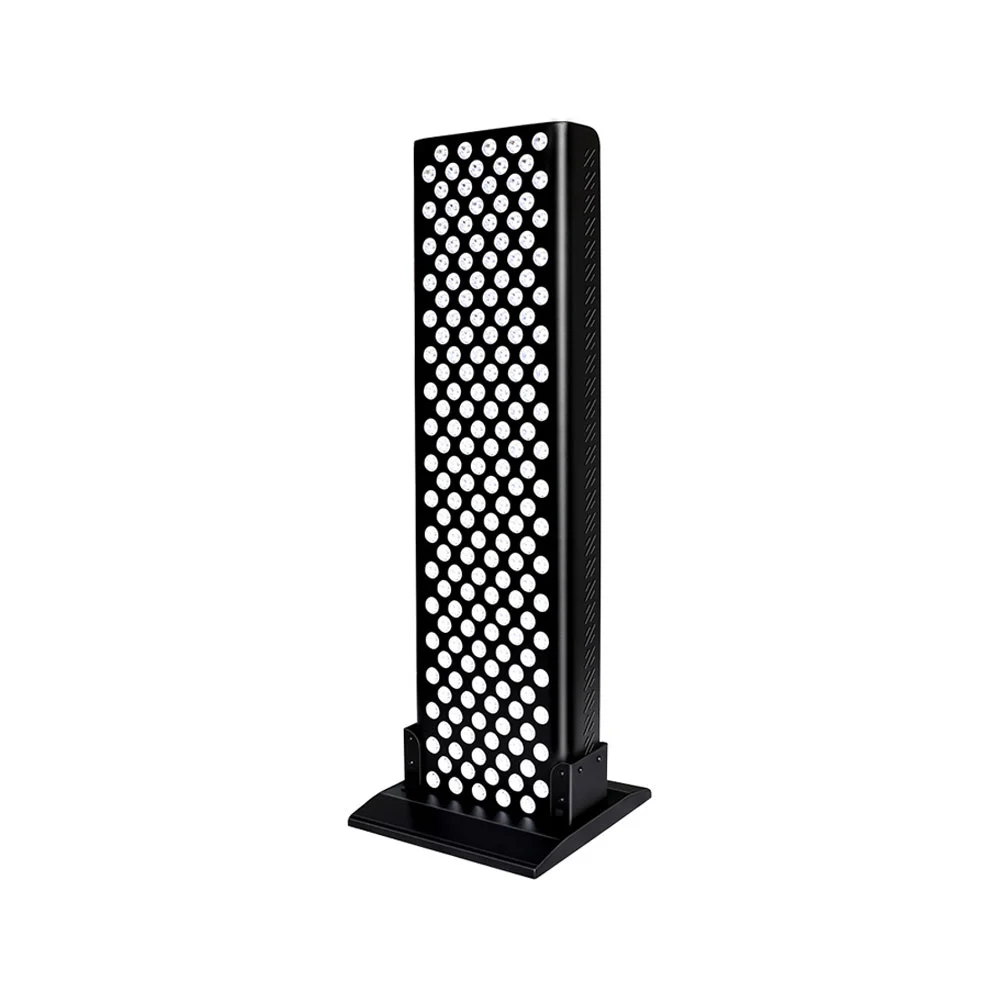
VELLGUS max 300
THE #1 RATED FULL BODY RED LIGHT DEVICE
Upgrade your red light therapy experience and take it to the next level with VELLGUS Red Light Max 300. This device is specifically designed for those wanting a brighter and more intense red light treatment
Comparison Table: Red Light Therapy Modalities for Liver Health
What a Reputable Doctor Would Tell You
Dr. Chen Guodong, Deputy Chief Physician at Peking University People’s Hospital, addressed the question directly: red light therapy is not recommended as a standalone treatment for cirrhosis. In his assessment, red light’s thermal effects may temporarily relieve skin itching or muscle soreness, but it cannot reverse fibrotic pathology or improve liver failure, ascites, or portal hypertension. He warned that improper temperature control could increase hepatic metabolic burden, and for patients with esophageal varices, heat exposure might theoretically trigger bleeding. He emphasized that red light should never replace antiviral therapy for hepatitis, alcohol abstinence for alcoholic liver disease, or diuretics for ascites.
This aligns with the clinical trial data: the benefits observed were in serum markers, not in hard clinical outcomes. A patient with cirrhosis should prioritize hepatology-directed care; red light therapy, if used at all, belongs in the “adjunctive” category alongside nutrition and exercise—not in the “treatment” category alongside antivirals.
Frequently Asked Questions
1. Can red light therapy cure cirrhosis?
No. No human study has shown that red light therapy reverses cirrhosis. The fibrotic architecture of cirrhosis is not reversed by photobiomodulation in any published clinical trial. Animal studies show reduction in fibrosis markers, and one human RCT showed improvement in serum fibrosis indices when a clinical infrared device was added to antiviral therapy—but this does not constitute a cure, and liver function and portal hypertension did not improve significantly. Cirrhosis requires ongoing specialist management.
2. Is there any human evidence for red light therapy in liver disease?
Yes, but it is limited and specific. A 2025 RCT in hepatitis B cirrhosis patients found that a bio-information infrared liver treatment device, used alongside entecavir, improved serum fibrosis markers (hyaluronic acid, type III procollagen, type IV collagen) and reduced inflammatory cytokines compared to antiviral therapy alone. However, there are no published human trials of consumer red light panels for cirrhosis, and a U.S. clinical trial of LLLT for NASH was withdrawn before enrollment due to recruitment difficulties. The evidence supports clinical devices used under supervision, not home devices.
3. Can I just use a red light panel at home for my liver?
Not with any expectation of treating cirrhosis. Consumer red light panels emit 660–850 nm light that penetrates 1–5 cm at best. The liver sits behind skin, fat, muscle, and ribs; the dose reaching hepatic tissue from a surface panel would be negligible. There is no clinical evidence that home red light panels improve cirrhosis outcomes, and relying on one instead of medical care could delay effective treatment. If you use a panel for general wellness, that is a separate matter—but do not substitute it for hepatology care.
4. Is red light therapy safe for someone with cirrhosis?
Generally yes, with caveats. Clinical infrared liver devices used in hospital settings have been used without reported serious adverse events in published studies. However, Dr. Chen Guodong cautions that heat from red light devices could theoretically increase metabolic burden or, in patients with esophageal varices, contribute to bleeding risk if temperature is not controlled. Patients with decompensated cirrhosis, ascites, or varices should not use any heat-generating device over the abdomen without explicit approval from their hepatologist. Never apply red light directly over the liver area at home without medical guidance.
5. What should a cirrhosis patient actually do?
Follow hepatology-directed care first. This means: antiviral therapy if hepatitis B or C is the cause; complete alcohol abstinence if alcohol-related; weight management and metabolic control if MASLD/MASH is the cause; regular surveillance for hepatocellular carcinoma with ultrasound and alpha-fetoprotein; and management of complications (ascites, varices, encephalopathy) as they arise. If you are interested in adjunctive therapies, ask your hepatologist about clinical infrared liver treatment devices—but understand that these are supportive measures, not cures, and are not standard of care in most countries outside China. Red light therapy should be discussed with your doctor, not used instead of your doctor’s plan.
Medical Disclaimer: This article is for informational purposes only and does not constitute medical advice. Cirrhosis is a serious, potentially life-threatening condition. Always consult a qualified hepatologist or gastroenterologist before starting, stopping, or modifying any treatment, including adjunctive therapies.