 Free Shipping
 Buy Now, Pay Later
 Eligible

Red Light Therapy for Hyperopia: What the Evidence Actually Shows (and Who It’s For)
Red light therapy is not an approved cure for hyperopia, but emerging evidence suggests a specific, medically supervised application: accelerating axial elongation in hyperopic children to support emmetropization. This distinction matters. The same photobiomodulation mechanism that has made red light famous for slowing myopia progression appears to work in reverse in hyperopic eyes—encouraging growth rather than halting it . However, this is early-stage science, requires a prescription-grade device and physician oversight, and carries risks that consumer red-light masks do not address.
If you are an adult with hyperopia searching for a non-surgical alternative to glasses or LASIK, the current answer is straightforward: red light therapy is not an established treatment for adult hyperopia. If you are a parent of a hyperopic child, the picture is more nuanced—and more promising.
The Science of Red Light and Eye Growth
Red light therapy, clinically termed photobiomodulation or low-level light therapy, uses wavelengths around 650 nm to stimulate mitochondrial cytochrome c oxidase, enhancing ATP production and modulating vascular perfusion . In the eye, this translates to measurable changes in choroidal thickness and blood flow—both of which influence scleral growth signaling and axial length.
The critical insight for hyperopia is that axial length is the primary determinant of refractive error. A hyperopic eye is typically too short; a myopic eye is too long. The emmetropization process during childhood normally coordinates eye growth to reach emmetropia. When it falls short, hyperopia persists.
Animal models first demonstrated that narrow-band red light can deliberately slow axial elongation and produce hyperopic shifts in tree shrews . The human application flips this logic: if red light can slow growth in myopic eyes, might it accelerate growth in hyperopic eyes that need it?
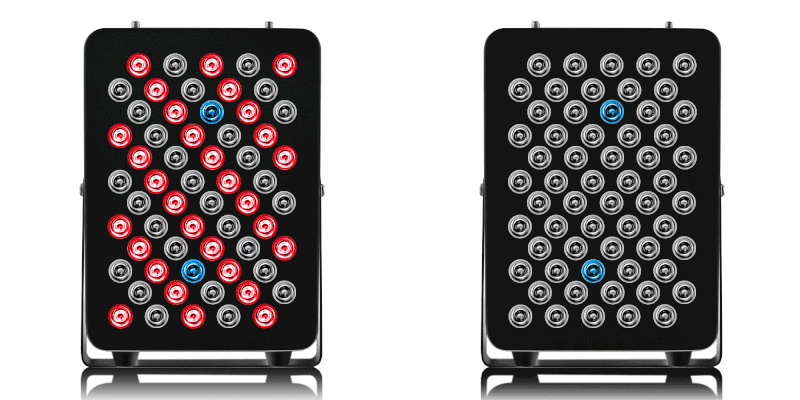
VELLGUS Elite V2
THE #1 RATED RED LIGHT DEVICE
Vellgus Red Light Elite V2 is an incredible way to experience the benefits of multiwave technology spectrum: 480nm 630nm, 660nm, 810nm, 830nm, 850nm. No other red/NIR light device available provides the multi-wave R+| NIR+ spectral output.
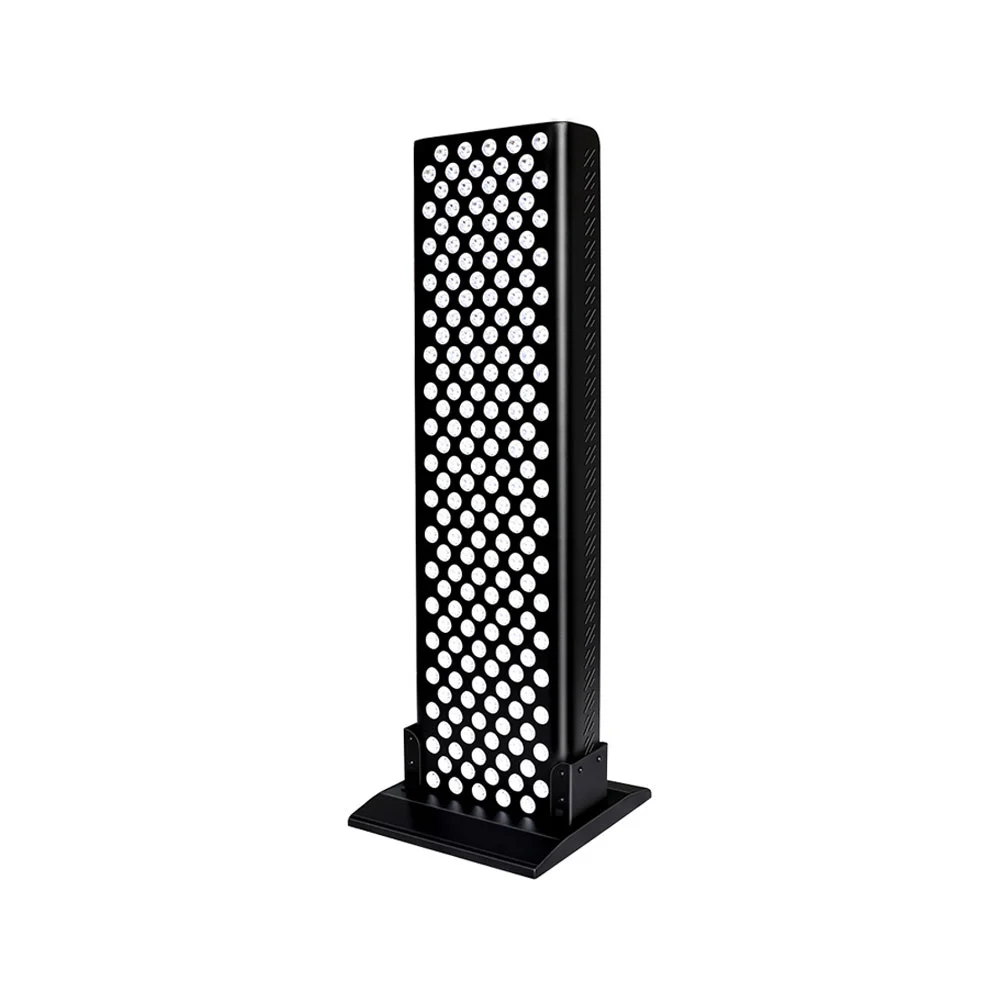
VELLGUS max 300
THE #1 RATED FULL BODY RED LIGHT DEVICE
Upgrade your red light therapy experience and take it to the next level with VELLGUS Red Light Max 300. This device is specifically designed for those wanting a brighter and more intense red light treatment
The Landmark 2026 Study: What It Found
The most direct human evidence comes from a 2026 bidirectional cohort study published in Photodiagnosis and Photodynamic Therapy. Researchers tracked 201 hyperopic children aged 4–13, comparing 51 who received low-level LED red-light therapy against 150 spectacle-only controls .
Key findings:
| Outcome | LED Group | Control Group | Statistical Significance |
|---|---|---|---|
| Axial elongation rate | +0.082 mm/year faster | Reference | p < 0.001 |
| Anisometropic subgroup (treated vs. fellow eye) | +0.167 mm/year faster in treated eye | Fellow eye slower | p < 0.001 |
| Interocular axial disparity | Reduced | — | Significant |
The anisometropic subgroup analysis is particularly compelling: in children with unequal hyperopia, treating only one eye produced measurable differential growth, strengthening the causal inference . The authors concluded that LED red-light therapy “significantly accelerates axial elongation in hyperopic children” and may promote “more balanced binocular refractive development.”
A separate 2025 study from Chongqing Medical University examined children with insufficient hyperopia reserve—a pre-myopia state—and found that 650 nm red light therapy over six months increased hyperopic reserve, shortened axial length, and thickened the choroid, with no retinal structural damage detected . While the population differs (insufficient reserve rather than established hyperopia), the direction of effect is consistent: red light influences axial growth in a dose-dependent, biologically plausible manner.
Why This Is Not a Consumer DIY Treatment
The gap between clinical evidence and at-home application is substantial. Three factors separate legitimate therapeutic use from risky self-treatment.
First, device specifications matter enormously. The studies used precise wavelengths (650 ± 10 nm), controlled irradiance, and defined treatment protocols—typically 3 minutes twice daily with at least 4 hours between sessions . Consumer red-light masks vary wildly in output, and the manufacturers often do not recommend eye protection, exposing users to uncontrolled retinal irradiance.
Second, the mechanism carries real risks. A 2026 case report documented bilateral angle-closure glaucoma with ciliochoroidal effusions in a 43-year-old woman using an at-home red-light mask without eye protection . The proposed mechanism—red-light-induced vasodilation of the uvea—is the same mechanism that underlies the therapeutic effect. Choroidal thickening is desirable in a monitored pediatric hyperopia protocol; it is dangerous when it precipitates acute angle closure in an unscreened adult.
Third, the evidence base is pediatric and preliminary. Dr. Lisa Ostrin, a vision scientist at SUNY College of Optometry, has stated clearly that red light therapy does not currently have strong evidence for improving farsightedness in otherwise healthy eyes . The 2026 cohort study, while promising, is single-center and short-term. Long-term safety data—particularly regarding retinal exposure over years of childhood treatment—remain incomplete.
Comparison: Red Light Therapy vs. Established Hyperopia Treatments
| Treatment | Mechanism | Evidence Level | Best Candidate | Key Limitations |
|---|---|---|---|---|
| Red light therapy (RLRL) | Photobiomodulation; choroidal thickening; accelerated axial elongation | Early clinical (cohort studies, n≈200) | Hyperopic children with anisometropia or insufficient reserve, under specialist care | Not FDA-approved for hyperopia; long-term safety unknown; requires prescription device |
| Spectacles | Optical correction | Established standard of care | All ages | Does not treat underlying axial length; compliance varies |
| Contact lenses | Optical correction | Established | Adolescents and adults | Hygiene requirements; infection risk |
| Orthokeratology | Corneal reshaping | Moderate (primarily myopia evidence) | Selected pediatric cases | Less studied for hyperopia; risk of keratitis |
| LASIK / refractive surgery | Corneal ablation | Established | Adults with stable refraction | Surgical risks; not for children |
| Vision therapy | Accommodative training | Variable | Accommodative dysfunction, not axial hyperopia | Does not change eye length |
The comparison makes the niche clear: red light therapy is not competing with glasses for routine hyperopia correction. It is being investigated as an adjunctive biological intervention for children whose eyes are not elongating sufficiently during the emmetropization window—a fundamentally different clinical problem.
Safety Profile and Contraindications
Absolute contraindications for ocular red light therapy include active retinal disease, unexplained visual symptoms, significant light sensitivity, and a history of eye surgery . Individuals with photosensitive conditions, epilepsy, or medications that increase light sensitivity should not use red light devices near the face .
Monitoring requirements in clinical protocols include baseline and follow-up axial length measurement, cycloplegic refraction, and OCT imaging to assess choroidal and retinal integrity . The Chongqing study specifically performed fundus autofluorescence at six months and found no macular structural damage or abnormal retinal fluorescence .
Red flags during treatment include eye pain, sudden vision changes, persistent afterimages, or new light sensitivity. The angle-closure case resolved completely after cessation and medical management, but it underscores that “non-invasive” does not mean “risk-free” .
Frequently Asked Questions
Can red light therapy cure hyperopia in adults?
No. There is no evidence that red light therapy reshapes an adult eye or eliminates the need for reading glasses or distance correction. The biological window for influencing axial length through emmetropization closes after childhood. Dr. Ostrin explicitly states that red light therapy does not improve farsightedness in otherwise healthy eyes . Adults considering refractive correction should discuss glasses, contact lenses, or surgical options with their eye care provider.
Is red light therapy FDA-approved for hyperopia?
No. Red light therapy is not FDA-approved for hyperopia or any refractive error. An FDA-authorized prescription photobiomodulation device exists for dry age-related macular degeneration, but this is a distinct indication and device . The hyperopia research uses off-label or investigational protocols, which is why physician supervision is essential.
At what age is red light therapy most effective for hyperopic children?
The 2026 study included children aged 4–13, and the emmetropization mechanism is most active in early childhood . However, the study did not stratify outcomes by age to determine an optimal window. The animal literature suggests that even juvenile and adolescent tree shrews retain the capacity to respond to red light with slowed axial growth, indicating that the mechanism remains partially active beyond infancy . A pediatric ophthalmologist or optometrist should assess individual candidacy based on axial length percentile, refractive error trajectory, and binocular status.
Can I use a consumer red light mask on my child’s eyes for hyperopia?
Absolutely not. Consumer red-light masks are not designed for ocular therapy, do not provide the controlled irradiance or wavelength specificity used in clinical studies, and often lack eye protection. The documented case of angle-closure glaucoma occurred in an adult using a consumer mask without eye protection . Pediatric eye-directed light therapy should only be delivered through a regulated clinical protocol with a prescription device and regular monitoring.
What should I ask my eye doctor before considering red light therapy for my child?
Ask these specific questions: (1) Is my child’s hyperopia associated with insufficient axial elongation, or is it a different mechanism? (2) What is the current axial length percentile, and what growth trajectory would we expect without intervention? (3) Does your practice have access to a protocol or clinical trial using red light therapy for hyperopia? (4) What monitoring—OCT, axial length, cycloplegic refraction—will be performed and at what intervals? (5) What are the specific device specifications (wavelength, irradiance, session duration) and who will train us on proper use? If your doctor cannot answer these questions with reference to published protocols, the treatment is not ready for your child.
The Bottom Line
Red light therapy for hyperopia is a real but narrow clinical hypothesis with promising early pediatric data. It is not a wellness trend to try at home, not an adult treatment, and not a replacement for glasses when glasses are what a child needs to see clearly and develop normally. The 2026 cohort study is a meaningful signal that photobiomodulation can influence axial growth in both directions—slowing it in myopia, accelerating it in hyperopia—but the translation from bench to bedside requires the same rigor that any pediatric intervention demands. For families navigating childhood hyperopia, the conversation with a pediatric eye specialist should come first; red light therapy is a question to ask, not an answer to buy.