 Free Shipping
 Buy Now, Pay Later
 Eligible

Red Light Therapy for Diabetic Retinopathy: What the Evidence Actually Shows (and What It Doesn’t)
Diabetic retinopathy remains a leading cause of preventable blindness in working-age adults, and patients are increasingly asking whether red light therapy—photobiomodulation—can help. The short answer: the science is promising but not yet definitive. High-quality randomized evidence in humans is limited, and the most rigorous trial to date failed to meet its primary endpoint for diabetic macular edema. Here is a clear-eyed, clinically grounded assessment of where red light therapy stands for diabetic eye disease, what mechanisms support its use, and how it compares to established treatments.
What Is Red Light Therapy (Photobiomodulation)?
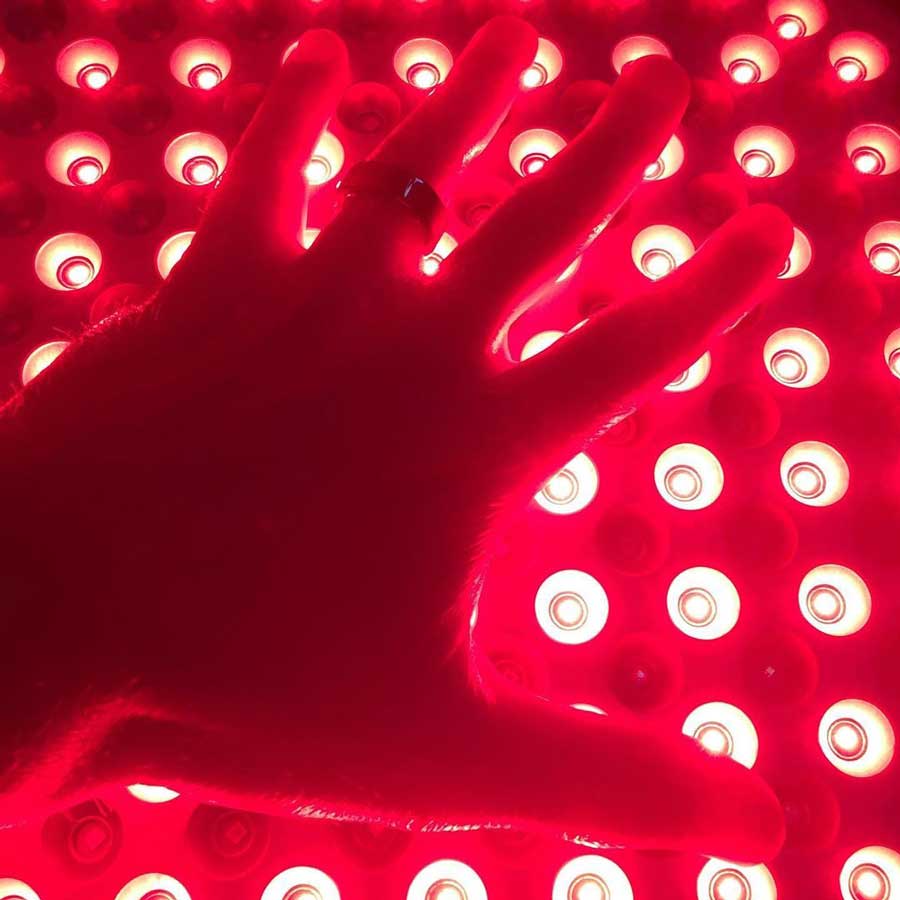
Photobiomodulation (PBM) uses low-intensity red to near-infrared light—typically in the 630–900 nm range—to stimulate cellular processes without generating heat or causing tissue damage . Unlike the destructive laser photocoagulation used in conventional retinopathy treatment, PBM delivers photons at energy levels that are absorbed by mitochondrial photoacceptors, particularly cytochrome c oxidase, triggering downstream signaling that improves energy metabolism, reduces oxidative stress, and dampens inflammation .
The therapeutic rationale for retinopathy is biologically plausible. Diabetic retinal damage involves mitochondrial dysfunction, chronic low-grade inflammation, and impaired microvascular function. PBM targets the mitochondrial engine of that dysfunction directly.
The Evidence in Diabetic Retinopathy: Mouse Models vs. Human Trials
Preclinical Signals Are Encouraging
In pigmented diabetic mice, daily 670 nm PBM for 10 weeks—initiated four weeks after diabetes onset—significantly reduced retinal superoxide generation and leukostasis, lowered ICAM-1 expression, and improved visual performance . Notably, benefits were observed even when the head was shielded during treatment, suggesting systemic or indirect mechanisms alongside direct retinal effects .
A 2024 study in a type 2 diabetes mouse model similarly found that prolonged deep red light mitigated incipient retinal deterioration, though the authors emphasized that PBM improved mitochondrial metabolism without fully preventing structural retinal damage under high-glucose conditions . In other words, PBM may slow or modulate damage, not reverse it entirely.
The Human Data: A Reality Check
The most rigorous clinical test of PBM for diabetic eye disease came from DRCR Protocol AE, a randomized trial evaluating PBM for center-involved diabetic macular edema (DME) with good visual acuity. The results were sobering for enthusiasts:
| Outcome | PBM vs. Sham (Protocol AE) |
|---|---|
| Central subfield thickness (CST) reduction | Failed to meet primary endpoint |
| Visual acuity change | +0.4 ETDRS letters (95% CI −1.3 to 2.0; not significant) |
| Adverse events | 8 possibly device-related (photophobia, eye ache, color vision changes) |
A systematic review and exploratory meta-analysis of PBM for DME summarized the landscape bluntly: “Because only one RCT was available, no controlled meta-analysis was performed” . The pooled single-arm data suggested a mean central retinal thickness change of −34.0 µm, but the authors cautioned that this “should not be interpreted as a controlled treatment effect” due to heterogeneity and lack of sham controls . Best-corrected visual acuity changes in single-arm studies pooled to +4.1 ETDRS letters, again with wide confidence intervals that crossed zero .
The clinical takeaway: Red light therapy has not yet demonstrated the kind of robust, reproducible visual or anatomical benefit in randomized human trials that would justify replacing or delaying proven therapies.
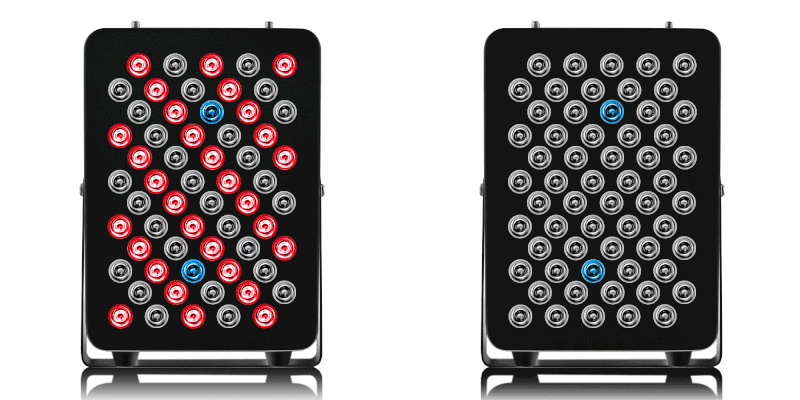
VELLGUS Elite V2
THE #1 RATED RED LIGHT DEVICE
Vellgus Red Light Elite V2 is an incredible way to experience the benefits of multiwave technology spectrum: 480nm 630nm, 660nm, 810nm, 830nm, 850nm. No other red/NIR light device available provides the multi-wave R+| NIR+ spectral output.
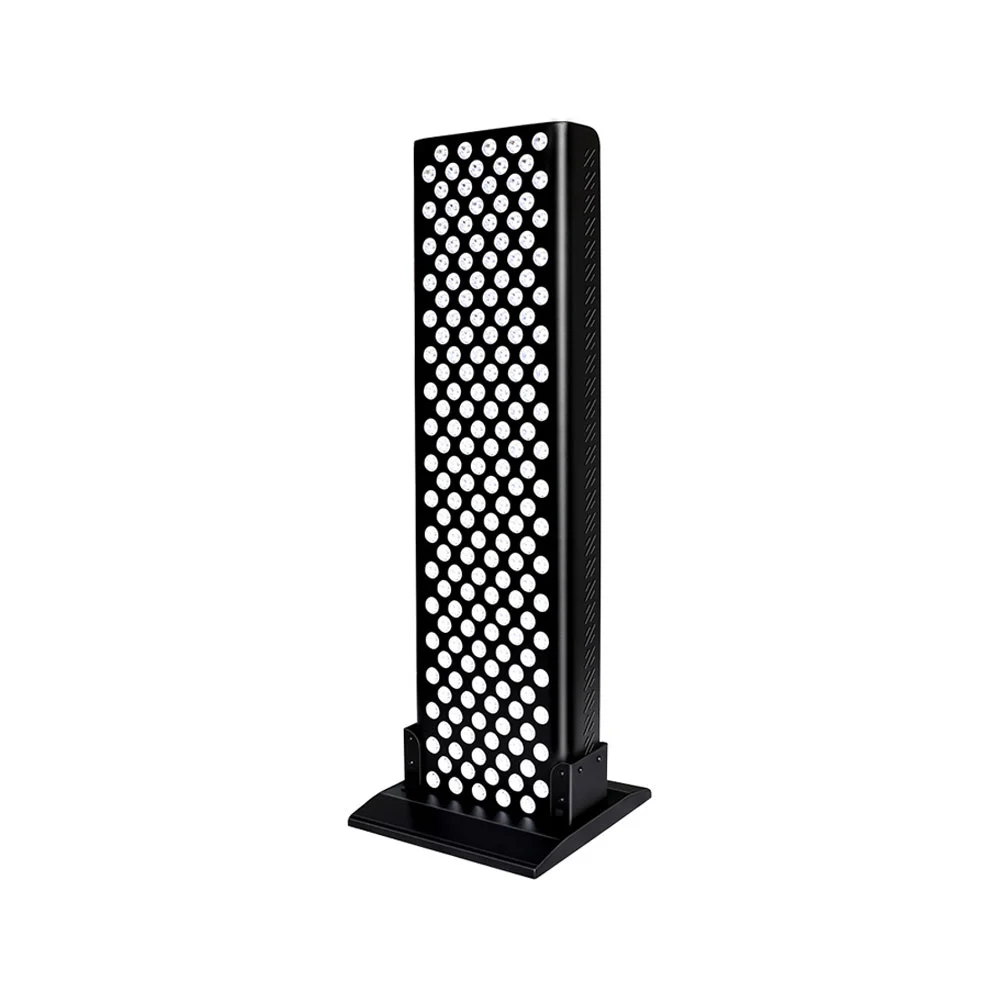
VELLGUS max 300
THE #1 RATED FULL BODY RED LIGHT DEVICE
Upgrade your red light therapy experience and take it to the next level with VELLGUS Red Light Max 300. This device is specifically designed for those wanting a brighter and more intense red light treatment
How Red Light Therapy Compares to Established Retinopathy Treatments
| Treatment Modality | Mechanism | Evidence Level | Key Outcomes | Practical Considerations |
|---|---|---|---|---|
| Anti-VEGF injections | Blocks VEGF-driven vascular permeability | High (multiple RCTs) | Reduces DME, improves vision in center-involved disease | Invasive, frequent visits, cost, injection-related risks |
| Focal/grid laser photocoagulation | Destroys leaking microaneurysms and ischemic tissue | High (ETDRS and successors) | ~50% reduction in moderate visual loss from DME | Destructive to retina, scarring, not for center-involved disease |
| Photobiomodulation (red/NIR light) | Mitochondrial stimulation, anti-inflammatory, cytoprotective | Low–moderate (preclinical + limited RCTs) | Protocol AE: no significant CST or VA benefit; single-arm signals only | Non-invasive, favorable safety profile, but unproven efficacy |
| Observation (for good-vision DME) | Natural history with rescue therapy if vision worsens | High (Protocol V) | No significant difference in vision loss at 2 years vs. initial treatment | Requires close monitoring; aflibercept rescue if vision declines |
Data for anti-VEGF and laser from established trial evidence; PBM data from Protocol AE and systematic review .
The contrast is stark. Protocol V, a large DRCR Network trial, found that for center-involved DME with good vision, initial observation with aflibercept rescue if vision worsened produced no significant difference in 2-year vision loss compared with immediate aflibercept or laser . This means even established treatments are being refined toward more targeted, risk-stratified use. PBM, by comparison, has not yet earned a place in that decision tree.
Safety: Favorable, but Not Risk-Free
Across trials, PBM has generally shown a favorable adverse event profile. Protocol AE reported only minor events: photophobia, eye ache, and color vision changes . No serious adverse events were reported in the systematic review of DME studies .
However, post-market surveillance matters. A 2023 case report described vision loss and ellipsoid zone disruption in a patient using low-level red light therapy (650 nm) for bilateral myopia, with partial recovery after cessation . While this occurred in a different clinical context, it underscores that “non-invasive” does not mean “risk-free,” particularly with unregulated consumer devices.
What Should Clinicians and Patients Conclude?
Red light therapy is not a substitute for established retinopathy care. The biology is credible, the preclinical data are consistent, and the safety profile is encouraging. But the human randomized evidence for diabetic retinopathy specifically is thin and, where rigorous, negative for the primary endpoint.
The most honest framing for patients: PBM is an adjunctive or investigational strategy with mechanistic plausibility, not a proven therapy. Patients should not delay anti-VEGF treatment or recommended monitoring to pursue red light therapy. Clinicians should be aware that patient-directed use of consumer red light devices for eye disease is occurring, and should counsel on the absence of proven benefit and the theoretical risk of photothermal or photochemical injury with unregulated devices.
Frequently Asked Questions
1. Can red light therapy cure or reverse diabetic retinopathy?
No. There is no evidence that red light therapy reverses established diabetic retinopathy or eliminates the need for standard monitoring and treatment. Preclinical studies show it may modulate early diabetic retinal changes—reducing oxidative stress and inflammation—but human randomized data have not demonstrated meaningful visual or anatomical improvement .
2. Is red light therapy safe for the eyes?
Clinical trials of PBM for retinal disease have reported generally mild, transient adverse effects such as photophobia, eye ache, and color vision changes . However, a case report of ellipsoid zone disruption with vision loss after low-level red light therapy for myopia highlights the need for caution, especially with unregulated consumer devices . Any ocular light therapy should be supervised by an eye care professional.
3. How does red light therapy differ from laser treatment for retinopathy?
They are fundamentally different. Focal/grid laser photocoagulation uses high-intensity light to deliberately destroy leaking or ischemic retinal tissue—it is destructive by design. Photobiomodulation uses low-intensity red to near-infrared light to stimulate cellular metabolism and reduce inflammation without tissue destruction . The trade-off is that laser has proven efficacy in specific indications, while PBM’s efficacy remains unproven.
4. Should I use a consumer red light device for my diabetic eye disease?
You should discuss this with your ophthalmologist or retina specialist before doing so. No consumer red light device has been approved for treating diabetic retinopathy, and the dosing, wavelength, and safety profiles of consumer devices vary widely and are not standardized. The most rigorous clinical trial of PBM for diabetic macular edema did not meet its primary endpoint, so there is no basis for substituting a consumer device for proven care .
5. What does the future of red light therapy for retinopathy look like?
Larger, better-standardized randomized trials are needed. The field suffers from inconsistent wavelengths, dosing protocols, and device designs across studies, making it difficult to compare results or identify which parameters might be effective . Until such trials are completed, PBM should be considered investigational for diabetic retinopathy. Its most plausible near-term role may be as an adjunctive, non-invasive intervention for early retinal changes—if future trials can demonstrate benefit over sham.