 Free Shipping
 Buy Now, Pay Later
 Eligible

Red Light Therapy for Conjunctivitis: Clinical Evidence, Safety Profile, and What Doctors Actually Recommend
Bottom line up front: Red light therapy is not a primary treatment for conjunctivitis. The peer-reviewed evidence for light-based therapy in ocular inflammation is narrow, condition-specific, and still largely preclinical for conjunctivitis. However, a distinct form of infrared light—water-filtered infrared A (wIRA)—has shown genuine anti-chlamydial effects in animal models of inclusion conjunctivitis, while standard red light devices marketed for home use lack regulatory clearance for eye infections and carry real risks of thermal injury and symptom exacerbation. If you are considering light therapy for ocular health, the distinction between investigational wIRA for specific infections and consumer red light devices for general “eye wellness” is clinically decisive.
What Conjunctivitis Actually Is—and Why Treatment Choice Matters
Conjunctivitis is inflammation of the conjunctiva, most commonly caused by bacterial or viral infection, allergens, or chemical irritation. The distinction is not academic: bacterial conjunctivitis requires antibiotics, viral conjunctivitis is managed supportively, and allergic conjunctivitis responds to antihistamines and mast cell stabilizers . Applying a light device to an acutely inflamed eye without a diagnosis can delay appropriate care and, in the case of infectious conjunctivitis, potentially worsen outcomes.
The Evidence for Light Therapy in Conjunctivitis: Narrow but Real
Water-Filtered Infrared A (wIRA): The Only Clinically Relevant Signal
The most substantive peer-reviewed evidence for light-based therapy in conjunctivitis comes from research on water-filtered infrared A (wIRA), not standard red light therapy devices.
A 2020 study published in the Journal of Photochemistry and Photobiology B demonstrated that wIRA and visible light treatment reduced Chlamydia caviae-induced ocular inflammation and infectious load in a guinea pig model of inclusion conjunctivitis . A subsequent review detailed that wIRA reduces both extracellular chlamydial forms and intracellular inclusions in cell culture models, and that repeated applications increase efficacy in vivo . The guinea pig model reflects human trachoma, the leading infectious cause of blindness worldwide, caused by ocular Chlamydia trachomatis strains .
Critical caveat: This is not the same as consumer red light therapy. wIRA uses a specific water-filtered infrared spectrum with controlled thermal output, and the research remains preclinical for conjunctivitis. No published randomized controlled trial has established wIRA as a standard treatment for human conjunctivitis.
VELLGUS Elite V2
THE #1 RATED RED LIGHT DEVICE
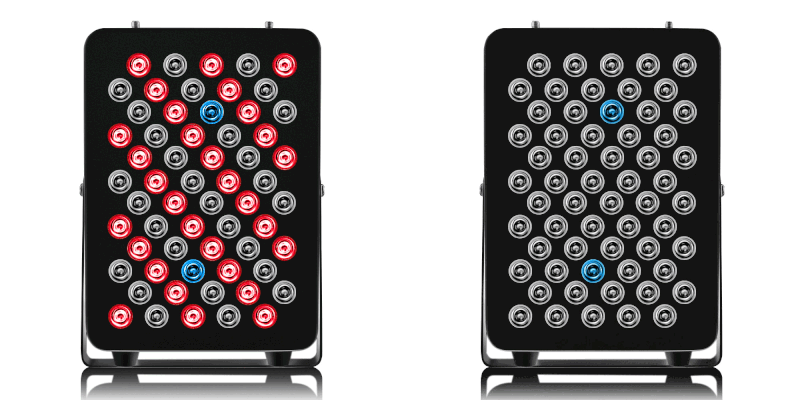
Vellgus Red Light Elite V2 is an incredible way to experience the benefits of multiwave technology spectrum: 480nm 630nm, 660nm, 810nm, 830nm, 850nm. No other red/NIR light device available provides the multi-wave R+| NIR+ spectral output.
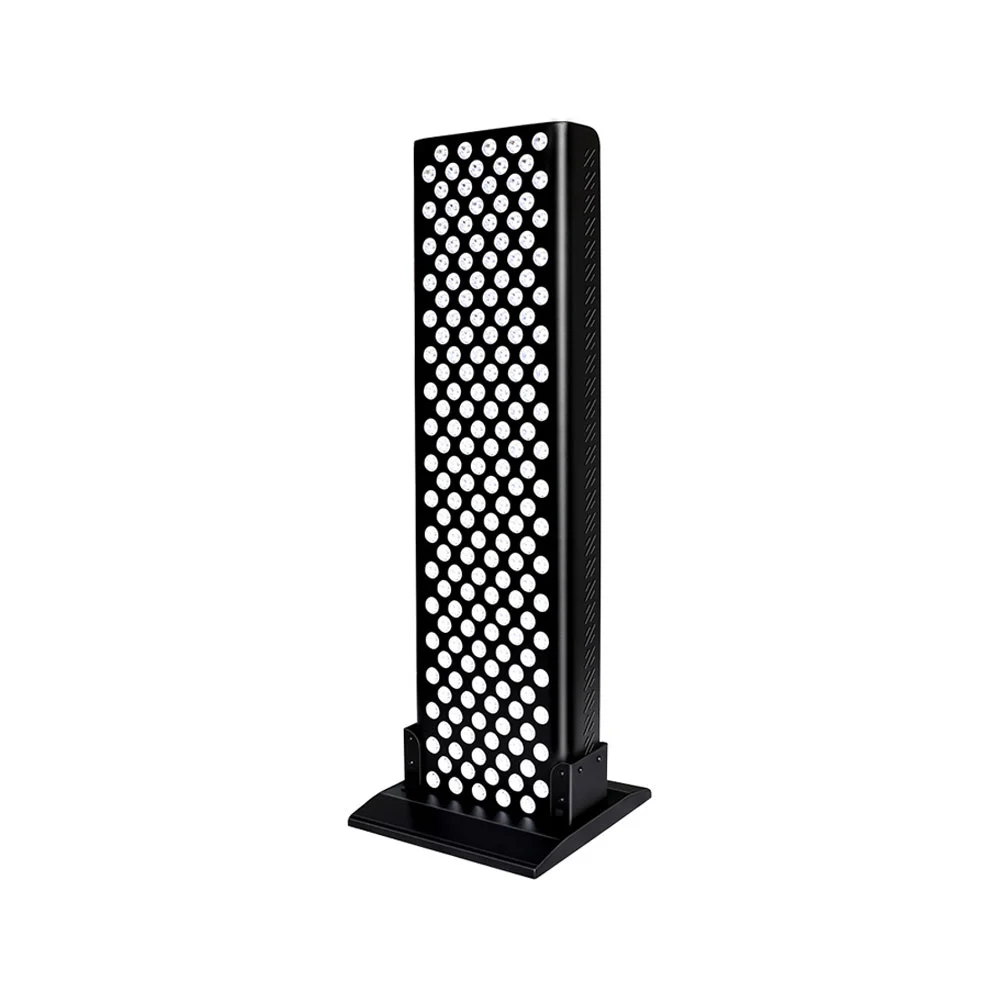
VELLGUS max 300
THE #1 RATED FULL BODY RED LIGHT DEVICE
Upgrade your red light therapy experience and take it to the next level with VELLGUS Red Light Max 300. This device is specifically designed for those wanting a brighter and more intense red light treatment
Standard Red Light Therapy: No Direct Evidence
For the 630–660 nm red light commonly used in consumer devices for skin and “wellness” applications, there is no peer-reviewed clinical evidence supporting its use for conjunctivitis. A Chinese ophthalmology resource notes that while red light may theoretically improve local circulation and reduce some inflammatory discomfort in chronic, non-infectious cases, it cannot kill bacteria or viruses and is not a substitute for cause-directed therapy . A separate clinical Q&A from Xi’an Jiaotong University Second Affiliated Hospital explicitly advises against red light therapy during active inflammation, stating that the conjunctiva is highly sensitive and light stimulation may aggravate the inflammatory response .
Comparison: Light-Based Approaches vs. Standard Conjunctivitis Care
Safety Warnings Clinicians Emphasize
Ophthalmology sources consistently flag three risks with DIY red light therapy near the eyes:
- Thermal injury. The cornea and conjunctiva are highly sensitive. Excessive intensity, proximity, or duration can cause thermal damage to the ocular surface .
- Exacerbation of acute inflammation. During active conjunctivitis, blood vessels are already dilated. Additional heat can worsen redness and discomfort .
- Misdiagnosis and delay. Symptoms of conjunctivitis overlap with more serious conditions—keratitis, uveitis, acute angle-closure glaucoma—that require urgent different management. Red light will not treat these, and delay can cause permanent harm .
What Red Light Therapy Is Being Studied For in Eye Care
To be clear about where the legitimate research is: photobiomodulation (PBM) has been investigated for age-related macular degeneration (AMD), not conjunctivitis. A 2024 prospective study in Eye found that PBM produced temporary improvements in visual acuity and drusen volume in early/intermediate AMD, but effects were not sustained at six months . A 2025 study in European Journal of Ophthalmology reported no adverse effects and stable visual parameters in atrophic AMD patients treated with a multiwavelength PBM device . Even in AMD, however, a 2025 JAMA Ophthalmology viewpoint raised questions about trial protocols and efficacy . No equivalent clinical trial literature exists for red light therapy in conjunctivitis.
Practical Guidance for Patients and Clinicians
- If you have red, itchy, or discharging eyes: See an eye care professional for diagnosis. Do not self-treat with a red light device.
- If you have chronic dry eye or allergic conjunctivitis: Ask your ophthalmologist whether any adjunctive physical therapy is appropriate. Red light is not standard of care.
- If you are considering wIRA: This is a clinical investigational modality. It is not available as a consumer product and should only be used under research protocols.
- If a device marketer claims “FDA cleared for eye infections”: Verify that claim independently. Consumer red light devices are generally cleared for skin, not ocular infection.
Frequently Asked Questions
1. Can red light therapy cure conjunctivitis?
No. There is no clinical evidence that standard red light therapy cures or treats conjunctivitis. Bacterial conjunctivitis requires antibiotics; viral conjunctivitis resolves with supportive care; allergic conjunctivitis responds to antihistamines . Red light does not kill bacteria or viruses.
2. Is red light therapy safe for eyes?
Consumer red light devices are not established as safe for direct ocular exposure, especially during active inflammation. Risks include thermal injury to the cornea and conjunctiva and exacerbation of redness and discomfort . The eye is a sensitive organ, and unsupervised use of consumer devices near the eye is not recommended.
3. What is wIRA, and is it available for conjunctivitis?
Water-filtered infrared A (wIRA) is a specialized infrared modality that has shown anti-chlamydial effects in preclinical models of inclusion conjunctivitis . It is not a consumer product and is not established as a clinical treatment for human conjunctivitis. It requires specialized equipment and clinical supervision.
4. Can I use my red light therapy device on my face if I have conjunctivitis?
No. If you have active conjunctivitis, avoid light therapy near the eyes. The inflammatory state makes the ocular surface more vulnerable to thermal and photic irritation . Wait until the infection or inflammation has fully resolved and consult your eye doctor before resuming any facial light treatments.
5. What should I do if I suspect I have conjunctivitis?
See an eye care professional for diagnosis. Signs that warrant urgent evaluation include severe pain, vision loss, marked light sensitivity, copious purulent discharge, or symptoms that worsen despite initial care . Appropriate treatment depends entirely on the cause, and self-diagnosis with a light device risks delaying effective care.