 Free Shipping
 Buy Now, Pay Later
 Eligible

Red Light Therapy for Dry Eye Syndrome: Clinical Evidence, Mechanisms, and Patient Selection
Bottom line: Red light therapy (photobiomodulation) is an emerging, non-invasive adjunctive treatment for dry eye syndrome, particularly when driven by meibomian gland dysfunction (MGD) and ocular surface inflammation. Early clinical evidence shows measurable improvements in symptom scores and tear film stability, but it is not a first-line monotherapy and should be delivered through eye-specific, clinically validated devices rather than general-purpose red light panels.
Why Dry Eye Syndrome Demands Better Options
Dry eye disease (DED) is one of the most common reasons patients seek ophthalmic care, and its prevalence continues to climb in screen-dependent populations. A 2025 home-survey study in Brazil found DED symptoms in 38.1% of urban residents versus 20% in rural areas, with visual display terminal use exceeding two hours per day identified as a significant urban risk factor . Among university students in Jordan, the incidence of symptoms defined by an OSDI score ≥13 reached 74.2% .
Conventional management—artificial tears, lid hygiene, warm compresses, and short-term topical steroids—addresses symptoms but often fails to modify the underlying inflammatory and glandular dysfunction. This therapeutic gap has driven interest in device-based approaches, including intense pulsed light (IPL) and, more recently, low-level light therapy (LLLT) in the red and near-infrared spectrum.
What Red Light Therapy Does at the Cellular Level
Red light therapy, formally termed photobiomodulation (PBM), delivers low-energy light in the visible red (approximately 630–670 nm) and near-infrared (approximately 800–1100 nm) ranges to tissue. Unlike ablative lasers, PBM does not generate heat sufficient to coagulate tissue; instead, photons interact with mitochondrial chromophores—particularly cytochrome c oxidase—to influence ATP production, modulate reactive oxygen species, and downregulate pro-inflammatory signaling cascades.
For the ocular surface, this mechanism is relevant on two fronts. First, MGD-related dry eye is fundamentally an inflammatory condition of the eyelid margin and meibomian glands; reducing local cytokine burden may improve glandular secretion and tear film stability. Second, corneal and conjunctival epithelial cells subjected to desiccation stress may benefit from PBM’s cytoprotective effects.
A 2023 animal study by Goo et al. provided direct mechanistic support: multi-wavelength LED irradiation attenuated dry eye symptoms in a scopolamine-induced mouse model, with the authors attributing the effect to anti-inflammatory action . While animal data cannot be directly extrapolated to clinical practice, it establishes biological plausibility for the human trials that followed.
Clinical Evidence: What the Human Data Show
Symptom and Tear Film Improvements
A 2024 study published in Ophthalmic and Physiological Optics examined LLLT in individuals with DED and reported statistically significant improvements in the early phases of treatment. The OSDI score decreased by 10.2 points (95% CI: −15.15 to −5.26), and Schirmer’s test scores improved by 4.4 mm (95% CI: −7.31 to −1.42) . Notably, corneal fluorescein staining and meibomian gland loss did not show significant changes, suggesting that LLLT’s early benefits are primarily symptomatic and tear-production–related rather than structural.
Ongoing and Registered Trials
The evidence base is still maturing. A randomized controlled trial registered on ClinicalTrials.gov is evaluating LLLT (633 ± 10 nm LED, 100 mW/cm², 15 minutes) in patients undergoing cataract surgery to prevent postoperative DED exacerbation, with outcomes including non-invasive keratograph break-up time (NIKBUT), tear meniscus height, and OSDI scores . Separately, a trial in postmenopausal women is assessing polychromatic light therapy (400–2000 nm) delivered with eyes closed, measuring Dry Eye–Related Quality-of-Life Score and tear break-up time .
These trials reflect a field moving from pilot studies toward controlled designs, but clinicians should recognize that no large, sham-controlled, multicenter RCT of red light therapy for DED has yet been published. The current evidence tier is best described as promising but preliminary.
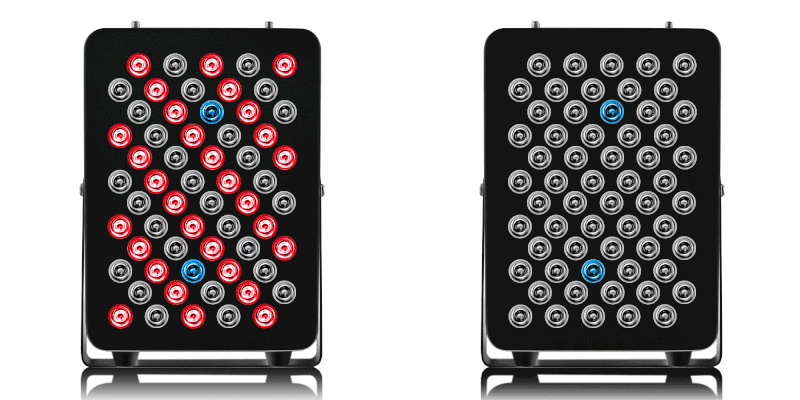
VELLGUS Elite V2
THE #1 RATED RED LIGHT DEVICE
Vellgus Red Light Elite V2 is an incredible way to experience the benefits of multiwave technology spectrum: 480nm 630nm, 660nm, 810nm, 830nm, 850nm. No other red/NIR light device available provides the multi-wave R+| NIR+ spectral output.
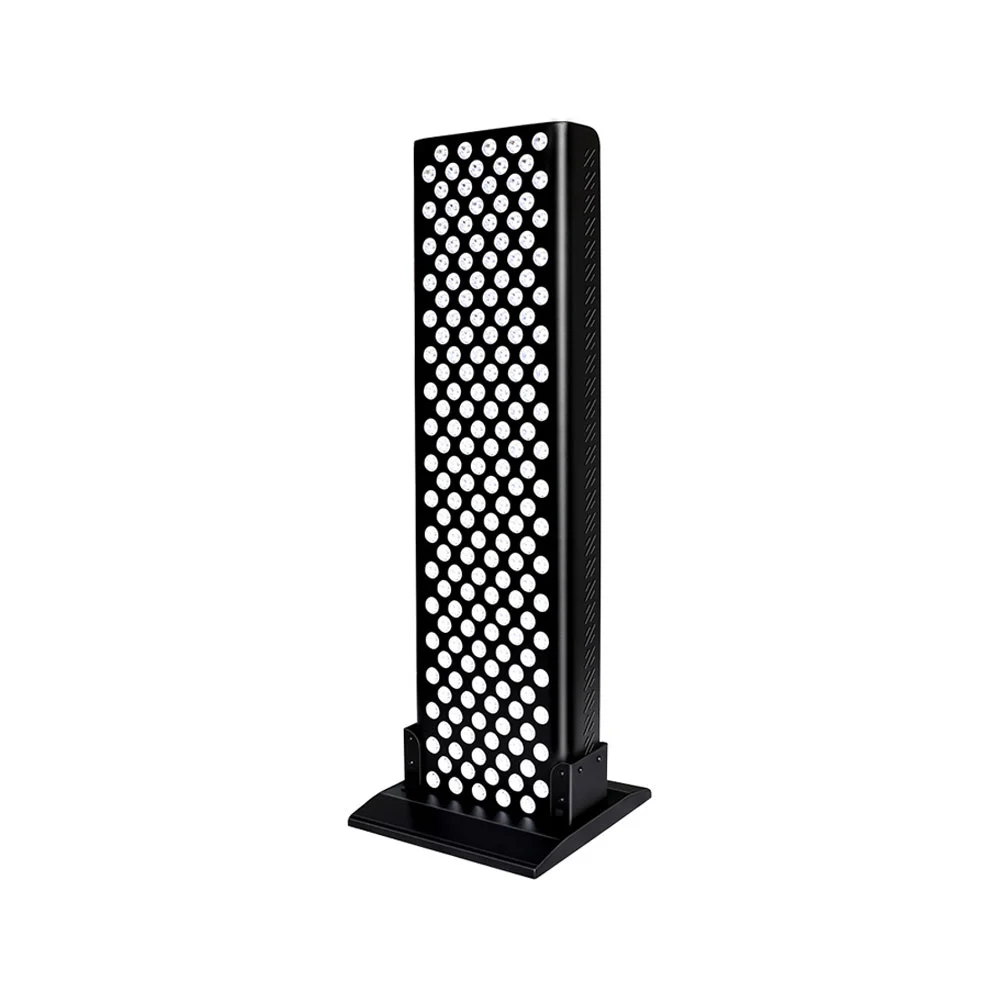
VELLGUS max 300
THE #1 RATED FULL BODY RED LIGHT DEVICE
Upgrade your red light therapy experience and take it to the next level with VELLGUS Red Light Max 300. This device is specifically designed for those wanting a brighter and more intense red light treatment
Red Light vs. IPL: A Critical Distinction
Patients and clinicians frequently conflate red light therapy with intense pulsed light. They are not interchangeable.
The published literature on IPL for DED has grown substantially—a 2025 bibliometric analysis identified 111 articles from 2015–2024, with a 1300% increase in annual publications over the decade . Red light therapy occupies a smaller but expanding niche, often positioned as a gentler adjunct for patients who cannot tolerate IPL or as a combination therapy.
Practical Clinical Considerations
Device selection matters. General-purpose red light panels designed for dermatologic or wellness applications are not calibrated for ocular delivery and should not be used on the eyes. A clinical news segment featuring an optometrist emphasized that even within red light therapy, “every device is made for something different,” and patients should use devices specifically intended for eye care . FDA-cleared ocular devices exist, including systems that combine red, blue, and infrared wavelengths for in-office use .
Patient selection. The best candidates for red light therapy in a dry eye practice are patients with:
- MGD-related evaporative dry eye, particularly those with concurrent blepharitis
- Mild to moderate symptoms who prefer non-pharmacologic adjuncts
- Contraindications or inadequate response to IPL
- Postoperative ocular surface compromise (emerging indication under study)
What red light therapy is not. It is not a substitute for lid hygiene, meibomian gland expression, or anti-inflammatory medications when indicated. It does not reverse meibomian gland dropout based on current evidence . And it should not be marketed as a cure for aqueous-deficient dry eye secondary to systemic autoimmune disease without appropriate co-management.
Comparison of Treatment Modalities for Dry Eye Syndrome
Frequently Asked Questions
1. Is red light therapy FDA-approved for dry eye?
No red light therapy device holds FDA approval (a designation for drugs and high-risk devices). Some low-level light therapy devices have FDA clearance for ocular applications, including dry eye and meibomian gland dysfunction, through the 510(k) pathway . Clearance means the device is substantially equivalent to a predicate device; it does not constitute an endorsement of efficacy by the FDA. Patients should ask whether a specific device has been cleared for ocular use and what clinical data support its marketing claims.
2. How many sessions will I need before noticing a difference?
Published protocols vary, but most clinical studies deliver sessions weekly for four to six weeks. In the 2024 LLLT study, significant improvements in OSDI and Schirmer’s test were observed in the early treatment phases . A reasonable expectation is that some patients notice symptom improvement within two to three sessions, but a full course is typically required before judging treatment success. Maintenance sessions may be recommended for patients with chronic MGD.
3. Can I use a home red light panel for my dry eyes?
Not recommended. Consumer red light panels are designed for skin and are not calibrated for ocular safety or dosimetry. The eyes are uniquely vulnerable to inappropriate wavelength exposure and thermal load, and at-home devices lack the shielding and beam characteristics of clinical ocular systems. A practicing optometrist quoted in media coverage of red light therapy trends advised that if a device “says that it’s for something else, use it for something else” . In-office treatment under clinical supervision remains the appropriate route.
4. How does red light therapy compare to IPL for dry eye?
IPL has a larger and more mature evidence base, including a Cochrane review and meta-analyses supporting its superiority over conventional treatments for MGD-related DED . Red light therapy has shown promising early results for symptom and tear production improvements , but it lacks the same volume of randomized data. Clinically, IPL is often preferred for Demodex and moderate-to-severe MGD, while red light therapy may be considered for milder inflammation-predominant cases or as an adjunct. Some clinicians combine light-based modalities, though combination protocols are not yet standardized.
5. Is red light therapy safe for the eyes?
Clinical devices designed for ocular use deliver low irradiance and are generally well tolerated, with no serious adverse events reported in the small published trials . The most commonly noted sensation is mild warmth or relaxation. However, safety data beyond short-term follow-up are limited. Patients with a history of retinal disease, uveitis, or photosensitivity disorders should be evaluated by an ophthalmologist before any ocular light therapy. As with any emerging treatment, the risk–benefit conversation should be individualized and documented.
Disclosure: This article is for educational purposes and does not constitute medical advice. Treatment decisions for dry eye syndrome should be made in consultation with an eye care professional who has evaluated the patient’s ocular surface, meibomian gland status, and relevant comorbidities.