 Free Shipping
 Buy Now, Pay Later
 Eligible

Red Light Therapy for Stye: A Clinically-Informed Guide to Photobiomodulation for Eyelid Inflammation
Bottom line: Red light therapy (also called low-level light therapy or LLLT) is an emerging, non-invasive adjunct for managing styes and the underlying meibomian gland dysfunction that often drives recurrence. While the evidence base is smaller than for warm compresses or incision, early clinical data and expert protocols suggest it can reduce inflammation, support gland drainage, and help prevent repeat episodes—particularly for patients who have not responded well to conventional home care. It is not a replacement for medical evaluation, especially when infection is present.
What Is a Stye, and Why Does It Keep Coming Back?
A stye (hordeolum) is an acute infection of the eyelid’s sebaceous glands, most often caused by Staphylococcus bacteria. It presents as a painful, red lump near the lash line, accompanied by swelling and tenderness. An internal hordeolum affects a meibomian gland, while an external one forms near a lash follicle.
What many patients don’t realize is that styes are frequently a symptom of meibomian gland dysfunction (MGD)—a chronic condition in which the oil glands of the eyelid become blocked or produce thickened secretions. When those glands cannot drain properly, the environment becomes ripe for bacterial overgrowth and recurrent inflammation. This is why some people experience styes repeatedly despite good hygiene.
Traditional first-line care—warm compresses, lid hygiene, and occasionally topical antibiotics—addresses the acute infection but often does little to restore healthy gland function. That gap is where red light therapy has drawn clinical interest.
How Red Light Therapy Works for Eyelid Health
Red light therapy uses specific wavelengths of visible red light (typically around 630–670 nm) and sometimes near-infrared light to stimulate cellular processes without damaging tissue. The mechanism is well-characterized in the broader photobiomodulation literature:
- Mitochondrial activation. Red light is absorbed by cytochrome c oxidase in the mitochondria, triggering increased production of adenosine triphosphate (ATP)—the energy currency cells use for repair and regulation.
- Anti-inflammatory signaling. Enhanced cellular energy modulates inflammatory pathways, reducing edema and pain associated with acute lesions.
- Thermal and viscosity effects. In ophthalmic applications, LLLT devices generate a gentle, controlled warming of the eyelid tissue (targeting approximately 42°C in some protocols), which helps liquefy hardened meibum and encourages natural drainage of blocked glands.
For a stye specifically, the goal is twofold: calm the acute inflammatory response and improve the function of the underlying meibomian glands so the blockage resolves and recurrence becomes less likely.
Dr. Karl Stonecipher and Richard Potvin published one of the more frequently cited analyses on this topic in Clinical Ophthalmology, examining LLLT for recalcitrant chalazia (chronic eyelid cysts that share a similar pathophysiology with internal styes). Their conclusion: photobiomodulation represents a beneficial and safe alternative for patients who have seen little success with pharmacological interventions.
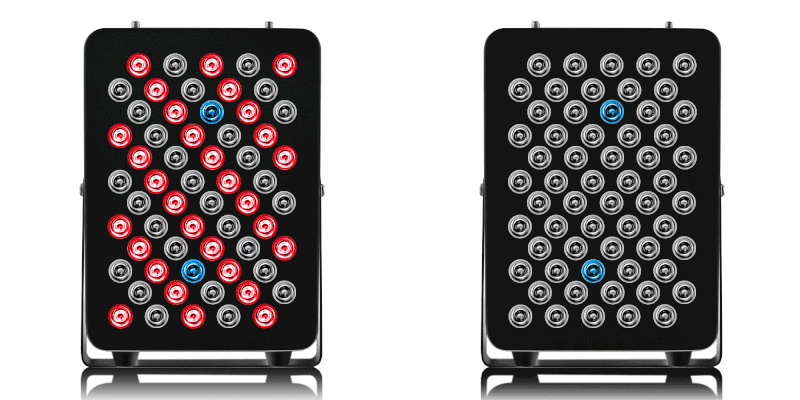
VELLGUS Elite V2
THE #1 RATED RED LIGHT DEVICE
Vellgus Red Light Elite V2 is an incredible way to experience the benefits of multiwave technology spectrum: 480nm 630nm, 660nm, 810nm, 830nm, 850nm. No other red/NIR light device available provides the multi-wave R+| NIR+ spectral output.
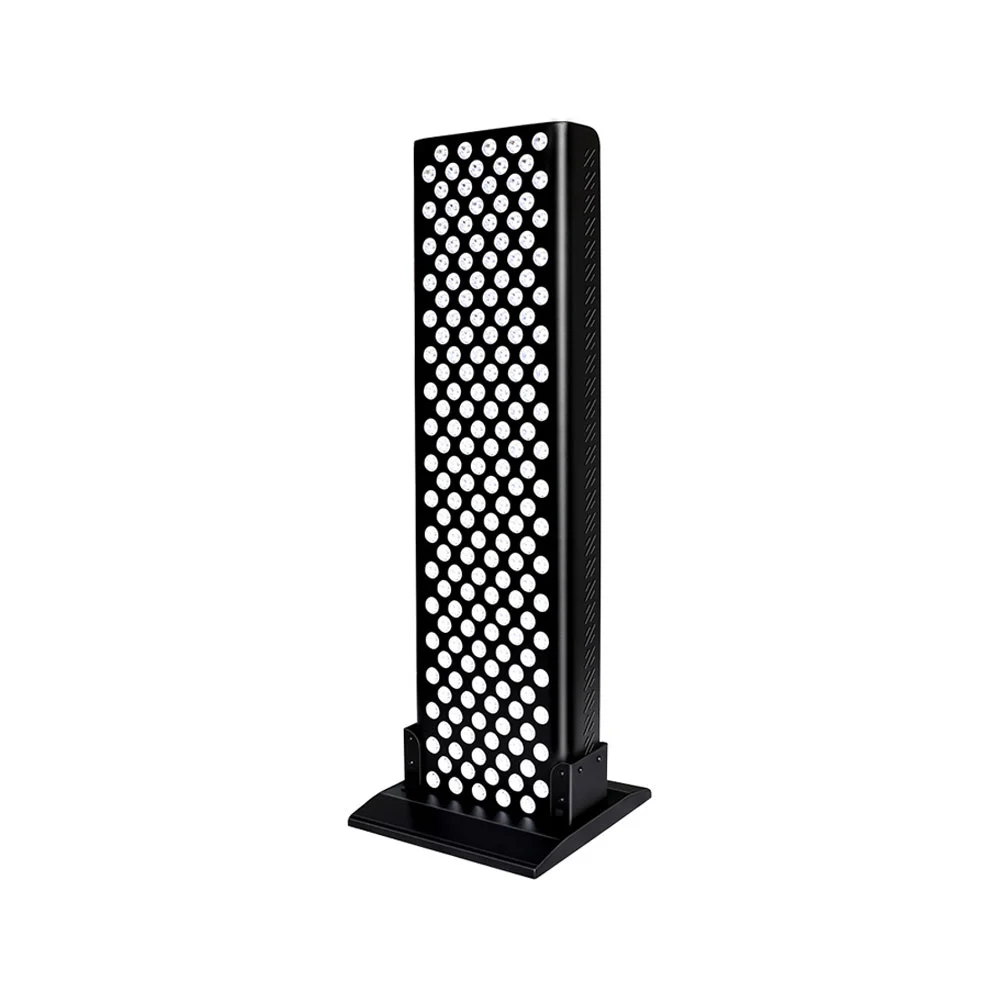
VELLGUS max 300
THE #1 RATED FULL BODY RED LIGHT DEVICE
Upgrade your red light therapy experience and take it to the next level with VELLGUS Red Light Max 300. This device is specifically designed for those wanting a brighter and more intense red light treatment
Clinical Evidence: What the Data Actually Shows
The evidence for red light therapy in eyelid disease is promising but still developing. It is important to distinguish between professional-grade LLLT delivered in a clinical setting and at-home LED masks, which operate at lower power outputs and have less consistent dosing.
A critical caveat: Intense pulsed light (IPL)—a related but distinct technology—is not appropriate for acute styes. IPL delivers high thermal impact and should be avoided during active infection. Red light therapy/LLLT operates at a much lower energy level and is the appropriate photobiomodulation modality for eyelid inflammation.
Professional LLLT vs. At-Home Red Light Devices: A Practical Comparison
This is the question most patients ask, and the answer matters for both safety and efficacy.
Dr. Jeffrey Peng, MD, notes that professional lasers deliver a more focused, coherent beam that can target specific tissues at precise therapeutic doses, while at-home LED devices produce a broader, more divergent beam—making it harder to deliver a concentrated dose to a small target like an eyelid gland. For a localized condition like a stye, this distinction is clinically meaningful.
A note on safety: A 2026 case report in ScienceDirect documented a rare but serious adverse event—bilateral angle-closure glaucoma with ciliochoroidal effusions—in a patient using an at-home red light therapy mask without eye protection. While this is an isolated case and the mechanism is not fully established, it underscores the importance of using devices specifically designed for periocular application and following eye-protection guidance. Professional LLLT protocols for eyelid treatment use dedicated ocular shielding.
Who Is a Candidate for Red Light Therapy for Styes?
Based on the clinical literature and expert protocols, red light therapy may be appropriate for:
- Recurrent styes linked to meibomian gland dysfunction, where warm compresses alone have not prevented recurrence
- Chronic or recalcitrant chalazia that have not resolved with conservative care and are not yet candidates for incision
- Patients seeking a non-invasive adjunct to conventional lid hygiene who understand the evidence is still accumulating
Red light therapy is not a substitute for antibiotic treatment when there is significant bacterial infection, spreading cellulitis, or systemic symptoms. Any stye with marked swelling extending beyond the eyelid margin, fever, or vision changes warrants prompt medical evaluation.
Patients with a history of glaucoma, retinal disease, photosensitivity disorders, or who take photosensitizing medications should consult an eye care professional before using any light-based device on or near the eyes.
A Realistic Protocol for Stye Management
If you and your eye care provider decide to incorporate red light therapy, a sensible approach based on published protocols looks like this:
- Acute phase: Begin with warm compresses (10–15 minutes, 3–4 times daily) to encourage drainage. If a professional LLLT device is available, a course of 2–4 sessions of approximately 15–17 minutes each, spaced 2–7 days apart, has been described in clinical protocols.
- Maintenance phase: For patients with underlying MGD, periodic LLLT sessions or supervised at-home use may help maintain gland function and reduce recurrence frequency.
- Combine with lid hygiene: Light therapy does not replace mechanical removal of debris and crusting from the lid margins. Gentle lid scrubs with warm water or commercially available eyelid cleansers remain foundational.
- Do not squeeze or pop. This cannot be overstated. Manipulating an active stye can spread infection into deeper eyelid tissues.
Frequently Asked Questions
Can red light therapy cure a stye on its own?
Red light therapy is best understood as an adjunct, not a standalone cure. Most styes resolve spontaneously within 2–4 days with warm compresses. Red light therapy may help accelerate resolution, reduce discomfort, and—perhaps most importantly—address the underlying meibomian gland dysfunction that makes some people prone to recurrent styes. For an active infection with significant swelling, conventional medical care (including antibiotics if indicated) remains the priority.
Is it safe to use a red light therapy mask on my eyes if I have a stye?
Caution is warranted. At-home LED masks are not typically designed for periocular treatment, and their power output and wavelength parameters vary widely. A 2026 case report linked an at-home red light mask to a serious ocular adverse event (angle-closure glaucoma) in a patient not using eye protection. For eyelid conditions, professional LLLT delivered with proper ocular shielding is the safer and better-studied approach. Do not use a general-purpose face mask directly over an active stye without specific guidance from an eye care provider.
How many red light sessions does it take to see improvement in a stye?
Published protocols for chalazion and stye management describe 2 to 4 sessions of approximately 17 minutes each, spaced 2 to 7 days apart. Some patients notice improvement after the first session; others require the full course. If there is no improvement after a supervised course of treatment, or if the lesion worsens, further medical evaluation is needed.
Can red light therapy prevent styes from coming back?
This is where the therapy may offer the most value. Because recurrent styes are often driven by meibomian gland dysfunction, treatments that improve gland function—rather than simply treating each acute infection—can reduce recurrence frequency. Stonecipher and Potvin’s work on recalcitrant chalazia suggested that LLLT addresses the glandular environment, not just the visible lesion. However, long-term prevention also requires consistent lid hygiene, management of underlying conditions like rosacea or blepharitis, and avoidance of habits that block glands (such as sleeping in eye makeup).
What is the difference between red light therapy and IPL for eyelid problems?
They are related technologies but not interchangeable for styes. Intense pulsed light (IPL) delivers high-energy pulses of broad-spectrum light and generates significant thermal impact—which is why it is contraindicated for active styes. IPL is used for meibomian gland dysfunction and ocular rosacea in clinical settings, but not during acute infection. Red light therapy/LLLT operates at much lower energy levels, producing a gentle photobiomodulatory effect rather than a thermal ablative one. For an active stye, LLLT is the appropriate light-based modality; IPL is not.
Medical disclaimer: This article is for informational purposes and does not constitute medical advice. A stye that is severe, recurrent, or accompanied by vision changes, fever, or spreading swelling should be evaluated by an eye care professional promptly. Red light therapy should be used under the guidance of a qualified clinician, particularly for periocular applications.