 Free Shipping
  Buy Now, Pay Later
  Eligible

Red Light and Oxygen: Why Some Biohackers Combine Photobiomodulation and Mild Hyperbaric Oxygen
In recent years, recovery and performance conversations in the biohacking and wellness space have expanded beyond supplements and exercise. Increasingly, people are experimenting with environmental inputs such as light exposure and oxygen availability. Photobiomodulation (PBM), including red and near-infrared light, and mild hyperbaric oxygen environments are often discussed together—not because they do the same thing, but because they appear to support different layers of the body’s adaptive capacity.
Rather than being viewed as treatments, these approaches are typically framed as tools that help create conditions in which the body can recover more efficiently.
What Photobiomodulation Means in a Wellness Context
Photobiomodulation refers to the use of specific wavelengths of light—most commonly red (around 630–660 nm) and near-infrared (around 810–880 nm)—in low, non-thermal doses. In wellness contexts, PBM is not about heating tissue or delivering energy in a mechanical sense. Instead, light is understood as a biological signal that interacts with cellular processes.
This is one reason PBM has gained popularity in recovery routines: it is relatively easy to apply, non-invasive, and generally well tolerated when used conservatively. For many users, it becomes part of a broader lifestyle approach rather than a standalone intervention.
Body-Focused Photobiomodulation: Whole-Body and Local Use
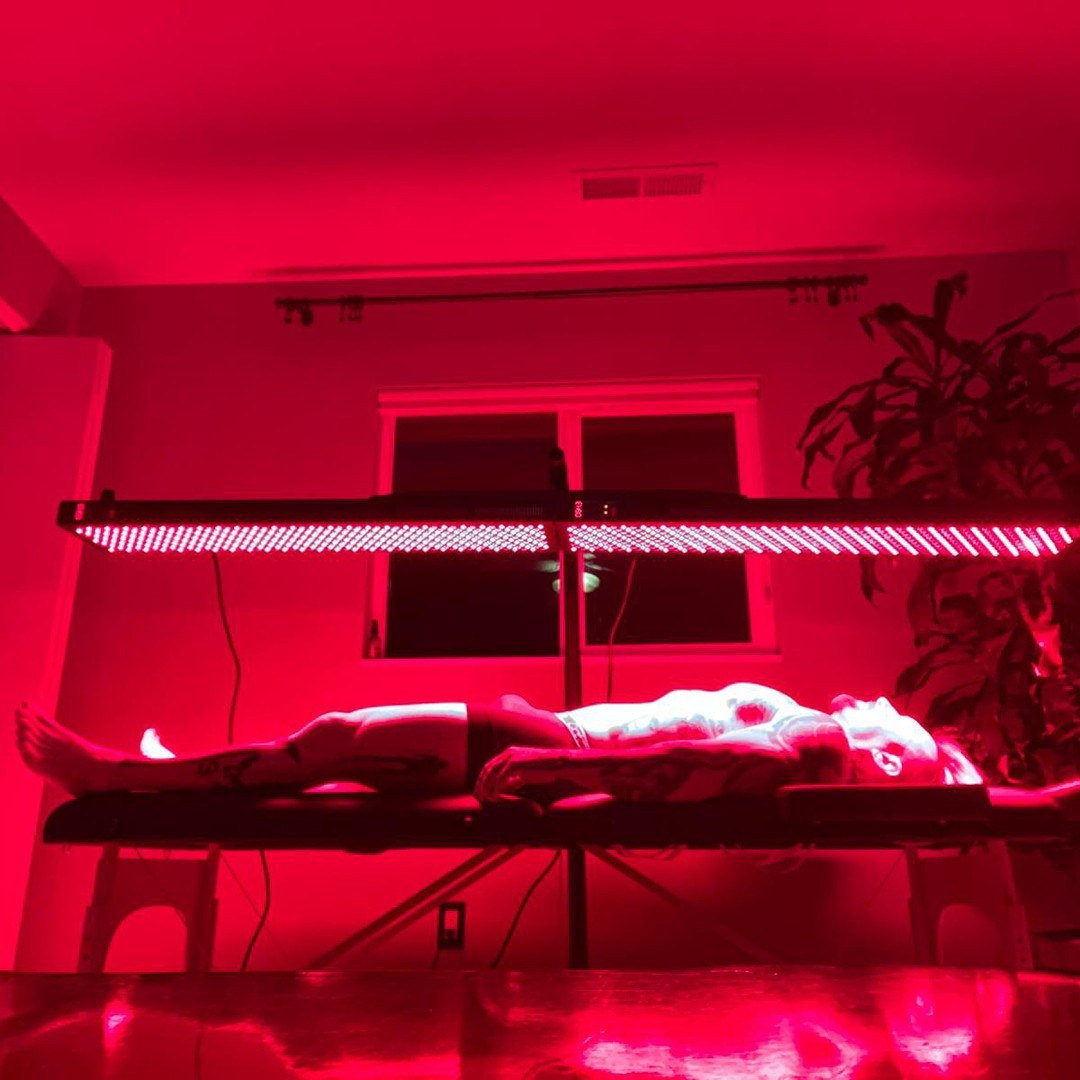
Most people first encounter photobiomodulation through body-focused applications. These may include whole-body light panels, mats, or targeted devices used on specific areas such as muscles or joints.
In practice, body-focused PBM is often explored for:
- Post-exercise recovery
- General circulation and tissue comfort
- Supporting relaxation after physical or mental load
Whole-body exposure provides a broad, systemic light input, while local PBM allows more targeted use. Importantly, these approaches are usually integrated into routines at relatively low intensities and short durations, emphasizing consistency over intensity.
Transcranial Photobiomodulation and Brain-Centered Recovery
Beyond body-focused applications, there is growing interest in transcranial photobiomodulation (tPBM), where light is applied to the head with the intention of influencing brain-centered processes.
What distinguishes tPBM from body PBM is not just the location, but the context in which it is used. Discussions around tPBM often center on:
- Nervous system regulation
- Mental fatigue and cognitive load
- Sleep-wake rhythms and stress resilience

In wellness and biohacking circles, tPBM is typically framed as a sensory and regulatory input rather than a direct neurological intervention. Because the nervous system can be particularly sensitive, users tend to approach tPBM cautiously, paying close attention to timing, dose, and individual response.
Oxygen Availability and the Body’s Adaptive Capacity
Alongside light-based approaches, oxygen is increasingly discussed as a foundational variable in recovery. Oxygen availability influences cellular metabolism across all tissues, and how efficiently oxygen is delivered and utilized can affect how the body responds to stress and load.
This is where mild hyperbaric oxygen environments enter the conversation. Unlike clinical hyperbaric therapy, mild hyperbaric setups operate at lower pressures and are often explored in wellness settings as a way to increase ambient oxygen availability in a controlled, low-stress manner.
Platforms such as Brain Spa Hyperbaric — mild hyperbaric oxygen therapy (HBOT) focus on these lower-pressure environments, positioning them as part of a broader recovery and wellness framework.
Why Biohackers Combine Body PBM, tPBM, and Oxygen
From a systems perspective, it is easy to see why these tools are viewed as complementary:
- Body-focused PBM primarily targets peripheral tissues and physical recovery
- Transcranial PBM emphasizes brain and nervous system regulation
- Oxygen-rich environments support metabolic processes at a systemic level
Rather than overlapping, these inputs act on different layers of the same adaptive system. This layered view aligns with a more mature biohacking philosophy, where the goal is not maximal stimulation, but balanced support across multiple dimensions.
How These Tools Are Integrated Into a Typical Day
Modern biohackers tend to integrate light and oxygen-based tools into daily routines rather than using them as occasional interventions. The focus is on timing, consistency, and nervous system compatibility.
Morning is often used for light-based inputs. Body-focused red or near-infrared light supports physical readiness, while brief transcranial photobiomodulation may be used to support mental clarity during cognitively demanding days. Morning use aligns with natural alertness rhythms and is less likely to interfere with sleep.
Midday or post-activity, body-focused PBM is commonly used as a recovery input, similar to mobility work or breathwork. It supports comfort and stress modulation without adding cognitive load.
Afternoon or early evening is a common window for mild hyperbaric oxygen sessions. These are typically treated as dedicated recovery blocks, paired with passive activities such as reading or listening to audio, allowing the nervous system to shift out of performance mode.
Later in the evening, stimulation is reduced. Some people continue low-intensity body-focused red light for relaxation, while transcranial PBM is often avoided to protect sleep quality.
Across the week, experienced users adjust frequency and timing based on feedback such as sleep, stress tolerance, and overall recovery, treating light and oxygen as flexible environmental inputs rather than fixed protocols.
Building a Sustainable, Brain-Aware Recovery Routine at Home
Ultimately, light and oxygen technologies are most effective when embedded in a stable lifestyle foundation that includes sleep, nutrition, movement, and stress management. Used this way, they become part of an environment that supports adaptation rather than promises outcomes.
For those interested in learning more about mild hyperbaric setups and how they fit into home-based wellness routines, additional information can be found at
https://brainspahyperbaric.com/
A Layered View of Recovery and Adaptation
The growing interest in combining photobiomodulation and oxygen reflects a broader shift in how recovery is understood. Instead of targeting isolated symptoms, many biohackers now focus on creating supportive conditions across the body, brain, and metabolic systems. When approached thoughtfully, light and oxygen become complementary tools within that larger, systems-oriented view.