 Free Shipping
  Buy Now, Pay Later
  Eligible

Does Red Light Therapy Help with Acoustic Neuroma? A Critical Clinical Review
The Short Answer
There is no clinical evidence that red light therapy treats, shrinks, or controls acoustic neuroma growth. In fact, emerging expert commentary suggests that photobiomodulation (PBM) may carry a theoretical risk of stimulating tumor growth in acoustic neuroma patients due to its proliferative effects on Schwann cells—the very cell type from which these tumors originate .
If you are considering red light therapy for hearing loss, tinnitus, or facial nerve recovery related to acoustic neuroma, the evidence must be evaluated with extreme caution and under direct physician supervision.
Understanding Acoustic Neuroma (Vestibular Schwannoma)
Acoustic neuroma, more accurately termed vestibular schwannoma (VS) , is a benign, typically slow-growing tumor arising from the Schwann cells of the vestibular division of the eighth cranial nerve . It accounts for approximately 8% of intracranial tumors and 80% of cerebellopontine angle tumors.
Clinical Behavior and Growth Patterns
Standard Management Options
Current evidence-based approaches include:
- Watchful waiting with serial MRI for small, non-growing tumors
- Stereotactic radiosurgery (SRS) — excellent tumor control, superior hearing preservation vs. microsurgery
- Microsurgical resection — higher tumor control but greater risk to hearing and facial nerve
- Bevacizumab — for NF2-associated tumors, with modest tumor control and hearing preservation
What Is Red Light Therapy (Photobiomodulation)?
Photobiomodulation (PBM), also called low-level laser therapy (LLLT), uses red or near-infrared light (typically 600–1100 nm) to interact with mitochondrial cytochrome c oxidase, potentially enhancing ATP production, reducing oxidative stress, and modulating inflammation .
Proposed Mechanisms Relevant to Auditory and Neural Tissue
Critical distinction: PBM demonstrates cytoprotective effects in auditory tissues—it may protect existing cells from damage. It does not regenerate lost hair cells or spiral ganglion neurons .
The Critical Concern: PBM and Schwann Cell Proliferation
This is where the question of red light therapy for acoustic neuroma becomes not just unsupported, but potentially concerning.
What the Research Shows
A 2025 systematic review on PBM and Schwann cells concluded:
“Most studies reveal positive effects of PBM/LLLT on the viability, proliferation, expression of biomarkers, and morphology of SC [Schwann cells] that have been reflected in improving nerve regeneration.”
A separate 2025 study on 807-nm LED photobiomodulation found:
“LED irradiation at 10 mW/cm2 for 30 min effectively enhanced Schwann cell proliferation, neurotrophic factor secretion, and MBP synthesis.”
The Logical Inference
If acoustic neuroma is a Schwann cell tumor , and PBM stimulates Schwann cell proliferation , then applying PBM to the region of an acoustic neuroma could theoretically promote tumor growth.
This concern has been explicitly stated in clinical commentary:
“A contraindication may be in patients with acoustic schwannoma, a benign tumor of the vestibular nerve that is derived from a Schwann cell. PBM may cause this type of tumor to increase.”
No published clinical trial has tested PBM directly on acoustic neuroma tumors. The concern is extrapolated from basic science on Schwann cell biology.
Red Light Therapy for Acoustic Neuroma-Related Symptoms
Despite the tumor-specific concern, some patients explore PBM for symptoms associated with acoustic neuroma—particularly tinnitus and hearing loss. The evidence for these applications is weak.
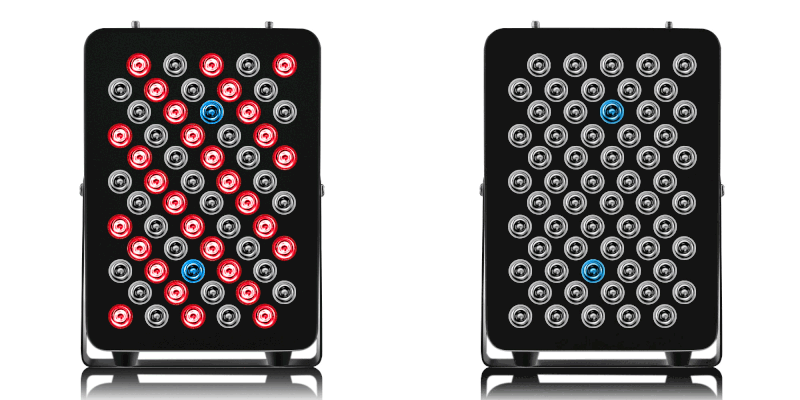
VELLGUS Elite V2
THE #1 RATED RED LIGHT DEVICE
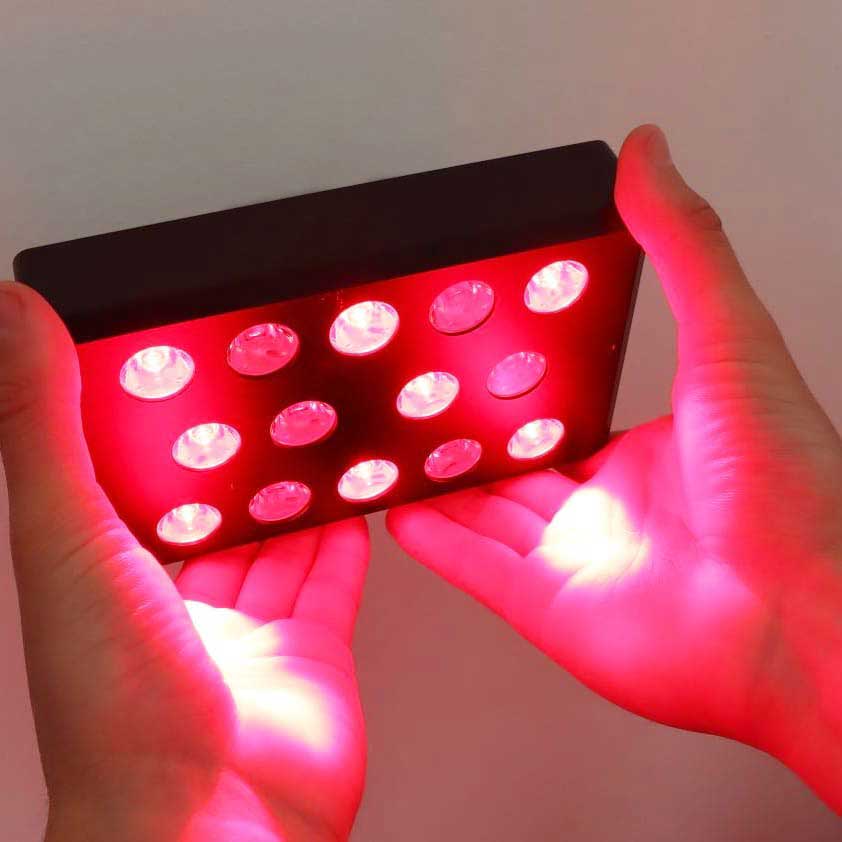
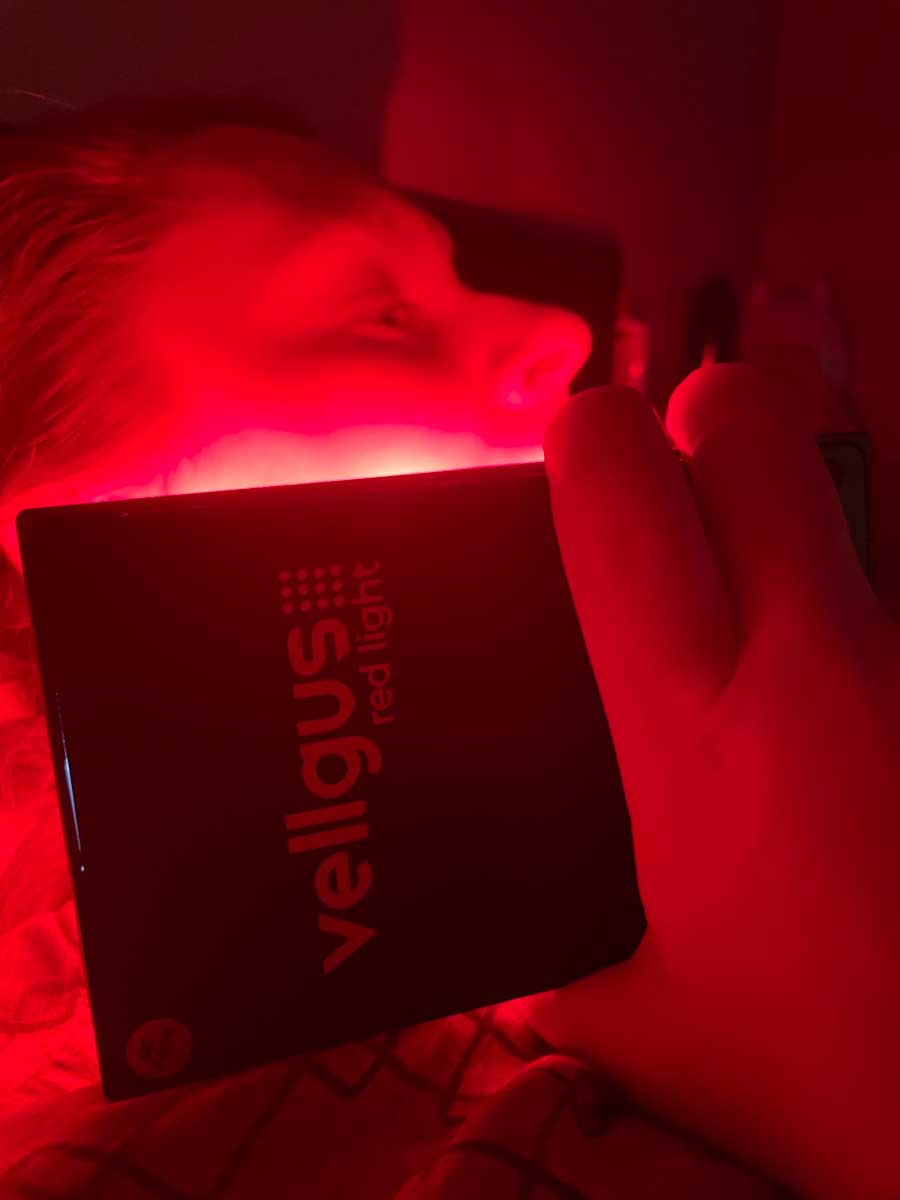
Vellgus Red Light Elite V2 is an incredible way to experience the benefits of multiwave technology spectrum: 480nm 630nm, 660nm, 810nm, 830nm, 850nm. No other red/NIR light device available provides the multi-wave R+| NIR+ spectral output.
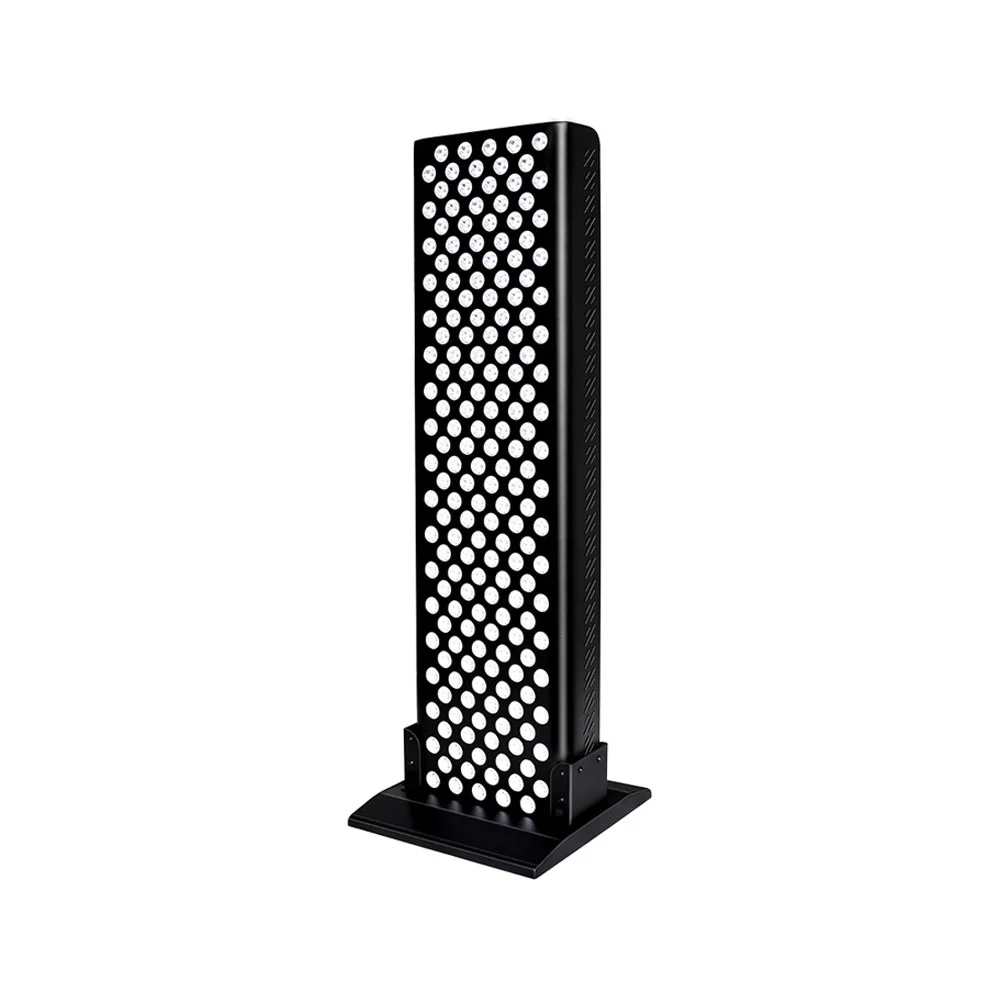
VELLGUS max 300
THE #1 RATED FULL BODY RED LIGHT DEVICE
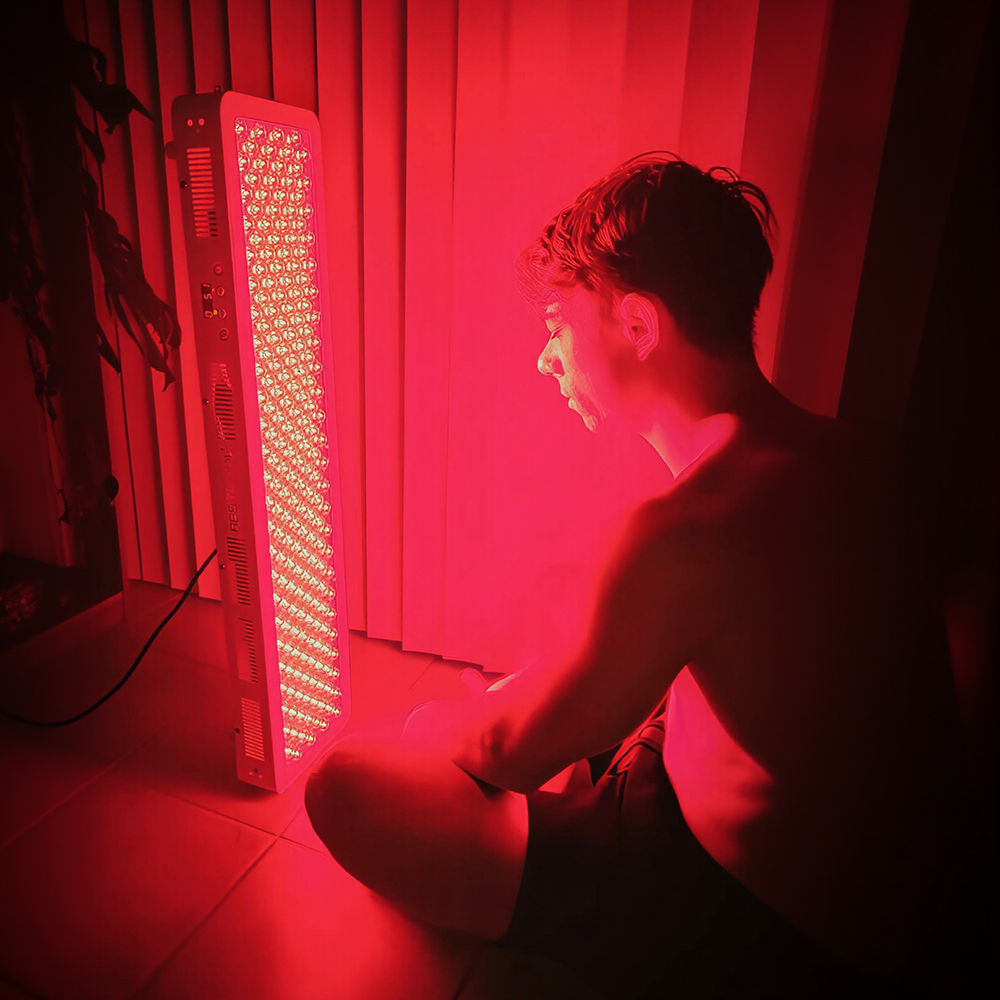
Upgrade your red light therapy experience and take it to the next level with VELLGUS Red Light Max 300. This device is specifically designed for those wanting a brighter and more intense red light treatment
PBM for Tinnitus: Systematic Review Findings
Critical caveat: None of these studies specifically evaluated PBM in acoustic neuroma patients. Tinnitus in acoustic neuroma has a distinct pathophysiology (tumor compression of the cochlear nerve) compared to idiopathic or noise-induced tinnitus. Results from general tinnitus populations cannot be extrapolated.
PBM for Hearing Loss: Systematic Review Findings
A 2024 systematic review on PBM for hearing loss (17 studies, 327 animals and 30 humans) found:
“Hearing outcomes following PBMT appear to be superior to no PBMT for subjects with hearing loss, although higher level evidence is required to verify this.”
However, the single human study included in that review found no significant group differences in audiometry, speech testing, or otoacoustic emissions .
Comparison: Red Light Therapy vs. Established Acoustic Neuroma Treatments
Clinical Recommendations
If You Have an Acoustic Neuroma
- Do not use red light therapy devices on or near the head/ear without explicit neuro-oncologic clearance. The theoretical risk of Schwann cell stimulation warrants caution .
- Discuss all complementary therapies with your treating team — neurosurgeon, neuro-otologist, and oncologist if applicable.
- Monitor tumor growth with scheduled MRI as recommended by your physician, regardless of any complementary interventions.
If You Are Exploring PBM for General Hearing Health
Be aware that:
- Evidence for PBM in hearing loss is preliminary and heterogeneous
- Human clinical trial data is extremely limited
- PBM is not a substitute for evidence-based acoustic neuroma management
Summary: Evidence Assessment
Frequently Asked Questions
1. Can red light therapy shrink an acoustic neuroma?
No. There is no clinical evidence that red light therapy or photobiomodulation shrinks acoustic neuroma tumors. More concerning, because PBM stimulates Schwann cell proliferation in laboratory studies , and acoustic neuromas are Schwann cell tumors , there is a theoretical risk that PBM could promote tumor growth . No clinical trial has tested this directly, but the biological rationale warrants caution.
2. Is red light therapy safe for someone with an acoustic neuroma?
The safety is unknown, and a theoretical contraindication exists. Clinical commentary has flagged acoustic schwannoma as a potential contraindication for PBM because of the proliferative effects on Schwann cells . Until tumor-specific safety data exists, use on or near the tumor site should be avoided unless cleared by your neuro-oncologist.
3. Can red light therapy help with hearing loss from acoustic neuroma?
No evidence supports this. PBM studies in hearing loss are preliminary, heterogeneous, and have not specifically evaluated acoustic neuroma patients . The single human study in a systematic review found no significant benefit . Hearing loss in acoustic neuroma results from tumor compression and/or nerve damage—mechanisms that PBM has not been shown to reverse.
4. What about red light therapy for tinnitus caused by acoustic neuroma?
Evidence is weak and not specific to acoustic neuroma. Systematic reviews of PBM for tinnitus show inconsistent results, with benefits (when observed) being short-term and diminishing by 3–6 months . Multiple expert bodies have concluded that low-level laser therapy is no better than placebo for tinnitus . Tinnitus in acoustic neuroma has a distinct pathophysiology, so general tinnitus data cannot be reliably extrapolated.
5. What should I do if I want to try red light therapy alongside my acoustic neuroma treatment?
Consult your treating physician first. Given the theoretical proliferation concern, applying PBM near the tumor site without medical clearance is not advisable. If cleared, ensure it is used as a complementary—not替代—therapy alongside evidence-based monitoring or treatment. Continue scheduled MRI surveillance regardless of any complementary interventions, as tumor growth can occur even with stable symptoms .