 Free Shipping
  Buy Now, Pay Later
  Eligible

Does Red Light Therapy Help with Earwax Blockage (Cerumen Impaction)?
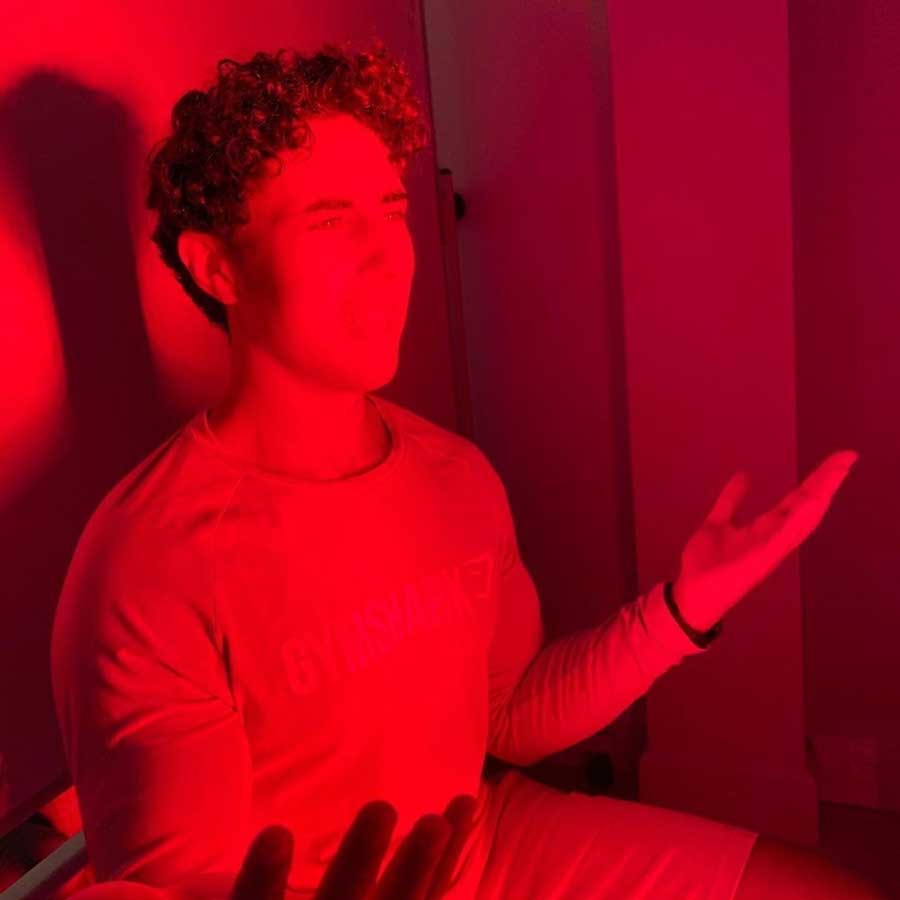
Quick Answer: No. Red light therapy does not dissolve, soften, or remove earwax. There is no clinical evidence supporting red light as a treatment for cerumen impaction. The standard, physician-recommended treatments remain cerumenolytic drops (such as hydrogen peroxide or carbamide peroxide), irrigation, and manual removal by a healthcare professional.
If you are considering red light therapy for ear discomfort, this article explains what the science actually says, how it compares to proven earwax treatments, and when to see a doctor.
What Is Cerumen Impaction?
Cerumen, commonly known as earwax, is a natural substance produced in the ear canal. It serves essential physiological functions: it moisturizes the skin, provides a protective barrier, and helps prevent infection by trapping dust and debris.
Cerumen impaction occurs when earwax accumulates to the point that it blocks the ear canal and causes symptoms. According to the American Academy of Otolaryngology–Head and Neck Surgery, impaction is diagnosed when cerumen accumulation is associated with symptoms such as:
- Decreased hearing
- Local pain or itching
- A feeling of ear blockage or fullness
- Tinnitus (ringing in the ear)
- Vertigo or dizziness
- Cough
Impaction can also be diagnosed when the wax prevents a clinician from adequately examining the eardrum or assessing hearing. Risk factors include hearing aid use, older age, anatomical variations in the ear canal, and certain dermatological conditions.
How Is Cerumen Impaction Treated?
Clinical practice guidelines from the AAO-HNS and the National Institute for Health and Care Excellence (NICE) strongly recommend treating cerumen impaction when it is identified and causing symptoms. The evidence-based treatment options are well established:
Cerumenolytic Agents
These are ear drops designed to soften or dissolve earwax. Commonly used agents include:
- Hydrogen peroxide 3% (often diluted)
- Carbamide peroxide 6.5%
- Sodium bicarbonate 5–10%
- Docusate sodium
- Olive oil
A 2024 study published in the Iranian Journal of Otorhinolaryngology confirmed the cerumenolytic efficacy of carbamide peroxide in patients with earwax obstruction. Hydrogen peroxide works by helping to dissolve hardened wax, oxygenating the ear canal, and creating a micro-circulation effect.
Important safety note: Cerumenolytics are contraindicated in patients with a non-intact tympanic membrane (e.g., perforated eardrum, history of ear tubes, or ear drainage).
Irrigation
Ear irrigation involves flushing the ear canal with sterile water or saline at body temperature using a syringe and catheter. The Merck Manual notes that irrigation is often preferred for patients who cannot remain still. However, complications can occur, including tympanic membrane rupture, infection, and vestibular symptoms if the water is not properly warmed.
Manual Removal
For large, hardened accumulations, manual removal using a curette, alligator forceps, or suction may be more effective and faster than irrigation. This procedure should be performed by a trained healthcare professional.
The Science Behind Red Light Therapy
Red light therapy, also known as photobiomodulation (PBM) or low-level laser therapy (LLLT), uses specific wavelengths of light—typically in the red (620–670 nm) and near-infrared (700–1,400 nm) ranges—to influence cellular function. The proposed mechanisms include stimulating mitochondrial activity, improving local blood circulation, and reducing inflammation.
Critical distinction: Red light (620–700 nm) penetrates only a few millimeters into tissue, affecting the epidermis and upper dermal layers. Infrared light (700–1,400 nm) penetrates deeper, potentially reaching muscles and joints. For an application inside the ear canal, the light must first pass through skin and cartilage to reach any target tissue—a significant physical barrier.
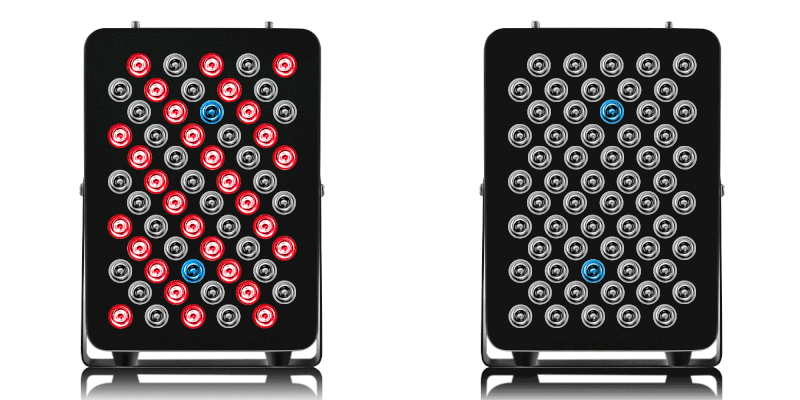
VELLGUS Elite V2
THE #1 RATED RED LIGHT DEVICE
Vellgus Red Light Elite V2 is an incredible way to experience the benefits of multiwave technology spectrum: 480nm 630nm, 660nm, 810nm, 830nm, 850nm. No other red/NIR light device available provides the multi-wave R+| NIR+ spectral output.
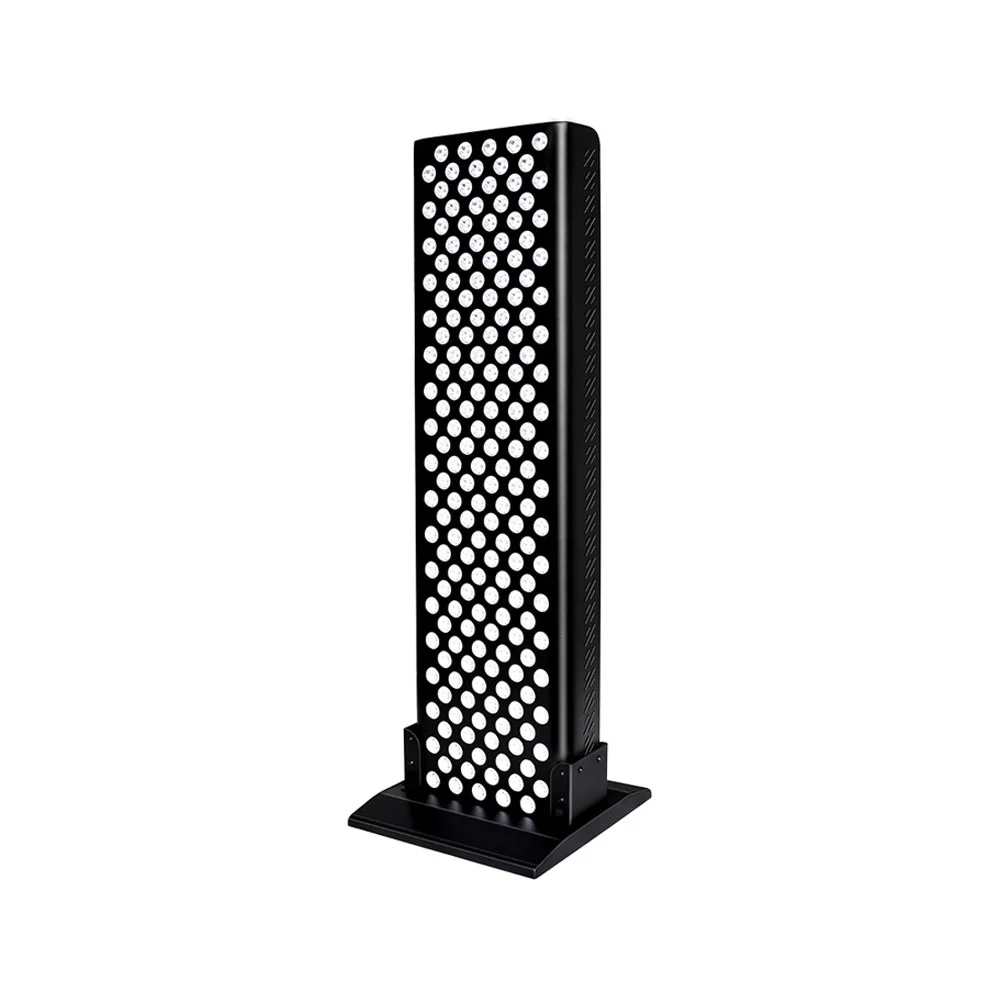
VELLGUS max 300
THE #1 RATED FULL BODY RED LIGHT DEVICE
Upgrade your red light therapy experience and take it to the next level with VELLGUS Red Light Max 300. This device is specifically designed for those wanting a brighter and more intense red light treatment
Does Red Light Therapy Work for Earwax Blockage?
Direct answer: No. There is zero clinical evidence that red light therapy dissolves, softens, or removes earwax.
A search of peer-reviewed medical literature reveals no studies investigating red light therapy as a treatment for cerumen impaction. The systematic reviews that exist on photobiomodulation for ear conditions focus on entirely different pathologies—specifically tinnitus and sudden sensorineural hearing loss (SSNHL).
Even for these conditions, the evidence is limited. A 2025 systematic review published in Cureus analyzed nine clinical studies on LLLT and PBM for tinnitus and SSNHL. The authors concluded that while short-term improvements were observed, “these benefits often diminished after three to six months,” and “long-term efficacy remains uncertain”.
The German Tinnitus League (Deutsche Tinnitus-Liga) is notably direct in its assessment of red light ear devices: “There is currently no serious study showing that red light in the ear has a positive effect on tinnitus. The claim that red light reaches the auditory nerve or inner ear and triggers healing processes there is physically untenable—the radiation simply does not penetrate deep enough into the tissue”.
Why Red Light Cannot Remove Earwax
There are fundamental physical and biological reasons why red light therapy is not a viable treatment for cerumen impaction:
- Penetration limitation: Red light at therapeutic intensities penetrates only 5–10 mm into tissue. The ear canal and tympanic membrane present additional barriers.
- No mechanism of action: Earwax is a lipid- and keratin-rich substance. Light energy does not chemically break down or dissolve these components. Cerumenolytics work through chemical emulsification, not photonic energy.
- The target is wrong: Even if red light could reach the ear canal, the pathology (a physical blockage) is not addressed by the proposed mechanisms of PBM (cellular metabolism, circulation).
Safety Concerns
Red light therapy devices marketed for ear use raise additional safety questions. A 2016 study published in Lasers in Medical Science evaluated trans-tympanic photobiomodulation in animal models and found a dose-response relationship between laser power and tympanic membrane changes—including edema, inflammation, and vascular congestion at higher power densities. The authors noted that these findings should inform “allowance criteria” for future ear-directed laser therapies.
Comparison: Red Light Therapy vs. Proven Cerumen Impaction Treatments
What Do Doctors Say?
The Merck Manual, edited by Elizabeth A. Dinces, MD, MS (Einstein/Montefiore Medical Center) and peer-reviewed by Lawrence R. Lustig, MD (Columbia University Medical Center), provides the authoritative clinical guidance on cerumen removal. Their recommendations focus exclusively on cerumenolytics, irrigation, and manual removal. Red light therapy is not mentioned as a treatment option in any capacity.
The American Academy of Otolaryngology–Head and Neck Surgery’s clinical practice guideline on cerumen impaction similarly makes no reference to light therapy of any kind. The guideline’s treatment recommendations center on cerumenolytic agents, irrigation, and manual removal, with a strong recommendation to treat symptomatic impaction.
Dr. Dinces and colleagues emphasize that “frequent removal of cerumen is discouraged” because cerumen performs important protective functions for the ear canal. This underscores that any intervention—including red light—should only be pursued when medically indicated and evidence-based.
Frequently Asked Questions (FAQs)
1. Can red light therapy dissolve earwax?
No. There is no scientific evidence that red light therapy can dissolve, soften, or remove earwax. Red light lacks the chemical mechanism required to break down cerumen. The proven method for softening earwax is cerumenolytic drops containing agents like hydrogen peroxide or carbamide peroxide.
2. Is red light therapy safe for the ear?
Red light therapy devices marketed for ear use carry potential risks. Animal research has shown that trans-tympanic photobiomodulation at higher power densities can cause inflammation, edema, and vascular congestion in the tympanic membrane. Without clinical evidence of benefit, the risk-benefit calculation does not favor using red light therapy inside the ear.
3. What actually removes earwax blockage?
The evidence-based options are: (1) cerumenolytic ear drops to soften the wax, (2) irrigation with body-temperature saline or water, and (3) manual removal by a healthcare professional using specialized instruments. For large, hard impactions, manual removal is often the most effective and fastest approach.
4. Should I use red light therapy instead of seeing a doctor for earwax blockage?
No. If you have symptoms of cerumen impaction—hearing loss, ear fullness, pain, or dizziness—you should see a healthcare professional. Attempting to treat impaction with unproven methods delays effective treatment and may worsen the blockage or cause injury. Irrigation and manual removal should be performed by trained clinicians, especially if you have diabetes, a history of ear surgery, or a compromised immune system.
5. Is red light therapy effective for other ear conditions?
The evidence is limited and mixed. A 2025 systematic review found that LLLT and PBM may offer short-term relief for tinnitus and modest hearing improvements in some patients with moderate hearing loss, but benefits diminished after 3–6 months and long-term efficacy is uncertain. The German Tinnitus League states there is no scientific proof that red light reaches the inner ear at all. Red light therapy should not be considered a substitute for evidence-based medical treatment for any ear condition.
The Bottom Line
Red light therapy is not a treatment for earwax blockage. There is no clinical evidence supporting its use for cerumen impaction, and the physical properties of red light make it inherently incapable of dissolving or removing earwax. If you are experiencing symptoms of cerumen impaction, the appropriate course of action is to consult a healthcare professional who can recommend proven treatments: cerumenolytic drops, irrigation, or manual removal.
For consumers considering red light therapy devices marketed for ear health, the evidence does not support the claims. The mechanisms proposed for photobiomodulation—improved circulation, reduced inflammation—do not address the physical blockage that defines cerumen impaction. The standard of care remains what it has been for decades: chemical softening followed by mechanical removal, performed safely and appropriately.