 Free Shipping
 Buy Now, Pay Later
 Eligible

Red Light Therapy for Cytokines: A Clinician’s Guide to Photobiomodulation and Inflammatory Signaling
Bottom line: Red light therapy (photobiomodulation, or PBM) is not a generic “anti-inflammatory” gimmick. A growing body of mechanistic and preclinical evidence shows that specific wavelengths—particularly in the red (630–660 nm) and near-infrared range—can directly modulate cytokine expression, shifting the balance away from pro-inflammatory signaling (TNF-α, IL-6, IL-1β) and toward reparative, anti-inflammatory mediators (IL-10, IL-4). However, cytokine responses are highly dose-, wavelength-, and context-dependent. This article examines the evidence, the mechanisms, and what clinicians should know before recommending PBM as an adjunct for cytokine-driven conditions.
What Are Cytokines, and Why Do They Matter in Red Light Therapy?
Cytokines are small signaling proteins that coordinate immune and inflammatory responses. In acute injury, a transient cytokine surge is protective. In chronic disease—rheumatoid arthritis, asthma, sepsis-associated lung injury, chronic wounds—dysregulated cytokine production drives tissue damage and prevents healing.
Red light therapy is hypothesized to act on cytokines through several converging pathways:
- Mitochondrial photodissociation of nitric oxide from cytochrome c oxidase, restoring ATP production and downstream signaling .
- Modulation of redox-sensitive transcription factors, notably NF-κB, which governs pro-inflammatory cytokine gene expression .
- Reprogramming of macrophage polarization, shifting from CCR2+ inflammatory phenotypes toward CX3CR1+ reparative (M2-like) phenotypes .
The clinical implication is significant: if PBM reliably downregulates specific pro-inflammatory cytokines without systemic immunosuppression, it could serve as a non-invasive adjunct in inflammatory disease management. The evidence below tests that premise.
The Evidence: How Red Light Therapy Affects Specific Cytokines
Preclinical and Mechanistic Data
A 2026 study in Frontiers in Immunology examined 650 nm PBM in a murine model of sepsis-induced acute lung injury. PBM (10 minutes, every 6 hours, three times within 24 hours) produced broad suppression of pro-inflammatory mediators—TNF-α, IL-6, IL-1β, MCP-1, GM-CSF, IL-12, IL-17A, and multiple chemokines (CCL11, CXCL1, CCL3/4/5)—while increasing anti-inflammatory IL-4, IL-10, and IL-13. Flow cytometry confirmed reduced neutrophil and inflammatory monocyte infiltration alongside enrichment of reparative macrophages. The authors identified adiponectin-AdipoR1 signaling as a required pathway: when AdipoR1 was silenced, the anti-inflammatory effects were lost .
In allergic asthma models, 980 nm near-infrared PBM significantly downregulated Th2 cytokines IL-4, IL-5, and IL-13 in lung tissue and suppressed NF-κB-mediated inflammatory signaling . A separate chronic asthma study found that intermediate radiant energies (3–5 J) reduced IL-4, IL-5, and IL-13 while increasing IL-10 and expanding regulatory T-cell subsets .
In chronic wound models, PBM therapy increased anti-inflammatory IL-4 at day 14 and improved fibroblast and collagen metrics, though pro-inflammatory IL-1β, IL-6, and TNF-α did not change uniformly across phases . This nuance matters: PBM does not indiscriminately “shut off” inflammation.
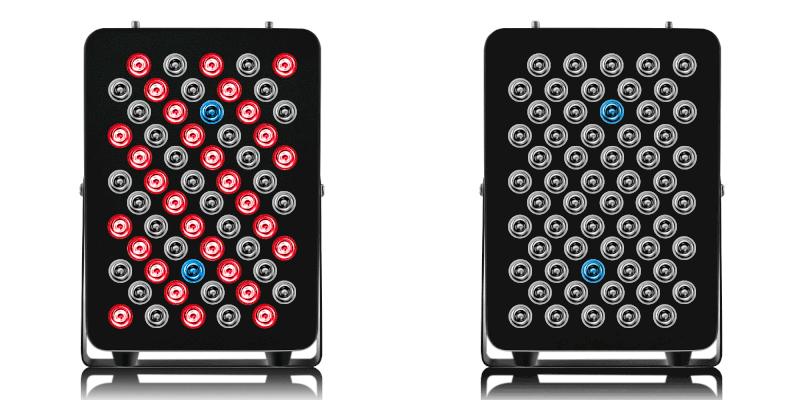
VELLGUS Elite V2
THE #1 RATED RED LIGHT DEVICE
Vellgus Red Light Elite V2 is an incredible way to experience the benefits of multiwave technology spectrum: 480nm 630nm, 660nm, 810nm, 830nm, 850nm. No other red/NIR light device available provides the multi-wave R+| NIR+ spectral output.
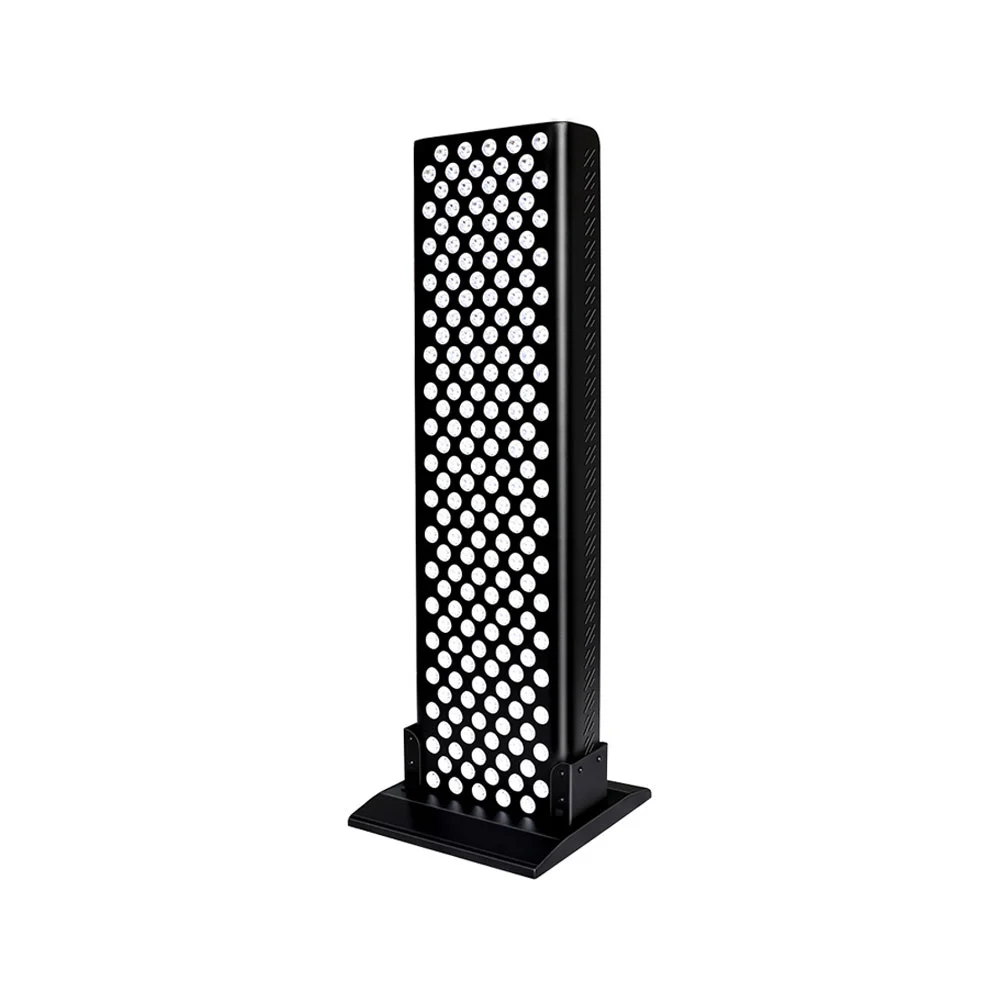
VELLGUS max 300
THE #1 RATED FULL BODY RED LIGHT DEVICE
Upgrade your red light therapy experience and take it to the next level with VELLGUS Red Light Max 300. This device is specifically designed for those wanting a brighter and more intense red light treatment
Human Cell and Clinical-Adjacent Data
Human T-lymphocyte cultures irradiated with 589 nm yellow laser showed significant, dose-dependent changes in IL-2 and interferon-γ gene expression, confirming that photobiomodulation can directly alter cytokine transcription in human immune cells . However, this wavelength sits outside the typical red/NIR therapeutic window and should not be extrapolated to consumer red light devices.
A review of LED photobiomodulation in rheumatoid and osteoarthritis models concluded that red and infrared LED exposure decreases TNF-α, IL-1β, and IL-6 expression in articular tissues, supporting a role in cytokine-driven joint disease .
Comparison Table: Cytokine Effects Across Wavelengths and Models
What Doctors Say: Clinical Perspective on PBM and Cytokines
Dr. David Rosenblum, host of the PainExam Podcast and a pain medicine specialist, summarizes the mechanism plainly: red and near-infrared wavelengths “stimulate mitochondrial activity, increase ATP production, reduce inflammatory mediators, and promote tissue healing” through cytochrome c oxidase stimulation . He notes that clinical results vary due to dosing and protocol differences, but the safety profile remains favorable.
The broader clinical consensus—reflected in institutional guidance from UPMC and Brown University Health—is that red light therapy is generally safe and may reduce inflammation and pain, but more clinical research is necessary to confirm cytokine-specific benefits in humans . Brown University Health explicitly lists “reduce inflammation” among the therapy’s proposed mechanisms while noting that evidence for some applications (e.g., weight loss, dementia) is weaker than for skin and pain outcomes .
Critical caveat: Most cytokine-specific data come from animal models or in vitro systems. Human clinical trials measuring circulating or tissue cytokine levels after PBM are limited. Clinicians should present PBM as a mechanistically plausible adjunct, not a proven cytokine-targeted therapy.
Practical Implications for Clinicians and Informed Consumers
- Wavelength matters. The strongest cytokine data involve 630–660 nm red and 800–980 nm NIR. Devices outside these ranges should not be assumed equivalent.
- Dose is biphasic. PBM follows the Arndt-Schulz law: moderate doses stimulate repair, while excessive doses can be ineffective or counterproductive . More is not better.
- Context determines direction. In some models, PBM increases IL-2 and TNF-α (consistent with immune activation), while in chronic inflammatory states it suppresses them . The baseline immune state matters.
- Safety is favorable but not absolute. Contraindications include direct retinal exposure, treatment over malignancy, and caution during pregnancy or in photosensitive disorders . Individuals with darker skin tones may be more susceptible to hyperpigmentation from visible light .
Frequently Asked Questions
1. Can red light therapy actually lower inflammatory cytokines in humans?
Preclinical evidence strongly supports that red and near-infrared PBM can reduce pro-inflammatory cytokines (TNF-α, IL-6, IL-1β) and increase anti-inflammatory IL-10 in animal models of sepsis, asthma, arthritis, and wound healing . Human T-cell experiments confirm that light can alter cytokine gene expression . However, large-scale human trials with cytokine endpoints are lacking. The therapy is best described as having “mechanistic support” rather than “proven clinical cytokine modulation” in patients.
2. Which wavelength is best for cytokine modulation?
The most consistent cytokine data involve 650 nm red and near-infrared wavelengths (810–980 nm) . Red light penetrates more superficially and is well-suited to skin, wound, and mucosal applications; NIR penetrates deeper and is used for joint, muscle, and pulmonary targets in experimental models. There is no single “best” wavelength—selection should match the target tissue depth and condition.
3. Is red light therapy safe for someone with an autoimmune or inflammatory condition?
PBM has a favorable safety profile with rare, mild adverse effects (transient erythema, warmth) . However, autoimmune conditions involve complex cytokine networks, and theoretical concerns exist about immune stimulation in certain contexts: some in vitro data show red light can increase IL-2 and TNF-α in resting lymphocytes . Patients with autoimmune disease should consult their rheumatologist or immunologist before initiating PBM, particularly with high-power devices.
4. How does red light therapy compare to NSAIDs or biologics for cytokine suppression?
It does not compare—and should not be framed as a replacement. NSAIDs and biologic therapies (e.g., anti-TNF agents) have robust human clinical trial data and predictable pharmacokinetics. PBM’s advantage is its non-invasive, drug-free nature and favorable safety profile, making it a reasonable adjunct for patients seeking to reduce pharmaceutical burden or for localized inflammatory conditions (e.g., osteoarthritis, tendinopathy, chronic wounds). It is not a substitute for guideline-directed therapy in systemic inflammatory disease.
5. How long does it take to see cytokine-related effects from red light therapy?
Cytokine changes in preclinical models occur rapidly—within hours to days of treatment initiation . In clinical practice, PBM protocols for inflammatory or pain conditions typically involve multiple sessions per week over several weeks before meaningful symptom improvement is reported . Because cytokine levels are rarely measured in routine care, patients should judge response by clinical outcomes (pain, function, wound healing) rather than speculative biomarkers. If no meaningful improvement occurs within 4–6 weeks of consistent use, reassessment is warranted.