 Free Shipping
 Buy Now, Pay Later
 Eligible

Does Red Light Therapy Help with Swimmer’s Itch? A Clinical Breakdown for Practitioners and Patients
Bottom line: There is no direct clinical evidence proving red light therapy (photobiomodulation) cures or prevents swimmer’s itch (cercarial dermatitis). However, mechanistically, red light therapy targets the exact downstream inflammatory and pruritic pathways that make swimmer’s itch so uncomfortable. It should be positioned as an adjunctive symptom-management tool for the itching and inflammation phase, not as an antiparasitic or primary cure.
If you are considering red light therapy to manage the intense itching and inflammation associated with swimmer’s itch, understanding the distinction between killing the parasite and calming the skin’s reaction is critical for realistic expectations and safe use.
Understanding the Target: What Is Swimmer’s Itch?
Swimmer’s itch is not an infection in the traditional sense; it is an allergic reaction to microscopic parasites (cercariae) that burrow into the skin and quickly die because humans are unsuitable hosts .
The parasites die quickly, but the immune system’s overzealous response to their brief presence is what causes the week-long misery.
The Mechanism: How Red Light Therapy Intervenes
Red light therapy (RLT), or photobiomodulation (PBM), utilizes wavelengths typically between 630 nm and 700 nm . It does not kill pathogens directly; instead, it modulates the host’s cellular behavior.
1. Anti-Inflammatory Action (The NF-κB Pathway)
Swimmer’s itch is driven by a localized inflammatory cascade. Research published in Cells (2026) demonstrates that PBM generates controlled reactive oxygen species (ROS) that activate the NFκB-TGF-β1-ATF-4 axis. This coordinated signaling downregulates inflammatory and apoptotic pathways while activating stress-adaptive responses . In practical terms, RLT tells the skin cells to stop overreacting to the dead parasite and shift toward repair.
2. Inhibition of Allergic T-Cell Activation
Because swimmer’s itch is an allergic contact-type dermatitis, T-cell hyperactivation plays a role in the severity of the rash. A 2024 study in Contact Dermatitis found that PBM directly moderates the activation of naïve T cells via the TGF-beta signaling pathway, effectively suppressing the allergic inflammatory response in dermatitis models .
3. Neuromodulation for Itch Relief
The sensation of itch is transmitted via specific nerve fibers. Research from Acta Dermato-Venereologica indicates that phototherapy can reduce the number of epidermal nerve fibers and CGRP-positive dermal nerve fibers . While that specific study focused on UV phototherapy, the principle that light therapy modulates cutaneous nerve density and neuropeptide release supports the observation that RLT can reduce the perception of itch.
Comparison: Red Light Therapy vs. Standard Swimmer’s Itch Management
For a therapy to be worth recommending, it must offer a distinct advantage or fill a gap in the standard of care.
Clinical Takeaway: RLT is not a first-line emergency treatment. It is best positioned for the subacute phase (days 2–7) when the acute allergic surge has passed but the itch and barrier disruption persist, or for patients who cannot tolerate corticosteroids.
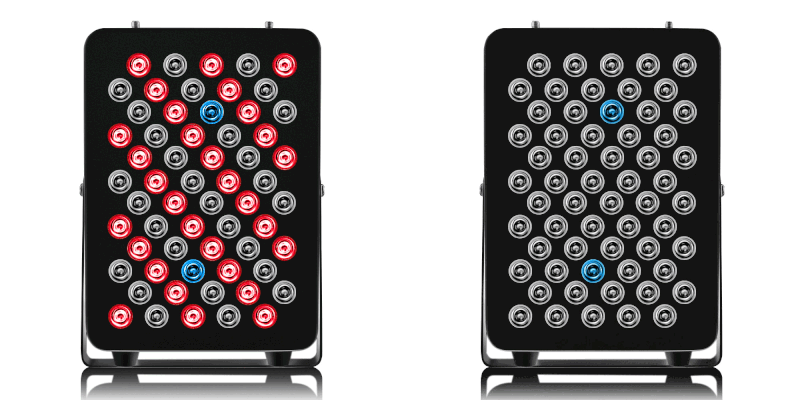
VELLGUS Elite V2
THE #1 RATED RED LIGHT DEVICE
Vellgus Red Light Elite V2 is an incredible way to experience the benefits of multiwave technology spectrum: 480nm 630nm, 660nm, 810nm, 830nm, 850nm. No other red/NIR light device available provides the multi-wave R+| NIR+ spectral output.
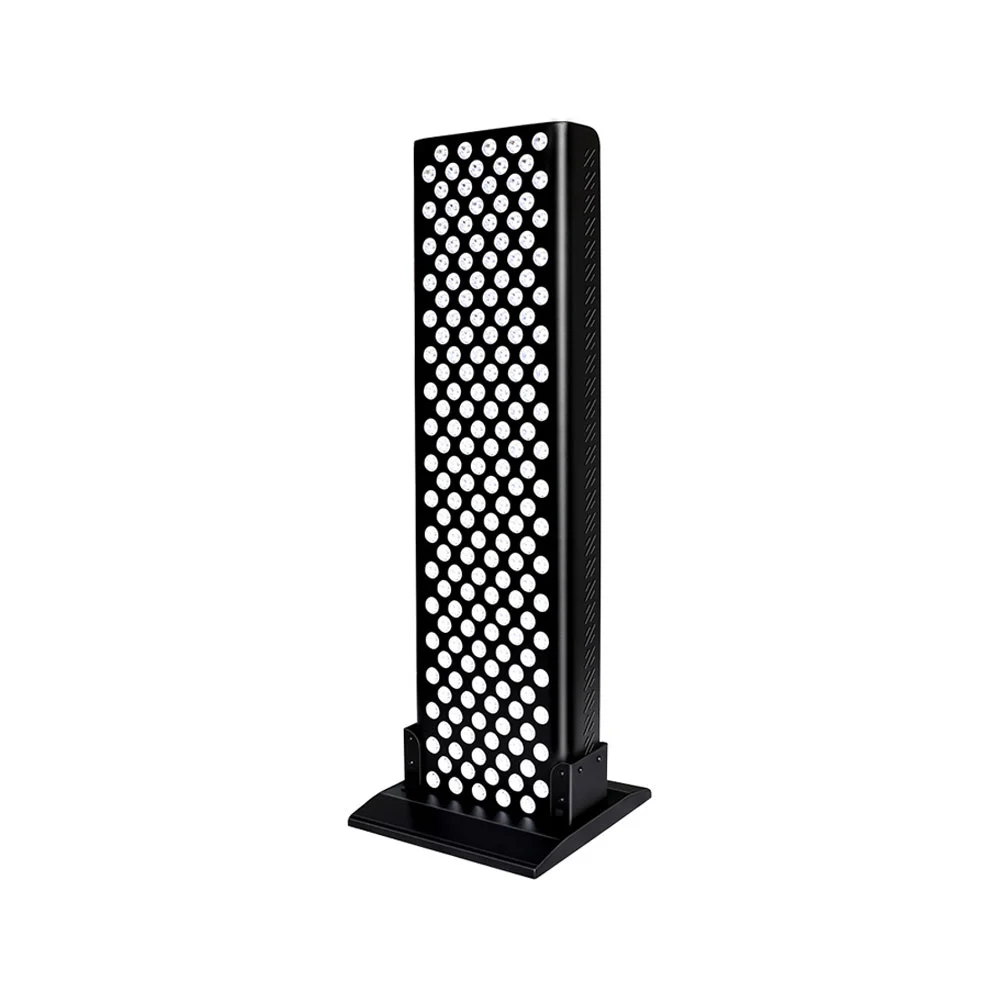
VELLGUS max 300
THE #1 RATED FULL BODY RED LIGHT DEVICE
Upgrade your red light therapy experience and take it to the next level with VELLGUS Red Light Max 300. This device is specifically designed for those wanting a brighter and more intense red light treatment
Practical Protocol for Adjunctive Use
If you are using a red light device to manage post-swim skin irritation, parameters matter. Based on general PBM dermatological guidelines and the mechanisms observed in the cited studies :
- Wavelength: 630–660 nm (Red) is sufficient for superficial epidermal/dermal targets. Near-infrared (800–850 nm) may penetrate deeper if inflammation is pronounced.
- Timing: 5–10 minutes per localized area, once daily.
- Skin Prep: Ensure the skin is clean and dry. Do not apply thick occlusive ointments immediately before RLT, as they can block light penetration. Use RLT before applying moisturizer or steroid cream, or wait until the cream has fully absorbed.
- Contraindication Check: If the patient is on photosensitizing medications (certain antibiotics, retinoids), RLT should be avoided or cleared by a physician first.
Frequently Asked Questions (FAQs)
1. Does red light therapy kill the swimmer’s itch parasite?
No. Swimmer’s itch is caused by a parasite (cercariae) that dies on its own shortly after burrowing into human skin because humans are dead-end hosts . Red light therapy does not have antiparasitic properties; it treats the allergic reaction (inflammation and itching) caused by the parasite’s brief presence .
2. Can I use red light therapy instead of seeing a doctor for swimmer’s itch?
Generally yes for mild cases, but with caveats. Most cases resolve without medical care. However, if the rash lasts more than a week, shows signs of pus, or if you experience swelling or fever, you must see a healthcare provider . RLT is a comfort measure, not a replacement for medical evaluation of potential secondary infections.
3. How soon after swimming should I start red light therapy?
Start after the skin is clean and dry. Since RLT is anti-inflammatory, beginning sessions in the early papule stage (within 12–24 hours) may help modulate the intensity of the T-cell mediated response . However, if the skin is actively weeping or blistered, avoid light therapy until the acute weeping phase subsides to prevent irritation.
4. Is red light therapy better than hydrocortisone cream for swimmer’s itch?
They serve different roles. Hydrocortisone is a fast-acting, broad immunosuppressant that rapidly reduces acute redness and swelling . RLT works more gradually by promoting cellular repair and modulating specific inflammatory pathways without the risk of skin thinning associated with long-term steroid use . RLT is an excellent steroid-sparing option for sensitive skin or facial involvement.
5. What wavelength is most effective for itch relief?
630–660 nm (Red) is the primary choice. This wavelength targets the mitochondrial cytochrome c oxidase enzyme effectively, triggering the anti-inflammatory cascade . Near-infrared (800–850 nm) can be added for deeper dermal inflammation, but the red spectrum is the most studied for superficial pruritic dermatoses.
Disclosure: This article is for informational purposes. Red light therapy devices vary in power and quality; always follow manufacturer guidelines and consult a dermatologist if symptoms persist beyond one week or worsen.