 Free Shipping
 Buy Now, Pay Later
 Eligible

Does Red Light Therapy Help with Chigger Bites? A Clinical Analysis for Evidence-Based Relief
Executive Summary: Chigger bites present a unique clinical challenge characterized by intense pruritus and localized inflammatory response. While red light therapy (RLT) is not a primary treatment for the underlying parasitic infestation or potential vector-borne disease, peer-reviewed evidence suggests it serves as a potent adjunctive modality for symptomatic relief. By modulating inflammatory pathways and accelerating cutaneous repair, RLT offers a non-pharmacological option for managing the localized dermatitis associated with chigger bites. However, clinicians must prioritize appropriate medical evaluation to rule out scrub typhus, particularly in endemic regions.
Understanding the Clinical Presentation of Chigger Bites
Chiggers, the larval stage of trombiculid mites, are microscopic arachnids found globally, with high prevalence in the sun-belt region of the United States . Unlike mosquitoes, chiggers do not typically burrow into the skin; rather, they inject digestive enzymes that liquefy tissue, triggering a intense immune response.
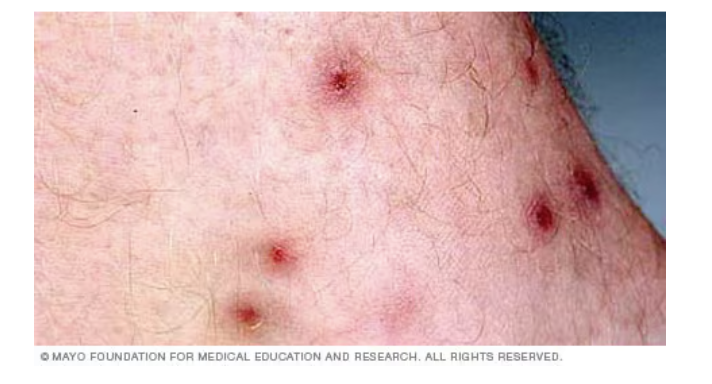
The clinical hallmark of a chigger bite is severe, relentless itching that often begins within hours of exposure. This is accompanied by erythematous papules or welts . While the bites themselves are self-limiting in most healthy individuals, the resulting pruritus can lead to excoriation (scratching), which significantly increases the risk of secondary bacterial infections .
Critical Clinical Caveat: In the Asia-Pacific region and parts of the Americas, chiggers can transmit Orientia tsutsugamushi, the causative agent of scrub typhus . If a patient presents with fever, headache, myalgia, and a characteristic necrotic eschar (a black scab at the bite site) following potential exposure, immediate antibiotic therapy (typically doxycycline) is indicated . Red light therapy is not a treatment for scrub typhus.
The Mechanism of Red Light Therapy in Cutaneous Inflammation
Red light therapy (RLT), also known as photobiomodulation, utilizes wavelengths in the red (620–700 nm) and near-infrared (810–850 nm) spectrums. The primary mechanism involves the absorption of photons by mitochondrial cytochrome c oxidase, leading to increased adenosine triphosphate (ATP) production and the modulation of reactive oxygen species .
In the context of inflammatory dermatoses like chigger bites, RLT offers three primary benefits:
- Anti-Inflammatory Action: RLT has been shown to downregulate pro-inflammatory cytokines and reduce edema. A clinical study on radioactive dermatitis demonstrated that red light phototherapy significantly reduced pain scores and accelerated wound healing compared to routine care .
- Pruritus Modulation: While specific studies on chigger-induced itch are lacking, the general anti-inflammatory effect of RLT is known to quiet the “fire” of localized inflammation, potentially dulling the itch-ache signal at the neural level .
- Acceleration of Tissue Repair: For patients who have excoriated the bite sites, RLT promotes collagen synthesis and fibroblast proliferation, aiding in the restoration of the epidermal barrier .
Evidence Comparison: RLT vs. Standard Care for Bite Symptoms
The following table synthesizes the available clinical evidence regarding the use of photobiomodulation for inflammatory skin conditions and compares it to standard symptomatic treatments for chigger bites.
Note: There are no randomized controlled trials specifically evaluating RLT for chigger bites. The evidence for RLT in this context is derived from its established efficacy in general wound healing and inflammatory skin conditions .
Clinical Protocol for Using RLT on Chigger Bites
For clinicians considering recommending RLT as an adjunctive therapy, the following protocol aligns with the parameters used in successful dermatological studies:
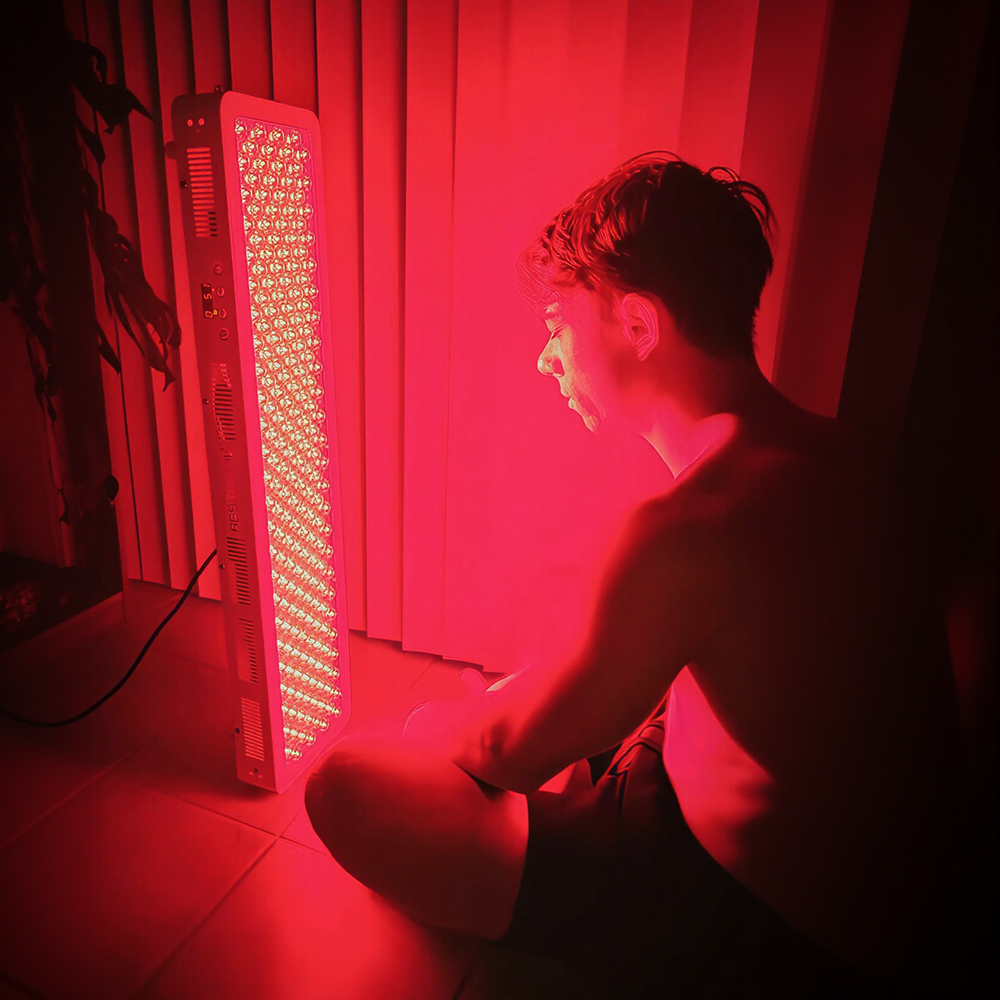
- Wavelength: Use devices emitting 630–660 nm (Red) for superficial inflammation and itching, or 810–850 nm (Near-Infrared) for deeper tissue penetration if significant swelling is present.
- Dosage & Duration: Based on protocols for inflammatory skin conditions, a session of 5 to 10 minutes per localized area is appropriate . The light should be applied directly to the affected skin at a comfortable distance.
- Frequency: For acute symptomatic relief, once or twice daily application is recommended until the inflammatory papules subside .
- Sanitization: Because chigger bites can become infected, the RLT device should be cleaned according to manufacturer guidelines between uses if it comes into contact with broken skin.
Important Safety Note: Patients should be advised not to use RLT as a substitute for medical evaluation if they exhibit signs of systemic illness (fever, chills, severe headache) or if the bite site develops a black, crusty center (eschar), which could indicate scrub typhus .
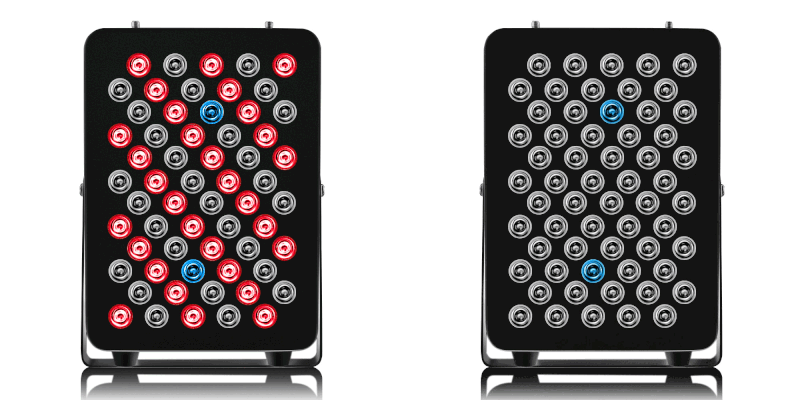
VELLGUS Elite V2
THE #1 RATED RED LIGHT DEVICE
Vellgus Red Light Elite V2 is an incredible way to experience the benefits of multiwave technology spectrum: 480nm 630nm, 660nm, 810nm, 830nm, 850nm. No other red/NIR light device available provides the multi-wave R+| NIR+ spectral output.
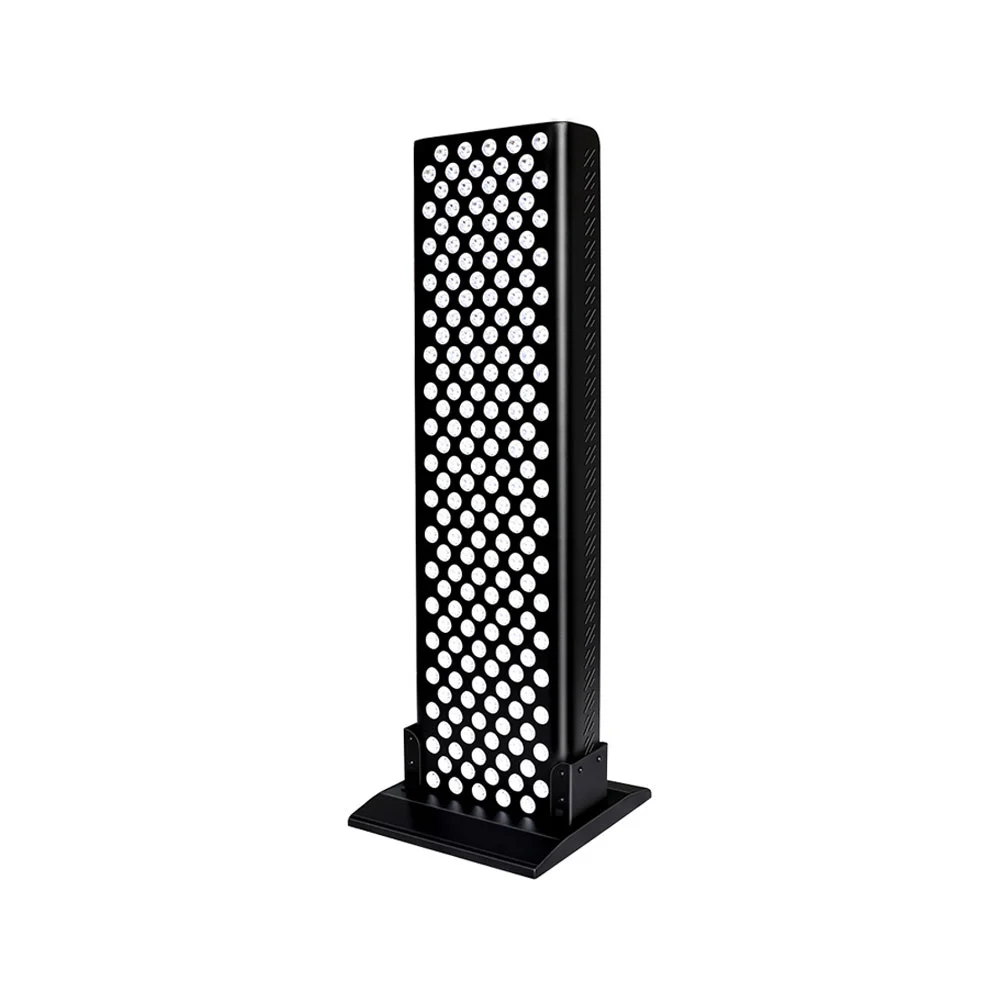
VELLGUS max 300
THE #1 RATED FULL BODY RED LIGHT DEVICE
Upgrade your red light therapy experience and take it to the next level with VELLGUS Red Light Max 300. This device is specifically designed for those wanting a brighter and more intense red light treatment
Frequently Asked Questions (FAQs)
1. Can red light therapy kill chiggers or remove them from the skin?
No. Chiggers do not burrow deeply into the skin; they attach, feed, and drop off. RLT is not a parasiticidal treatment. Its role is strictly to manage the aftermath of the bite—specifically the inflammation, itching, and potential skin damage from scratching .
2. How quickly will red light therapy relieve the itching from a chigger bite?
Patients often report a soothing effect during or immediately after the session due to the reduction of local inflammatory heat and edema . However, because RLT works on cellular metabolism rather than immediate histamine blockade, it may take several sessions to achieve sustained relief compared to a fast-acting topical antihistamine.
3. Is red light therapy safe if I have scratched the chigger bite until it bleeds?
Yes, RLT is generally safe and potentially beneficial for minor excoriations. Studies on radioactive dermatitis and surgical wounds have shown that red light therapy accelerates the healing of damaged skin and reduces pain associated with open lesions . However, if the wound shows signs of infection (pus, spreading redness, heat), medical evaluation for antibiotics is required before continuing with light therapy.
4. Can red light therapy prevent scrub typhus if I was bitten by an infected chigger?
Absolutely not. Scrub typhus is a serious bacterial infection caused by Orientia tsutsugamushi . It requires prompt treatment with antibiotics (doxycycline). RLT has no antibacterial effect against this intracellular pathogen. If you develop a fever or a black scab at the bite site after traveling in an endemic area, seek immediate medical attention .
5. What is the difference between using red light vs. blue light for bug bites?
Blue light (415 nm) is primarily used for its antibacterial properties (e.g., in acne treatment) and can help neutralize surface bacteria on the skin . Red light (630–660 nm) is the wavelength of choice for anti-inflammatory and healing purposes. For chigger bites, which are inflammatory rather than primarily bacterial, red light is the more appropriate wavelength, though some protocols suggest using blue light first to sanitize the area if the skin is broken .