 Free Shipping
 Buy Now, Pay Later
 Eligible

Red Light Therapy for Astigmatism: What the Evidence Actually Shows
Bottom line: Red light therapy does not treat, correct, or reverse astigmatism. Astigmatism is a structural refractive error caused by the shape of your cornea or lens. Red light therapy cannot reshape those tissues. However, a growing body of research shows that specific wavelengths of red and near-infrared light may support corneal health and mitochondrial function—which is a different claim entirely. If you are considering red light therapy, understand what it can and cannot do before you spend money on a device.
What Astigmatism Actually Is (and Why Light Therapy Cannot “Fix” It)
Astigmatism occurs when the cornea or lens has an uneven curvature, causing light rays to scatter rather than focus on a single point on the retina. The result is blurred or distorted vision at all distances. According to the American Academy of Ophthalmology guidelines, the established treatments are optical correction (glasses or toric contact lenses) and refractive surgery—not light therapy .
Red light therapy works through a process called photobiomodulation. Photons of red and near-infrared light are absorbed by cytochrome c oxidase (COX IV) in the mitochondria, which can enhance ATP production and modulate cellular stress responses . This is a cellular energy and repair mechanism. It is not an optical reshaping mechanism.
Put simply: photobiomodulation can influence how cells function. It cannot change the curvature of your cornea.
What the Research on Red Light and the Cornea Actually Shows
While no peer-reviewed study has ever tested red light therapy as an astigmatism treatment, several well-designed studies have examined its effects on corneal tissue. These findings are relevant to eye health generally, even if they do not apply to astigmatism correction specifically.
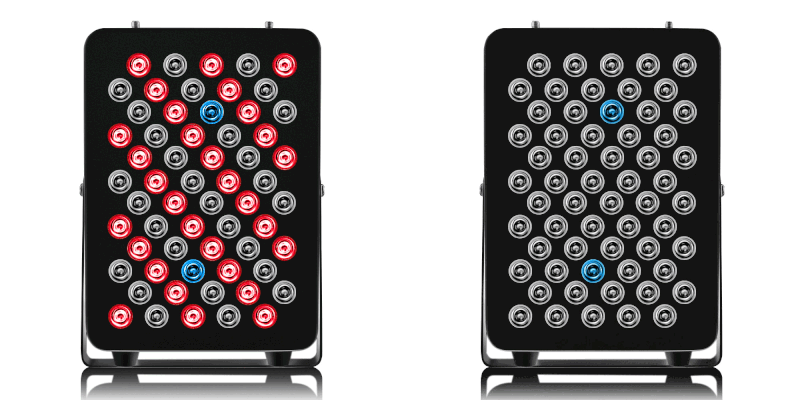
VELLGUS Elite V2
THE #1 RATED RED LIGHT DEVICE
Vellgus Red Light Elite V2 is an incredible way to experience the benefits of multiwave technology spectrum: 480nm 630nm, 660nm, 810nm, 830nm, 850nm. No other red/NIR light device available provides the multi-wave R+| NIR+ spectral output.
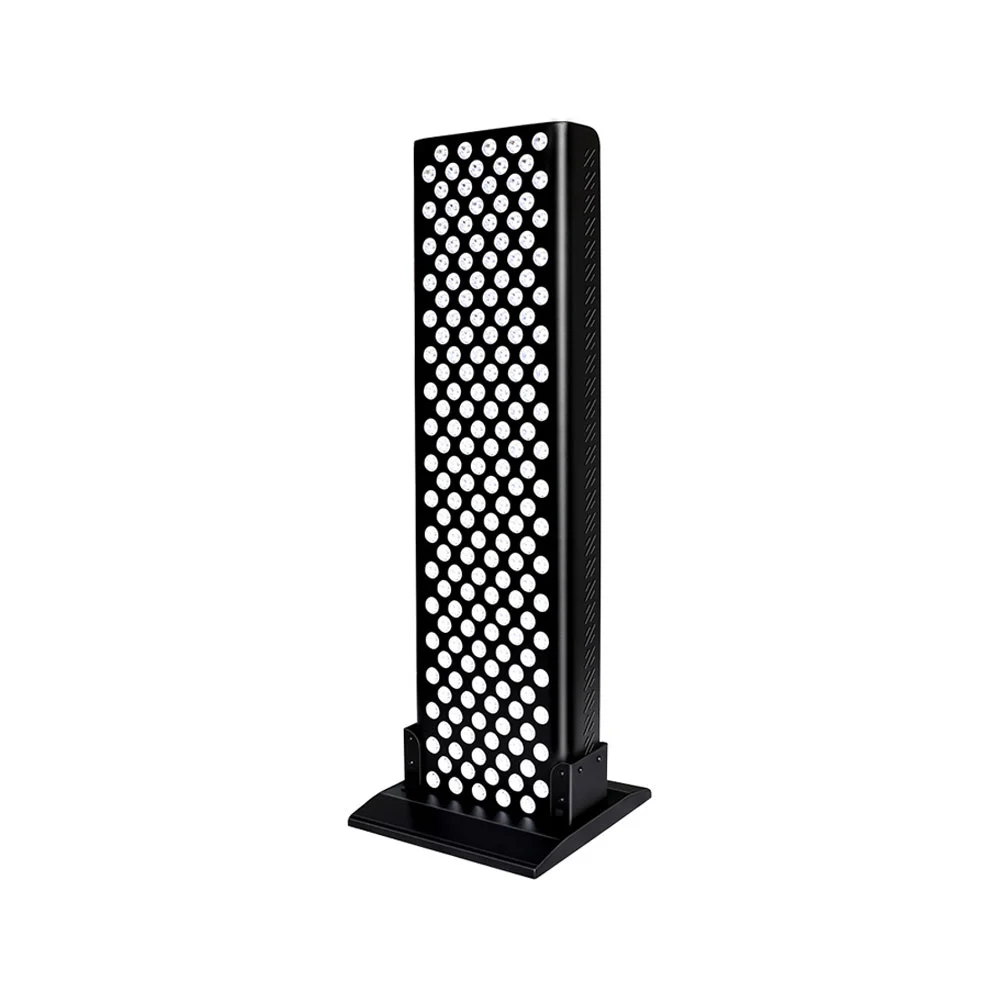
VELLGUS max 300
THE #1 RATED FULL BODY RED LIGHT DEVICE
Upgrade your red light therapy experience and take it to the next level with VELLGUS Red Light Max 300. This device is specifically designed for those wanting a brighter and more intense red light treatment
Corneal Endothelial Protection
A 2017 study published in Experimental Eye Research found that near-infrared light (625–635 nm) attenuated damage to corneal endothelial cells in rats subjected to elevated intraocular pressure. The researchers demonstrated that red light activated mitochondrial COX IV and stimulated cell survival mechanisms, concluding that red light therapy could potentially “preserve maximum visual acuity” in conditions involving endothelial dysfunction .
Corneal Epithelial Healing
A 2019 study from the same research group showed that red light enhanced the survival, proliferation, and migration of human corneal epithelial cells in culture, while blunting damage from blue light exposure. The authors suggested a potential role for red light in corneal wound healing .
What this means for you: These studies suggest red light may support the cornea’s ability to maintain and repair itself. They do not suggest—and none of the authors claim—that red light alters corneal curvature. Astigmatism is a shape problem, not a healing problem.
The Safety Question: What You Need to Know Before Shining Light in Your Eyes
At-home red light therapy devices, particularly face masks marketed for skin rejuvenation, have become ubiquitous. Many users assume that because the light is “natural” and non-UV, it is safe for eyes. The evidence says otherwise.
A Documented Serious Adverse Event
A 2026 case report published in ScienceDirect described a 43-year-old woman who developed bilateral angle-closure glaucoma with ciliochoroidal effusions after two weeks of using a red light therapy mask without eye protection. She presented with significant inflammation and periorbital edema. Her vision recovered to 20/20 after stopping the device and receiving medical treatment, but the case highlights a real risk: red and near-infrared light can influence choroidal blood flow and vascular dynamics .
The authors noted that red light therapy manufacturers often do not recommend eye protection, and the patient was not using any. They concluded that eye protection should be considered during treatment, with warnings to seek immediate care for eye pain or vision changes .
Expert Commentary on Retinal Risk
Karl Citek, O.D., Ph.D., chair of the AOA’s Commission on Ophthalmic Standards, commented on a pilot study examining red light for retinal function. While he found the research “interesting,” he emphasized the study’s small size and lack of benefit in younger participants. He also noted that there is “no evidence to date” showing benefits from longer periods of use or preventative use in people under 40 .
Dr. Citek’s caution is worth repeating: the absence of harm in a small study is not proof of safety for every user, every device, or every duration.
Comparison: Red Light Therapy vs. Established Astigmatism Treatments
What Red Light Therapy Is Being Studied For (and Why That Matters)
The confusion around red light and astigmatism likely stems from legitimate research into other eye conditions. Repeated low-level red light therapy (RLRL) has been studied extensively for myopia control in children, with randomized controlled trials showing reductions in axial length progression . This is a fundamentally different mechanism: myopia involves axial elongation of the eyeball, and red light appears to influence choroidal thickness and vascular dynamics .
Astigmatism involves curvature, not axial length. A therapy that slows eyeball growth does nothing for an uneven cornea.
Additionally, pilot studies have examined red light for retinal function in older adults. The UCL study cited by the AOA found that a brief daily exposure to 670 nm light improved color contrast sensitivity in participants over 40, but the sample was small (24 people) and the findings require replication . Dr. Citek noted that patients with retinal disease may not benefit, and clinical trials in AMD patients had already shown no benefit in one pilot .
Frequently Asked Questions
1. Can red light therapy cure or reduce my astigmatism?
No. There is no peer-reviewed evidence that red light therapy can change corneal curvature or correct astigmatism. Astigmatism is a structural refractive error, and red light therapy does not reshape tissue. The 2023 American Academy of Ophthalmology guidelines do not mention red light therapy as a treatment for astigmatism . Any claim that it does is not supported by science.
2. Is it safe to use a red light therapy mask without eye protection?
Not according to current case evidence. A documented case of bilateral angle-closure glaucoma occurred in a patient using a red light mask without eye protection . The authors of that case report recommend eye protection during treatment and urge users to seek immediate medical attention for eye pain or vision changes. The FDA has not cleared at-home red light masks for ocular treatment, and manufacturers’ instructions vary widely. If you choose to use a device near your eyes, use the protective eyewear provided and consult your eye doctor first.
3. I saw a review online saying someone’s astigmatism improved with red light. How do you explain that?
Anecdotes are not evidence. A Trustpilot review from a user of a red light device claimed their astigmatism “got better” . However, individual testimonials cannot establish causation. Vision changes can occur for many reasons—including normal fluctuation, changes in tear film, lighting conditions during subjective testing, or simultaneous changes in prescription. Without a controlled clinical trial measuring corneal topography before and after treatment, there is no way to attribute a vision change to red light therapy. The plural of anecdote is not data.
4. Does red light therapy have any legitimate eye-related benefits?
Possibly, but the research is preliminary and specific. Studies suggest red light may support corneal endothelial and epithelial cell health in laboratory and animal models . It is being actively studied for myopia control in children, with encouraging results in randomized trials . Retinal photobiomodulation research is ongoing, with mixed results . None of these applications are approved for general consumer use, and none involve astigmatism. If you have a specific eye condition, ask your ophthalmologist or optometrist whether any red light protocol is appropriate for you—do not self-treat.
5. What should I do if I want to try red light therapy for general eye health?
Talk to your eye doctor first, and protect your eyes. Red light therapy is not a substitute for comprehensive eye care. If you have astigmatism, the appropriate treatment is an accurate prescription for glasses or contact lenses, or a discussion about refractive surgery if you are a candidate. If you are using red light for skin or other purposes and want to know about eye safety, ask your optometrist. Do not look directly into a red light device, use protective eyewear if the device is near your face, and stop immediately if you experience any change in vision, eye pain, or redness. The case report of angle-closure glaucoma is a reminder that “natural” light is not automatically safe for every user or every duration of exposure .