 Free Shipping
  Buy Now, Pay Later
  Eligible

Does Red Light Therapy Help with Papillomas? A Dermatologist’s Guide
Summary: Red light therapy, when used as part of photodynamic therapy (PDT), has demonstrated clinical efficacy in treating papillomas caused by human papillomavirus (HPV). However, the evidence does not support standalone red light therapy as a primary treatment. This article examines the clinical evidence, compares treatment modalities, and provides guidance on when red light therapy may be appropriate.
Understanding Papillomas and HPV
Papillomas are benign epithelial tumors most commonly caused by human papillomavirus (HPV) infection. The clinical manifestations vary by HPV type and anatomical location:
- Cutaneous warts (verruca vulgaris, plantar warts, plane warts): Caused by low-risk HPV types, typically HPV 1, 2, 3, 4, 27, and 57
- Condylomata acuminata (genital warts): Associated with HPV 6 and 11
- Oral squamous papillomas: HPV-related benign lesions of the oral mucosa
The virus infects basal keratinocytes, leading to controlled epithelial hyperplasia rather than malignancy in low-risk HPV types. Treatment aims to eliminate visible lesions, reduce transmission risk, and prevent recurrence.
The Science Behind Red Light Therapy for HPV Lesions
Red light therapy encompasses two distinct clinical approaches when applied to papillomas:
1. Photodynamic Therapy (PDT) with Red Light
This is the most extensively studied application. PDT involves applying a photosensitizer (typically 5-aminolevulinic acid, ALA) to the lesion, which accumulates in HPV-infected cells. When activated by red light (typically 630–640 nm), the photosensitizer generates cytotoxic reactive oxygen species that selectively destroy infected keratinocytes through apoptosis and necrosis.
Dr. R. Rossi and colleagues note that PDT’s mechanism in HPV infections involves “release of cytotoxic radicals which damage keratinocytes infected by HPV, inducing their selective apoptosis and necrosis”.
2. Red Light Photobiomodulation (Adjunct Therapy)
Low-level red light (633 nm) has been used as an adjunct to accelerate wound healing after ablative treatments for plantar verrucae. In a study of 121 plantar warts treated with Er:YAG laser ablation followed by red LED therapy, recurrence rates were less than 6% at 12-month follow-up, with accelerated pain-free healing.
Clinical Evidence: What the Research Shows
Photodynamic Therapy Efficacy Data
A 2022 systematic review and meta-analysis of 19 randomized controlled trials examined PDT for HPV-induced warts. Key findings:
- Hand and foot warts: PDT showed statistically significant improvement in clearance rates compared to placebo (P = 0.02), other lasers (P < 0.0001), and cryotherapy (P = 0.009)
- Condylomata acuminata: PDT was not superior to CO₂ laser or electrosurgical generator in clearance rates, but all studies reported significantly reduced recurrence rates
- Plane warts: PDT demonstrated superiority over placebo (P = 0.003) and cryotherapy (P = 0.007)
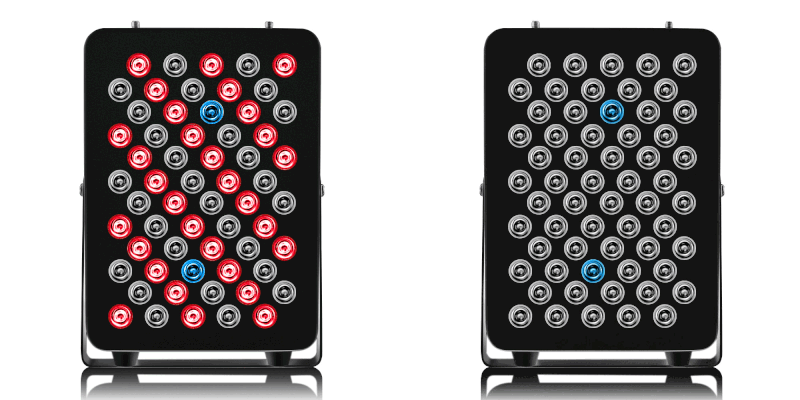
VELLGUS Elite V2
THE #1 RATED RED LIGHT DEVICE
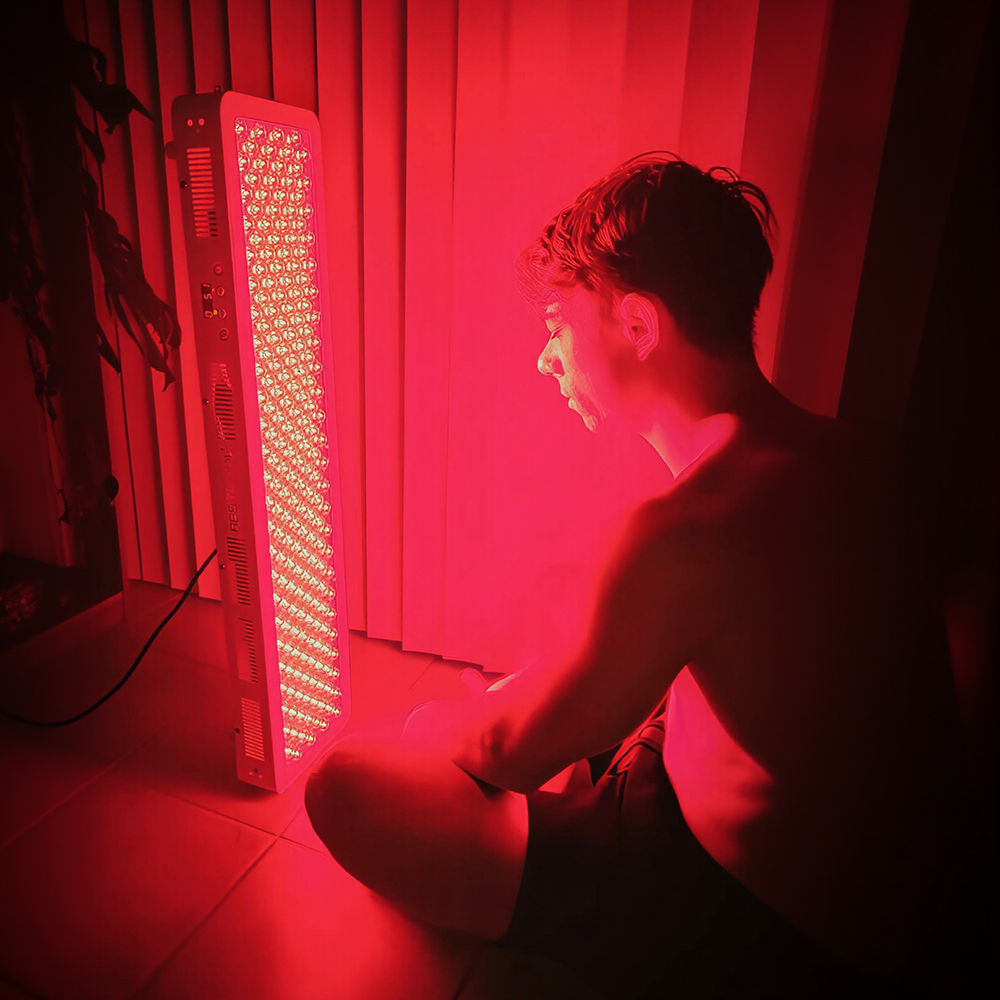
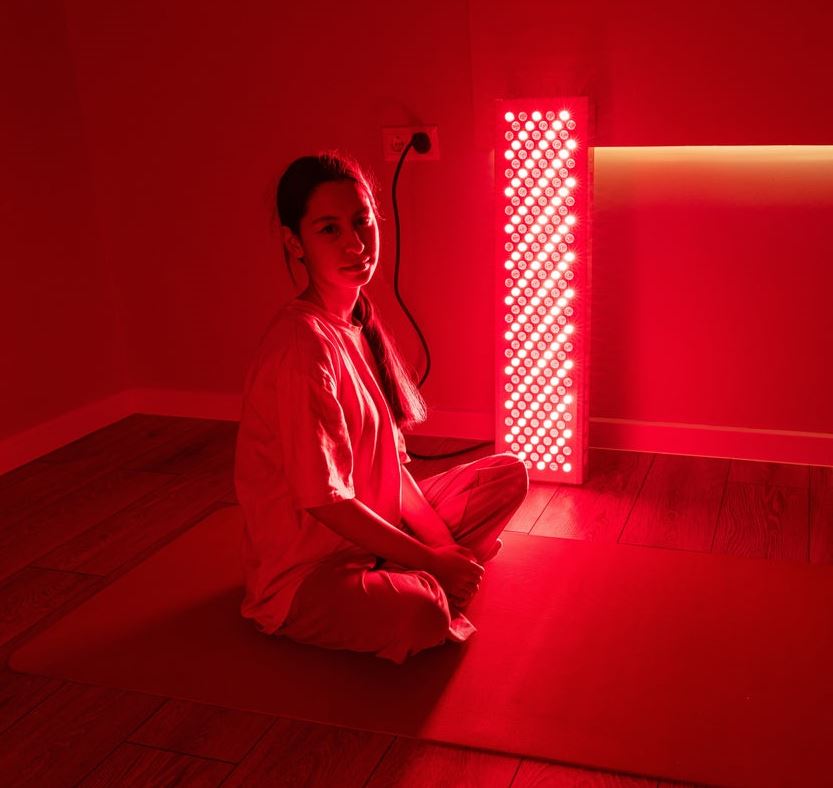
Vellgus Red Light Elite V2 is an incredible way to experience the benefits of multiwave technology spectrum: 480nm 630nm, 660nm, 810nm, 830nm, 850nm. No other red/NIR light device available provides the multi-wave R+| NIR+ spectral output.
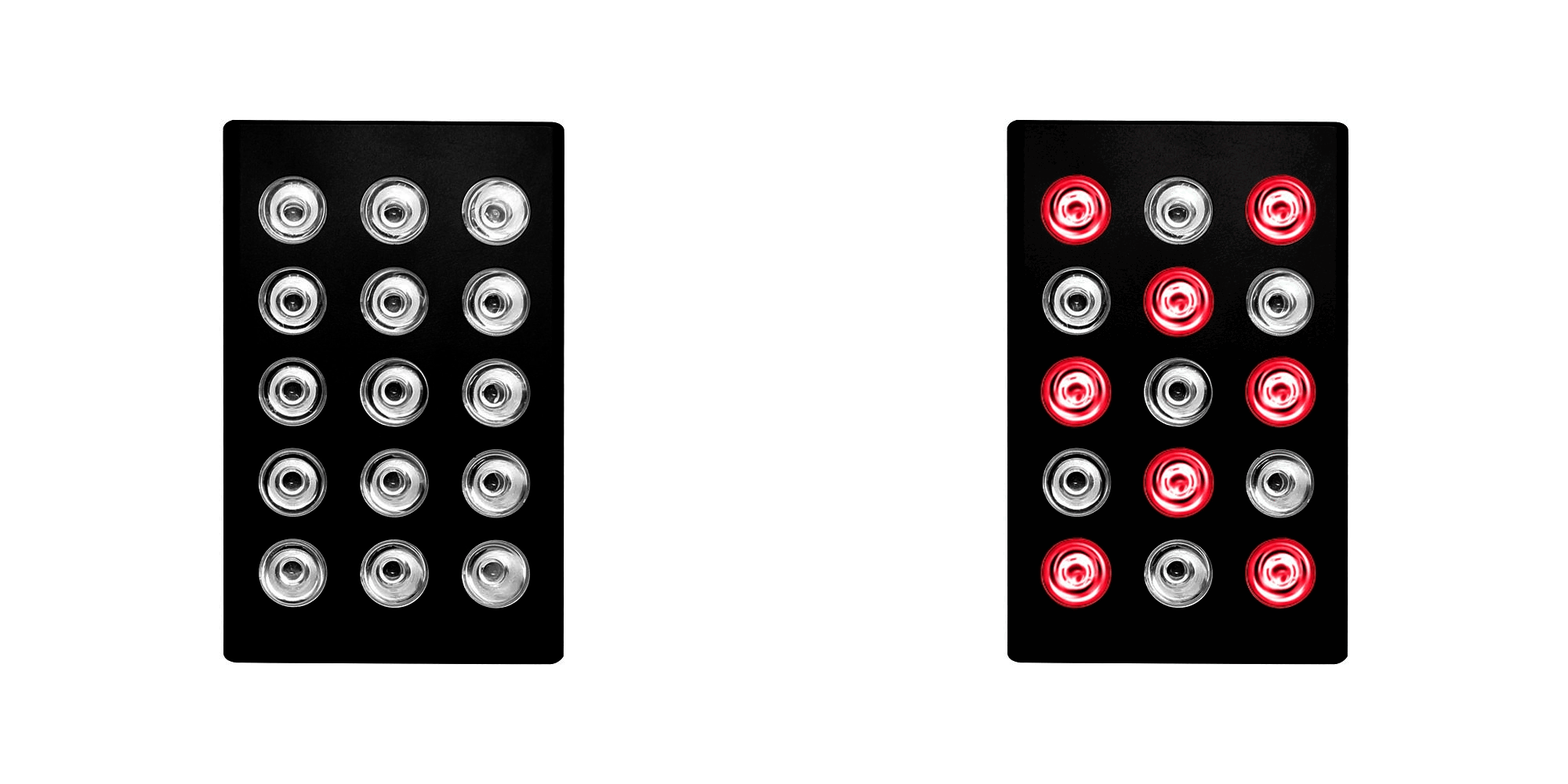
VELLGUS mini
THE #1 RATED FULL BODY RED LIGHT DEVICE
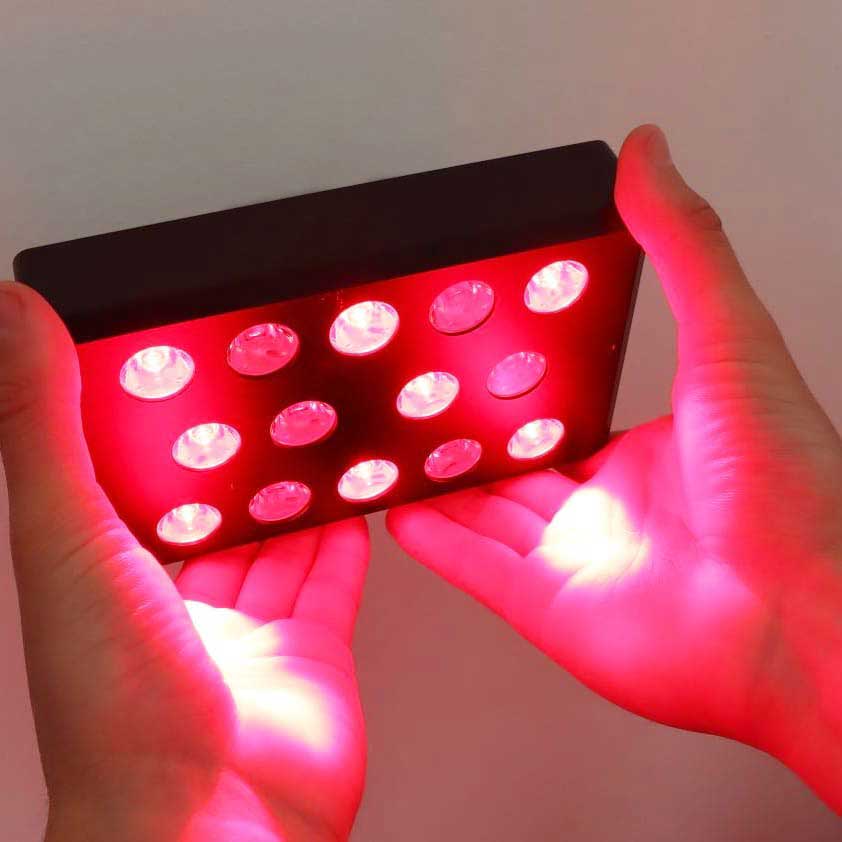
The Vellgus red light mini is the ultimate combination of power and portability. Its low EMF, no flicker dual NIR and red-Light therapy device offers the perfect blend of near infrared light at 850nm and red light at 660nm in one package.
Treatment Protocol and Outcomes
A randomized controlled trial by Zhang et al. (2020) evaluated modified PDT for condylomata acuminata using red light (633 nm):
| Parameter | Modified PDT | Conventional PDT |
|---|---|---|
| ALA incubation time | 30 minutes | 3 hours |
| Light dose | 300 J/cm² | 100 J/cm² |
| Clearance rate | 98.17% | 98.20% |
| Recurrence rate | 11.11% | 10.53% |
| Pain score (mean) | 0.3 ± 0.47 | 3.6 ± 0.94 |
The modified protocol achieved equivalent efficacy with dramatically reduced pain.
Comparison of Treatment Modalities for Papillomas
Expert Perspectives
Dr. Avipsha Sarkar and colleagues, in a 2026 comprehensive review of HPV-associated cutaneous warts, classify photodynamic therapy among “novel adjunctive therapies with clinical evidence” for wart management, alongside intralesional immunotherapy and HPV vaccination strategies. They note that extensive controlled clinical studies remain necessary to establish efficacy and clinical value as standard medicine.
The 2022 meta-analysis authors concluded that “PDT provided several benefits, including but not limited to positive clinical outcomes, low recurrence rates and minor adverse reactions,” recommending PDT as a first-line therapy option.
Practical Considerations and Safety
When Red Light Therapy May Be Appropriate
- Recalcitrant warts that have failed cryotherapy or topical treatments
- Multiple lesions requiring treatment in a single session
- Patients seeking non-invasive treatment with minimal scarring
- Condylomata acuminata, particularly when recurrence prevention is prioritized
Safety Profile
Red light therapy and PDT are generally well-tolerated. Reported adverse effects include:
- Mild to moderate pain during illumination (significantly reduced with modified protocols)
- Transient erythema and edema
- Local erosion at treatment sites
Contraindications include photosensitivity disorders, pregnancy (relative), and use of photosensitizing medications. Eye protection is essential during treatment.
Important Limitation
It is critical to distinguish between PDT with red light and standalone red light therapy devices. The clinical evidence supports PDT—which requires a photosensitizing agent—not red light alone. Direct-to-consumer red light devices have not been studied for papilloma treatment and should not be considered substitutes for medically supervised PDT.
Conclusion
Red light therapy, specifically in the context of photodynamic therapy, has a legitimate evidence base for treating HPV-induced papillomas. The research demonstrates clearance rates comparable to or exceeding cryotherapy, with notably lower recurrence rates and an excellent safety profile. However, this applies to PDT protocols using photosensitizers, not standalone red light exposure.
Patients considering red light therapy for papillomas should consult a dermatologist to determine whether PDT is appropriate for their specific lesion type, location, and treatment history. The modified PDT protocols developed in recent years have addressed the historical barrier of treatment-related pain, making this modality increasingly accessible for clinical practice.
Medical Disclaimer: This article is for informational purposes only and does not constitute medical advice. Treatment decisions should be made in consultation with a qualified healthcare provider.