 Free Shipping
  Buy Now, Pay Later
  Eligible

Does Red Light Therapy Help With Poor Posture?

Poor posture is a pervasive concern in modern life, driven by sedentary work habits, prolonged screen time, and muscle imbalances that accumulate over years. As individuals seek non-pharmacological solutions for associated discomfort and functional limitations, red light therapy (also known as photobiomodulation, or PBM) has emerged as a popular intervention. This article examines the current medical evidence to determine whether red light therapy can directly improve posture—or whether its role is better understood as a supportive therapy for the symptoms that accompany postural dysfunction.
Understanding Poor Posture: A Multifactorial Condition
Posture is the product of complex interactions between the musculoskeletal system, nervous system, and environmental demands. Dr. Marika Montano, a physiatrist at Istituti Clinici Zucchi in Monza, describes posture as “the sum of all adaptations our body assumes in response to the environment,” resulting from the balance between muscles, joints, and the nervous system.
Poor posture arises when this balance is disrupted. Common contributors include sedentary behavior, non-ergonomic workstations, muscle weakness and imbalance, stress, and prior injuries. Over time, these factors can lead to chronic back and neck pain, tension headaches, and early-onset osteoarthritis.
Crucially, the mechanisms underlying poor posture are primarily biomechanical and neuromuscular. The deep stabilizing muscles that maintain efficient alignment become weak and fatigued, while superficial phasic muscles take over—a substitution that compromises both endurance and proprioceptive feedback to the brain. This understanding is essential when evaluating whether any passive therapy, including red light therapy, can meaningfully alter postural alignment.
What Red Light Therapy Does—And What It Doesn’t
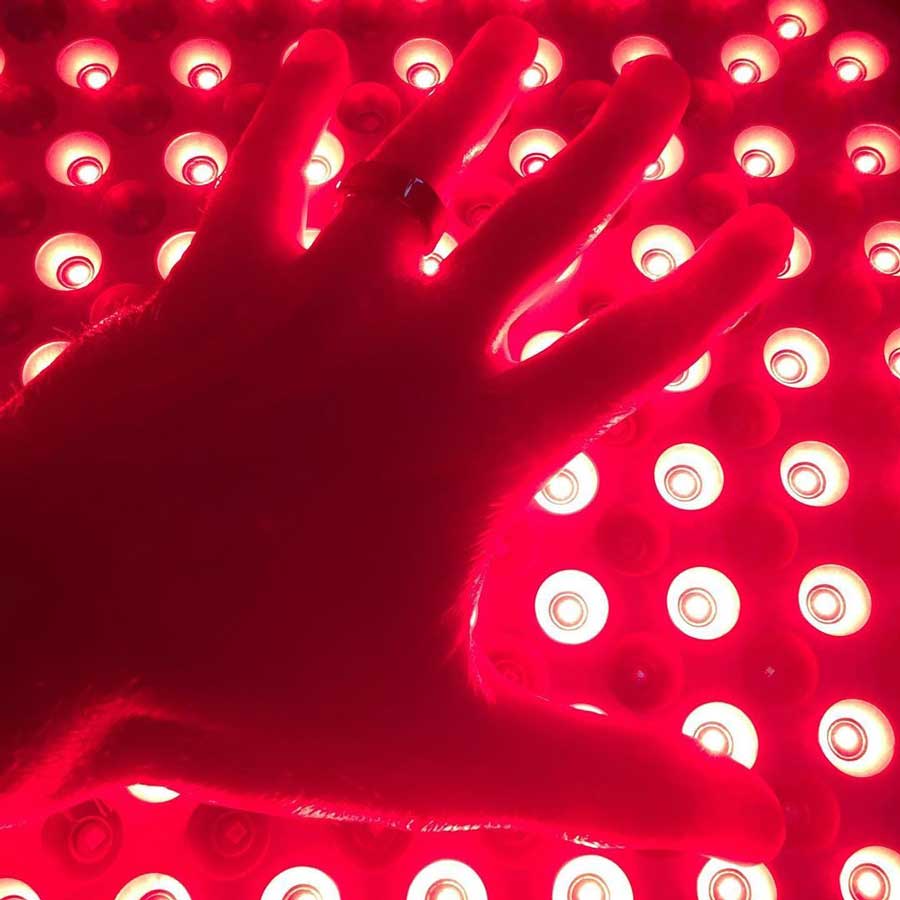
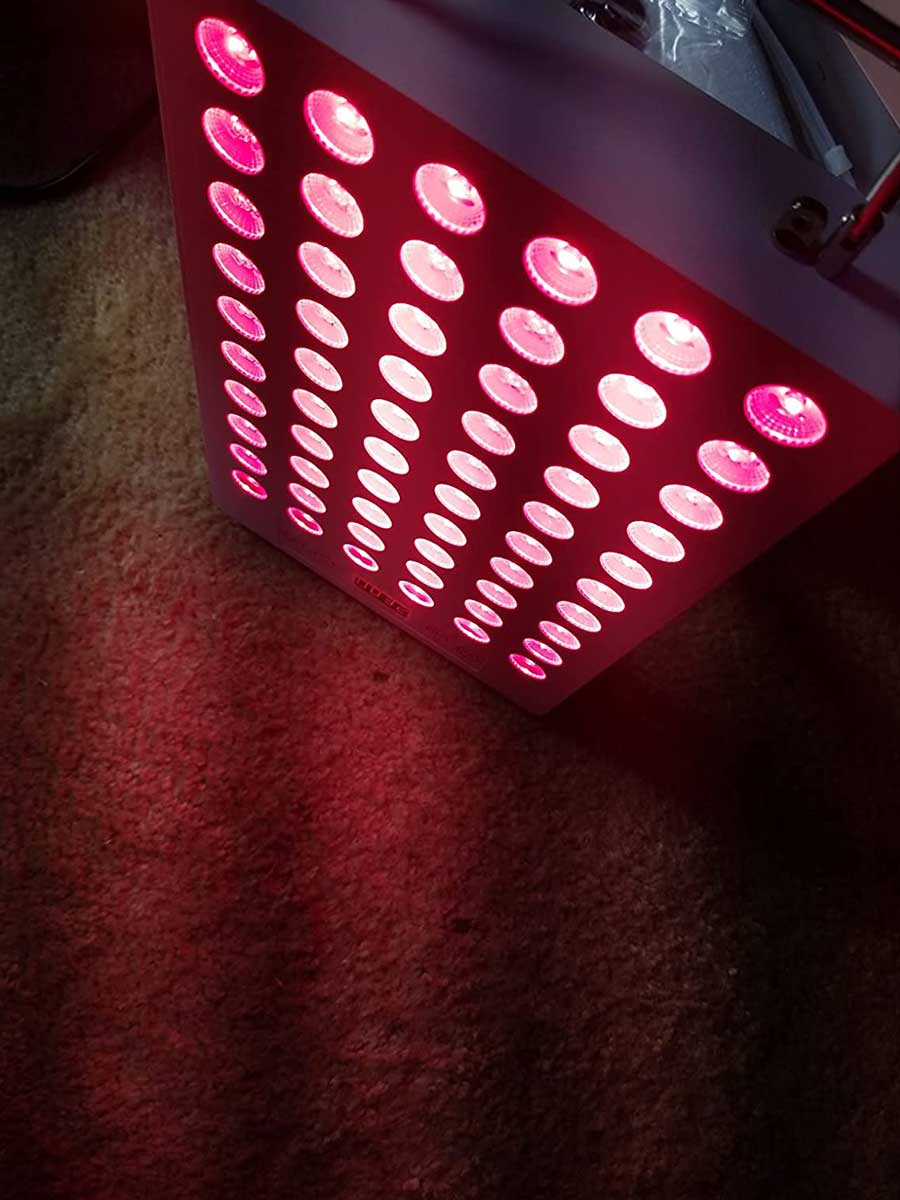
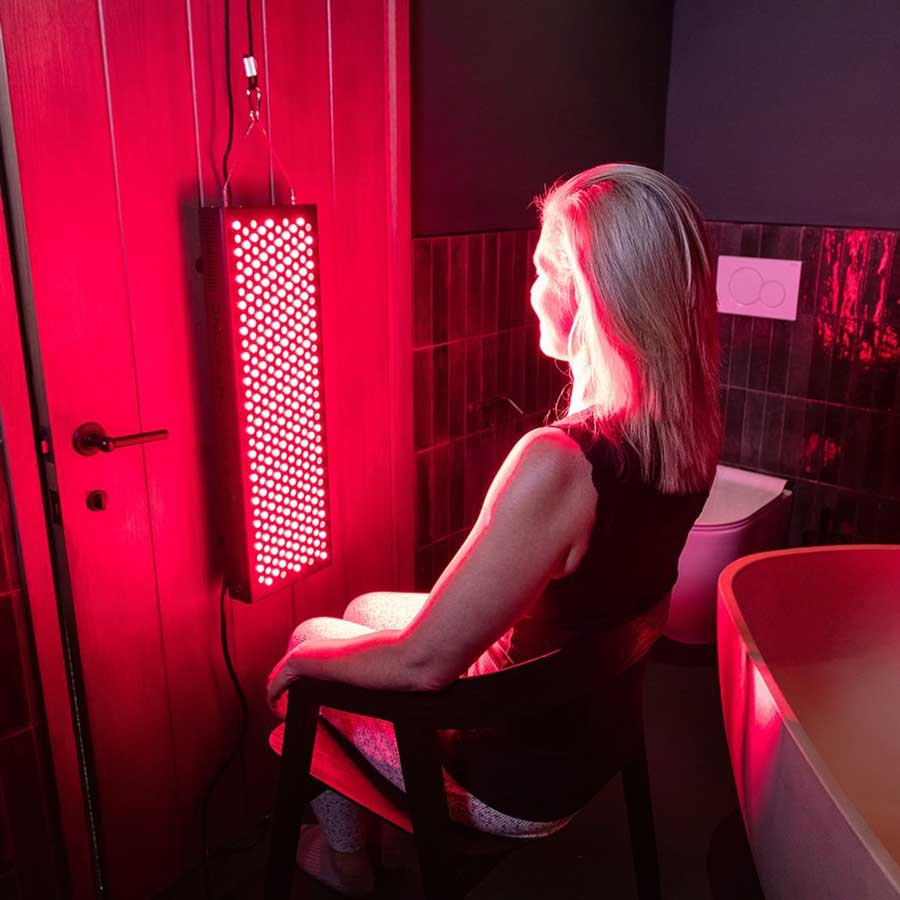
Red light therapy uses low-level wavelengths of red and near-infrared light (typically 600–900 nm) delivered via LED panels or handheld devices. The proposed mechanisms of action include stimulation of mitochondrial ATP production, reduction of oxidative stress and inflammation, and improved local circulation.
Dr. Jacob Calcei, an orthopedic sports medicine physician at University Hospitals, explains that red light therapy “has shown some early promise for treating tendinopathies and problems that occur a little closer to the skin, such as those that tend to be more inflammatory”. He notes it also “seems to offer potential benefits to patients with chronic pain issues”.
However, Dr. Calcei draws an important distinction regarding the therapy’s limitations: “When you have a true mechanical problem, this isn’t going to reverse it”. Poor posture, at its core, involves mechanical and neuromuscular adaptations—muscle weakness, length-tension imbalances, and altered movement patterns. Red light therapy does not strengthen muscles, lengthen tight tissues, or retrain movement habits.
The Evidence: What Clinical Research Shows
To date, no high-quality clinical trials have directly investigated red light therapy as a primary treatment for poor posture in the general population. The most relevant evidence comes from studies examining related outcomes—postural stability in specific patient populations and the therapy’s adjunctive role in musculoskeletal rehabilitation.
Postural Stability in Parkinson’s Disease
A 2025 randomized controlled trial published in Lasers in Medical Science examined transcranial photobiomodulation (tPBM) in patients with Parkinson’s disease, a condition characterized by postural instability. Thirty-eight patients aged 50–70 were assigned to either active tPBM or standard treatment for 12 weeks. The experimental group demonstrated statistically significant improvements in limit of stability and functional activity levels compared to controls (P < 0.05).
Important caveat: This study employed transcranial photobiomodulation—light applied to the head to affect brain function—not the peripheral red light therapy devices commonly marketed for musculoskeletal use. Additionally, Parkinson’s-related postural instability has a neurological basis distinct from the musculoskeletal drivers of typical poor posture. These findings should not be generalized to healthy adults with postural dysfunction.
Postural Balance in Older Women
A 2022 randomized, triple-blinded, placebo-controlled trial published in the Journal of Geriatric Physical Therapy investigated whether photobiomodulation combined with resistance training could improve postural balance in older women. Twenty-two women (mean age 66.6 years) completed a 10-week supervised resistance training program, with one leg receiving active laser PBM (808 nm) and the other receiving placebo before each session.
Results showed that both conditions improved muscle hypertrophy, strength, and postural balance from pre- to post-training (P = .003). However, there was no statistically significant difference between the active and placebo laser conditions for balance outcomes. The authors concluded that resistance training alone can be clinically important for counteracting age-related declines, and that PBM may further improve muscle hypertrophy gains—but did not demonstrate added benefit for postural balance.
Low Back Pain and Postural Balance
A 2024 randomized, double-blind, sham-controlled trial published in Healthcare examined the effects of Pilates combined with photobiomodulation in 38 adults with chronic nonspecific low back pain. Participants completed an 8-week mat Pilates program with either active or sham PBMT applied to lumbar muscles before and after each session.
The results were unequivocal: postural balance variables showed no statistically significant differences across time or between groups (p > 0.05). Both groups showed similar reductions in pain intensity and disability, but PBMT provided no additional effect on postural balance. The authors concluded that “Mat Pilates alone or combined with PBMT was not able to improve postural balance”.
Cervical and Myofascial Pain
A 2026 narrative review in Photonics examined LED-based photobiomodulation for musculoskeletal pain, including cervical and myofascial conditions. The review found potential benefit for temporomandibular disorders, fibromyalgia, cervical and myofascial pain, and mild-to-moderate peripheral nerve compression. However, findings for nonspecific low back pain remained inconsistent. The authors emphasized that therapeutic response depends heavily on wavelength, irradiance, treatment geometry, and protocol quality—not merely the presence of a light-emitting device.
Red Light Therapy as an Adjunct, Not a Solution
The evidence supports a nuanced conclusion: red light therapy may help manage symptoms associated with poor posture—muscle tension, localized inflammation, and discomfort—but it does not address the underlying mechanical and neuromuscular causes of postural dysfunction.
For desk workers experiencing neck and shoulder tension from prolonged sitting, red light therapy panels may offer symptomatic relief by improving local circulation and reducing inflammatory markers. A 2021 systematic review cited by Dr. Calcei suggests red light therapy may offer relief from acute and chronic musculoskeletal pain conditions. This symptomatic relief could theoretically make it easier to engage in the active interventions—exercise, stretching, and ergonomic correction—that actually improve posture.
However, relying on red light therapy alone to “fix” poor posture would be a category error. As Dr. Calcei notes, the therapy has “low risk” but the “risk is more to your wallet”. Given that the devices can cost hundreds to thousands of dollars and are not typically covered by insurance, patients should have realistic expectations about what the therapy can and cannot accomplish.
Comparison: Red Light Therapy vs. Established Posture Interventions
Clinical Recommendations
For patients considering red light therapy for posture-related concerns:
- Do not substitute red light therapy for active intervention. The evidence does not support red light therapy as a stand-alone treatment for poor posture. Exercise, stretching, and ergonomic correction remain the foundation of postural improvement.
- Consider red light therapy as a potential adjunct for symptom relief. If neck, shoulder, or back discomfort is limiting your ability to engage in postural exercises or maintain good ergonomics, red light therapy may help manage that discomfort. Results typically appear within 4–6 weeks of consistent use.
- Discuss with your physician before starting. Dr. Calcei recommends discussing plans to use red light therapy with a doctor, “especially if you have other health problems or you’re planning to use a stronger, medical-grade device”.
- Prioritize evidence-based interventions first. Ergonomic workstation setup, regular movement breaks every 30–60 minutes, targeted strengthening of core and back muscles, and flexibility work are the interventions with demonstrated efficacy for posture improvement.
- Seek professional evaluation for persistent symptoms. A physiatrist, physical therapist, or other qualified professional can provide a comprehensive postural assessment and tailored treatment plan.
Conclusion
Red light therapy does not directly improve poor posture. The available clinical evidence—including randomized controlled trials examining postural balance outcomes—shows that photobiomodulation does not provide additional postural benefits when combined with exercise. Its role, if any, is as a symptomatic adjunct that may reduce pain and muscle tension sufficiently to allow patients to engage more effectively in the active interventions that actually correct postural dysfunction.
Patients should approach marketing claims about red light therapy and posture with skepticism. While the therapy has demonstrated promise for certain musculoskeletal pain conditions, posture is fundamentally a movement and alignment issue requiring active rehabilitation, not passive light exposure. The most evidence-based approach remains consistent exercise, ergonomic awareness, and professional guidance from qualified healthcare providers.