 Free Shipping
  Buy Now, Pay Later
  Eligible

Does Red Light Therapy Heal Muscle Strains?
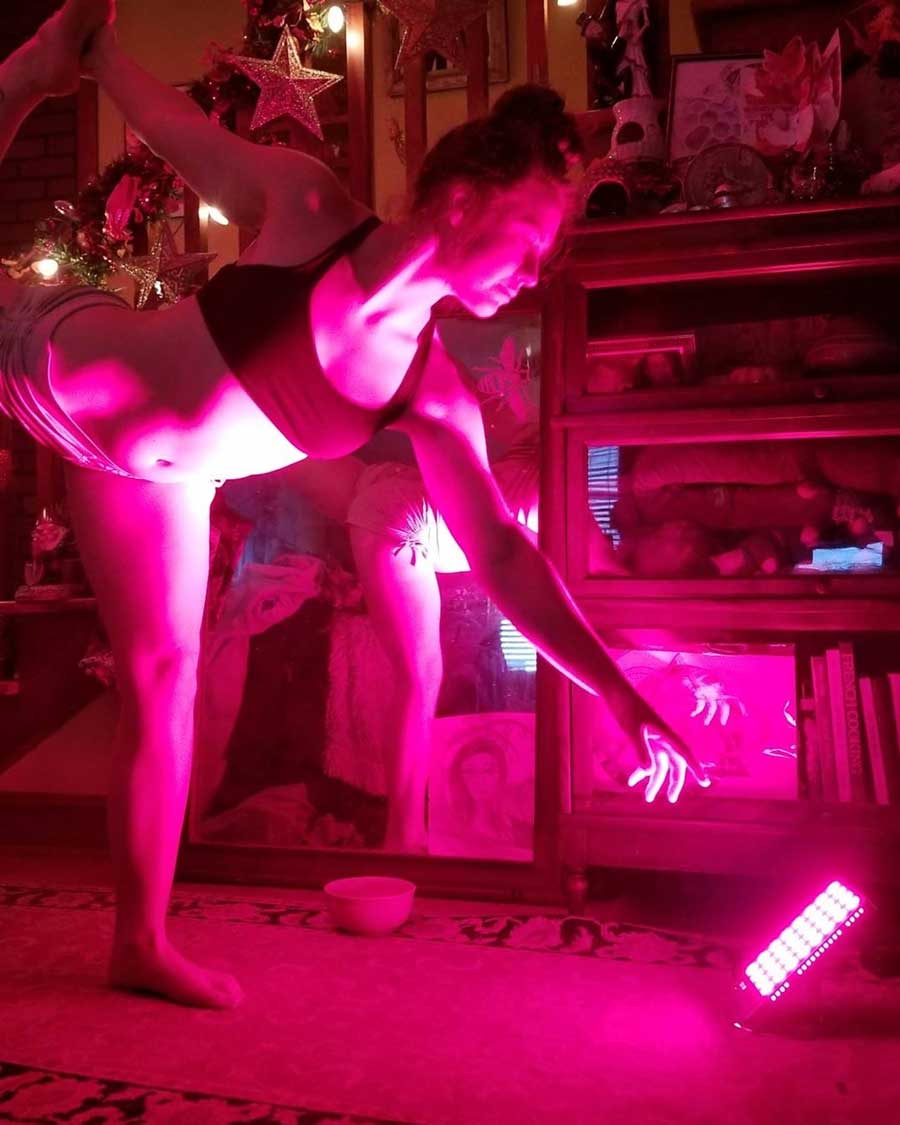
Direct Answer: Red light therapy—clinically termed photobiomodulation (PBM)—shows measurable promise for accelerating muscle strain recovery, but the evidence supports it as an adjunctive treatment rather than a standalone cure. Clinical studies demonstrate that PBM can reduce inflammatory markers, lower creatine kinase (a muscle damage indicator), and improve strength recovery following injury. However, optimal treatment parameters remain a subject of ongoing research, and device quality varies significantly.
Understanding Muscle Strains and the Healing Challenge
A muscle strain occurs when muscle fibers overstretch or tear, triggering a cascade of inflammation, cellular damage, and pain. The body’s natural repair process involves three overlapping phases: inflammation (days 1-3), repair (days 3-14), and remodeling (weeks to months). The inflammatory phase, while essential, can cause secondary tissue damage if excessive.
Conventional management—rest, ice, compression, and elevation—addresses symptoms but does not actively accelerate cellular repair. This gap has driven interest in therapies that can modulate the healing process at the mitochondrial level.
How Red Light Therapy Works at the Cellular Level
Red light therapy delivers low-energy light wavelengths—typically 630 to 700 nanometers for visible red and 800 to 1000 nanometers for near-infrared—into tissue. Unlike lasers that cut or burn, PBM uses non-thermal energy that does not generate heat.
The primary mechanism involves mitochondrial stimulation. Photons are absorbed by cytochrome c oxidase, an enzyme in the mitochondrial respiratory chain. This absorption triggers increased adenosine triphosphate (ATP) production, providing cells with more energy for repair processes.
Downstream effects relevant to muscle strain healing include:
- Reduced inflammation: PBM modulates pro-inflammatory cytokines, particularly TNF-α, IL-1β, and IL-6, especially during the early injury phase.
- Enhanced collagen organization: Animal studies show PBM increases collagen deposition and improves extracellular matrix organization in regenerating muscle.
- Accelerated satellite cell activation: Satellite cells are muscle stem cells essential for regeneration. PBM promotes their proliferation and differentiation.
- Pain reduction: Increased endorphin release and reduced nociceptive signaling contribute to analgesic effects.
Dr. Jamie Ghigiarelli, professor of Allied Health & Kinesiology at Hofstra University, summarized the clinical relevance: “Photobiomodulation seems to help with muscle recovery”.
What the Clinical Evidence Shows
Human Performance and Recovery Studies
A landmark systematic review and meta-analysis published in Lasers in Medical Science examined 13 randomized controlled trials of phototherapy for exercise performance and recovery. Key findings included:
| Outcome | Result | Statistical Significance |
|---|---|---|
| Time until exhaustion | +4.12 seconds | p < 0.005 |
| Number of repetitions | +5.47 reps | p < 0.0006 |
| Creatine kinase reduction | Positive in 13/16 comparisons | — |
The analysis concluded that phototherapy “improves muscular performance and accelerate recovery,” with the most consistent results achieved using red or infrared wavelengths at 50-200 mW power and doses of 5-6 J per treatment point.
Contusion Injury Model
A 2024 randomized controlled trial published in the Journal of Sport Rehabilitation specifically examined PBM’s effects on thigh contusion injuries—a model closely resembling acute muscle strain. Forty-six participants received either active or placebo light patches immediately after injury induction.
Results: The active treatment group demonstrated significantly greater quadriceps peak torque at 180°/s (p = .030) and average power at both 60°/s (p = .041) and 180°/s (p ≤ .001) compared to placebo. By day 4, the treatment group exceeded baseline strength levels by 8.9% (peak torque) and 16.8% (average power).
Biochemical Markers of Muscle Damage
Dr. Ghigiarelli’s 2020 study measured creatine kinase levels in athletes who performed exhaustive exercise. Participants who used full-body red light therapy beds showed 18% lower creatine kinase levels one to three days post-exercise compared to controls. Elevated creatine kinase indicates muscle membrane disruption, so lower levels suggest reduced damage.
Optimal Treatment Parameters: What the Research Indicates
The table below summarizes wavelength and dosing recommendations derived from clinical research and expert consensus:
A 2019 guidance paper from the Laboratory of Phototherapy and Innovative Technologies in Health at Universidade Nove de Julho recommends that for small muscle groups (e.g., biceps), red-light lasers or LED devices at 640 nm or 950 nm be applied 5-10 minutes after exercise.
Critical Limitations and Professional Cautions
Evidence Quality Concerns
Dr. Sophie Weatherhead of the British Association of Dermatologists offered important perspective: “We have lots of different studies, which tend to be quite small, which use various combinations of light, and very different doses of light”. This heterogeneity limits the ability to draw definitive conclusions.
Device Variability
Not all red light devices are equivalent. Dr. Ghigiarelli emphasized: “You want to choose a device with the right energy production—the right wavelength of light, the right power—to be safe and effective”. Professor Glen Jeffery from University College London cautioned that many consumer devices lack the appropriate wavelength mix for cellular targeting.
Stage-Specific Effects
Research from MD Anderson Cancer Center notes that red light therapy is “still in the investigational stages for pain management,” meaning randomized controlled trials have not fully established optimal treatment frequency and duration protocols.
Timing Matters
The evidence suggests PBM may be most effective when applied before exercise or injury (preconditioning) rather than solely after. The 2015 meta-analysis found the strongest effects when phototherapy was applied pre-exercise.
Clinical Bottom Line
For healthcare professionals: Red light therapy represents a biologically plausible, low-risk adjunct to conventional muscle strain management. The evidence supports its use for reducing inflammatory markers, limiting creatine kinase elevation, and accelerating strength recovery. However, it should not replace standard rehabilitation protocols, and treatment parameters should follow published guidelines rather than manufacturer claims.
For patients: If considering red light therapy for a muscle strain, seek devices with verified wavelength specifications (630-660 nm or 810-950 nm) and power output in the 50-200 mW range. Clinical-grade devices used under professional supervision likely offer greater reliability than consumer products. Discuss integration with your physician or physical therapist, particularly for significant strains requiring structured rehabilitation.
The question is not whether red light therapy “works”—the mechanistic and clinical evidence supports its biological activity—but rather how to apply it optimally within a comprehensive recovery program.