 Free Shipping
  Buy Now, Pay Later
  Eligible

Does Red Light Therapy Help with a Perforated Eardrum? Clinical Evidence and Treatment Comparison

A perforated eardrum is both painful and potentially dangerous. Beyond the immediate discomfort, an open tympanic membrane creates a pathway for infection to reach the middle ear, and the longer it remains unhealed, the greater the risk of permanent hearing damage. For patients seeking to accelerate healing and avoid surgical intervention, red light therapy has emerged as a compelling option. But what does the clinical evidence actually say?
Understanding Perforated Eardrum and the Healing Challenge
A perforated (ruptured) eardrum occurs when the tympanic membrane—the thin tissue separating the ear canal from the middle ear—develops a tear or hole. Common causes include:
- Ear infections that create pressure behind the eardrum
- Trauma from foreign objects, loud noises, or sudden pressure changes
- Barotrauma from air travel or scuba diving
The body can often heal small perforations on its own, but this process typically takes weeks or months . During this extended healing window, patients face persistent hearing loss, tinnitus, and a significant risk of middle ear infection. Larger perforations may never heal without intervention.
Conventional approaches include watchful waiting, tympanoplasty surgery, or patching procedures. However, each carries limitations—surgery is invasive and costly, while natural healing is unpredictable and slow.
How Red Light Therapy Works for Eardrum Repair
Red light therapy, also called photobiomodulation (PBM) or low-level laser therapy (LLLT), uses specific wavelengths of red and near-infrared light to stimulate cellular activity. When applied to the ear, these wavelengths penetrate tissue and interact with mitochondria—the energy-producing structures within cells.
The therapeutic mechanisms relevant to eardrum perforation include:
- Accelerated tissue regeneration: Red light activates mitochondrial function, increasing ATP production and promoting epithelial cell proliferation essential for closing the perforation .
- Reduced inflammation: Studies demonstrate that red/near-infrared LED irradiation significantly inhibits pro-inflammatory cytokines including IL-1β, IL-6, and TNF-α, creating a more favorable environment for healing .
- Enhanced circulation: Light energy stimulates local vasodilation, improving blood flow and nutrient delivery to the damaged tympanic membrane .
- Prevention of fibrotic scarring: Research indicates that light therapy helps prevent the formation of thick, fibrotic neomembranes that can impair hearing even after closure .
Clinical Evidence: What Research Shows
The most directly relevant evidence comes from controlled animal studies. A pivotal study published in The Journal of Laryngology & Otology investigated the effect of 630 nm and 860 nm low-level laser irradiation on tympanic membrane perforations in guinea pigs .
Study Design and Results:
- Twenty-four guinea pigs received standardized 2 mm perforations
- The experimental group received laser irradiation for 10 consecutive days
- Histological evaluation two weeks later showed significantly less tympanic membrane thickening and inflammatory cell infiltration in the treated group (p < 0.001)
- The researchers concluded that combined 630 and 860 nm laser application had “a significant effect on the healing of tympanic membrane perforation”
Human clinical data, while more limited, supports these findings. A study of 42 patients with traumatic eardrum perforations compared outcomes between those receiving He-Ne laser therapy combined with medication versus natural healing . The results were striking:
| Treatment Group | Healing Rate at 2 Weeks | Healing Rate at 4 Weeks |
|---|---|---|
| Laser + Medication + Oxygen | 71.43% | 95.24% |
| Natural Healing (Control) | 17.5% | 45% |
The laser-treated group achieved healing rates more than four times higher than the control group at the two-week mark, and maintained a substantial advantage at four weeks. Importantly, the healed eardrums in the treatment group demonstrated full-thickness restoration with normal morphology and no recurrence or thinning .
Comparison: Red Light Therapy vs. Other Treatment Approaches
The comparison reveals that red light therapy offers a unique combination of non-invasiveness and accelerated healing that neither natural recovery nor surgical intervention provides.
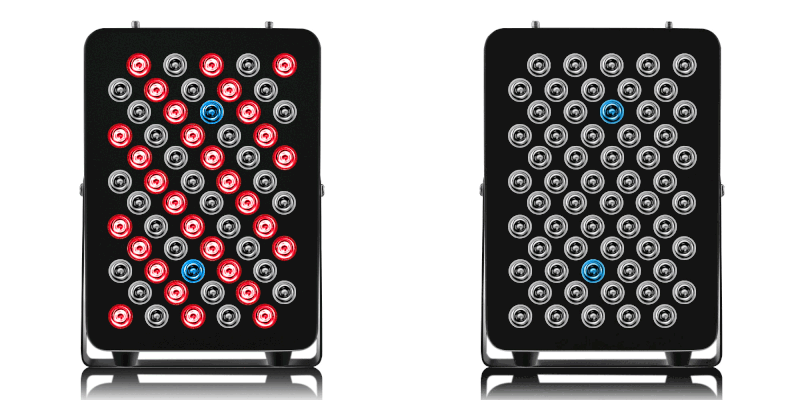
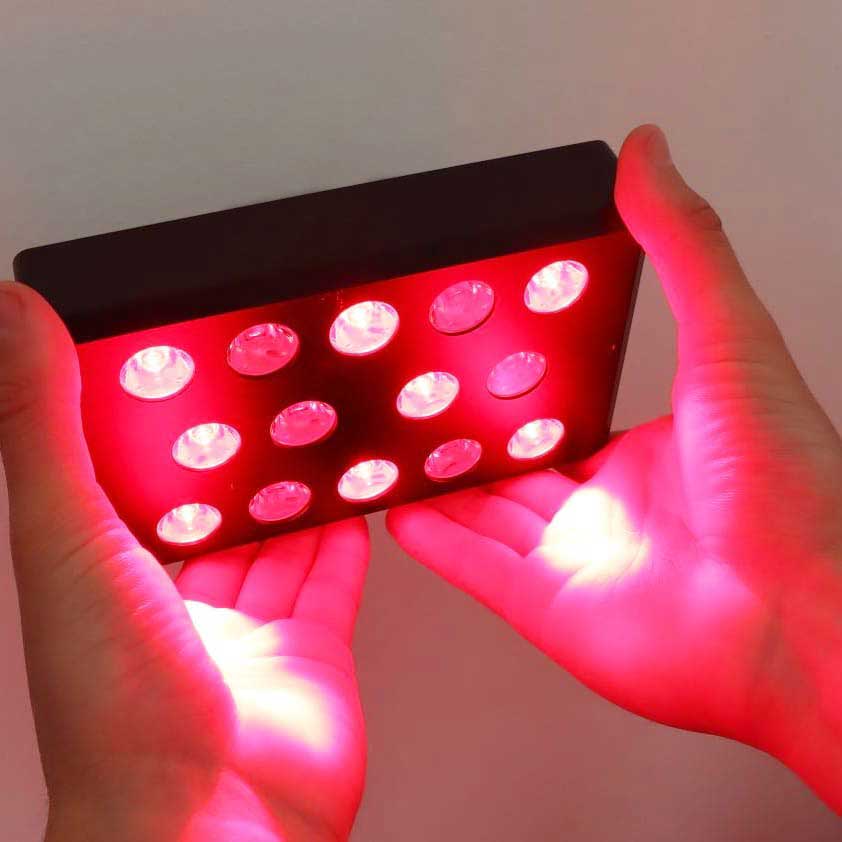
VELLGUS Elite V2
THE #1 RATED RED LIGHT DEVICE
Vellgus Red Light Elite V2 is an incredible way to experience the benefits of multiwave technology spectrum: 480nm 630nm, 660nm, 810nm, 830nm, 850nm. No other red/NIR light device available provides the multi-wave R+| NIR+ spectral output.
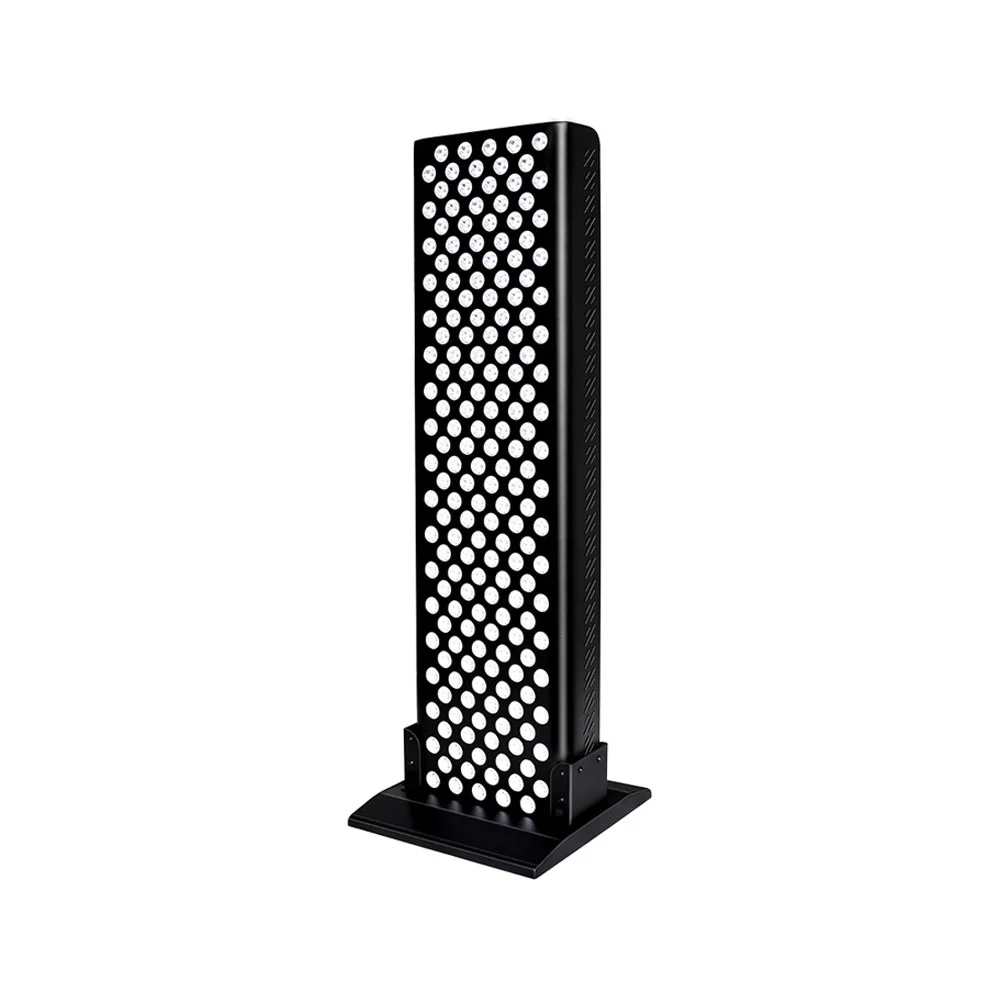
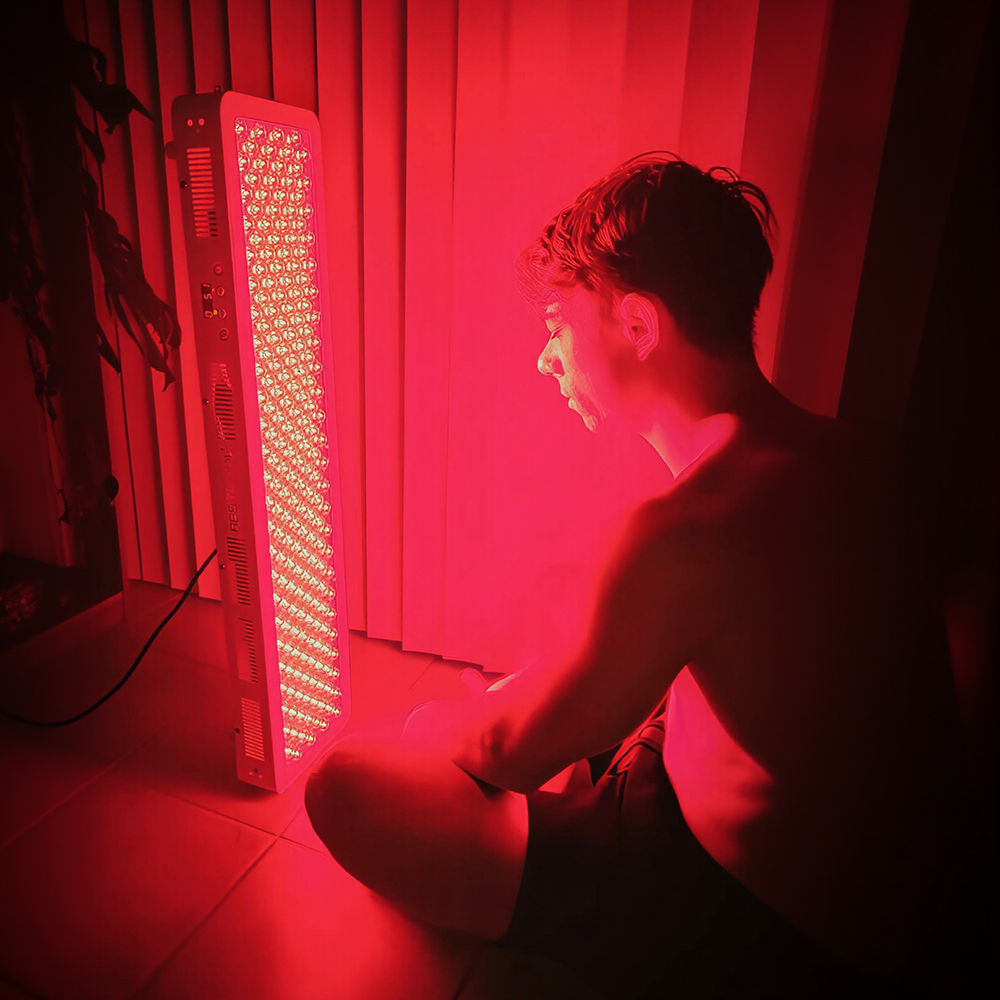
VELLGUS max 300
THE #1 RATED FULL BODY RED LIGHT DEVICE
Upgrade your red light therapy experience and take it to the next level with VELLGUS Red Light Max 300. This device is specifically designed for those wanting a brighter and more intense red light treatment
Practical Considerations for Red Light Therapy
Treatment Parameters
Research protocols vary, but successful studies have utilized:
- Wavelengths: 630-660 nm (red) and 808-860 nm (near-infrared)
- Session duration: Typically 10 minutes per treatment
- Frequency: Daily or near-daily sessions
- Treatment course: 7-10 days minimum for initial healing response
Safety Profile
Red light therapy is generally well-tolerated when used appropriately. The non-ionizing radiation does not damage tissue, and the primary precaution involves avoiding direct eye exposure to the light source. For eardrum applications, treatment should be administered under appropriate supervision, particularly in cases involving active infection.
Important Caveats
Not all eardrum perforations are appropriate for light therapy. Patients should seek medical evaluation to determine:
- The size and location of the perforation
- Whether infection is present (which may require antibiotic treatment first)
- Whether underlying conditions (cholesteatoma, chronic otitis media) contraindicate light therapy
As one medical source notes, light therapy should be used “under doctor’s guidance in combination with conventional medication” rather than as a standalone replacement for necessary medical care .
The Bottom Line
The evidence supports red light therapy as a legitimate adjunctive treatment for perforated eardrums. Animal studies demonstrate statistically significant improvements in healing quality and reduced inflammation. Human clinical data show dramatically accelerated healing rates compared to natural recovery. For patients seeking to avoid surgery while accelerating their recovery, red light therapy represents a scientifically grounded option that deserves consideration in consultation with an ear specialist.
Frequently Asked Questions
1. Can red light therapy completely heal a perforated eardrum on its own?
Red light therapy can significantly accelerate healing, but whether it can “completely” heal a perforation depends on the size and cause of the tear. Small traumatic perforations respond best, with clinical data showing 95% healing rates at four weeks when combined with medication and oxygen therapy . Larger perforations or those associated with chronic infection may still require surgical intervention. Red light therapy is best viewed as a powerful adjunct to proper medical care, not a replacement for it.
2. How many red light therapy sessions are needed for eardrum healing?
Research protocols typically involve daily sessions for 7-10 consecutive days, with each session lasting approximately 10 minutes . Some studies extend treatment to multiple courses depending on healing progress. The optimal protocol should be determined by a qualified healthcare provider based on your specific perforation and healing response.
3. Is red light therapy safe for a perforated eardrum?
Yes, when administered appropriately. Unlike invasive procedures, red light therapy does not introduce infection risk or tissue trauma. The wavelengths used are non-ionizing and do not cause cellular damage. However, proper medical evaluation is essential before beginning treatment, as certain conditions—such as active infection requiring antibiotics or cholesteatoma—may need to be addressed first.
4. Can red light therapy help with hearing loss from a perforated eardrum?
Healing the perforation itself typically improves hearing, as the intact eardrum is essential for sound conduction. In the clinical study referenced, 81 of 84 patients whose perforations healed showed normal pure-tone audiometry results . However, if the middle ear or inner ear structures have sustained damage, hearing may not fully recover. Red light therapy addresses the eardrum tissue itself; its effect on deeper hearing structures is not established.
5. What wavelength of red light is most effective for eardrum repair?
Research has demonstrated efficacy with both 630-660 nm red light and 808-860 nm near-infrared wavelengths . Some studies suggest that combined application of multiple wavelengths may be superior to single-wavelength treatment. The 808-860 nm range offers deeper tissue penetration, which may be advantageous for reaching the tympanic membrane through the ear canal. Devices specifically designed for ear application typically incorporate wavelengths within these therapeutic ranges.