 Free Shipping
  Buy Now, Pay Later
  Eligible

Does Red Light Therapy Help with Otosclerosis? A Professional Review of the Evidence
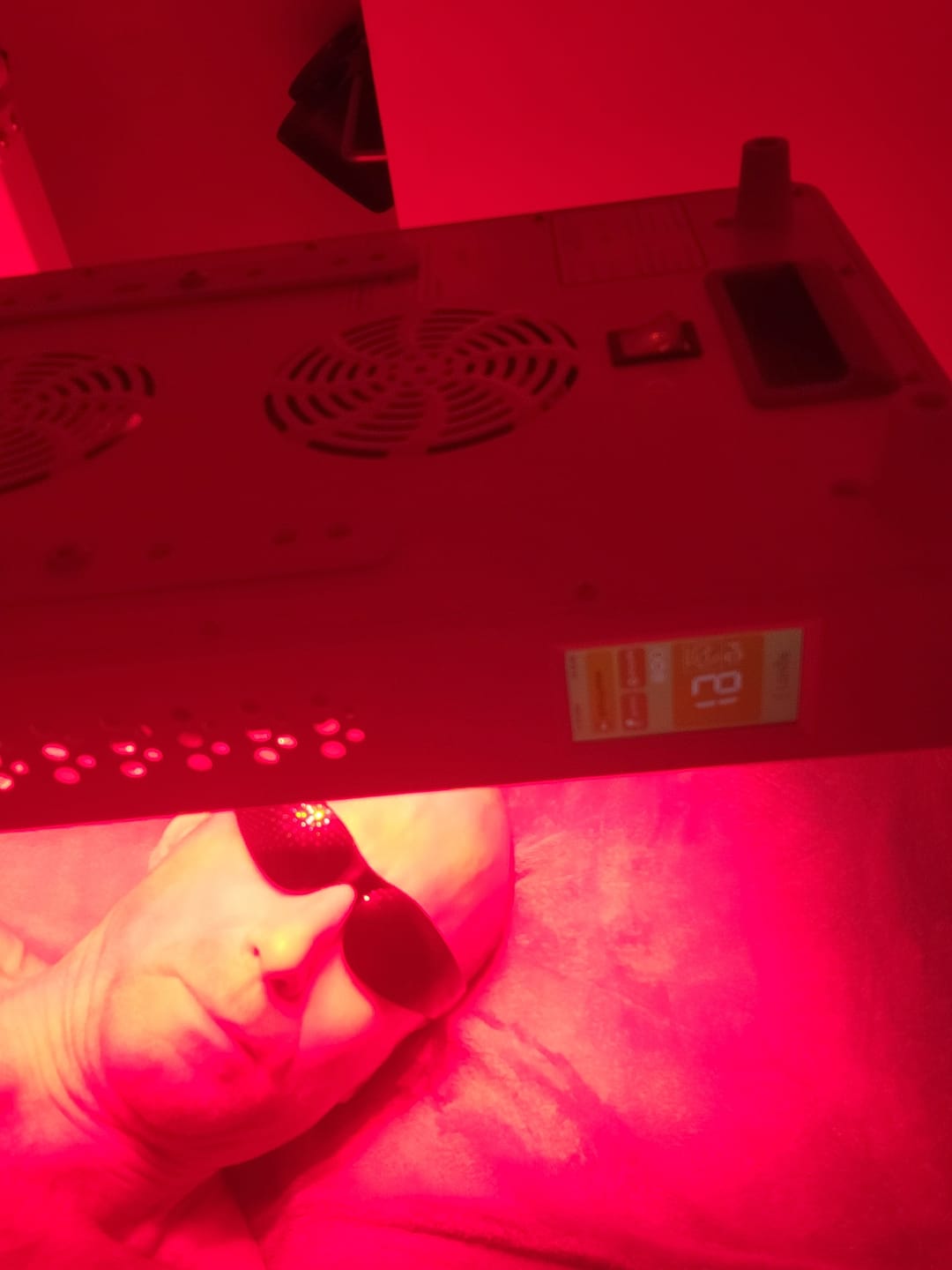
Understanding Otosclerosis: A Bone Disorder, Not a Light-Deficiency Condition
Otosclerosis is a disease of the otic capsule—the bone surrounding the inner ear—characterized by abnormal resorption and redeposition of bone. This pathological remodeling most commonly affects the stapes bone, causing it to become immobile and resulting in conductive hearing loss .
Key clinical facts from the MSD Manual Professional Edition:
| Feature | Clinical Detail |
|---|---|
| Prevalence | ~10% of White adults have some otosclerosis; only ~10% develop conductive hearing loss |
| Genetic Component | Half of all cases are inherited; 25% risk if one parent affected, 50% if both |
| Primary Mechanism | Abnormal bone resorption and redeposition, most commonly at the oval window |
| Typical Onset | Late adolescent to early adult years; slowly progressive |
| Standard Treatments | Hearing aids or stapedectomy (surgical removal and prosthetic replacement of the stapes) |
Source: MSD Manual Professional Edition, reviewed January 2024
The NHS similarly confirms that the two main treatment options are hearing aids and surgery, with surgery being “usually very successful” but carrying risks that must be discussed with an ENT specialist .
Critical distinction: Otosclerosis is a structural bone disease. Red light therapy works through cellular metabolic pathways—it cannot reverse abnormal bone growth or restore mobility to a fixed stapes bone.
What Red Light Therapy (Photobiomodulation) Actually Does
Photobiomodulation (PBM), commonly called red light therapy, uses red (620–700 nm) and near-infrared (700–1440 nm) light to interact with mitochondrial cytochrome C oxidase (COX) .
The mechanism is well-characterized:
- Primary photoacceptor: Cytochrome C oxidase in the mitochondrial respiratory chain
- Cellular effects: Increased ATP production, modulation of reactive oxygen species (ROS), and altered intracellular calcium levels
- Downstream outcomes: Activation of signaling pathways affecting cellular proliferation, migration, and differentiation
- Clinical applications: Wound healing, inflammation reduction, pain management, and dermatologic conditions
According to a 2024 CME review in the Journal of the American Academy of Dermatology, PBM is “generally well-tolerated and safe with erythema being the most common and self-limiting adverse cutaneous effect” .
However, no mechanism exists by which PBM could reverse osteosclerotic bone remodeling. The condition involves pathological bone metabolism, not mitochondrial dysfunction in soft tissue.
The Evidence Gap: No Direct Studies on Otosclerosis
A comprehensive search of the peer-reviewed literature reveals a striking absence:
No published clinical trials, systematic reviews, or case studies have evaluated red light therapy or photobiomodulation specifically for otosclerosis.
The most relevant evidence comes from related—but distinct—otologic conditions:
Comparison: Otosclerosis vs. Conditions Studied with PBM
A 2024 systematic review in Clinical Otolaryngology specifically examined photobiomodulation for hearing loss, identifying 17 studies involving 327 animals and only 30 humans . The authors concluded that “hearing outcomes following PBMT appear to be superior to no PBMT,” but noted that “higher level evidence is required to verify this” and that study heterogeneity made direct comparison “challenging” .
Critically, none of these studies included otosclerosis patients.
The Tinnitus Evidence: A Cautionary Tale
The most robust PBM data in otology comes from tinnitus research. A 2025 systematic review found that “most demonstrated short-term reductions in tinnitus severity and handicap immediately following treatment,” but “these benefits often diminished after three to six months in longitudinal follow-ups” .
A terminated pilot study by Erchonia Corporation investigated red light for tinnitus but enrolled only 5 participants and was discontinued . This illustrates the preliminary nature of PBM research in ear conditions.
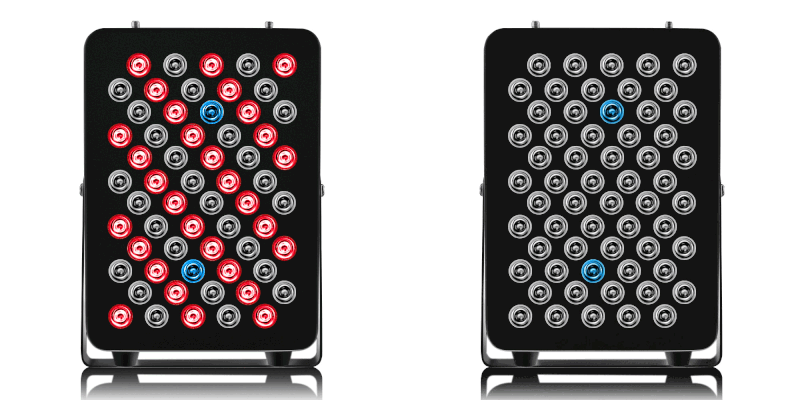
VELLGUS Elite V2
THE #1 RATED RED LIGHT DEVICE
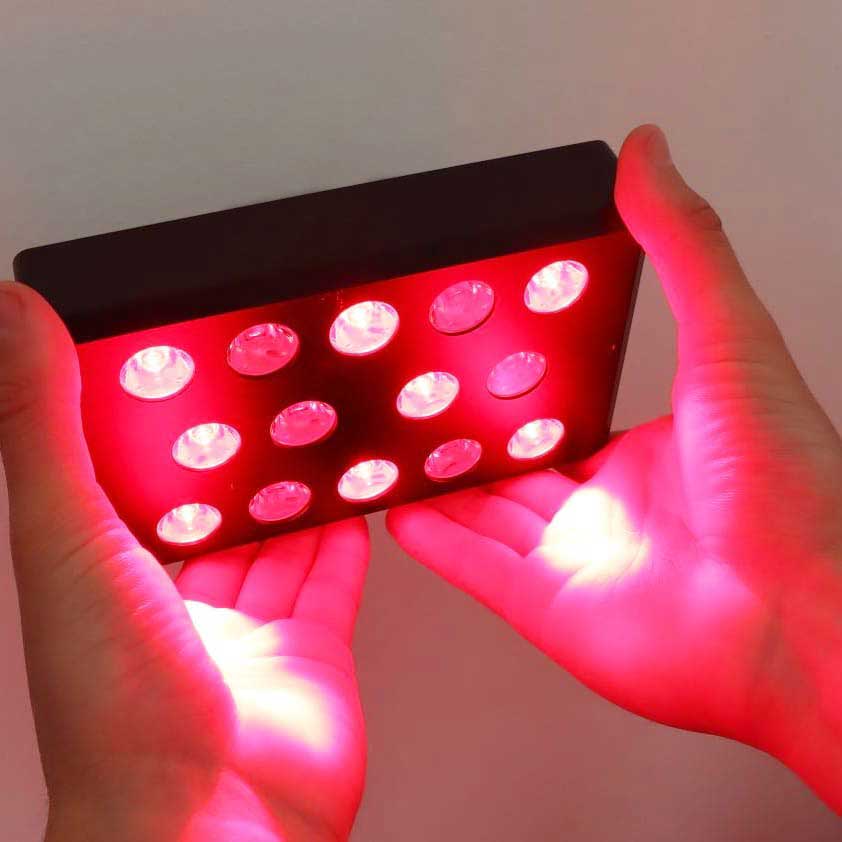
Vellgus Red Light Elite V2 is an incredible way to experience the benefits of multiwave technology spectrum: 480nm 630nm, 660nm, 810nm, 830nm, 850nm. No other red/NIR light device available provides the multi-wave R+| NIR+ spectral output.
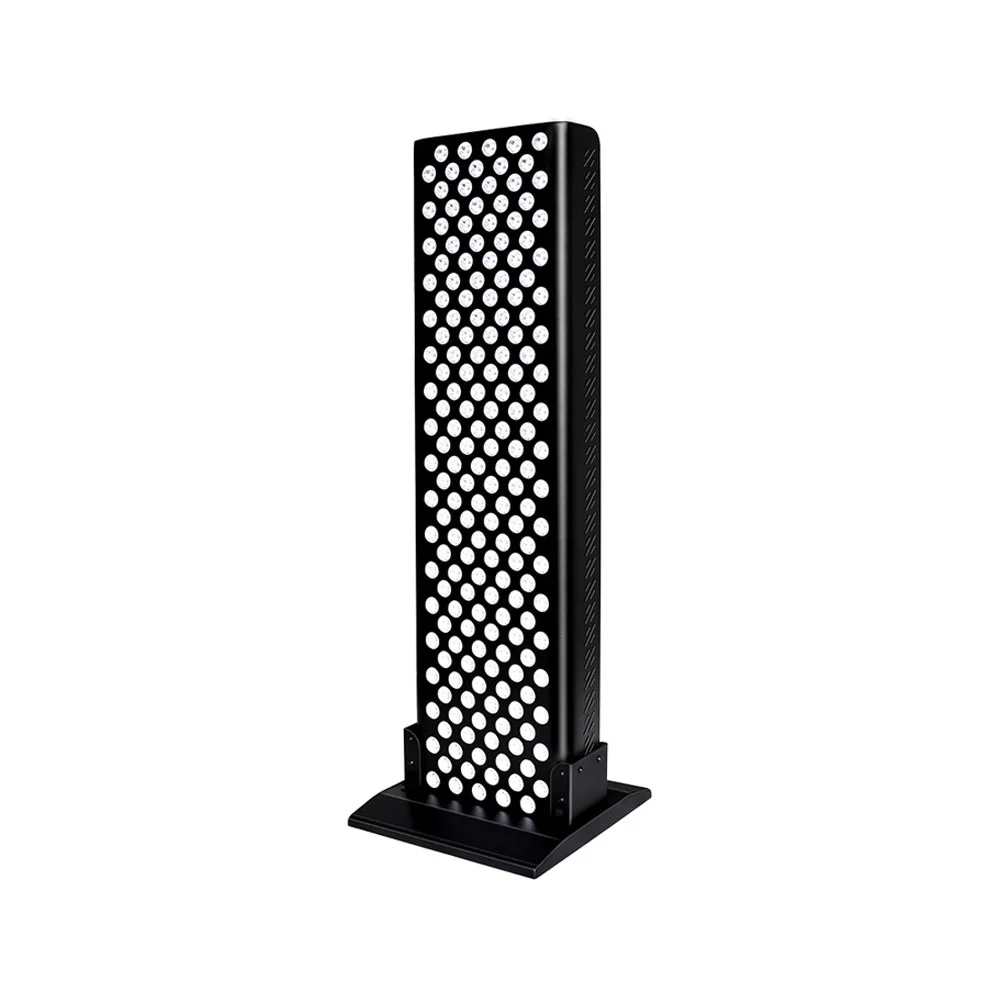
VELLGUS max 300
THE #1 RATED FULL BODY RED LIGHT DEVICE
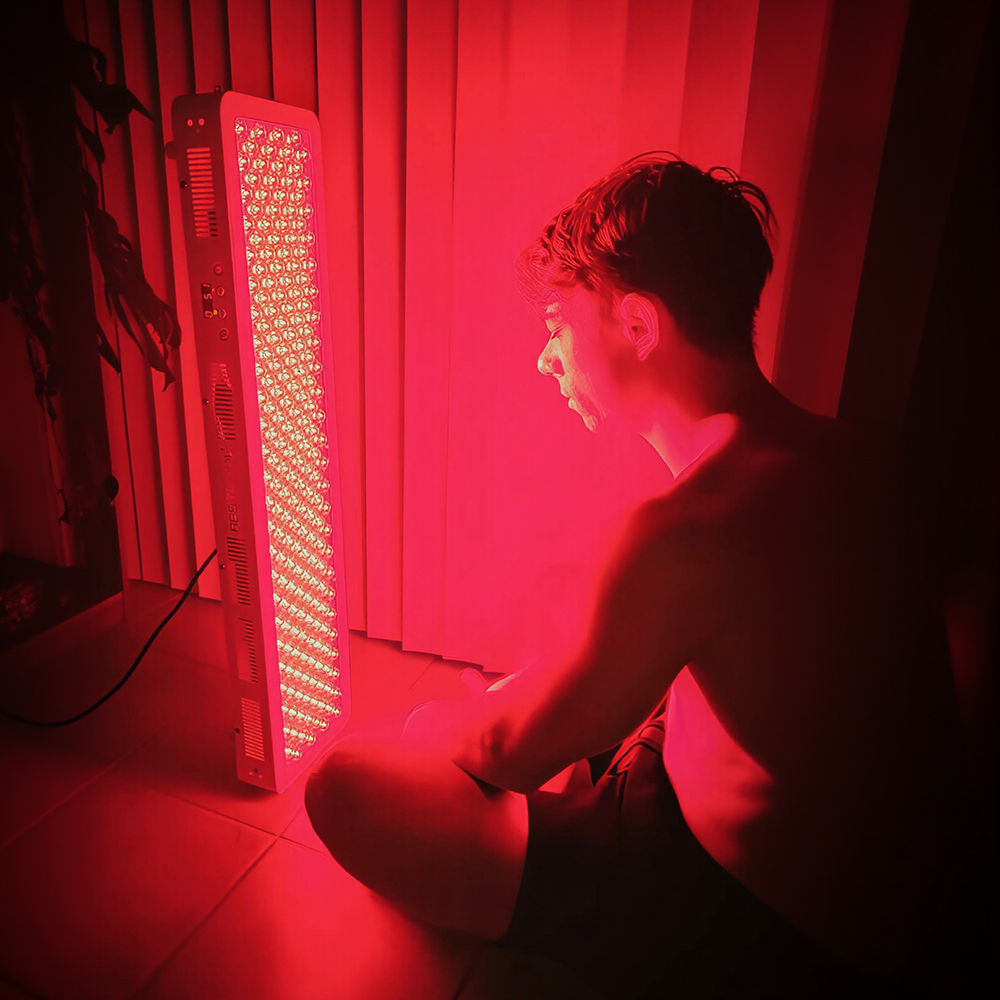
Upgrade your red light therapy experience and take it to the next level with VELLGUS Red Light Max 300. This device is specifically designed for those wanting a brighter and more intense red light treatment
Why Red Light Therapy Cannot Address Otosclerosis
1. The Target Tissue Is Bone, Not Soft Tissue
PBM’s primary effects are on mitochondrial metabolism in soft tissues—skin, muscle, neural tissue, and vasculature. The otic capsule is among the hardest bones in the human body and has minimal turnover after development . Red light photons cannot penetrate the temporal bone to reach the stapes footplate at therapeutic intensities.
2. The Pathology Is Structural
Once the stapes becomes fixed by otosclerotic bone, no amount of cellular stimulation can restore its mobility. The bone must be surgically removed and replaced (stapedectomy) or sound must be amplified (hearing aid).
3. Standard Treatment Guidelines Do Not Include PBM
The 2026 umbrella review in Otolaryngology–Head and Neck Surgery, designed to inform the WHO Package of Ear and Hearing Care Interventions, evaluated interventions for otosclerosis including surgical techniques and medical therapies. Photobiomodulation was not among the interventions identified .
Safety Considerations for Red Light Therapy
While red light therapy is generally safe when used appropriately, the UPMC HealthBeat notes important precautions :
- Eye protection is essential—direct exposure to the eyes can damage the retina
- Overuse can lead to skin damage
- Darker skin tones may experience hyperpigmentation
- Consult your doctor before starting treatment, especially if taking photosensitizing medications
ColumbiaDoctors similarly cautions that prolonged retinal exposure to red light can cause damage and that individuals with conditions like melasma should avoid treatment .
For otosclerosis patients specifically: There is no evidence that applying red light to the ear, neck, or any other body area will affect the disease process. Any claims to the contrary are unsupported by medical literature.
Frequently Asked Questions
1. Can red light therapy cure or slow otosclerosis?
No. There is no scientific evidence that red light therapy affects the bone remodeling process underlying otosclerosis. No clinical trials have evaluated PBM for this condition, and standard treatment guidelines do not include light therapy .
2. Is red light therapy safe for people with otosclerosis?
While PBM is generally safe for most applications, there is no established protocol for treating otosclerosis, and there is no evidence of benefit. If you choose to use red light therapy for other purposes, follow standard safety precautions: protect your eyes, avoid overuse, and consult your physician .
3. What are the actual evidence-based treatments for otosclerosis?
The two main treatments are hearing aids (which amplify sound but do not stop disease progression) and surgery (stapedectomy/stapedotomy) to replace the fixed stapes bone with a prosthesis . The MSD Manual notes that surgery “may be beneficial, but the risks of hearing loss and impaired vestibular function need to be considered” .
4. Does red light therapy help with tinnitus associated with otosclerosis?
Some studies suggest PBM may provide short-term relief for tinnitus, but benefits typically diminish after 3–6 months . Importantly, tinnitus in otosclerosis often results from the conductive hearing loss itself; treating the underlying hearing loss with standard interventions may be more effective than PBM.
5. Why do some websites claim red light therapy helps ear conditions?
Marketing often conflates distinct conditions. PBM has shown preliminary promise for sensorineural hearing loss and tinnitus—conditions involving neural or vascular components. Otosclerosis is a conductive hearing loss caused by bone fixation. These are fundamentally different pathologies, and evidence for one does not transfer to the other.
The Verdict for Clinicians and Patients
Red light therapy is not a treatment for otosclerosis. The condition is a structural bone disorder requiring mechanical or surgical solutions. While photobiomodulation continues to be investigated for other otologic conditions—with modest and often temporary benefits observed—there is no scientific basis for its use in otosclerosis.
Patients seeking treatment for otosclerosis should consult an ENT specialist to discuss hearing aids, surgical options, and appropriate monitoring. Any provider offering red light therapy as a treatment for otosclerosis should be viewed with skepticism regarding their evidence base.
The field of photobiomodulation is evolving, and future research may explore novel applications. But for now, the evidence gap for otosclerosis is absolute: no studies, no mechanism, no clinical recommendation.
Bottom Line: Current scientific evidence does not support red light therapy (photobiomodulation) as a primary treatment for otosclerosis—a condition caused by abnormal bone remodeling in the ear. Standard care remains hearing aids and stapedectomy surgery. While red light therapy shows promise in related hearing conditions like tinnitus and sensorineural hearing loss, no peer-reviewed studies have directly evaluated it for otosclerosis specifically.