 Free Shipping
  Buy Now, Pay Later
  Eligible

Does Red Light Therapy Help with Ménière’s Disease?
A Professional Assessment of Photobiomodulation for Inner Ear Disorders
Ménière’s disease is a chronic, debilitating condition of the inner ear that affects millions worldwide, causing unpredictable episodes of vertigo, progressive hearing loss, tinnitus, and aural fullness. For patients struggling with the unpredictability of these attacks, the search for effective, non-invasive treatments is constant. Among emerging options, red light therapy—more accurately termed photobiomodulation (PBM)—has garnered significant attention. But does the scientific evidence support its use for Ménière’s disease specifically? This article examines the current research, mechanisms, and clinical realities surrounding this promising but still investigational therapy.
Understanding Ménière’s Disease: The Clinical Challenge
Ménière’s disease is characterized by endolymphatic hydrops—a buildup of fluid in the inner ear that disrupts both hearing and balance function. The condition typically affects one ear and presents with a constellation of symptoms: spontaneous vertigo episodes lasting 20 minutes to 12 hours, fluctuating sensorineural hearing loss (particularly in low frequencies), tinnitus, and a sensation of ear fullness.
The exact cause remains unknown, though researchers suspect a combination of factors including impaired fluid drainage, autoimmune responses, viral infections, and genetic predisposition. Current management strategies focus on symptom control rather than cure, ranging from dietary modifications and diuretics to intratympanic injections and surgical interventions for refractory cases. The unpredictable nature of vertigo attacks creates significant anxiety and substantially impacts quality of life.
What Is Red Light Therapy (Photobiomodulation)?
Photobiomodulation refers to the therapeutic application of red light (620–700 nm) and near-infrared (700–1440 nm) wavelengths to biological tissue. Unlike lasers used for cutting or ablation, PBM employs low-energy light that does not generate heat or cause tissue damage. The therapy is non-invasive, generally well-tolerated, and has demonstrated efficacy across diverse applications including wound healing, pain management, and neurological conditions.
The Mechanism of Action
The primary cellular target for PBM is cytochrome c oxidase (COX), an enzyme in the mitochondrial respiratory chain. When photons at specific wavelengths are absorbed by COX, the enzyme’s activity is upregulated, leading to:
- Increased ATP Production: Enhanced mitochondrial metabolism provides energy for cellular repair and regeneration.
- Modulation of Reactive Oxygen Species (ROS): Brief, controlled bursts of ROS activate protective signaling pathways.
- Nitric Oxide Release: Improved local circulation and cellular signaling.
- Calcium Level Alterations: Influence on ion channel function and neurotransmitter release.
These primary effects trigger downstream activation of transcription factors that promote cell survival, reduce inflammation, and stimulate tissue repair. Importantly, PBM exhibits a biphasic dose response—lower doses stimulate healing while excessive doses may inhibit it, making precise treatment parameters critical.
The Rationale for PBM in Ménière’s Disease
The connection between PBM and Ménière’s disease rests on two key premises:
First, the inner ear’s hair cells—responsible for transducing mechanical sound and balance signals into neural impulses—are vulnerable to damage from various insults. In Ménière’s disease, the physiological stress from endolymphatic hydrops may contribute to hair cell dysfunction or loss. PBM has demonstrated the capacity to protect and potentially regenerate vestibular hair cells in experimental models.
Second, inflammation and impaired cellular metabolism are implicated in the pathophysiology of Ménière’s disease. PBM’s well-documented anti-inflammatory effects and metabolic enhancement could theoretically address these underlying contributors.
The Evidence: What Research Shows
Preclinical Studies
Research examining PBM’s effects on vestibular tissue has produced encouraging findings. A 2022 review by Cuenca examined low-level laser therapy parameters for utricular hair cell regeneration, concluding that wavelengths of 633 nm and 808 nm showed therapeutic potential in promoting cellular and tissue regeneration capabilities.
More directly relevant, a 2017 study published in the Journal of Biomedical Optics investigated PBM for peripheral vestibular dysfunction. The researchers found that PBM was associated with improved functional and histological outcomes after gentamicin-induced vestibular damage in animal models. The study reported increased hair cell density and improved balance function, suggesting both preventative and regenerative effects.
The proposed mechanism involves recovery of hair cells from apoptosis through increased ATP production, which downregulates pro-apoptotic proteins and upregulates anti-apoptotic proteins. Alternatively, the low-level cellular stress induced by PBM may activate protective pathways in vestibular hair cells.
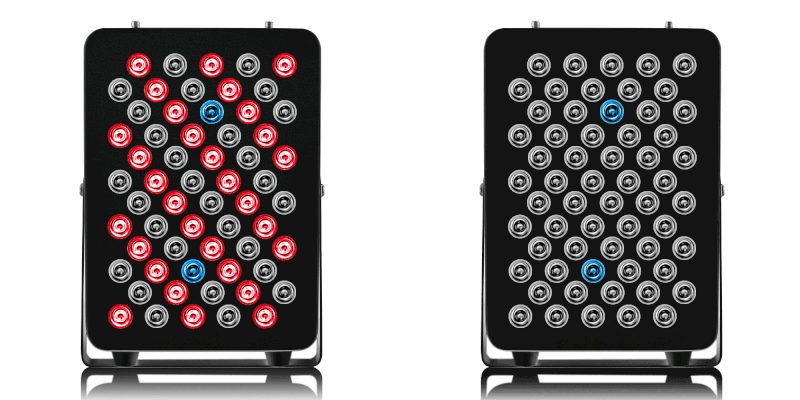
VELLGUS Elite V2
THE #1 RATED RED LIGHT DEVICE
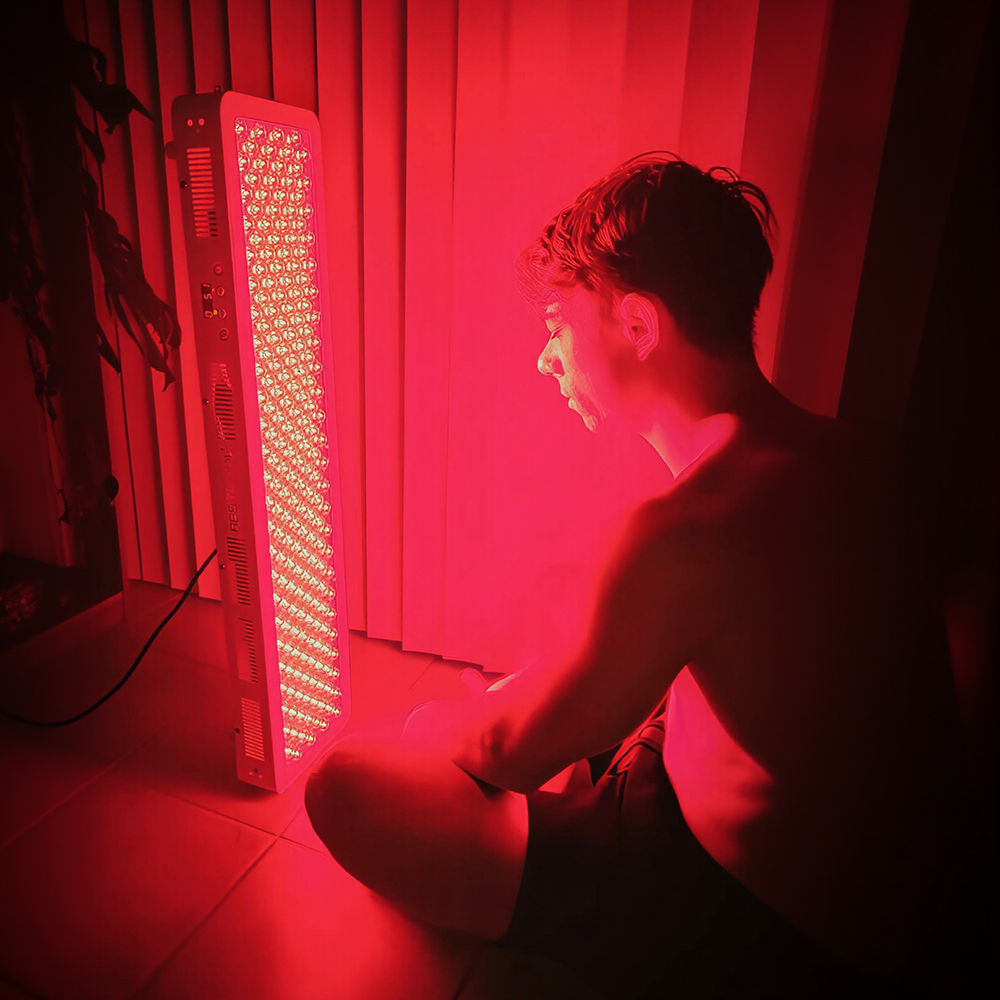
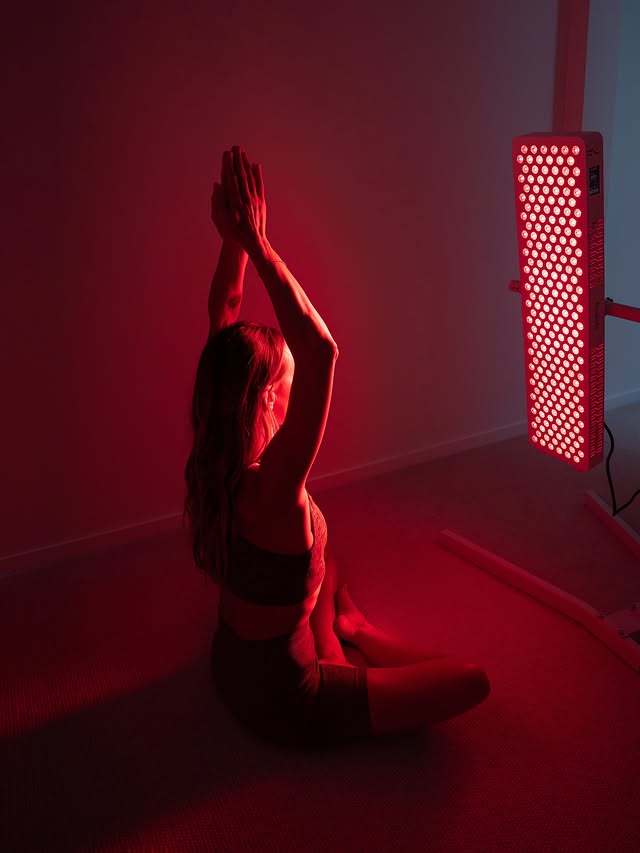
Vellgus Red Light Elite V2 is an incredible way to experience the benefits of multiwave technology spectrum: 480nm 630nm, 660nm, 810nm, 830nm, 850nm. No other red/NIR light device available provides the multi-wave R+| NIR+ spectral output.
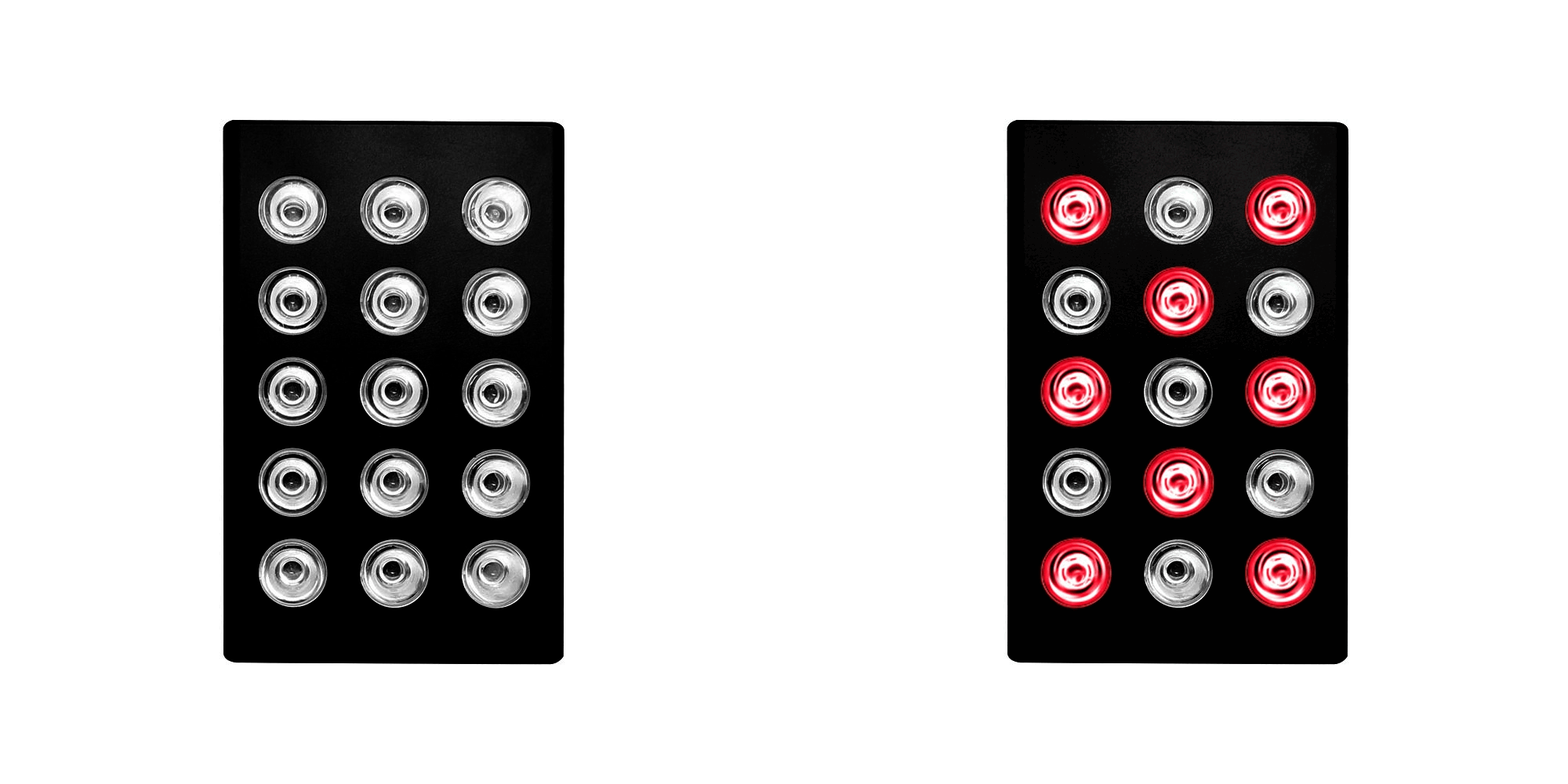
VELLGUS mini
THE #1 RATED FULL BODY RED LIGHT DEVICE
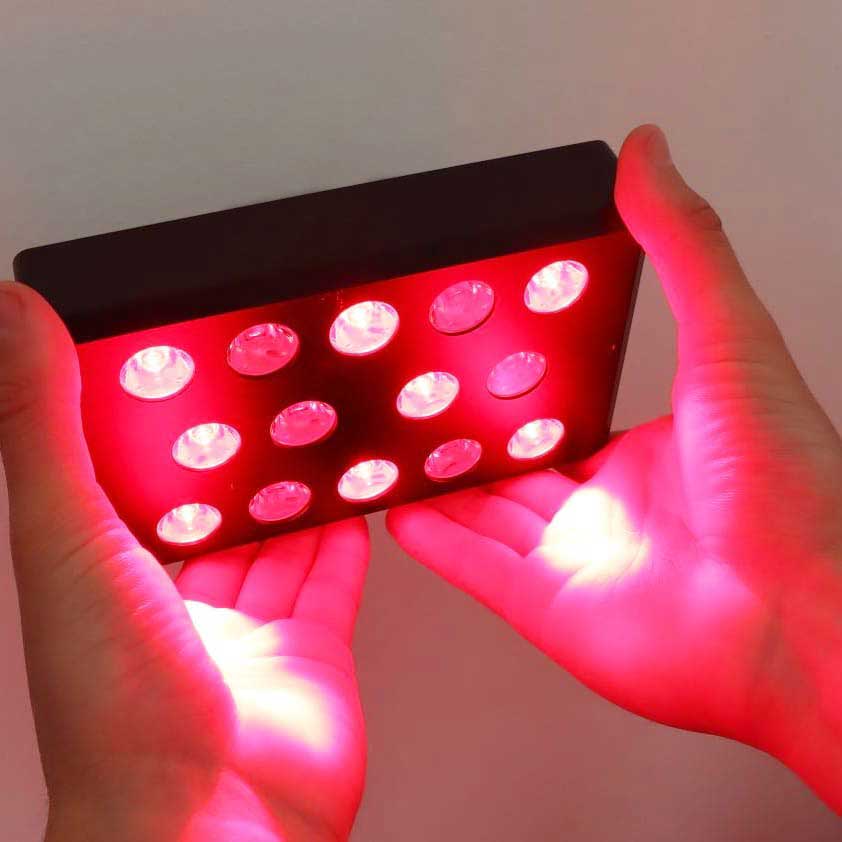
The Vellgus red light mini is the ultimate combination of power and portability. Its low EMF, no flicker dual NIR and red-Light therapy device offers the perfect blend of near infrared light at 850nm and red light at 660nm in one package.
Clinical Evidence
Clinical research specifically examining PBM for Ménière’s disease remains limited. A 2009 study published in Medical Laser Application evaluated high-dosage low-level laser therapy in 5,000 patients with inner ear exhaustion, including those with Ménière’s disease. The researchers documented statistically significant improvements in hearing capacity across frequencies, balance function, and symptoms including vertigo, tinnitus, and aural pressure. While these findings are compelling, the study’s design—lacking a control group—limits the strength of conclusions that can be drawn.
More recently, a 2025 scoping review published in European Archives of Oto-Rhino-Laryngology examined randomized controlled trials for unilateral Ménière’s disease treatment. The review identified low-level laser therapy as one of several therapeutic modalities under investigation but concluded that evidence supporting all current treatments remains “limited and inconsistent”. The authors emphasized the need for high-quality, placebo-controlled trials with standardized outcome measures.
Comparing Treatment Options
Clinical Considerations for Patients
What to Expect from PBM Treatment
For patients considering PBM for Ménière’s disease, several important caveats apply:
- No Established Protocol: There is no standardized treatment protocol for PBM in Ménière’s disease. Wavelengths, dosages, treatment duration, and application methods vary across studies and clinics.
- Transmeatal Application: For inner ear conditions, PBM would require transmeatal (through the ear canal) application to reach the cochlea and vestibular structures, which presents technical challenges.
- Realistic Expectations: Given the limited clinical evidence, PBM should be considered investigational for Ménière’s disease. It is not a proven cure and may not work for all patients.
- Safety Profile: PBM is generally safe with minimal side effects. Erythema (redness) is the most common self-limiting adverse effect. However, long-term safety data for inner ear applications are lacking.
The Importance of Medical Supervision
Any patient considering PBM for Ménière’s disease should do so only under the guidance of an otolaryngologist or neurotologist experienced in both Ménière’s management and phototherapy. Self-treatment with consumer devices is not advised, as improper parameters may be ineffective or potentially counterproductive given the biphasic dose response.
Frequently Asked Questions
1. Is red light therapy an FDA-approved treatment for Ménière’s disease?
No. There is currently no FDA-approved medication or device specifically indicated for treating Ménière’s disease. Red light therapy (photobiomodulation) devices are cleared for certain dermatological and pain applications, but their use for inner ear conditions remains off-label and investigational.
2. How does red light therapy potentially help with Ménière’s disease symptoms?
The theoretical mechanisms include protection and potential regeneration of vestibular hair cells through mitochondrial stimulation, reduction of inflammation associated with the condition, and improvement of cellular metabolism and energy production in inner ear tissues. However, these mechanisms have primarily been demonstrated in preclinical models, not in clinical Ménière’s disease.
3. Can red light therapy replace standard Ménière’s disease treatments?
No. Given the current evidence, PBM should be considered complementary or adjunctive at best, not a replacement for established management strategies. Patients should continue working with their healthcare providers on proven approaches including dietary modifications, medications, vestibular rehabilitation, and when appropriate, procedural interventions.
4. What does the research say about PBM for vertigo specifically?
Preclinical research suggests PBM can improve balance function following vestibular damage in animal models. A large clinical study without controls reported improvement in vertigo symptoms among patients receiving high-dosage laser therapy for inner ear conditions. However, randomized controlled trials specifically examining PBM for vertigo in Ménière’s disease are lacking.
5. Should I ask my doctor about trying red light therapy for Ménière’s disease?
Yes, patients should discuss all potential treatment options with their otolaryngologist or neurotologist. While PBM remains investigational for Ménière’s disease, the conversation can help determine whether participation in a clinical trial might be appropriate or whether PBM could reasonably complement standard care. Physicians can also help patients avoid unproven devices or protocols that could delay effective treatment.
Conclusion
Red light therapy, or photobiomodulation, represents a biologically plausible and mechanistically supported approach to addressing some of the cellular dysfunctions underlying Ménière’s disease. Preclinical research demonstrating hair cell protection and regeneration is genuinely encouraging, and the therapy’s excellent safety profile makes it attractive for investigation.
However, the honest assessment is that clinical evidence specifically for PBM in Ménière’s disease remains preliminary. The absence of well-designed randomized controlled trials means we cannot yet make definitive claims about efficacy. For patients, this means PBM should be considered a promising investigational avenue—one worth discussing with their specialists, but not a proven solution.
The field awaits high-quality clinical trials that will determine whether the theoretical benefits translate into meaningful symptom relief for Ménière’s patients. Until then, evidence-based standard care remains the foundation of management, with PBM positioned as a potential adjunct for those willing to participate in its ongoing evaluation.