 Free Shipping
 Buy Now, Pay Later
 Eligible

Does Red Light Therapy Help with Ragweed Allergies? A Clinical Breakdown

Bottom line: Red light therapy (photobiomodulation) is not a cure for ragweed allergy, but peer-reviewed clinical evidence suggests it can significantly reduce nasal symptoms—congestion, sneezing, runny nose, and itching—when applied intranasally. The strongest data supports symptom relief, not allergy elimination. For ragweed sufferers, it represents a non-pharmacological adjunct, not a replacement for avoidance or immunotherapy.
Ragweed is the dominant trigger of fall allergic rhinitis in North America, affecting millions each August through October . Standard care includes antihistamines, intranasal corticosteroids, and immunotherapy. Red light therapy has emerged as a drug-free option targeting the inflammatory cascade directly in the nasal mucosa. This article examines the clinical evidence, compares treatment modalities, and clarifies what red light therapy can—and cannot—do for ragweed-induced symptoms.
Understanding Ragweed Allergy and the Rationale for Phototherapy
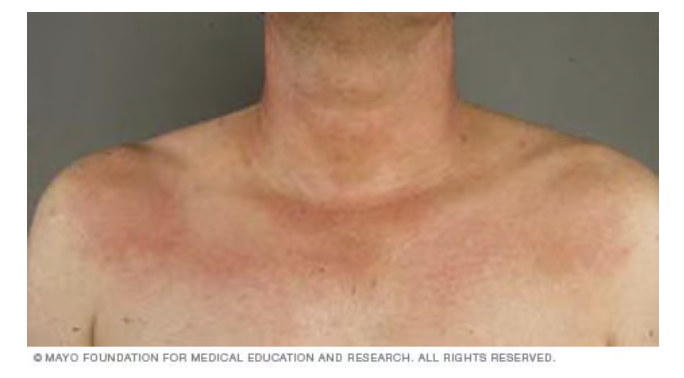
Ragweed pollen grains are lightweight and travel far; a single plant can release up to one billion pollen grains per season . When inhaled by a sensitized individual, pollen proteins trigger IgE-mediated mast cell degranulation and a downstream inflammatory response characterized by histamine release, eosinophil infiltration, and mucosal edema.
Photobiomodulation (PBM), the scientific term for red and near-infrared light therapy, exerts its effects primarily through mitochondrial chromophore absorption—specifically cytochrome c oxidase—leading to increased ATP production, modulation of reactive oxygen species, and a net anti-inflammatory effect . In activated inflammatory cells, PBM has been shown to reduce pro-inflammatory markers and decrease M1 macrophage polarization, which is directly relevant to allergic mucosal inflammation .
The nasal cavity is an accessible target for intranasal light delivery. Devices emitting 660 nm red light (often combined with 940 nm near-infrared) can be inserted into the nostrils, delivering low-energy photons directly to the inflamed turbinates without systemic exposure.
Clinical Evidence: What the Trials Show
The Double-Blind Randomized Trial (1997)
The foundational study by Neuman et al. remains the most rigorous placebo-controlled evidence for red light in allergic rhinitis. Fifty patients with allergic rhinitis received intranasal illumination at 660 nm for 4.4 minutes three times daily over 14 days. Results were notable:
- 72% of actively treated patients reported symptom improvement versus 24% of placebo patients
- Objective endoscopic improvement was documented in 70% of treated patients versus 3% of placebo patients
- Patients with nasal polyposis showed no improvement, suggesting the mechanism requires intact, non-polypoid mucosa
This study established that narrow-band red light at 660 nm produces measurable, clinically meaningful relief in allergic rhinitis—the same pathophysiological condition triggered by ragweed.
The Single-Arm Observational Study (2023)
A more recent study using 660 nm red light combined with 940 nm near-infrared light (LED source) in 21 patients with mild persistent allergic rhinitis reported:
- 57% improvement in nasal congestion after four weeks
- 86% reduction in VAS symptom scores after four weeks
- No patients required rescue antihistamines during the treatment period
While lacking a placebo arm, this study confirms tolerability and consistent direction of effect with modern LED devices.
The Meta-Analysis Caveat (2024)
A 2024 systematic review and meta-analysis of low-level laser therapy for allergic rhinitis pooled 16 studies and found that nasal symptoms were significantly alleviated post-treatment (SMD: −1.4, p < 0.001). However, when compared directly to placebo, the difference did not reach statistical significance (SMD: −0.69, p = 0.167), and the authors noted significant heterogeneity and publication bias .
Interpretation: The pre-post improvement is robust, but the placebo-controlled evidence base is smaller and less consistent than one would prefer. The 1997 double-blind trial remains the strongest single piece of evidence for superiority over sham treatment. Patients should understand that red light therapy is supported by plausible mechanisms and positive trials, but it is not backed by the same volume of phase III evidence as intranasal corticosteroids.
How Red Light Therapy Compares to Standard Ragweed Treatments
Clinical positioning: Red light therapy sits between conservative measures (saline, avoidance) and immunotherapy in terms of invasiveness. Its principal advantage is the absence of systemic side effects and drug interactions. Its principal limitation is the time commitment (daily sessions for weeks) and the modest quality of placebo-controlled evidence.
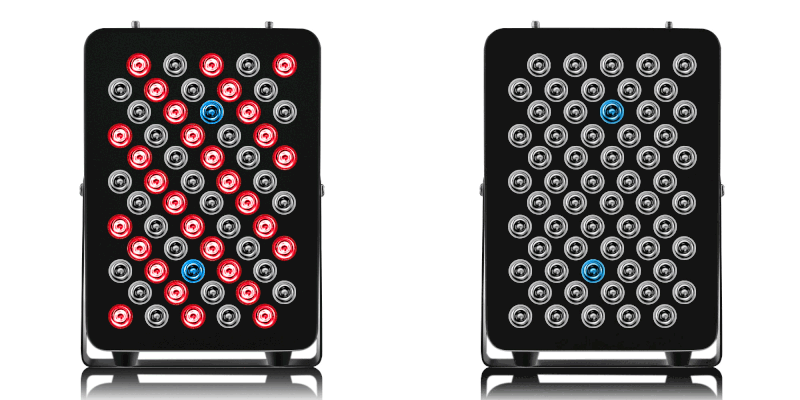
VELLGUS Elite V2
THE #1 RATED RED LIGHT DEVICE
Vellgus Red Light Elite V2 is an incredible way to experience the benefits of multiwave technology spectrum: 480nm 630nm, 660nm, 810nm, 830nm, 850nm. No other red/NIR light device available provides the multi-wave R+| NIR+ spectral output.
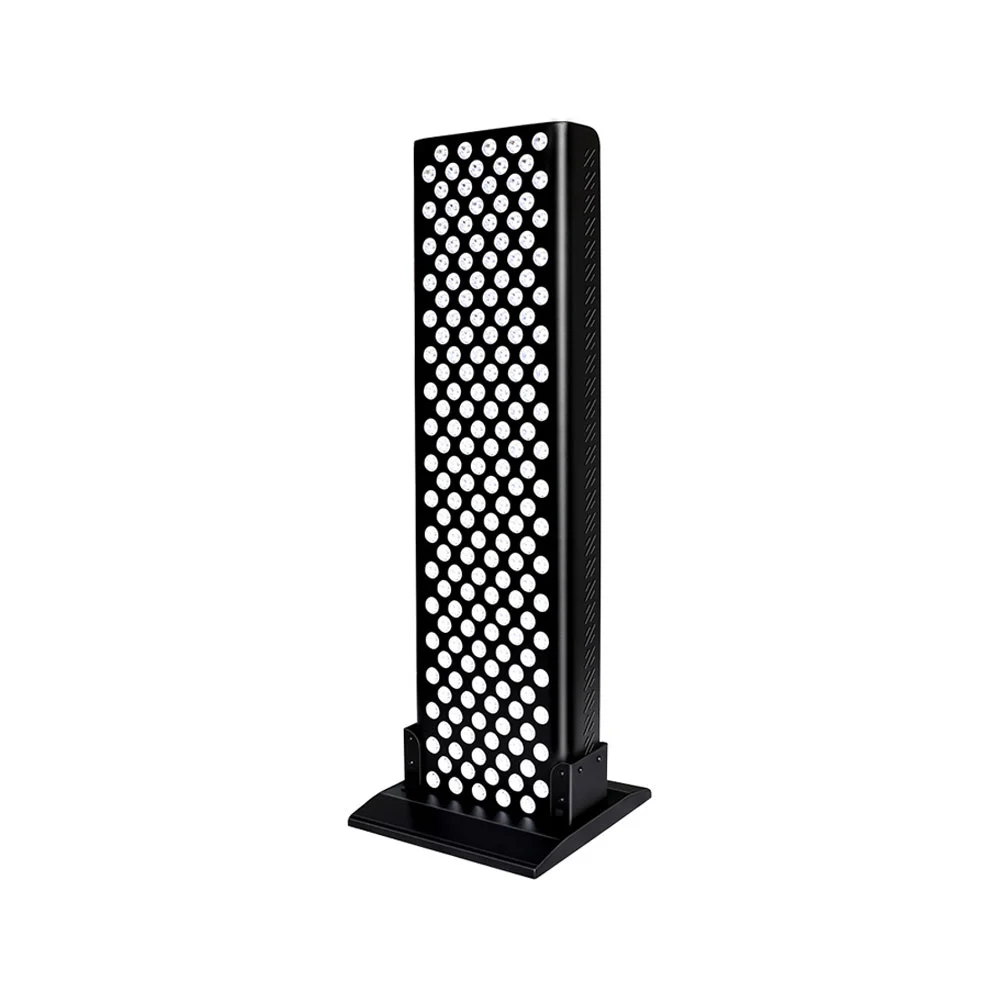
VELLGUS max 300
THE #1 RATED FULL BODY RED LIGHT DEVICE
Upgrade your red light therapy experience and take it to the next level with VELLGUS Red Light Max 300. This device is specifically designed for those wanting a brighter and more intense red light treatment
Practical Considerations for Ragweed Sufferers
Timing matters. Ragweed season begins in August with cool nights and warm days and can persist through the first frost . Starting red light therapy two to four weeks before anticipated symptom onset—mirroring the ACAAI recommendation for starting allergy medications early —may maximize benefit.
Device specifications. The clinical literature supports devices emitting 660 nm red light, often paired with 940 nm near-infrared, at low power (approximately 5 mW) delivered intranasally . Not all consumer devices have published clinical data; patients should prioritize devices with specifications matching published protocols.
Realistic expectations. Red light therapy is unlikely to eliminate the need for antihistamines in severe ragweed allergy. It is best framed as an adjunct that may reduce symptom burden and rescue medication use. Patients with nasal polyps or chronic sinusitis should not expect benefit, as the 1997 trial specifically excluded these populations from improvement .
Frequently Asked Questions
1. Can red light therapy cure ragweed allergy?
No. Red light therapy does not alter the underlying IgE-mediated immune sensitization to ragweed pollen. It modulates the inflammatory response in the nasal mucosa, reducing symptoms, but it is not disease-modifying in the way immunotherapy is. The ACAAI and AAAAI position immunotherapy as the only treatment that can potentially “turn off” allergy symptoms by building tolerance . Red light therapy should be understood as symptomatic relief, not a cure.
2. How long does it take for red light therapy to work for ragweed symptoms?
Clinical trials report measurable improvement at two weeks of consistent use, with continued improvement at four weeks. In the 2023 observational study, nasal congestion improved by 29% at two weeks and 57% at four weeks, while overall VAS scores dropped by 52% at two weeks and 86% at four weeks . For ragweed season, starting therapy before pollen counts rise is advisable.
3. Is intranasal red light therapy safe?
The published clinical literature reports a low adverse event profile. Across trials, no serious adverse events have been attributed to intranasal red light at the wavelengths and doses studied. The 2024 meta-analysis noted “very few adverse events” across 16 studies . Some users may experience mild transient nasal dryness or irritation. As with any medical device, patients with nasal polyps, active sinusitis, or unexplained nasal bleeding should consult an otolaryngologist before use.
4. How does red light therapy compare to antihistamines for ragweed?
They work differently and are not mutually exclusive. Antihistamines block histamine receptors and act within hours, making them suitable for acute symptom flares. Red light therapy addresses the inflammatory cascade more broadly but requires daily use over weeks to achieve benefit . A reasonable approach for many patients is to use red light therapy as a preventive/adjunctive measure during ragweed season while retaining antihistamines for breakthrough symptoms. Neither modality addresses the underlying allergy; immunotherapy remains the only disease-modifying option .
5. What wavelength of red light is best for nasal allergy symptoms?
The clinical evidence supports 660 nm red light, often combined with 940 nm near-infrared. The 1997 randomized trial used 660 nm alone . The 2023 observational study used a device emitting both 660 nm and 940 nm . The 940 nm wavelength penetrates tissue more deeply, potentially reaching submucosal inflammatory cells, while 660 nm targets superficial mucosal targets. Devices claiming efficacy without specifying wavelength and dose should be viewed with caution.
Medical disclaimer: This article is for informational purposes and does not constitute medical advice. Individuals with ragweed allergy should consult a board-certified allergist or immunologist to develop an appropriate treatment plan. Red light therapy devices are not FDA-cleared to treat allergic rhinitis; their use for this purpose is off-label and based on published clinical research.