 Free Shipping
  Buy Now, Pay Later
  Eligible

Does Red Light Therapy Help with Myalgia? A Comprehensive Analysis
Quick Answer: Red light therapy (photobiomodulation) shows promising evidence for reducing myalgia—muscle pain—particularly exercise-induced muscle soreness and chronic musculoskeletal pain conditions. Clinical studies demonstrate significant reductions in pain scores and inflammatory markers, though optimal treatment protocols continue to be refined.
Understanding Myalgia and Red Light Therapy
Myalgia refers to muscle pain that can arise from various causes: intense exercise, inflammatory conditions, injury, or chronic pain syndromes. The pain stems from micro-damage to muscle fibers, inflammation, and subsequent sensitization of pain receptors.
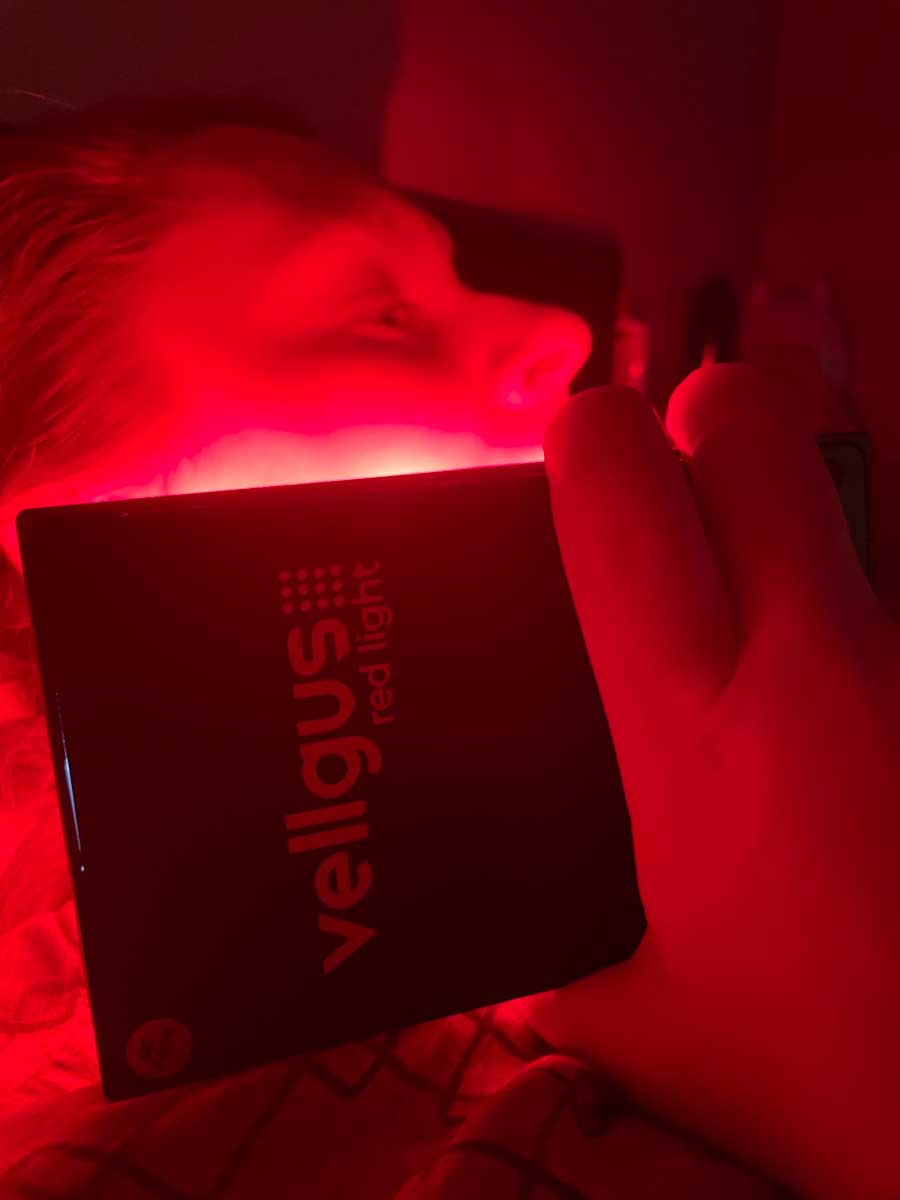
Red light therapy, also called photobiomodulation (PBM), uses low-energy red (630-700 nm) and near-infrared (800-850 nm) light wavelengths to penetrate tissue and stimulate cellular repair. The therapy works by targeting mitochondria—the energy-producing structures within cells—to enhance ATP production, reduce oxidative stress, and modulate inflammatory pathways.
The Science: How Red Light Therapy Addresses Muscle Pain
Cellular Mechanisms
When red and near-infrared light penetrates muscle tissue, it is absorbed by mitochondrial photoacceptors, triggering a cascade of therapeutic effects:
- Enhanced ATP production: Increased cellular energy accelerates tissue repair
- Anti-inflammatory effects: Reduced pro-inflammatory cytokines and oxidative stress
- Improved circulation: Vasodilation enhances oxygen and nutrient delivery to damaged muscle
- Pain modulation: Stimulation of endorphin release and inhibition of pain-signaling pathways
Evidence from Clinical Research
A 2026 systematic review on fibromyalgia found that photobiomodulation effectively reduces pain intensity through both localized and whole-body applications. Localized treatment targets specific tender points, while whole-body PBM provides systemic relief with sustained effects.
A 2026 single-arm pilot study of 40 adults with musculoskeletal pain reported that 92.1% experienced global improvement after ten full-body red/NIR sessions, with 74.3% reporting immediate pain relief after the first session. Exploratory analysis showed median total pain burden decreased from 6.0 to 3.5 (p < 0.001).
For exercise-induced muscle damage, a randomized controlled trial demonstrated that LED therapy at 630 nm and 940 nm before eccentric exercise attenuated muscle damage markers without impairing adaptive responses. Creatine kinase levels—an indicator of muscle breakdown—were significantly lower in treated groups.
Comparison of Red Light Therapy Approaches for Myalgia
| Parameter | Red Light (630-700 nm) | Near-Infrared (800-850 nm) | Whole-Body PBM |
|---|---|---|---|
| Tissue Penetration | Superficial (1-5 mm) | Deeper (up to 5 cm) | Systemic exposure |
| Best Application | Surface muscle pain, skin-level inflammation | Deep muscle groups, joint pain | Widespread myalgia, fibromyalgia |
| Typical Session Duration | 5-15 minutes | 10-20 minutes | 10-20 minutes |
| Evidence Strength | Moderate for DOMS | Strong for deep tissue | Emerging, promising for chronic pain |
| Common Devices | Panels, handheld wands | Laser probes, LED panels | Treatment beds |
What Doctors and Major Institutions Say
MD Anderson Cancer Center acknowledges that red light therapy “can relieve myalgias and muscle pains by decreasing inflammation.” Their clinical team uses laser therapy for pain management, though they note it remains in investigational stages for broader pain applications.
Mayo Clinic rheumatologists have expressed caution regarding deep muscle conditions like myositis, with some noting that “red light can’t penetrate deep enough through muscle tissue” for inflammatory myopathies. However, this limitation applies primarily to deep-seated muscle inflammation rather than superficial or exercise-induced myalgia.
Clinical recommendations from photobiomodulation researchers suggest using devices with 640 nm (red) or 950 nm (infrared) wavelengths at 50-200 mW power for small muscle groups, with treatment initiated 5-10 minutes after exercise.
Evidence-Based Treatment Parameters
| Myalgia Type | Recommended Wavelength | Typical Protocol | Evidence Level |
|---|---|---|---|
| Exercise-induced (DOMS) | 630-660 nm + 830-940 nm | Pre or post-exercise, 5-10 min | Randomized controlled trials |
| Fibromyalgia | 660 nm + 808-850 nm | Whole-body, 2-5x/week | Systematic review support |
| Chronic musculoskeletal | 630-850 nm | Localized, 10-20 min sessions | Mixed evidence, condition-dependent |
| Myofascial pain | 660-850 nm | Targeted tender points | Moderate support |
Practical Considerations and Limitations
What Red Light Therapy Can Do
- Reduce delayed-onset muscle soreness (DOMS) after exercise
- Decrease inflammatory markers following muscle damage
- Provide analgesic effects for chronic musculoskeletal pain conditions
- Improve functional outcomes like muscle stiffness and energy levels
What It Cannot Do
- Penetrate deeply enough for some inflammatory myopathies (e.g., myositis with deep muscle involvement)
- Replace medical treatment for underlying rheumatologic or neurologic conditions
- Guarantee results across all myalgia presentations
Safety Profile
Red light therapy is generally well-tolerated with minimal side effects. Protective eyewear is recommended during facial or head treatments to prevent retinal exposure. Some individuals with darker skin tones may experience hyperpigmentation, and overuse can cause burns or blisters.
Conclusion
Red light therapy represents a biologically plausible, non-pharmacological adjunct for managing myalgia, particularly exercise-induced muscle pain and chronic musculoskeletal conditions. The evidence supports its use for reducing pain intensity and inflammatory markers, with whole-body protocols showing particular promise for widespread symptoms.
However, patients with underlying medical conditions causing myalgia—particularly inflammatory myopathies—should consult rheumatologists before initiating treatment, as depth penetration limitations may reduce efficacy for deep muscle inflammation.
For optimal results, choose devices with verified wavelengths (630-850 nm) and appropriate power output, and consider professional-grade equipment for clinical conditions. While home devices offer convenience, they are generally less intense than clinical systems.
Disclaimer: This article is for informational purposes only and does not constitute medical advice. Consult a qualified healthcare provider for personalized treatment recommendations.