 Free Shipping
  Buy Now, Pay Later
  Eligible

Red Light Therapy and Alcohol: Safety Guidelines and Interaction Considerations
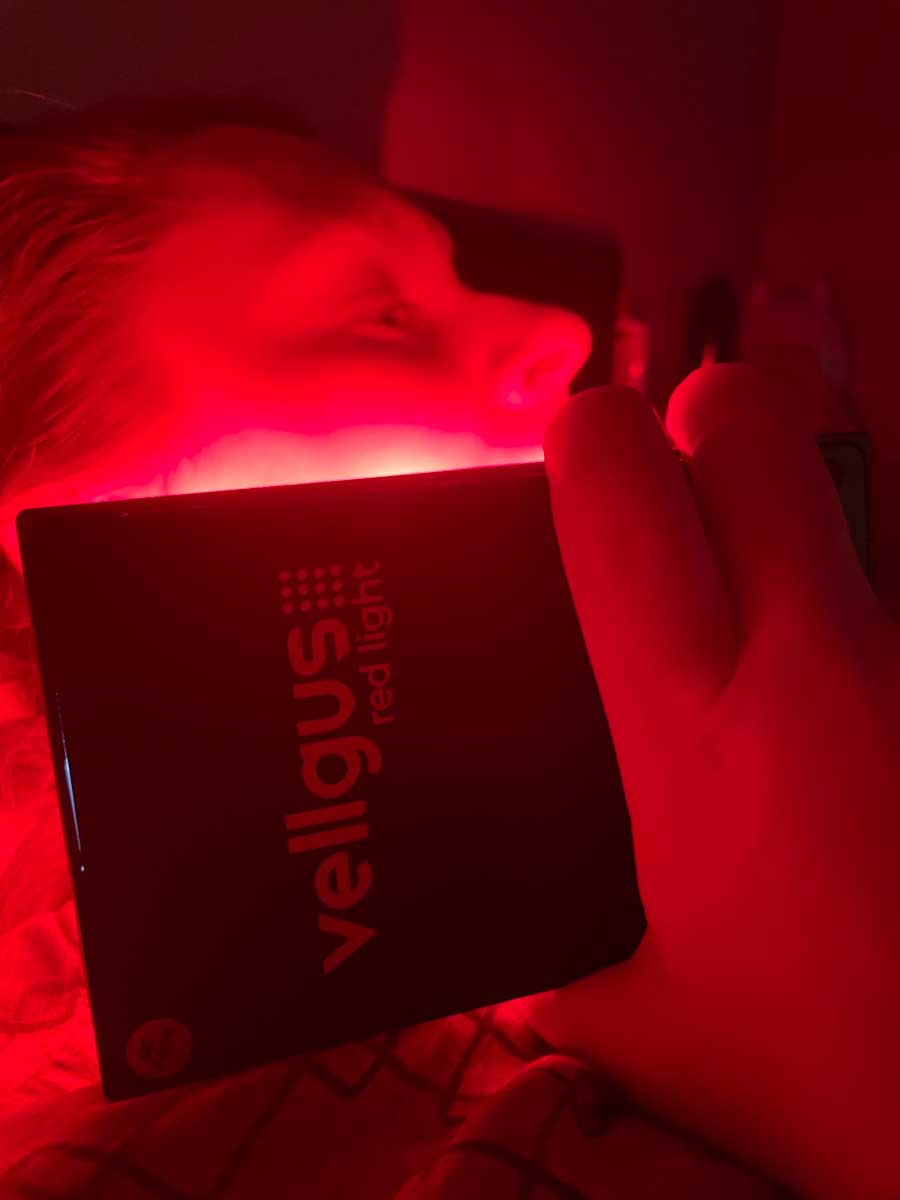
Bottom line: You should avoid alcohol before and immediately after red light therapy sessions. Clinical guidance consistently advises abstaining for 24–48 hours following treatment . While emerging research explores photobiomodulation as a potential therapeutic tool for alcohol-related cognitive impairment and craving reduction, these applications are distinct from using alcohol in conjunction with standard red light therapy protocols.
Understanding Red Light Therapy
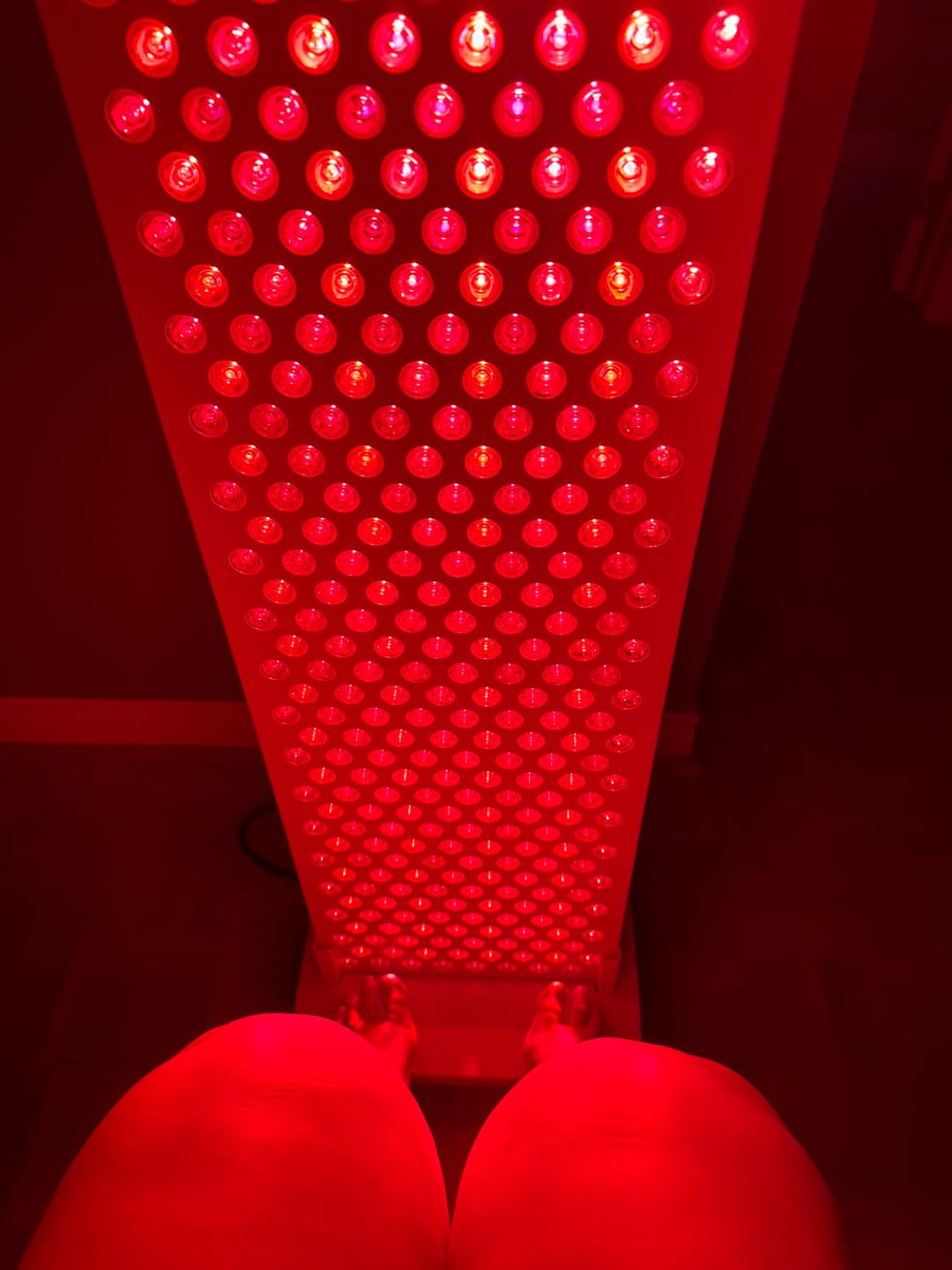
Red light therapy, formally known as photobiomodulation (PBM), uses low-level wavelengths of red (620–700 nm) and near-infrared (700–1,440 nm) light to stimulate cellular function . The therapy is administered through light-emitting diodes (LEDs) or low-level lasers, targeting mitochondria to enhance energy production, improve blood flow, and reduce inflammation .
At Memorial Sloan Kettering Cancer Center, PBM therapy is used clinically to prevent and treat mucositis from chemotherapy and radiation, heal wounds, and manage radiation fibrosis .
Can You Drink Alcohol Before or After Red Light Therapy?
Clinical consensus recommends against it. Multiple healthcare providers and treatment guidelines specify alcohol avoidance around red light therapy sessions:
Why the Caution?
Alcohol affects multiple physiological systems that may interact with photobiomodulation:
Hydration and circulation. Alcohol is a diuretic that can lead to dehydration. Since PBM therapy relies on optimal blood flow and tissue hydration to deliver therapeutic effects, compromised hydration may reduce treatment efficacy.
Skin sensitivity. After light-based treatments, the skin can be more reactive. Alcohol consumption may exacerbate inflammation or sensitivity .
Neurological considerations. Alcohol affects the central nervous system. While research on PBM and alcohol is in early stages, the interaction between the two at the neurological level remains an active area of investigation .
Emerging Research: Red Light Therapy as a Potential Intervention for Alcohol-Related Conditions
The relationship between red light therapy and alcohol extends beyond safety contraindications. A growing body of research explores photobiomodulation as a therapeutic intervention for conditions related to alcohol use.
Cognitive Impairment from Chronic Alcohol Exposure
A 2025 study published in Pharmacology Biochemistry and Behavior investigated whether 830 nm laser irradiation could mitigate cognitive deficits in a chronic alcohol mouse model .
Key findings:
- Chronic alcohol exposure induced significant spatial memory and cognitive impairment
- Near-infrared laser irradiation (50 mW/cm², 5 times/week for 3 weeks) significantly improved cognitive and spatial memory
- Laser treatment reduced reactive astrocyte counts in the hippocampus, indicating decreased neuroinflammation
The researchers concluded that chronic alcohol-induced cognitive impairment “can be effectively rescued through near-infrared laser irradiation” .
Alcohol Craving Reduction
A 2026 randomized study published in Neurotherapeutics examined transcranial photobiomodulation (tPBM) for reducing alcohol craving in individuals with subclinical alcohol use .
Study design:
- 60 participants randomized to three groups: tPBM, transauricular vagus nerve stimulation (taVNS), or combined
- Self-administered 15-minute sessions, 5 times/week for 5 weeks
- Near-infrared light (850 nm) delivered transcranially
Results:
- Both tPBM and combined tPBM + taVNS produced significant reductions in craving (p < 0.001)
- Significant reductions in alcohol use (AUDIT scores, p ≤ 0.011)
- tPBM showed higher odds of craving response (OR = 8.09)
- Combined stimulation showed higher odds of drinking-behavior improvement (OR = 16.73)
Comparison: Standard Red Light Therapy vs. Transcranial PBM for Alcohol-Related Applications
Safety Considerations and Contraindications
Regardless of whether you are using red light therapy for general wellness or as part of a research protocol, certain precautions apply:
Absolute contraindications (per MSK guidelines):
- Treatment over tumors (effects on tumors not studied)
- Treatment over abdomen during pregnancy
- History of photosensitive epilepsy requires precaution
Alcohol-specific precautions:
- Do not undergo red light therapy if you have consumed alcohol and/or drugs before your session
- Avoid alcohol for at least 24 hours after treatment
- Continue avoiding alcohol-containing skincare products during the post-treatment period
Practical Guidelines
If you are considering red light therapy:
- Before treatment: Abstain from alcohol for at least 24 hours before your session. This ensures optimal hydration status and reduces potential skin sensitivity .
- After treatment: Continue to avoid alcohol for 24–48 hours, depending on the intensity of the treatment and your provider’s specific instructions .
- If you are in recovery from alcohol use disorder: Discuss any use of red light therapy with your treatment team. While emerging research on PBM for craving reduction is promising, it should not replace evidence-based treatments for alcohol use disorder .
- Hydration matters: Alcohol’s diuretic effect can compromise the tissue hydration that supports photobiomodulation. Prioritize water and electrolyte intake if you are using red light therapy as part of a wellness routine .
Summary
The interaction between red light therapy and alcohol has two distinct dimensions:
- Safety consideration: Alcohol should be avoided before and after standard red light therapy sessions due to hydration, circulation, and skin sensitivity concerns. Clinical guidelines consistently recommend a 24-hour minimum window .
- Therapeutic research: Transcranial photobiomodulation is being investigated as a potential intervention for alcohol-related cognitive impairment and craving reduction, with early animal and human studies showing promising results . These applications use specific protocols (830–850 nm NIR, transcranial delivery) and are distinct from standard dermatological or wellness red light therapy.
If you are pursuing red light therapy for any indication, disclose your alcohol use to your healthcare provider. If you are seeking treatment for alcohol use disorder, photobiomodulation remains an investigational approach and should not replace comprehensive, evidence-based care.