 Free Shipping
 Buy Now, Pay Later
 Eligible

Red Light Therapy for Glaucoma: What the Evidence Actually Shows (and What It Doesn’t)
Bottom line up front: Red light therapy for glaucoma is an investigational neuroprotection strategy with plausible biological mechanisms and encouraging animal data—but zero published human trials demonstrating that it preserves vision or slows glaucoma progression. It does not lower intraocular pressure (IOP), the only intervention proven to alter the disease course. It is not a substitute for prescribed glaucoma treatment. Any consideration of red light therapy belongs in the “adjunct under specialist supervision” category, not the “alternative treatment” category.
Why Glaucoma Needs More Than Pressure Control
Glaucoma is a progressive optic neuropathy characterized by the death of retinal ganglion cells (RGCs)—the neurons whose axons form the optic nerve. Elevated IOP is the primary modifiable risk factor, and lowering it remains the only proven strategy to slow progression .
However, many patients continue to lose vision despite well-controlled pressure. This has driven interest in neuroprotection: interventions that defend RGCs against the downstream mechanisms of damage—mitochondrial dysfunction, oxidative stress, and impaired local blood flow .
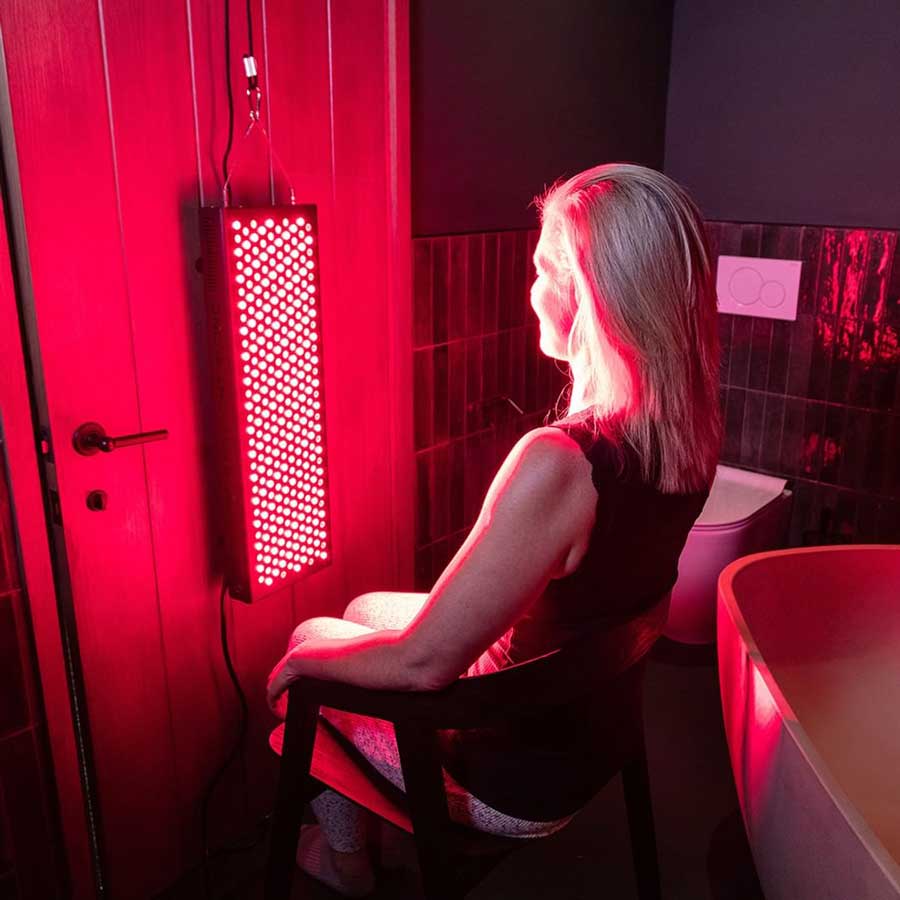
Red light therapy (also called photobiomodulation, PBM) sits squarely in this neuroprotection conversation. The proposed mechanism centers on cytochrome c oxidase, a mitochondrial enzyme that absorbs red and near-infrared light. Photon absorption is theorized to enhance ATP production, reduce oxidative stress, and improve cellular resilience in energy-demanding tissues like the retina .
What the Evidence Shows (and Doesn’t)
A 2026 narrative review in Ophthalmology and Therapy summarized the glaucoma evidence bluntly: preclinical RGC neuroprotection models and one very small combined-intervention human study, with limitations including “lack of adequate controlled human trials” and “uncertain endpoints” . The review assigned glaucoma a clinical applicability rating of investigational only.
This is not a condemnation of the science. It is an accurate description of where the evidence stands. The mechanism is real enough to warrant investigation. The clinical proof does not yet exist.
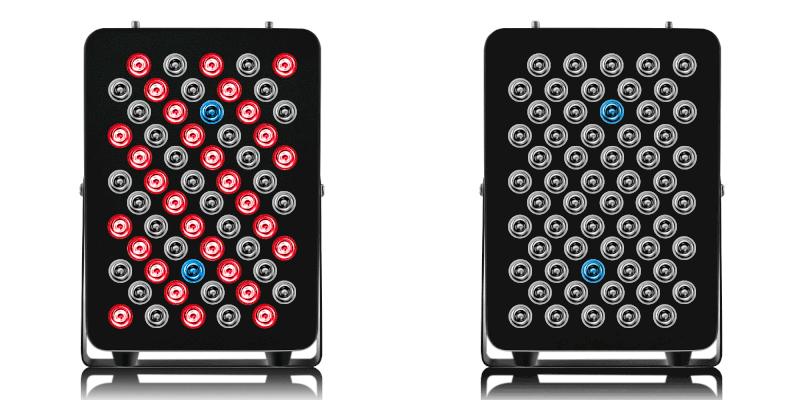
VELLGUS Elite V2
THE #1 RATED RED LIGHT DEVICE
Vellgus Red Light Elite V2 is an incredible way to experience the benefits of multiwave technology spectrum: 480nm 630nm, 660nm, 810nm, 830nm, 850nm. No other red/NIR light device available provides the multi-wave R+| NIR+ spectral output.
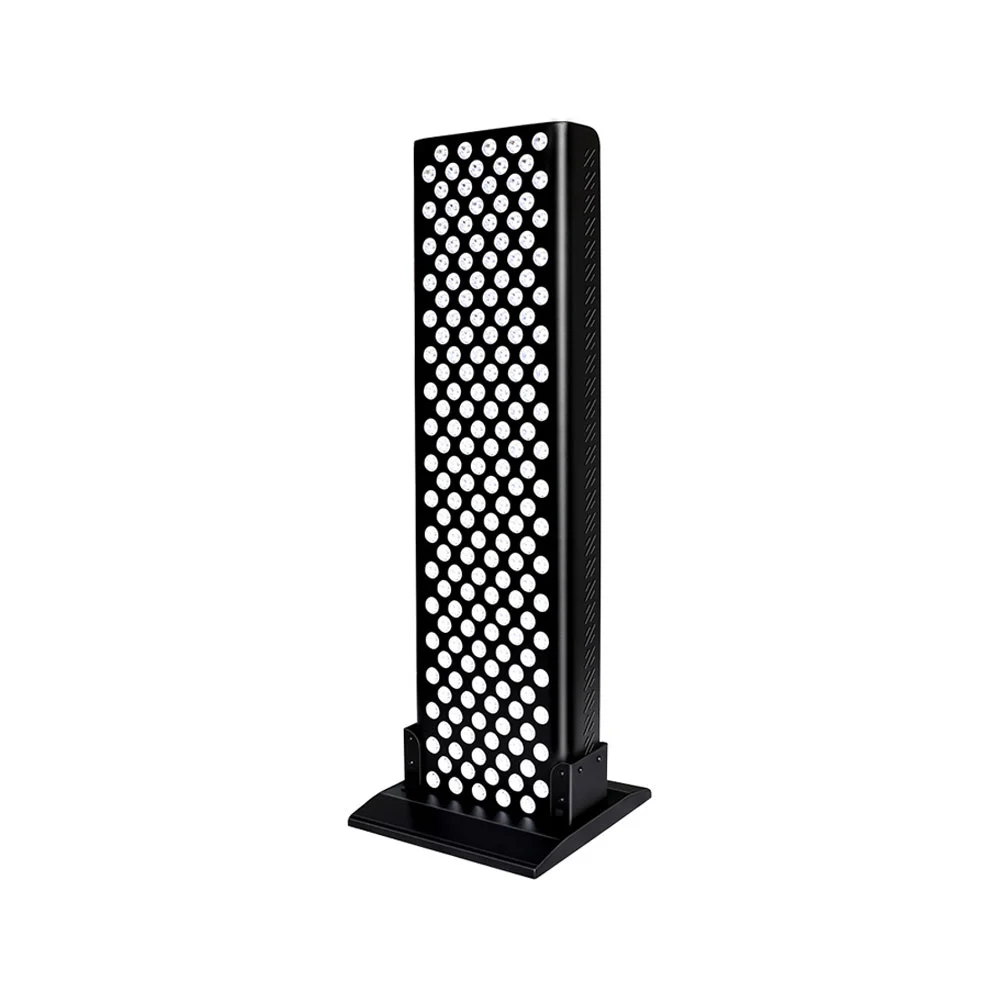
VELLGUS max 300
THE #1 RATED FULL BODY RED LIGHT DEVICE
Upgrade your red light therapy experience and take it to the next level with VELLGUS Red Light Max 300. This device is specifically designed for those wanting a brighter and more intense red light treatment
The Critical Distinction: Neuroprotection ≠ Pressure Control
The single most important fact for any patient considering red light therapy is this: red light does not meaningfully lower intraocular pressure . The only intervention class with randomized controlled trial evidence for slowing glaucoma progression is IOP reduction—whether via drops, laser trabeculoplasty, or surgery.
Even in the best-case scenario—where future trials confirm a neuroprotective effect—red light would function as an adjunct to pressure-lowering therapy, not a replacement. Substituting unproven light therapy for prescribed glaucoma treatment risks irreversible vision loss from a disease that is silent until substantial damage has occurred .
A Safety Consideration Most Articles Miss
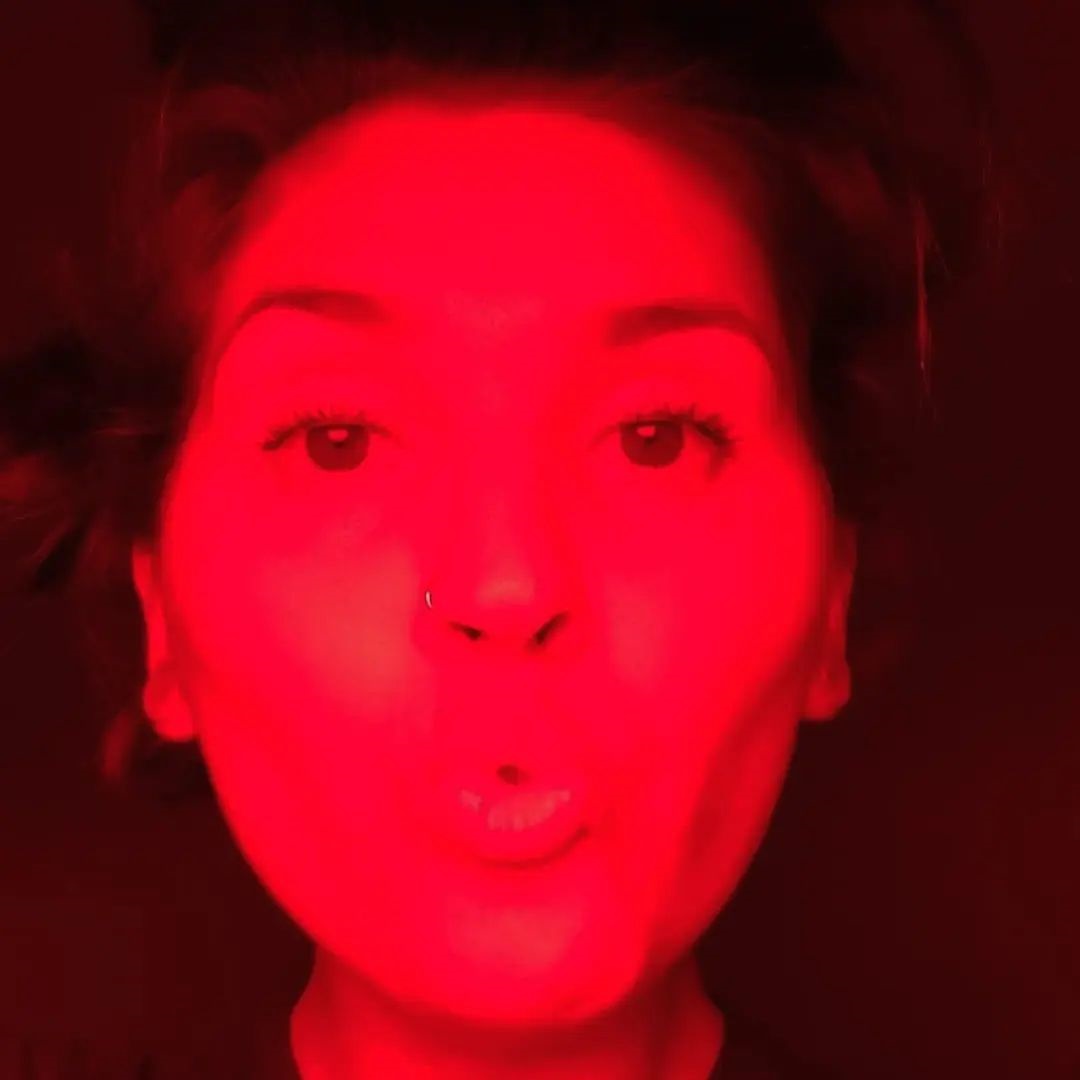
At-home red light masks have become popular for skin rejuvenation. A 2026 case report documented a 43-year-old woman who developed acute bilateral angle-closure glaucoma with ciliochoroidal effusions after two weeks of mask use without eye protection . The proposed mechanism involves red-light-induced vasodilation of the uvea, increasing choroidal perfusion and thickness—an effect documented in myopia research .
The patient recovered fully after stopping the device and receiving medical management. But the case highlights a practical point: if you use a facial red light device, use the provided eye protection, and seek immediate care for eye pain or vision changes during use.
Comparison: Red Light Therapy vs. Established Glaucoma Care
| Parameter | Red Light Therapy (PBM) | Standard Glaucoma Treatment |
|---|---|---|
| Primary mechanism | Proposed mitochondrial enhancement / neuroprotection | IOP reduction (increases outflow or decreases production) |
| Proven to slow progression? | No | Yes (multiple RCTs) |
| Human glaucoma evidence | Preclinical only; no efficacy trials | Extensive Phase III/IV data |
| Effect on IOP | None established | Significant, dose-dependent |
| Regulatory status for glaucoma | Not approved; investigational | FDA-approved medications, devices, procedures |
| Role in management | None established; potential future adjunct | First-line standard of care |
Frequently Asked Questions
Does red light therapy cure glaucoma?
No. There is no cure for glaucoma, and red light therapy has not been shown in any human trial to slow the disease or preserve vision. It does not lower eye pressure, which is the only proven treatment target .
Can red light therapy replace my glaucoma drops or surgery?
Absolutely not. Substituting an unproven therapy for prescribed IOP-lowering treatment risks permanent vision loss. Glaucoma damage is irreversible, and the only evidence-based strategy is pressure control .
Is red light therapy safe for my eyes if I have glaucoma?
The light itself is generally low-risk at appropriate doses, but there is a documented case of angle-closure glaucoma associated with at-home mask use without eye protection . More importantly, the “safety” concern in glaucoma is not the light—it is the risk of false reassurance leading to under-treatment of a sight-threatening disease.
What do eye doctors say about red light therapy for glaucoma?
The peer-reviewed literature classifies it as investigational only . No professional society recommends it for glaucoma. Some ophthalmologists discuss it as a future neuroprotection avenue; none recommend it as current therapy.
Should I try red light therapy if I have glaucoma?
Discuss it with your ophthalmologist first. If you are interested in participating in a clinical trial, ask whether any are recruiting in your area. Do not purchase a consumer device with the expectation that it will treat glaucoma. Maintain every prescribed pressure-lowering treatment and every scheduled follow-up appointment .