 Free Shipping
 Buy Now, Pay Later
 Eligible

Red Light Therapy for Primary Sclerosing Cholangitis (PSC): A Critical Analysis of the Evidence
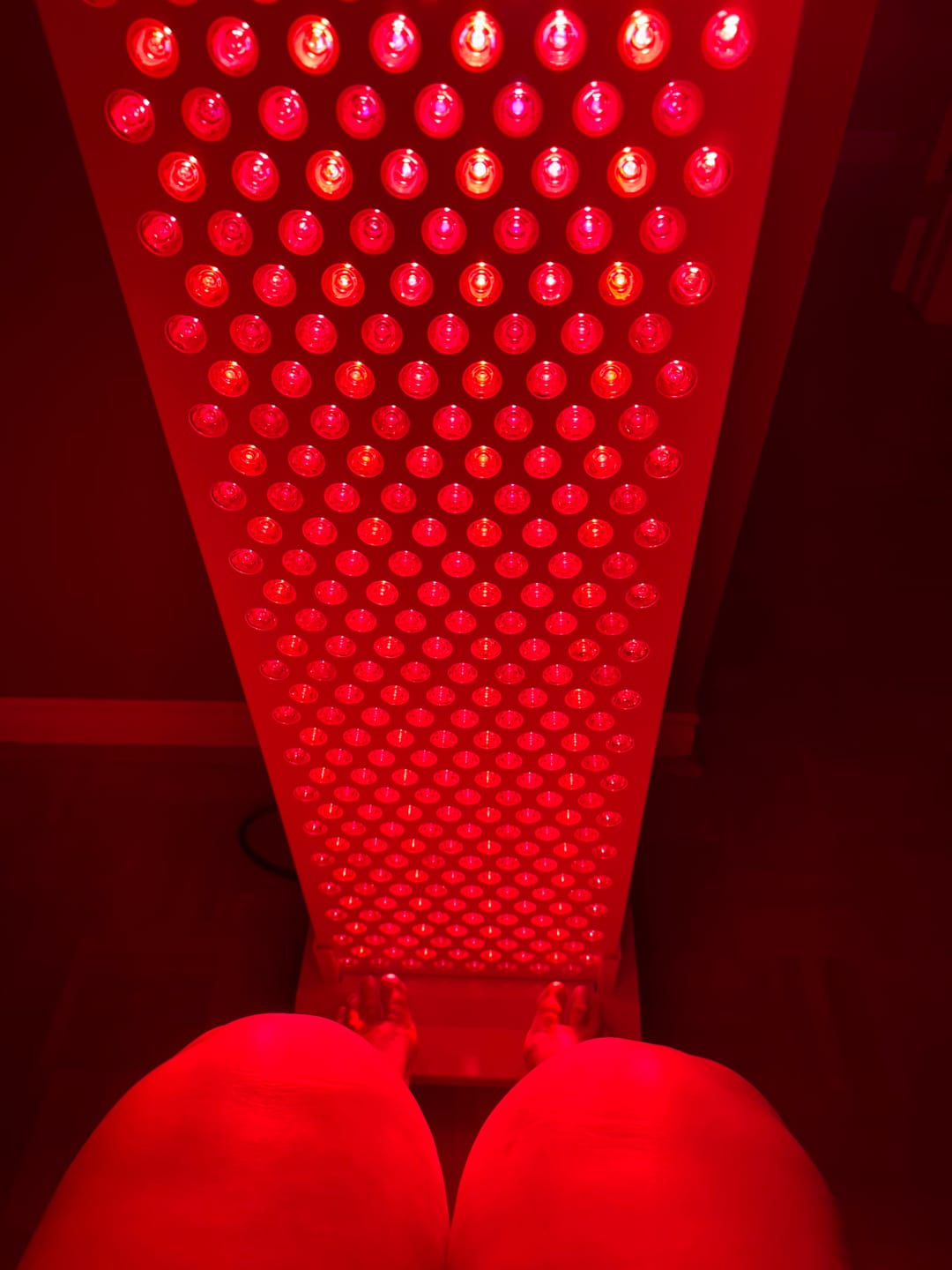
Primary Sclerosing Cholangitis (PSC) is a rare, progressive cholestatic liver disease for which no effective medical therapy currently exists, and liver transplantation remains the only curative option for advanced disease . Given this therapeutic void, patients and clinicians alike are exploring adjunctive and alternative modalities, including red light therapy (also known as photobiomodulation or low-level laser therapy). This article provides a rigorous, evidence-based examination of whether red light therapy holds any legitimate promise for PSC, separating preclinical hope from clinical reality.
Understanding the Target: Why PSC Is Uniquely Challenging
PSC is characterized by inflammation and fibrosis of the intrahepatic and/or extrahepatic bile ducts, leading to multifocal strictures, cholestasis, and eventual cirrhosis . The disease predominantly affects young and middle-aged men and is frequently associated with inflammatory bowel disease .
From a therapeutic standpoint, PSC presents two formidable barriers for any proposed intervention:
- Anatomical Inaccessibility: The bile ducts are deep visceral structures. For a non-invasive light-based therapy to exert direct anti-inflammatory or anti-fibrotic effects on the biliary epithelium, photons would need to penetrate skin, subcutaneous fat, muscle, and liver parenchyma while maintaining sufficient irradiance to elicit a biological response.
- Disease Heterogeneity: The “classic” large-duct PSC visible on cholangiography differs biologically from small-duct variant PSC, and the presence of overlap syndromes (e.g., with autoimmune hepatitis) further complicates any uniform treatment approach
The Mechanistic Rationale: What Preclinical Data Suggest
The theoretical case for red light therapy in liver disease rests on a body of animal and in vitro research demonstrating that photobiomodulation can modulate oxidative stress, inflammation, and fibrogenesis in hepatic tissue.
A 2022 study published in Life Sciences investigated low-level laser therapy (LLLT) in a carbon tetrachloride (CCl4)-induced rat model of liver fibrosis . The researchers reported that LLLT exposure (twice weekly for six weeks) ameliorated histopathological alterations, reduced collagen deposition, and downregulated pro-fibrotic markers including α-SMA and collagen 1A1. Mechanistically, these effects were associated with suppression of NF-κB p65, TNF-α, and TGF-β1, alongside upregulation of the antioxidant pathways PPARγ and Nrf2/HO-1 .
Additional rodent studies have suggested that photobiomodulation may improve hepatic lipid metabolism and reduce lipotoxicity in metabolic liver disease models, though these findings are specific to steatotic liver disease rather than cholestatic disease . Older research from the 1990s indicated that low-intensity infrared laser irradiation could reduce hepatocyte edema and fatty degeneration in experimental hepatitis and cirrhosis models .
Critically, none of these studies employed a PSC model. The CCl4 model produces toxic hepatocellular injury and fibrosis, not the autoimmune, lymphocytic cholangiopathy that defines PSC. Extrapolating from toxic fibrosis to PSC is scientifically tenuous at best.
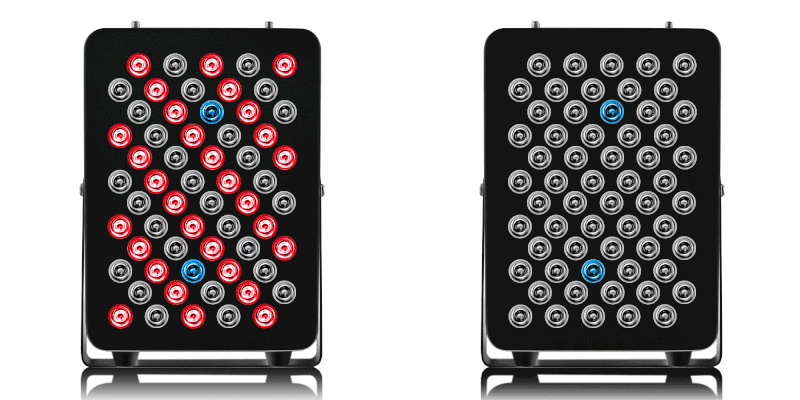
VELLGUS Elite V2
THE #1 RATED RED LIGHT DEVICE
Vellgus Red Light Elite V2 is an incredible way to experience the benefits of multiwave technology spectrum: 480nm 630nm, 660nm, 810nm, 830nm, 850nm. No other red/NIR light device available provides the multi-wave R+| NIR+ spectral output.
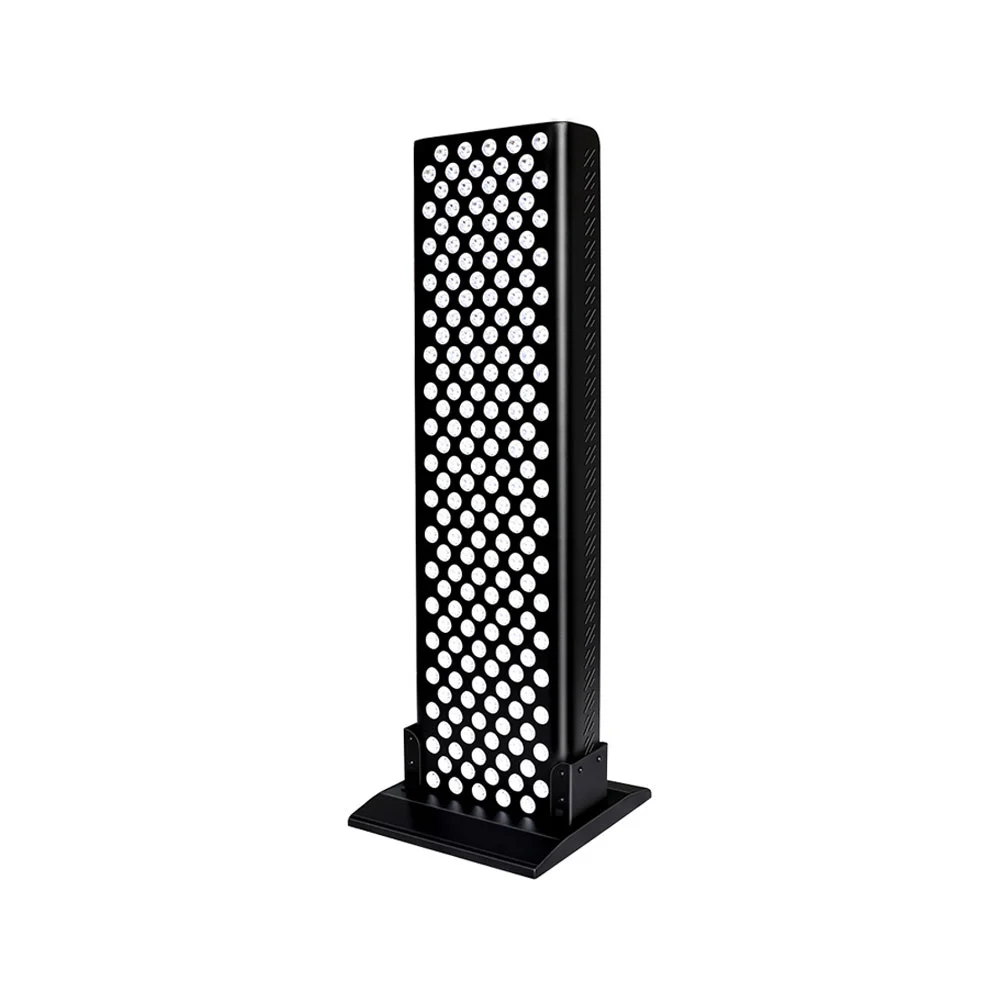
VELLGUS max 300
THE #1 RATED FULL BODY RED LIGHT DEVICE
Upgrade your red light therapy experience and take it to the next level with VELLGUS Red Light Max 300. This device is specifically designed for those wanting a brighter and more intense red light treatment
The Clinical Evidence Gap: What We Do Not Know
A candid assessment reveals a near-total absence of rigorous human data. A search of the peer-reviewed literature yields no randomized controlled trials, no prospective cohort studies, and no published case series in indexed journals examining red light therapy specifically for PSC.
Discussions within the PSC patient community reflect this gap. On the Living with PSC forum, a patient noted that they had “not seen any good study in humans that talks about its impact on liver, leave alone bile duct inflammation,” while acknowledging a related rat study on cirrhosis . This sentiment accurately captures the current state: biological plausibility exists, but clinical validation does not.
One conference presentation from 2014 described eight long-term case studies of PSC patients treated transcutaneously with blue and green LED light in addition to red laser . The author reported improvements in blood values and, in one case, removal from the liver transplant waiting list. However, this report has not been published as a peer-reviewed full paper, lacks a control group, and involves a multi-wavelength protocol in which the contribution of red light alone cannot be isolated. It cannot be considered reliable evidence.
Comparative Analysis: Red Light Therapy vs. Established PSC Management
Sources: PSC clinical management per BMJ Best Practice ; mechanistic data from preclinical photobiomodulation studies .
Practical Considerations for Patients Considering Red Light Therapy
For patients with PSC who may be considering red light therapy as an adjunct, several points warrant emphasis:
Safety and Device Quality: Red light therapy devices sold direct-to-consumer are not regulated as medical treatments for liver disease. Output irradiance, wavelength accuracy, and treatment protocols vary enormously. Sub-therapeutic devices are unlikely to deliver any biologically meaningful dose to the liver, while excessive exposure carries theoretical risks of thermal injury or phototoxic effects, particularly with near-infrared wavelengths .
Opportunity Cost: PSC requires vigilant surveillance for dominant strictures, cholangiocarcinoma, and colorectal cancer (in patients with IBD) . Time and financial resources directed toward unproven therapies may distract from evidence-based monitoring and management.
Clinical Trial Participation: Given the rarity of PSC, well-designed clinical trials are the only pathway to establishing whether any novel therapy—including light-based modalities—has genuine benefit. Patients interested in advancing the field should discuss trial enrollment with their hepatologist rather than self-administering unregulated interventions.
Conclusion: A Promise Not Yet Kept
Red light therapy has a fascinating and growing mechanistic literature in experimental liver injury. The evidence that photobiomodulation can modulate inflammatory and fibrotic pathways in rodent hepatocytes is real but preliminary . However, the translation of these findings to human PSC is blocked by two immovable obstacles: the absence of any PSC-specific preclinical model and the complete lack of clinical data in humans.
For a disease as relentless and unpredictable as PSC, hope must be tempered by rigor. Red light therapy is not, at this time, a validated treatment for PSC. Patients should not substitute it for established surveillance and management, nor should clinicians present it as a viable option outside the context of a formal clinical trial. The appropriate stance is neither dismissal nor endorsement, but rather a clear-eyed acknowledgment that the evidence does not yet exist.
Frequently Asked Questions
1. Can red light therapy cure or slow the progression of PSC?
There is no evidence that red light therapy can cure, slow, or reverse PSC in humans. No clinical trials have been conducted. The available data come from animal models of toxic liver injury, not PSC, and cannot be extrapolated to human cholestatic disease .
2. Has red light therapy been studied specifically in PSC patients?
No peer-reviewed clinical studies have been published. A 2014 conference presentation described eight case studies using a multi-wavelength light protocol (including red laser), but this does not constitute reliable evidence of efficacy and has not been replicated or peer-reviewed .
3. Can red light actually penetrate deeply enough to reach the bile ducts?
This is a significant unresolved question. The bile ducts are deep visceral structures. While near-infrared wavelengths have greater tissue penetration than visible red light, whether any non-invasive light device can deliver a therapeutic dose to the biliary epithelium while maintaining safety is unknown and widely doubted by researchers in the field .
4. Is red light therapy safe for someone with PSC?
The general safety profile of low-level light therapy is favorable when used appropriately, but no safety data exist specifically for PSC patients. Of greater concern is the risk of delaying or replacing evidence-based management—including regular MRCP, colonoscopy (if IBD is present), and liver function monitoring—with an unproven therapy . Patients should discuss any adjunctive therapy with their hepatologist.
5. What should I do if I want to try red light therapy for my PSC?
First, speak with your hepatologist. Ask whether any clinical trials are recruiting and whether there are theoretical concerns specific to your disease stage. If you choose to use a commercial device, do so only as a supplement—never a replacement—to your prescribed care. Be skeptical of marketing claims that cite animal studies as proof of human benefit. The responsible path for advancing this field is through participation in well-designed clinical research, not through self-treatment with unregulated devices.