 Free Shipping
 Buy Now, Pay Later
 Eligible

Red Light Therapy for Wilson’s Disease: A Critical Look at the Evidence and Safety Considerations
Important Medical Disclaimer: Wilson’s disease is a serious, life-threatening genetic disorder requiring lifelong, specialized medical management. Red light therapy is not a treatment for Wilson’s disease, nor can it replace chelating agents, zinc therapy, or dietary management. The following analysis explores the theoretical mechanisms and safety profile of red light therapy as a potential adjunctive wellness modality for symptom management, not as a primary treatment.
Understanding Wilson’s Disease: The Copper Overload Crisis
Wilson’s disease is an autosomal recessive disorder caused by mutations in the ATP7B gene, leading to impaired copper transport and subsequent toxic accumulation in the liver, brain, and other organs. Without treatment, it progresses to hepatic failure or severe neurological disability. Current standard-of-care relies on chelating agents (penicillamine, trientine) to remove excess copper and zinc salts to block intestinal absorption.
The clinical challenge is significant: neurological deterioration occurs in approximately 21.8% of patients with initial neurological symptoms, often paradoxical worsening upon treatment initiation. This reality underscores why patients and caregivers frequently seek adjunctive approaches—and why red light therapy has entered the conversation.
The Scientific Rationale: Why Photobiomodulation Is Being Investigated
Red light therapy, or photobiomodulation (PBM), utilizes low-level red and near-infrared light to interact with mitochondrial chromophores, particularly cytochrome c oxidase. This interaction enhances cellular bioenergetics and modulates oxidative stress—a mechanism of particular interest in Wilson’s disease, where copper-induced oxidative damage drives much of the pathology.
Dr. Marjorie Dole, in a 2026 review published in International Review of Neurobiology, noted that transcranial photobiomodulation’s “double action—both on neuronal function and at a more systemic level, particularly on neuroinflammation—is a particular strength” compared to other neurostimulation methods. For Wilson’s disease patients with neurological involvement, this anti-inflammatory and neuromodulatory potential is theoretically attractive.
However, no published clinical trials have specifically evaluated red light therapy in Wilson’s disease patients. The evidence base consists entirely of mechanistic studies in other conditions and must be extrapolated with extreme caution.
What the Research Actually Shows: Adjacent Evidence
The critical gap: These are in vitro and animal model findings. They demonstrate biological plausibility, not clinical efficacy in Wilson’s disease.
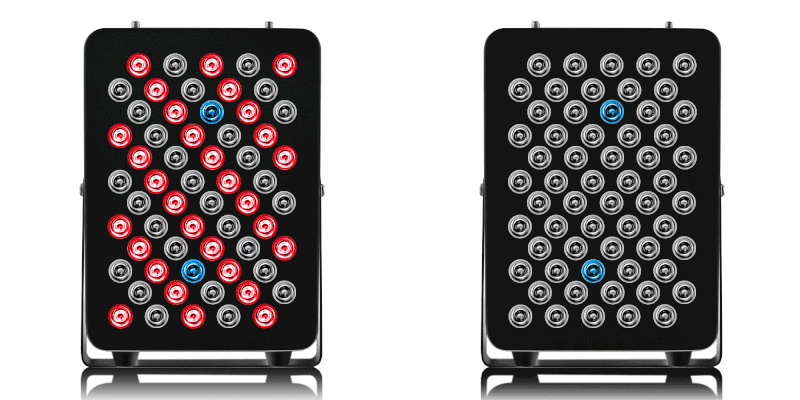
VELLGUS Elite V2
THE #1 RATED RED LIGHT DEVICE
Vellgus Red Light Elite V2 is an incredible way to experience the benefits of multiwave technology spectrum: 480nm 630nm, 660nm, 810nm, 830nm, 850nm. No other red/NIR light device available provides the multi-wave R+| NIR+ spectral output.
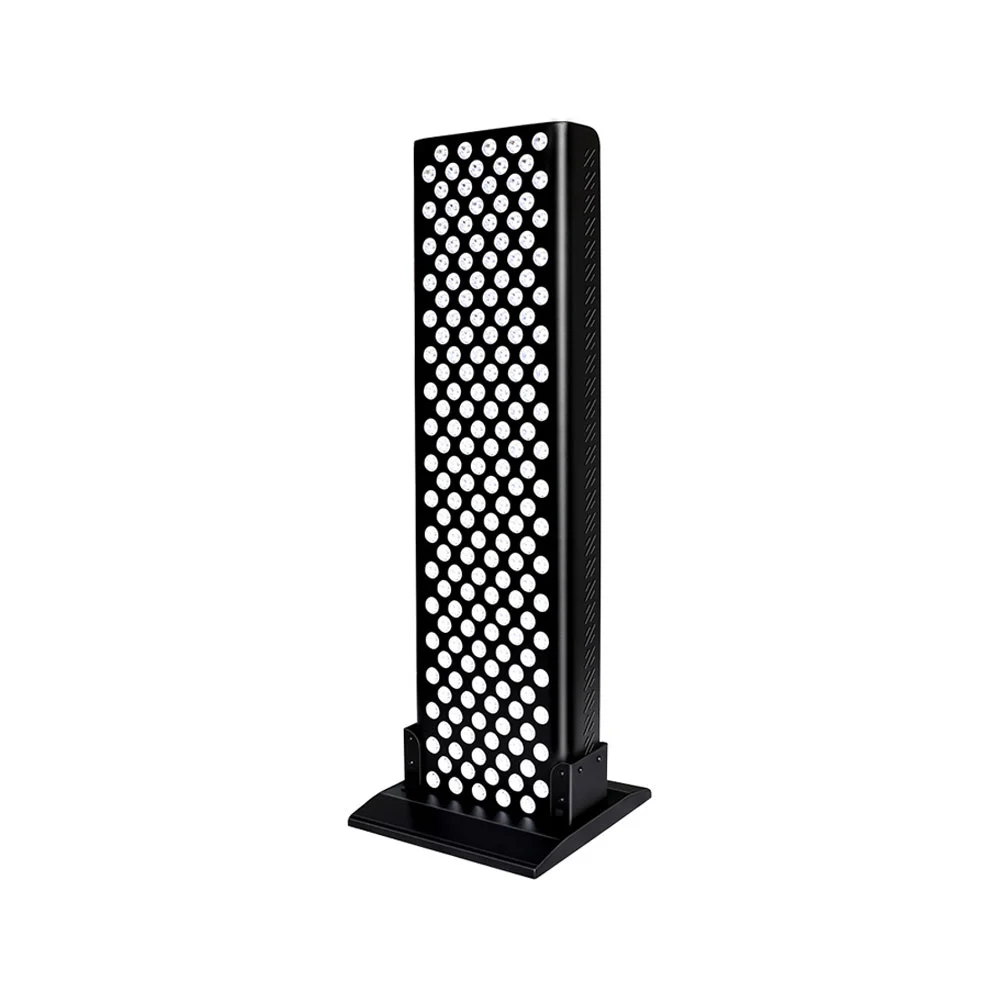
VELLGUS max 300
THE #1 RATED FULL BODY RED LIGHT DEVICE
Upgrade your red light therapy experience and take it to the next level with VELLGUS Red Light Max 300. This device is specifically designed for those wanting a brighter and more intense red light treatment
Safety Profile: What Wilson’s Disease Patients Must Know
Red light therapy is generally well-tolerated when used appropriately. The UPMC HealthBeat notes that side effects are typically mild—skin redness, irritation, or dryness—and eye protection is essential. However, specific considerations for Wilson’s disease patients warrant attention:
Absolute Contraindications and Cautions
Dr. Praveen Arany (cited in Verywell Health) advises that individuals with current cancer, lupus, epilepsy, or those taking light-sensitizing medications should avoid red light therapy. Given that penicillamine—a first-line Wilson’s therapy—can cause photosensitivity, this is a clinically relevant caution.
Comparison: Standard Wilson’s Disease Treatments vs. Red Light Therapy
The Neurological Dimension: Where PBM Might Fit (Theoretically)
The EASL-ERN guidelines highlight that neurological worsening occurs most frequently with D-penicillamine (70.5%) compared to trientine (14.2%) or zinc (6.9%). For patients experiencing neurological deterioration, options are limited. Zinc salts demonstrated a pooled improvement rate of 80.2% in neurological Wilson’s disease, compared to 56.3% for D-penicillamine.
Could PBM offer adjunctive neuromodulation? Theoretically, yes. Transcranial PBM has been explored for other neurological conditions, with researchers emphasizing the need for standardized dosing and light propagation modeling. But for Wilson’s disease specifically, no protocol exists, no safety data has been published, and no clinician should recommend it as a substitute for proven therapy.
Practical Guidance for Patients Considering Red Light Therapy
If a Wilson’s disease patient wishes to explore red light therapy for general wellness or symptom support:
- Obtain explicit approval from your hepatologist and neurologist. They understand your copper status, medication regimen, and neurological baseline.
- Review all medications for photosensitivity. Penicillamine, in particular, warrants caution.
- Use FDA-cleared devices only. The FDA-listed designation indicates the device has been reviewed for safety.
- Protect your eyes. Never use red light therapy without appropriate protective eyewear.
- Start conservatively. Shorter sessions (5–10 minutes) at lower intensities allow assessment of skin tolerance.
- Document any changes. If you notice increased skin sensitivity, neurological changes, or any adverse effect, discontinue and notify your physician immediately.
Frequently Asked Questions
1. Can red light therapy cure Wilson’s disease or replace my medications?
No. Wilson’s disease is a genetic disorder of copper metabolism that requires lifelong chelation or zinc therapy. Red light therapy cannot remove copper from your body or correct the underlying ATP7B defect. Stopping prescribed treatment can cause acute liver failure. Red light therapy should never be used as a substitute for evidence-based medical care.
2. Has red light therapy been studied specifically in Wilson’s disease patients?
No. As of the current literature, there are no published clinical trials, case reports, or safety studies evaluating red light therapy in Wilson’s disease. Any claims about its benefits for this condition are extrapolations from research in other diseases and must be treated with substantial skepticism.
3. Is red light therapy safe for someone taking penicillamine?
Caution is advised. Penicillamine is associated with photosensitivity reactions. While red light therapy uses specific wavelengths rather than broad-spectrum UV, the interaction has not been studied. Patients should consult their prescribing physician before use and consider a patch test on a small area of skin.
4. Could red light therapy help with neurological symptoms of Wilson’s disease?
Theoretically possible, but unproven. Transcranial photobiomodulation has shown promise for neuroinflammation in other conditions, and neuroinflammation is a component of neurological Wilson’s disease. However, without clinical evidence, no physician should recommend it for this purpose. Neurological symptoms require careful management with proven therapies under specialist supervision.
5. What should I do if I want to try red light therapy alongside my Wilson’s disease treatment?
Speak with your treating physician first. Bring the device specifications, your medication list, and any questions to your hepatologist or neurologist. They can assess whether any contraindications exist (such as photosensitivity or implanted devices) and monitor for any changes. Do not adjust your copper-management therapy based on red light therapy use.
Bottom Line: Red light therapy remains an investigational modality with biological plausibility for oxidative stress and neuroinflammation—both relevant to Wilson’s disease pathology. However, the absence of direct clinical evidence means it cannot be recommended as a standard adjunctive therapy. Patients should prioritize proven copper-management strategies and discuss any complementary approaches openly with their specialist care team.