 Free Shipping
  Buy Now, Pay Later
  Eligible

Does Red Light Therapy Help with Swimmer’s Ear (Otitis Externa)?

Swimmer’s ear, medically known as acute otitis externa, is a painful infection of the ear canal that affects millions of people annually, particularly those who spend time in the water. While conventional treatments like antibiotic ear drops remain the standard of care, a growing body of research suggests that red light therapy may offer a valuable adjunctive approach to managing this condition.
This article examines the current evidence on red light therapy for swimmer’s ear, explores its mechanisms of action, and provides a balanced assessment of its role in treatment protocols.
What Is Swimmer’s Ear (Otitis Externa)?
Acute otitis externa is an infection of the ear canal—the tube connecting the outer ear to the eardrum. According to the MSD Manual, the condition is typically caused by bacteria such as Pseudomonas aeruginosa or Staphylococcus aureus, though fungal infections may also occur.
Key risk factors include:
- Water exposure, particularly swimming (hence “swimmer’s ear”)
- Use of cotton swabs that irritate the ear canal
- Hearing aid or earplug use
- Skin conditions like eczema or psoriasis
- Getting irritants such as hair spray into the ear
Common symptoms include:
- Ear pain, especially when tugging the outer ear
- Redness and swelling of the ear canal
- White or yellow discharge with an unpleasant odor
- Itching (more common in fungal infections)
- Temporary hearing impairment if the canal becomes swollen or blocked
Standard treatment typically involves thorough cleaning of the ear canal, topical antibiotic or antifungal drops, corticosteroids to reduce inflammation, and analgesics for pain. Keeping the ear dry during treatment is essential.
What Is Red Light Therapy (Photobiomodulation)?
Red light therapy, scientifically termed photobiomodulation (PBM) , involves exposing tissue to specific wavelengths of red or near-infrared light. Unlike ultraviolet light, which can damage DNA and cause skin cancer, red light therapy operates at wavelengths that are generally considered safe and non-carcinogenic.
The therapy works through a process where light energy is absorbed by cellular photoreceptors, particularly in the mitochondria, stimulating cellular repair, reducing inflammation, and promoting healing. The Chinese Expert Consensus on Photobiomodulation Therapy (2025) notes that PBM has demonstrated safety and efficacy across multiple dermatological and inflammatory conditions.
Dr. Reynolds, writing for Harvard Health, emphasizes that while red light therapy is generally safe, the optimal dosing for various conditions remains an area of ongoing research. She recommends looking for FDA-cleared devices and using protective eyewear.
The Evidence: Red Light Therapy for Ear Inflammation and Infection
Human Clinical Evidence
A 2026 study published in Modern Health Preservation examined the effects of ozone ear therapy combined with red light irradiation in 90 patients with external otitis. The researchers found that the combination approach, when paired with evidence-based nursing, improved symptom relief, hearing recovery, and patient satisfaction compared to control interventions. This represents one of the few direct human studies examining red light therapy specifically for external ear canal inflammation.
Veterinary Evidence: A Proxy for Understanding Efficacy
The most robust clinical evidence for photobiomodulation in otitis externa comes from veterinary medicine, where canine models have provided controlled trial data that informs our understanding of the therapy’s potential.
Randomized Controlled Trial (2020): LED-Illuminated Gel
A landmark randomized controlled trial published in BMC Veterinary Research assessed a topical LED-illuminated gel (LIG) in dogs with spontaneous otitis externa. Twenty-one dogs received LIG once weekly, 23 received it twice weekly, and 20 received standard antibiotic therapy (enrofloxacin and silver sulfadiazine) twice daily.
Results demonstrated:
- All groups showed improvement across clinical, cytological, and bacteriological assessments
- The twice-weekly LIG group achieved the highest clinical score reduction, reaching clinically relevant improvement by the third evaluation point
- The standard antibiotic group did not reach the clinically relevant effect threshold during the study period
- No differences were observed between groups in reducing bacterial colony-forming units
The study authors concluded that LIG “seems to be effective in controlling the clinical condition, including the signs of inflammation and local pain, the bacterial growth, and it may help increasing treatment compliance”.
Prospective Multicenter Pilot Study (2026)
A more recent prospective multicenter study evaluated dual-near-infrared-wavelength PBM therapy in 22 dogs (38 ears) with otitis externa. Following five PBM sessions, researchers observed:
- Median pruritus scores decreased from 5.5 to 2.0 on a 10 cm visual analogue scale
- Malodour prevalence declined from 94% to 54%
- Reductions in yeast and keratinocyte cytological scores
- No adverse events reporte
Adjunctive Applications: Post-Surgical Pain Management
While not directly treating otitis externa, a 2026 study examined PBM’s effects on chronic post-surgical pain after tympanomastoidectomy (ear surgery). The PBM group demonstrated significantly lower pain scores at session 5, one month, and three months post-treatment compared to controls, with large effect sizes. This suggests potential utility for managing ear-related pain, though further research is needed for acute otitis externa specifically.
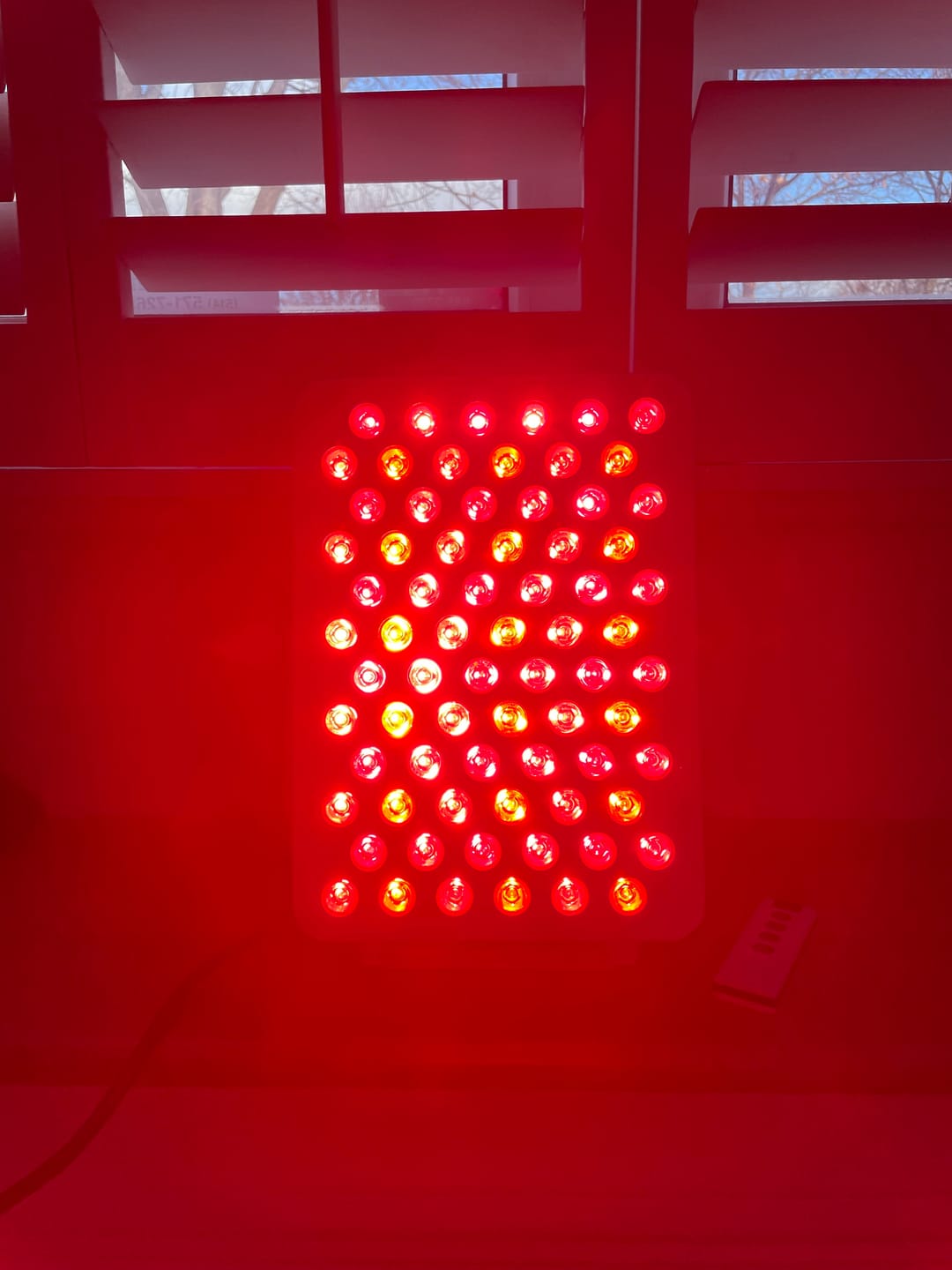
VELLGUS Elite V2
THE #1 RATED RED LIGHT DEVICE
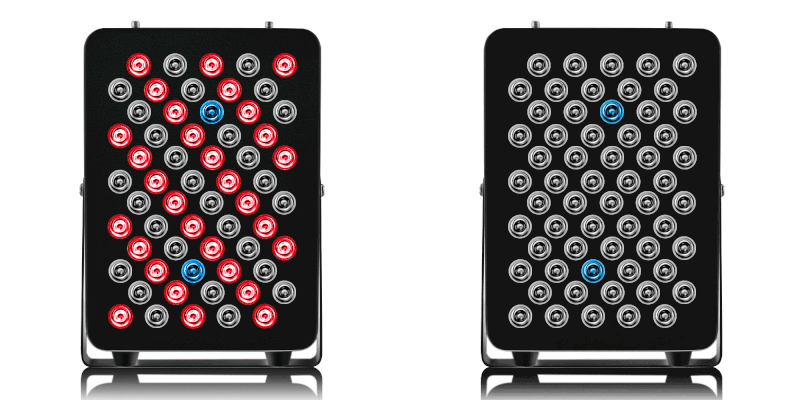
Vellgus Red Light Elite V2 is an incredible way to experience the benefits of multiwave technology spectrum: 480nm 630nm, 660nm, 810nm, 830nm, 850nm. No other red/NIR light device available provides the multi-wave R+| NIR+ spectral output.
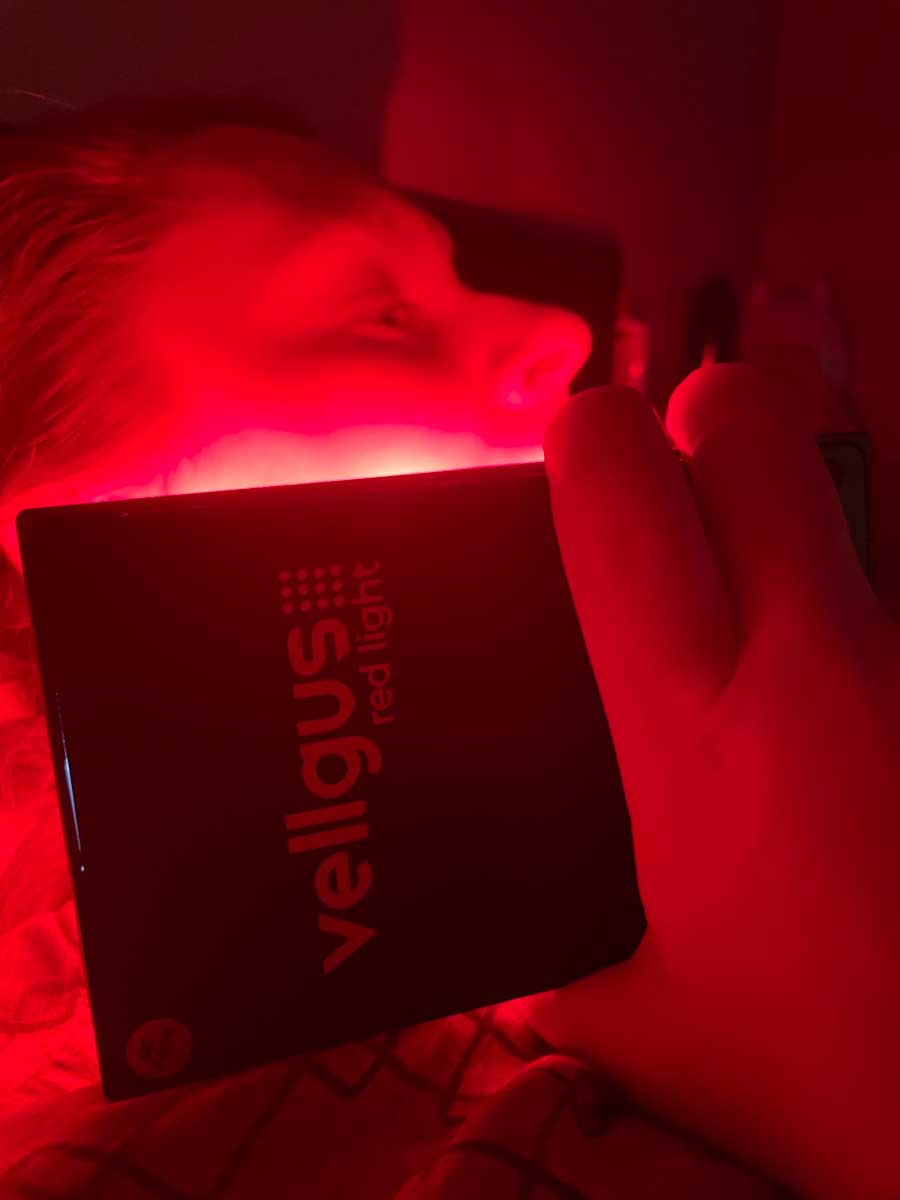
VELLGUS mini
THE #1 RATED FULL BODY RED LIGHT DEVICE
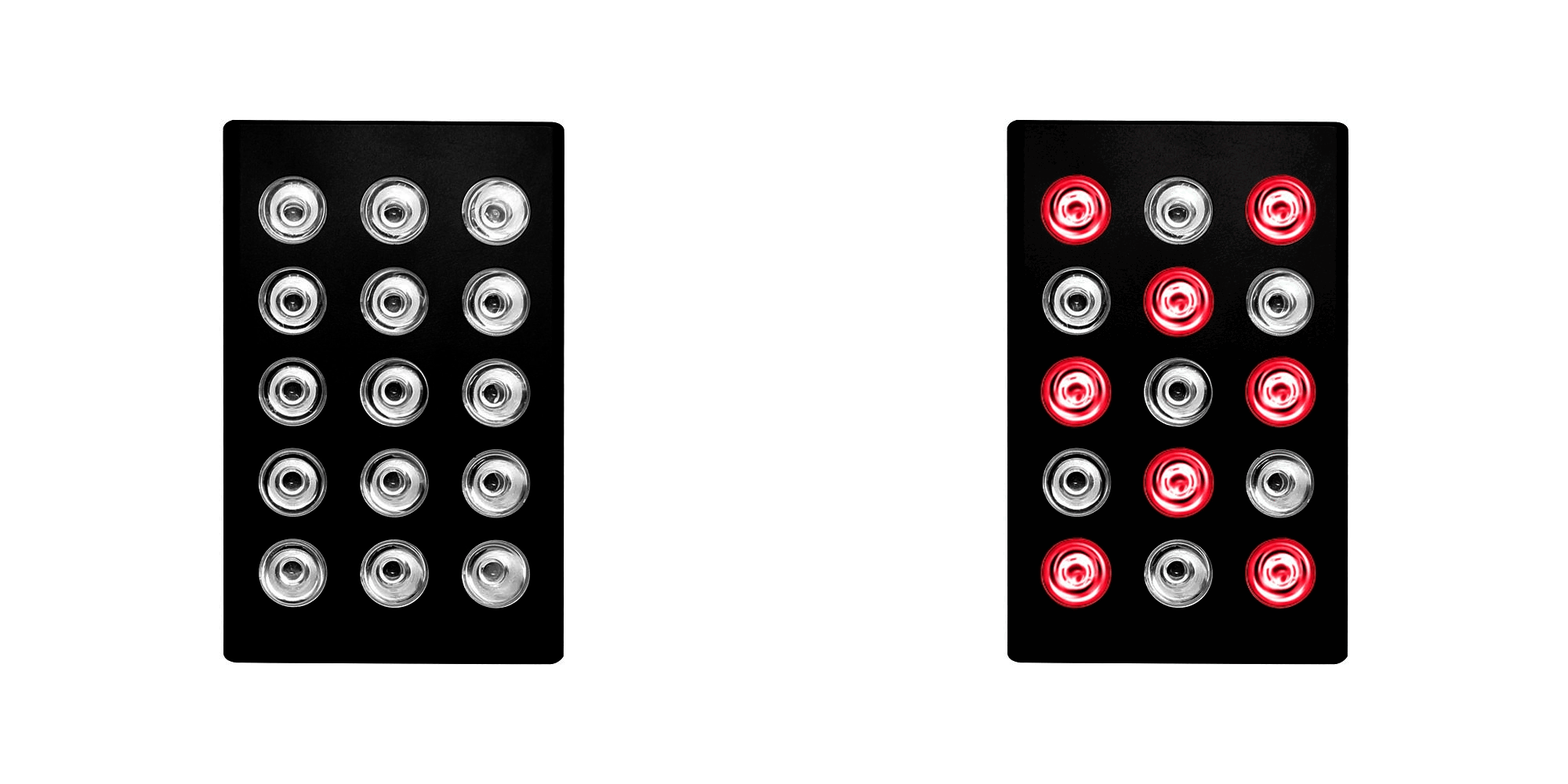
The Vellgus red light mini is the ultimate combination of power and portability. Its low EMF, no flicker dual NIR and red-Light therapy device offers the perfect blend of near infrared light at 850nm and red light at 660nm in one package.
Comparison: Red Light Therapy vs. Standard Treatments
| Feature | Red Light Therapy (PBM) | Topical Antibiotics | Topical Corticosteroids |
|---|---|---|---|
| Primary mechanism | Cellular repair, anti-inflammatory, potential antimicrobial | Bactericidal/bacteriostatic | Anti-inflammatory |
| Evidence for otitis externa | Emerging (veterinary RCTs, limited human data) | Well-established | Well-established |
| Typical protocol | 5-10 minute sessions, varying frequency | 7-10 days, multiple daily doses | 5-7 days, multiple daily doses |
| Key advantage | Non-invasive, no risk of antibiotic resistance, potential pain relief | Direct antimicrobial action | Rapid inflammation reduction |
| Limitations | Limited human clinical trials; optimal parameters undefined | Resistance concerns; compliance challenges | No antimicrobial action; not for fungal infections |
| Safety considerations | Generally safe; eye protection essential; avoid in light-sensitive conditions | Ototoxic risk if eardrum perforated (neomycin); allergic reactions possible | Prolonged use may cause skin atrophy |
Important note: Current medical guidelines do not list red light therapy as a primary treatment for acute otitis externa. The MSD Manual and Merck Manual recommend topical antimicrobials and corticosteroids as first-line therapy. Red light therapy should be considered an adjunctive or preventive approach, not a replacement for evidence-based medical care.
How Red Light Therapy May Help with Swimmer’s Ear
Based on the available evidence, red light therapy may benefit individuals with otitis externa through several mechanisms:
1. Reduction of Inflammation and Pain
PBM has demonstrated consistent anti-inflammatory effects across multiple tissue types. The veterinary trials showing reduced pruritus and pain scores suggest similar benefits may apply to human ear canal inflammation.
2. Potential Antimicrobial Effects
Research on blue light (405 nm) has shown bactericidal effects against Pseudomonas aeruginosa isolated from ear infections, including antibiotic-resistant strains. While blue light and red light operate at different wavelengths and mechanisms, this suggests that light-based therapies may have a role in managing bacterial ear infections. Red light therapy specifically appears to enhance healing and reduce bacterial loads indirectly through immune modulation, though it does not appear to directly kill bacteria as effectively as blue light.
3. Support for Healing and Tissue Repair
The LED-illuminated gel study noted improvements in cytological scores, suggesting that photobiomodulation supports the restoration of healthy ear canal tissue.
4. Prevention Applications
Some consumer devices combine red light therapy with gentle warm air to dry the ear canal after swimming or showering. The rationale is that by reducing moisture and stimulating skin repair, the risk of infection may be lowered. While clinical evidence for prevention is limited, this approach aligns with the established principle that keeping the ear canal dry is essential for preventing swimmer’s ear.
Safety Considerations
Red light therapy is generally well-tolerated when used appropriately. The Chinese Expert Consensus on PBM (2025) identifies the following precautions:
- Eye protection is essential—direct exposure to the retina can cause damage
- Caution in dark skin types (Fitzpatrick V-VI) —increased risk of hyperpigmentation; start with lower doses
- Avoid in photosensitive conditions or when taking photosensitizing medications
- Not for use over malignancies
- Relative contraindications include pregnancy, photosensitive disorders, and certain skin conditions
Harvard Health advises that individuals with darker skin tones should consult a dermatologist before use, as visible light can trigger hyperpigmentation in some cases.
For ear canal application specifically, the tympanic membrane (eardrum) status should be confirmed intact before inserting any device or applying any topical agent. If the eardrum is perforated, light therapy directed into the canal may carry unknown risks, and standard medical evaluation is essential.
Frequently Asked Questions
1. Can red light therapy cure swimmer’s ear on its own?
No. Current evidence does not support red light therapy as a standalone cure for acute otitis externa. The standard of care remains topical antibiotic or antifungal drops, often combined with corticosteroids and thorough ear canal cleaning. Red light therapy may serve as a complementary treatment to reduce inflammation and support healing, but it should not replace prescribed medical therapy.
2. Is red light therapy safe for the ear canal?
Red light therapy is generally considered safe when used appropriately, but the ear canal is a sensitive area. Key precautions include ensuring the eardrum is intact, using FDA-cleared devices, protecting the eyes from stray light, and avoiding use if you have light-sensitive conditions or are taking photosensitizing medications. Consult a healthcare provider before applying any light therapy device to the ear canal.
3. How does red light therapy compare to antibiotic ear drops?
Antibiotic ear drops have decades of clinical evidence supporting their efficacy for bacterial otitis externa and remain the first-line treatment. Red light therapy has emerging evidence—primarily from veterinary randomized controlled trials—suggesting it may reduce inflammation and pain. The two approaches are not mutually exclusive; some research suggests combining photobiomodulation with standard therapy may offer additive benefits.
4. How many red light therapy sessions are needed for ear inflammation?
Optimal treatment parameters for otitis externa have not been established in human clinical trials. Veterinary protocols have used five sessions over several weeks, while the LED-gel study found twice-weekly application most effective. Any treatment protocol should be developed in consultation with a healthcare provider, and improvement should be monitored clinically.
5. Can red light therapy prevent swimmer’s ear?
Some consumer devices combine red light therapy with warm air drying to reduce moisture after swimming, which may help lower infection risk. However, the most evidence-based prevention strategies remain: keeping ears dry, using alcohol-vinegar drops after swimming (if eardrum is intact), avoiding cotton swabs, and properly cleaning hearing aids and earplugs. Red light therapy’s preventive role is plausible but not yet proven in controlled studies.
Summary
Red light therapy (photobiomodulation) represents a promising adjunctive approach for managing swimmer’s ear, with evidence from veterinary randomized controlled trials demonstrating reductions in inflammation, pain, and clinical severity scores. Limited human data supports its use in combination with standard therapies for external otitis.
However, red light therapy is not a replacement for evidence-based medical treatment. Anyone experiencing symptoms of otitis externa should seek medical evaluation, as untreated or improperly treated ear infections can lead to complications including malignant external otitis in severe cases.
If you are considering red light therapy as part of your ear care regimen, consult a healthcare provider—particularly an otolaryngologist or dermatologist—to discuss whether it is appropriate for your specific situation and how to integrate it safely with conventional treatment.