 Free Shipping
 Buy Now, Pay Later
 Eligible

Does Red Light Therapy Help with Tinea Versicolor? A Clinical Review for Practitioners and Informed Consumers
Direct Answer: Current evidence does not support red light therapy as a standalone, clinically proven treatment for tinea versicolor (pityriasis versicolor). The available in vitro data on light-based inhibition of Malassezia yeasts predominantly involve blue-violet wavelengths (380–410 nm), not the 630–660 nm range typical of red light therapy devices . While red light therapy offers well-documented benefits for skin barrier recovery, inflammation, and post-inflammatory hyperpigmentation—concerns relevant to the cosmetic aftermath of tinea versicolor—it should not be positioned as an antifungal monotherapy. Patients should be counseled that standard topical or oral antifungals remain the standard of care, and red light may serve only as an adjunctive cosmetic recovery tool once the infection is eradicated.
Understanding Tinea Versicolor: The Clinical Target
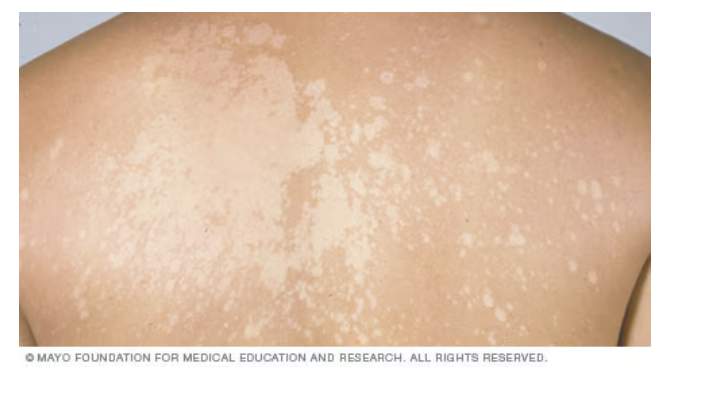
Tinea versicolor, more precisely termed pityriasis versicolor, is a superficial fungal infection of the stratum corneum caused by the dimorphic yeast Malassezia (most commonly M. globosa and M. furfur) . The condition is characterized by hypo- or hyperpigmented coalescing macules, typically on the trunk and upper arms, and is particularly prevalent in humid climates and among adolescents and young adults with oily skin .
The clinical challenge is twofold. First, the yeast itself must be eradicated. Second, the pigmentary alterations—whether hypopigmentation or hyperpigmentation—often persist for weeks to months after mycological cure, creating significant cosmetic distress . This distinction is critical when evaluating any light-based modality: a device that improves pigmentation does not necessarily treat the underlying infection, and vice versa.
Standard treatment guidelines recommend topical agents such as selenium sulfide, zinc pyrithione, or azole-class antifungals for limited disease, with systemic azoles reserved for extensive or recalcitrant cases . Recurrence is common, and prophylaxis is frequently required.
The Wavelength Problem: Why “Red Light” Is Not the Same as “Antifungal Light”
The peer-reviewed literature on photobiomodulation for Malassezia reveals a consistent pattern: the antifungal effects observed in vitro are attributable to shorter wavelengths in the blue-violet spectrum, not red.
A 2025 experimental study from the Escola Bahiana de Medicina e Saúde Pública evaluated the effect of 410 nm ± 10 nm LEDs on Malassezia restricta colonies. The investigators reported a reduction in colony quantity, indicating a possible inhibitory effect on yeast growth . Critically, the same research group’s broader review of the literature noted that previous studies using LEDs between 370 and 415 nm demonstrated fungicidal effects on M. furfur, M. sympodialis, and M. globosa, with the most relevant inhibitory effect observed in the 380–390 nm range—and explicitly no positive response at 410 nm in some prior protocols .
Red light therapy, by contrast, typically employs wavelengths in the 630–660 nm range (or occasionally 830 nm in the near-infrared). A 2024 in vitro study examining red light at 645 nm in a keratinocyte model found no significant change in cell proliferation with red light alone and noted that red light’s primary utility in antifungal contexts appears to be as a photosensitizer activator in antimicrobial photodynamic therapy (aPDT), not as a direct antifungal agent . In other words, red light without an exogenous photosensitizer has not demonstrated meaningful direct activity against Malassezia.
What Red Light Therapy Can Do for the Tinea Versicolor Patient
While the antifungal evidence is absent, red light therapy has legitimate—and clinically relevant—applications for the sequelae of tinea versicolor.
Post-Inflammatory Hyperpigmentation and Erythema
The pigmentary changes that persist after successful antifungal treatment are a primary source of patient dissatisfaction. A 2025 pilot study published in Photodermatology, Photoimmunology & Photomedicine evaluated medical LED therapy at 830 nm and 590 nm for post-inflammatory erythema (PIE) and post-inflammatory hyperpigmentation (PIH). The investigators found that 830 nm LED (near-infrared, adjacent to the red spectrum) significantly reduced both erythema and melanin indices compared to controls, and that both 830 nm and 590 nm LEDs demonstrated preventive effects when applied before UVB-induced pigmentation .
This is the appropriate clinical niche for red light therapy in the tinea versicolor context: not to kill the yeast, but to accelerate the resolution of the cosmetic aftermath once the infection has been addressed with proven antifungals. Practitioners should set explicit expectations: red light will not prevent recurrence, will not eradicate Malassezia, and should not delay or replace antifungal therapy.
Skin Barrier and Inflammation Modulation
Photobiomodulation has demonstrated efficacy in reducing transepidermal water loss and modulating inflammatory responses in compromised skin . For patients with concomitant seborrheic dermatitis—a common co-occurrence with Malassezia-related conditions—red light’s anti-inflammatory properties may offer symptomatic relief, though this is supportive rather than curative.
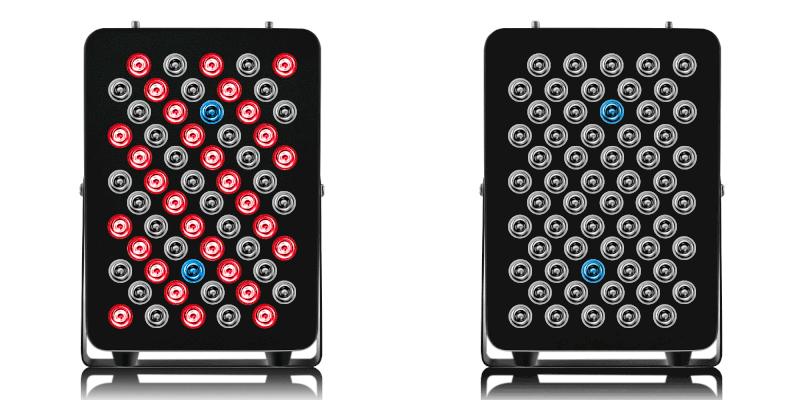
VELLGUS Elite V2
THE #1 RATED RED LIGHT DEVICE
Vellgus Red Light Elite V2 is an incredible way to experience the benefits of multiwave technology spectrum: 480nm 630nm, 660nm, 810nm, 830nm, 850nm. No other red/NIR light device available provides the multi-wave R+| NIR+ spectral output.
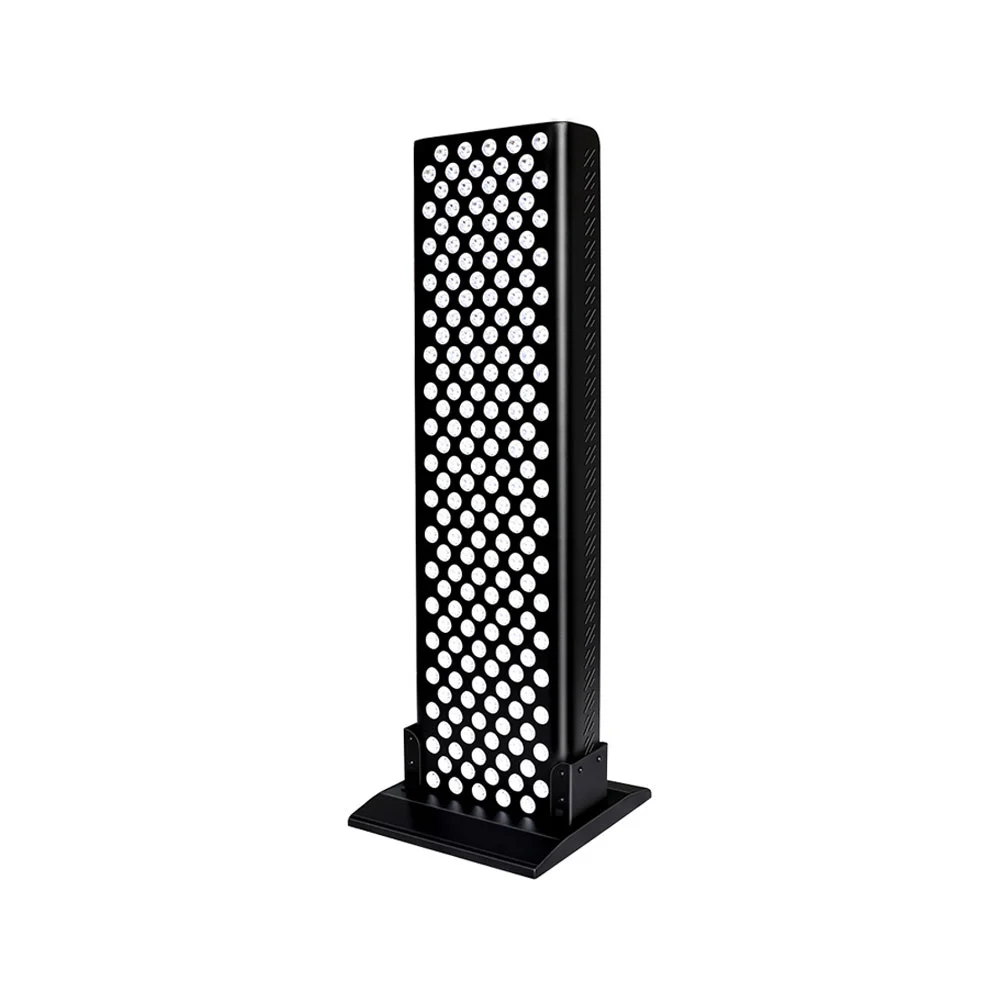
VELLGUS max 300
THE #1 RATED FULL BODY RED LIGHT DEVICE
Upgrade your red light therapy experience and take it to the next level with VELLGUS Red Light Max 300. This device is specifically designed for those wanting a brighter and more intense red light treatment
Comparison of Treatment Modalities for Tinea Versicolor
Clinical Recommendations for Practitioners
- Do not recommend red light therapy as a primary treatment for active tinea versicolor. No clinical trials support its use for eradication, and the in vitro evidence for light-based Malassezia inhibition involves blue-violet wavelengths, not red .
- Position red light as an adjunctive cosmetic modality once antifungal therapy has been initiated or completed, specifically for residual PIH/PIE. The 830 nm near-infrared data are the most relevant, though 630–660 nm red light may offer similar photobiomodulatory benefits for skin recovery .
- Counsel on recurrence and prophylaxis. Patients should understand that neither red light nor any light-based device prevents Malassezia recurrence. Prophylactic selenium sulfide or intermittent azole use remains the evidence-based strategy .
- Avoid conflating “light therapy” with “photodynamic therapy.” Some literature on light-based antifungal treatment involves aPDT with exogenous photosensitizers (e.g., methylene blue, plant extracts). These protocols are distinct from red light therapy devices used at home and require clinical supervision .
- Set realistic timelines. Post-inflammatory pigmentary changes may take up to six weeks or longer to resolve after mycological cure . Red light may modestly accelerate this process but will not produce immediate results.
Frequently Asked Questions
1. Can red light therapy cure tinea versicolor on its own?
No. There is no clinical evidence that red light therapy at typical wavelengths (630–660 nm) eradicates Malassezia yeast. The in vitro studies showing antifungal effects use blue-violet light (380–410 nm), and even those are preliminary . Red light should not replace standard antifungal treatment.
2. What wavelength of light actually kills Malassezia?
Laboratory studies suggest that wavelengths in the blue-violet range (particularly 380–390 nm) demonstrate the most consistent inhibitory effects on Malassezia species in vitro . However, these findings have not been validated in clinical trials for tinea versicolor, and blue light penetration into the skin is limited compared to red light.
3. Will red light therapy help with the white or dark spots left after tinea versicolor?
It may help modestly. Post-inflammatory hyperpigmentation and erythema have shown improvement with LED therapy in the 590–830 nm range in controlled studies . However, the most important step is eradicating the infection first; pigmentary resolution will not occur if the yeast remains active.
4. Is red light therapy safe to use alongside antifungal creams?
Yes. There are no known contraindications between topical antifungals and red light therapy. In fact, combining photobiomodulation with standard care is the most rational approach: antifungals address the infection while light therapy may support barrier recovery and pigment normalization .
5. How does red light therapy compare to standard antifungal treatment for tinea versicolor?
They are not comparable in purpose. Topical azoles or selenium sulfide have high-level evidence for eradicating the infection and are guideline-recommended first-line treatments . Red light therapy has no evidence for eradication. It is a cosmetic adjunct, not a therapeutic alternative. Patients should complete a standard antifungal course regardless of whether they use red light.
Bottom Line: Red light therapy is not a treatment for tinea versicolor infection. It may, however, play a supportive role in managing the cosmetic aftermath—particularly post-inflammatory pigmentation—once the infection has been appropriately treated with proven antifungal agents. Practitioners should counsel patients accordingly and avoid overstating the device’s capabilities.