 Free Shipping
  Buy Now, Pay Later
  Eligible

Red Light Therapy for Demodex Mites: An Evidence-Based Clinical Review

Demodex mites are microscopic arachnids that naturally inhabit human skin, but in cases of overpopulation, they become pathogenic, causing a range of dermatological and ophthalmological conditions. The most common clinical manifestations include Demodex-associated blepharitis (DAB) and rosacea. With traditional treatments presenting challenges in efficacy and patient tolerance, light-based therapies, particularly red light therapy, have emerged as a promising and increasingly evidence-based intervention. This article provides a professional review of the mechanisms, clinical evidence, and practical applications of red light therapy in managing Demodex infestations.
Understanding the Demodex Burden
Demodex mites are a significant and often underappreciated clinical entity. In ocular demodicosis, the mites burrow and lay eggs in the lash follicles, causing mechanical damage, releasing digestive enzymes that break down epithelial cells, and provoking inflammation and hypersensitivity reactions . This pathogenic activity leads to a high symptom burden, with over 95% of patients experiencing at least three symptoms, including itching (worse at night), dry eyes, foreign body sensation, redness, and blurred vision .
The clinical significance of Demodex is underscored by its high comorbidity with other ocular surface diseases. Research indicates that 60–70% of patients with dry eye disease (DED) also have concurrent Demodex blepharitis . The relationship is bidirectional: tear film alterations may facilitate mite infestation, while the mites themselves exacerbate ocular surface disease (OSD) .
The Science of Red Light Therapy Against Demodex
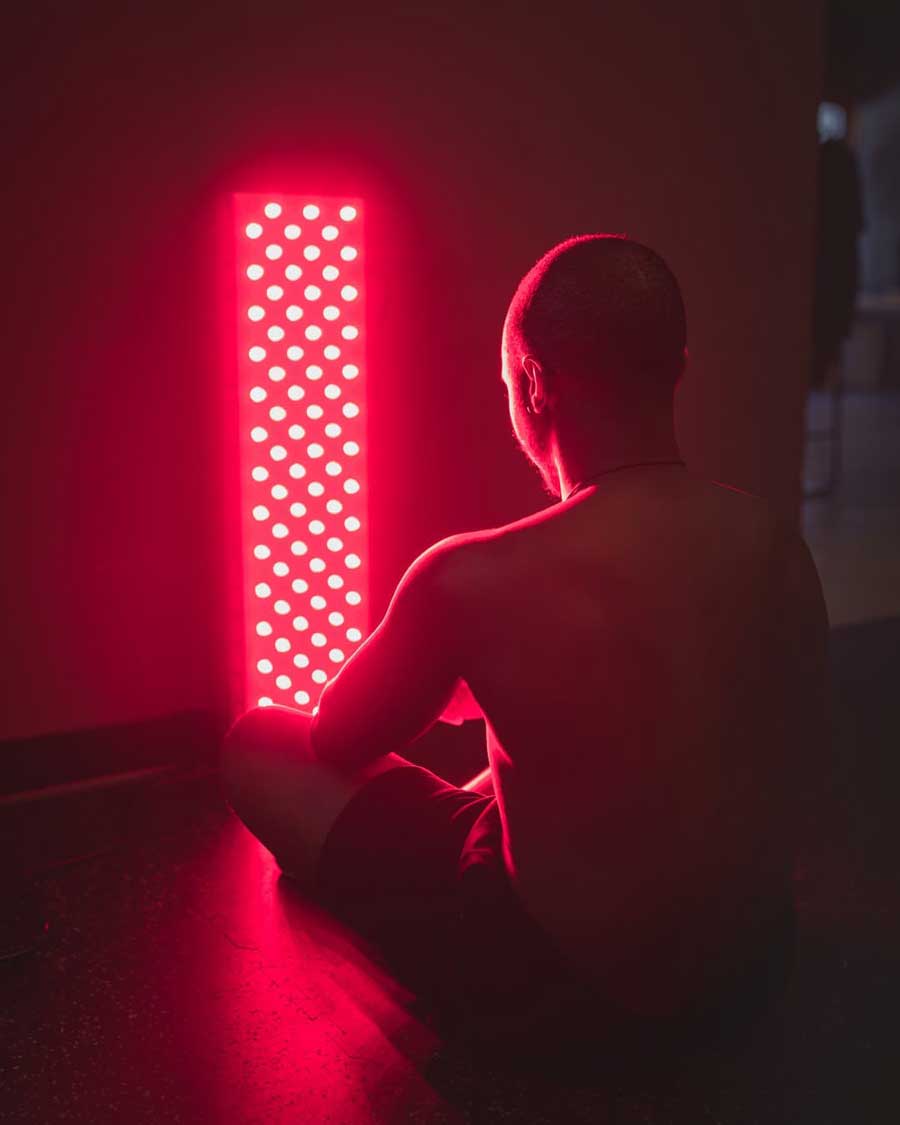
Red light therapy, a form of low-level light therapy (LLLT) or photobiomodulation (PBM), utilizes specific wavelengths of light (typically in the 625-650 nm range) to induce therapeutic effects at the cellular level. The primary mechanism is not thermal (as with intense pulsed light or IPL), but rather photochemical. The energy from red light is absorbed by mitochondrial chromophores, leading to increased adenosine triphosphate (ATP) production. This “cellular energy” boost promotes tissue repair, reduces inflammation, and enhances cellular activity .
When applied to Demodex-associated conditions, red light therapy operates through a dual-action mechanism:
- Direct Anti-inflammatory Effect: By modulating the local inflammatory response, red light reduces the irritation and swelling triggered by the mites .
- Indirect Reduction of Mite Burden: While the acaricidal effect of red light alone is less direct than blue light, clinical evidence suggests that when used in combination with other light modalities or standard care, it contributes significantly to symptom relief and the improvement of clinical signs . Additionally, blue light (often used adjunctively) targets bacterial overgrowth associated with mites, while red light addresses the inflammatory aftermath .
A retrospective study on patients with Demodex-associated blepharitis showed that the combination of IPL and LLLT (using blue and red lights) led to a significant reduction in signs and symptoms. This included a notable decrease in collarettes (pathognomonic waxy debris at the lash base), saponification, conjunctival hyperemia, and corneal staining . The study’s safety data was favorable, with no patients reporting treatment-related adverse effects .
Red Light Therapy vs. Traditional Treatments
To contextualize the role of red light therapy in clinical practice, it is helpful to compare its mechanisms and evidence with other common treatment modalities. Traditional therapies often rely on toxic agents or manual removal, which can be time-consuming and irritating.
Table 1: Comparative Analysis of Demodex Blepharitis Treatment Modalities
Clinical Efficacy and Current Evidence
The body of evidence supporting light-based therapies for Demodex is growing. A systematic review and meta-analysis published in 2025 compared various anti-Demodex strategies and found that light therapies, especially IPL, could be considered effective methods to control Demodex mite infestation . While the evidence is still more robust for pharmacologic agents like ivermectin and TTO, light therapies provide a non-pharmacological alternative that targets both the pathogen and the host’s inflammatory response.
A significant clinical trial from Chulalongkorn University (updated July 2026) is investigating the effectiveness of LLLT and IPL as adjunctive therapies for Demodex blepharitis using an AI-assisted program called “Ai-Demodex” . The study involves 88 participants and uses a rigorous randomized sham-controlled design to measure mite count reduction and improvements in ocular surface parameters. This ongoing research represents a milestone in providing high-quality evidence for the role of light therapies in the treatment algorithm . Future evidence will help define the exact place each light-based modality holds .
Practical Application and Safety Profile
In a clinical setting, red light therapy for Demodex typically involves a series of short sessions. A typical protocol might include 12 minutes of treatment with an LED mask delivering red or combined red and blue light . A mean of 7.6 sessions was used in a recent study, resulting in significant clinical improvements .
Red light therapy is generally considered safe and well-tolerated. Unlike chemical treatments, it does not typically cause stinging, burning, or chemical toxicity, making it a suitable option for sensitive periocular skin. The absence of adverse events, such as pain or phototoxicity, in clinical studies highlights its excellent tolerability profile .
Conclusion
Red light therapy represents a paradigm shift in the management of Demodex infestations. Rather than relying solely on potentially toxic agents to kill the mite, red light therapy (particularly when part of a combined light therapy protocol with IPL and/or blue light) offers a holistic approach: it reduces inflammation, promotes tissue repair, and contributes indirectly to reducing the mite burden, all while exhibiting a favorable safety profile.
While traditional pharmacotherapies like ivermectin and tea tree oil remain potent frontline options, the evidence supporting LLLT and IPL as safe and effective alternatives is robust and growing . As emerging evidence from ongoing trials becomes available, it is likely that red light therapy will secure a central role in the therapeutic algorithm for Demodex blepharitis and rosacea, offering patients a non-invasive, well-tolerated, and effective treatment option.